
Updated July 16, 2026

Homeowners Insurance in New Haven
Property managers, mortgage lenders, condo associations, and closing attorneys often ask for proof that your policy is active before keys change hands or a refinance moves forward. Satisfying them usually means matching the dwelling amount to the property you are actually buying. You will also need to show the right mortgagee information and make sure deductibles are clear before closing day. The city's median home value is $249,000, so many buyers are not insuring a luxury property but still need limits that track rebuild costs, attached structures, and personal property instead of relying on a rough online estimate. Budget also matters here, so deductible choices and optional endorsements deserve a real cash flow conversation before you bind coverage. If you are buying a multifamily on a tighter urban lot, ask your agent to review occupancy, updates, and any planned contractor work so your quote lines up with how the home is used.
Connecticut has a moderate climate risk rating. Top hazards: Hurricane (High), Nor'easter (High), Flooding (Moderate), Winter Storm (Moderate). The state's expected annual loss from natural hazards is $620M, which influences homeowners insurance premiums and may affect coverage availability in high-risk areas.
What Homeowners Insurance Covers
A Connecticut homeowners policy may help cover dwelling, personal property, liability, additional living expenses, other structures, and medical payments, but the exact terms depend on the carrier and endorsements you choose. Standard policies may help cover fire, wind, theft, vandalism, and similar perils, while flood damage is excluded and must be handled separately through NFIP or a private flood policy. That exclusion matters in Connecticut because recent disaster history includes flash flooding, coastal storm surge, and nor'easters that have caused widespread damage. In coastal parts of the state, separate wind or hurricane deductibles may apply, so a policy can look complete on paper while still leaving a different out-of-pocket amount after a storm.
Connecticut's reconstruction-cost environment also matters. Rebuilding a home here costs more than the national baseline, and the average dwelling coverage listed is $300,000, which reflects the higher reconstruction costs you should plan for when setting your dwelling limit. If your home has older systems, a roof with more wear, or detached structures like a garage or shed, those details can affect how much protection you need and which endorsements are worth reviewing.
Coverage Included

Dwelling
Repairs or rebuilds your home itself, the walls, roof, floors, built-in appliances, and attached structures like a garage, after a covered loss. Set this limit to the full cost of rebuilding, not market value.
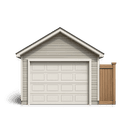
Other Structures
Detached structures on your property, such as a fence, shed, detached garage, or gazebo. Usually set at about 10 percent of your dwelling limit [2].

Personal Property
Your belongings, furniture, clothing, electronics, and appliances, generally written at 50 to 70 percent of your dwelling limit [2]. High-value items like jewelry and art carry special limits.

Additional Living Expenses
Also called loss of use. Pays your added living costs, hotel stays, meals, and a temporary rental, while a covered loss makes your home uninhabitable. Usually set at about 20 percent of your dwelling limit.

Liability
Covers you if someone is injured on your property, or you damage someone else's property, and you are found responsible. The standard $100,000 limit [2] is often raised to $300,000 or $500,000.

Medical Payments
Pays small medical bills, commonly $1,000 to $5,000, if a guest is hurt at your home regardless of fault, without a formal liability claim.
Homeowners Insurance Cost in New Haven
Average Cost in Connecticut
$110 - $260
per month
In Connecticut, homeowners insurance premiums typically run $110 - $260 per month, which tends to run 3% above the national range of $110 - $250 per month.
- Home replacement cost, age, and construction type
- Roof age, material, and condition
- ZIP code and local weather risk (wind, hail, wildfire, hurricane)
- Coverage limits and endorsements
- All-peril and percentage wind/hail deductibles
- Claims history and insurance score where allowed
Typical range for many standard homeowners profiles; lower-risk homes fall below it and coastal, wildfire, or older-roof homes can run well above. Final pricing depends on property details, location, underwriting, and selected coverage.
Prices shown are general estimates, not guaranteed rates or quotes. Your actual premium will depend on the insurer, coverage selected, personal details, location, claims history, and other underwriting factors. Learn about our pricing methodology.
Connecticut pricing reflects a market where premiums run above the national average, so budgeting matters. Your final premium depends on the coverage choices, deductibles, and home characteristics specific to your property.
Location, claims history, coverage limits, and policy endorsements all matter, and the age and condition of the dwelling can have a significant impact. That is especially relevant because many homes are older and rebuilding costs run higher than in many other states. Coastal exposure can also affect the price of wind-related protection, particularly where separate hurricane or wind deductibles apply. On the other hand, the state has many active insurers, which creates room to compare quotes rather than accept the first offer.
What Affects Homeowners Insurance Rates in New Haven
New Haven buyers often need a quote that balances lender expectations with monthly affordability. A deductible that looks manageable on paper can still create real strain if you have to absorb a sudden out of pocket repair cost after a covered loss. At the same time, local home values give you a practical benchmark for reviewing dwelling limits, other structures, and personal property instead of defaulting to broad assumptions. That combination matters here: you want enough coverage to satisfy the mortgage and protect the asset, but you also want deductibles and optional add-ons reviewed against your cash reserves. Before you buy, ask for side by side options that show how premium changes when you adjust deductible levels or add endorsements for water backup, scheduled valuables, or higher loss of use limits.
What Makes New Haven Different
New Haven County has 13,808 business establishments, which means you are likely to encounter contractors, property managers, and service firms that want certificates or additional insured status before lifting a finger. That volume of commercial activity translates directly into more frequent demands for proof of coverage from the people you hire. For a homeowner, it means your policy review should account for renovation plans, home office use, contractor access, and any temporary vacancy around closing or repairs. Ask those questions before binding, because a clean declaration page can keep a purchase, refinance, or post-closing project from stalling.
Our Recommendation for New Haven
Start with the transaction details, not the premium. Confirm the named insured, property address, mortgagee clause, closing date, and occupancy are exactly right, because small errors can delay a closing or create cleanup work after binding. Next, review dwelling coverage against the home's actual characteristics, especially if the property has older finishes, detached structures, or recent updates that should be documented. If you are buying a condo or a small multifamily, ask where the association master policy stops and where your own responsibility begins. If contractors will be in the home soon after purchase, flag the renovation timeline and vacancy details early so underwriting can account for them. Water backup, ordinance or law, and higher personal property sublimits can each shift the quote meaningfully, so ask for those numbers specifically. If you want a faster comparison, gather the inspection report, current declarations page if available, and closing paperwork before requesting options.
Get Homeowners Insurance in New Haven
Enter your ZIP code to compare homeowners insurance rates from carriers in New Haven, CT.
Home insurance starting at $50/mo
FAQ
Frequently Asked Questions
Your binder or declarations page needs the correct property address, named insured, mortgagee information, and effective date before most attorneys will greenlight a closing. Get those details right early and the transaction tends to move on schedule. It also helps to review whether the dwelling limit fits the property instead of using a rough estimate.
You usually do, because the association master policy may stop at common elements or bare walls and leave everything inside your unit on your dime. Ask for the association insurance summary, then compare it against your unit improvements, personal property, liability, and loss assessment exposure.
Weigh deductible options against real cash reserves, not just the lower premium. With median household income at $53,771, a higher deductible can reduce monthly cost but still leave you exposed to a repair bill that is hard to absorb after a covered loss. That gap matters because a deductible you cannot cover out of pocket effectively leaves the loss uninsured.
It can, especially if the home will be vacant, partially occupied, or under active contractor work soon after purchase. Share your construction timeline and occupancy plans early so the quote reflects what is actually happening at the property.
Owners in this area often deal with contractors, property managers, and service firms that want clear proof of active coverage before work starts. Keep your declarations page and mortgagee details accurate if repairs or post-closing projects are planned.
A Connecticut policy may help cover the dwelling, personal property, liability, additional living expenses, other structures, and medical payments, but the exact terms depend on the carrier. Standard policies may help cover fire, wind, theft, and vandalism, while flood damage is excluded.
Your quote will vary based on the home's age, rebuild cost, location, deductible, and any endorsements. The Connecticut market shows an average monthly figure of $143, meaning coverage here costs more than the national benchmark.
Connecticut does not legally require homeowners insurance for every owner, but mortgage lenders usually require it before closing. They generally want enough dwelling coverage to protect the collateral and proof that the policy is active.
Sources
- 1.U.S. Census Bureau, ACS 5-Year Estimates, table B25077(The city’s median home value is $249,000.)
- 2.U.S. Census Bureau, ACS 5-Year Estimates, table B19013(New Haven households have median household income of $53,771.)
- 3.U.S. Census Bureau, County Business Patterns, South Central Connecticut Planning Region(The county containing New Haven has 13,808 business establishments, with health care and social assistance at 13.8%, retail trade at 13.5%, and other services at 11.3% of establishments.)
Updated July 16, 2026