Updated July 5, 2026

Car Insurance in Stamford
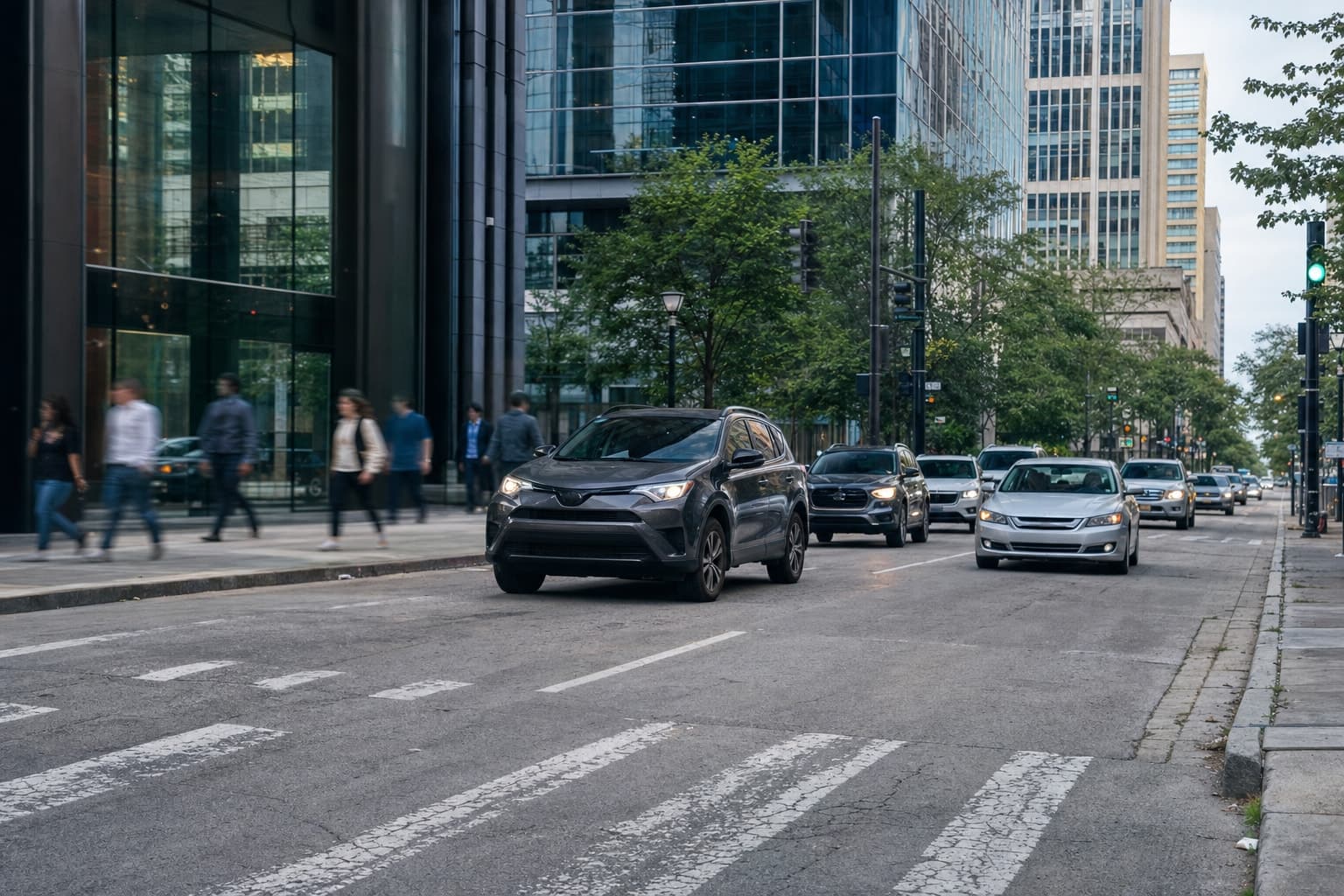
Professional, scientific, and technical services lead the business mix in the county that contains Stamford, at 13.2% of establishments, so a lot of local driving revolves around office schedules, client meetings, retail stops, and health care appointments rather than long rural stretches. That changes how many households should review car insurance in Stamford. You are often parking in garages, lots, and dense commercial corridors, then using the same vehicle for commuting, errands, and family pickups later the same day. In the county, retail trade accounts for 11.9% of establishments and health care and social assistance 11%, which adds more short-trip traffic around shopping areas and medical offices. If your week includes downtown commuting, station runs, school drop-offs, and weekend trips out of the city, your quote should match that pattern. It is worth checking whether your liability limits still fit your assets, whether collision and comprehensive make sense for your vehicle value, and whether your policy use is classified correctly before you shop a fresh quote.
Connecticut has a moderate climate risk rating. Top hazards: Hurricane (High), Nor'easter (High), Flooding (Moderate), Winter Storm (Moderate). The state's expected annual loss from natural hazards is $620M, which influences car insurance premiums and may affect coverage availability in high-risk areas.
What Car Insurance Covers
In Connecticut, car insurance is shaped by the Connecticut Insurance Department and by the realities of local driving. The state recorded roughly 89,000 crashes in 2023, which means a typical driver faces a meaningful chance of an incident each year, and carriers respond to that volume with closer scrutiny of claims history and location. Liability coverage is the foundation. Connecticut's commercial auto minimums sit at $25,000/$50,000/$25,000, which gives shoppers a useful benchmark even though personal policy needs can vary. Collision coverage helps pay for damage to your own vehicle after an auto accident. Comprehensive coverage is designed for non-collision losses such as theft, weather, and other damage.
That matters in a state with high storm activity, 119 disaster declarations, and recent losses from a 2024 nor'easter and 2023 flash flooding. That history of declared disasters can translate into higher comprehensive premiums, especially for drivers in storm-prone ZIP codes. Uninsured motorist coverage is especially relevant because nearly one in ten Connecticut drivers lacks insurance, which is a local risk factor that can affect how much protection you want. Medical payments coverage can help with medical expenses after a crash, and rental car reimbursement can be useful if your vehicle is in the shop after a covered loss. Deductibles and coverage limits are the main levers that change how a policy responds. A lower deductible usually means a higher premium, and a higher deductible usually means more out-of-pocket cost at claim time. Connecticut drivers should also pay attention to how endorsements or added options may affect the final policy structure, especially if they commute in Hartford, drive along coastal counties, or park in areas where theft and weather exposure are more of a concern.
Coverage Included

Liability
Can help pay for injuries and property damage you cause to others in an accident, coverage most states require drivers to carry.

Collision
Can help pay to repair or replace your car after a crash with another vehicle or object, regardless of fault.

Comprehensive
Typically covers damage to your car from events other than collisions, such as theft, hail, fire, flooding, or hitting an animal.

Uninsured Motorist
May pay for your injuries and, in some states, car damage when an at-fault driver has no insurance or too little.

Medical Payments
Can help cover medical bills for you and your passengers after an accident, no matter who was at fault.

Rental Reimbursement
May pay for a rental car while your vehicle is in the shop for repairs after a covered claim.
Car Insurance Cost in Stamford
Average Cost in Connecticut
$120 - $290
per month
In Connecticut, car insurance premiums typically run $120 - $290 per month, which tends to run 21% above the national range of $110 - $230 per month.
- Driving record and age
- Vehicle make, model, and year
- Location and commute distance
- Credit-based insurance score
- Coverage limits and deductibles
Contact CPK Insurance for a personalized quote.
Prices shown are general estimates, not guaranteed rates or quotes. Your actual premium will depend on the insurer, coverage selected, personal details, location, claims history, and other underwriting factors. Learn about our pricing methodology.
Car insurance cost in Connecticut is above the national average, with a state premium index of 122 (where 100 is the national baseline) and typical monthly costs starting at $120 and reaching $290 or more. The state has a competitive market with many active carriers, which means pricing is competitive but not uniform. For shoppers comparing quotes, the largest cost drivers are coverage limits, deductibles, claims history, location, policy endorsements, and the type of vehicle you insure.
Connecticut recorded 330 fatalities and an average claim cost of $15,866 in 2023, so carriers may price in the frequency and severity of local losses. High-rated hazards like hurricanes and nor'easters, plus moderate flooding and winter storm risk, can push comprehensive coverage higher for some drivers, especially those in coastal or flood-prone areas. The state's overall crime index of 68 and property crime rate of 1,680 may also influence how insurers view theft-related exposure in certain ZIP codes, since those figures suggest property crime runs higher than in many other states. Because Connecticut has many active insurers, quotes can vary significantly even for the same driver profile.
If you want to manage premium pressure, your deductible choice is one of the most direct ways to influence price, but it should match your ability to pay after a claim. Drivers with recent accidents, violations, or higher annual mileage may see higher pricing. Clean records and tighter coverage selections can help keep costs more manageable. The most accurate way to evaluate your options is to compare quotes with the same coverage levels across the board.
What Affects Car Insurance Rates in Stamford
Stamford households often have more to protect than a bare minimum policy is built for. The city's median household income is $107,474, so the financial downside of a serious at-fault crash can be larger if you have savings, higher wages to protect, or a newer vehicle you rely on every day. That does not mean every driver needs the same limits. It does mean you should look closely at whether your current bodily injury and property damage limits still make sense, especially if you commute regularly, keep multiple vehicles, or have a teen driver in the household. If you carry collision and comprehensive, review your deductible against what you could comfortably pay out of pocket after a loss. A quote comparison here is most useful when you test limit options, deductible choices, and vehicle-by-vehicle coverage instead of only looking for the lowest monthly payment.
What Makes Stamford Different
Mixed-use daily driving is the main thing that changes the calculus here. In the county containing Stamford, there are 19,826 business establishments, with notable shares in professional services, retail, and health care. So many drivers are not using their cars for one simple pattern. A single vehicle may handle a commuter trip in the morning, midday errands near commercial areas, an appointment run, then family transportation at night. That kind of stop-and-start use can expose gaps between how a car is actually driven and how the policy is set up. If your insurer still treats your vehicle like it is used only occasionally, or you have not revisited garaging, annual mileage, or primary-driver details after a move or job change, your quote may not be calibrated well. The practical move is to describe your real weekly routine clearly and ask for options that fit that usage, not a generic statewide template.
Our Recommendation for Stamford
Start with how your household actually uses each vehicle. If one car handles the train station, downtown parking, and most weekday errands, review collision, comprehensive, and deductible choices on that car first. If another vehicle is driven less often, ask whether its mileage and use classification still fit. Households here should also look at liability limits with an eye toward assets and income, not just the legal minimums. If you have a newer car, a loan or lease, or a driver who regularly parks in busy commercial areas, it is sensible to compare several limit and deductible combinations side by side. Keep your quote request precise: annual mileage, overnight parking setup, all regular drivers, and any recent address or commute changes. That gives you a cleaner comparison and helps you avoid buying a policy that looks cheaper only because key details were understated.
Get Car Insurance in Stamford
Enter your ZIP code to compare car insurance rates from carriers in Stamford, CT.
Car insurance starting at $59/mo
FAQ
Frequently Asked Questions
Stamford drivers often combine commuting, errands, and family use in one vehicle, so your mileage, parking, and use classification should match reality. If your routine changed after a move or job shift, re-quote before renewal.
Stamford households often review liability limits more carefully because the city's median household income is $107,474. If you have savings, higher earnings, or multiple vehicles, ask to compare higher limits against your current setup.
Western Connecticut Planning Region has 19,826 business establishments, so many local trips revolve around offices, retail areas, and medical visits. That makes accurate mileage, garaging, and driver information especially important when you request quotes.
Stamford commuters should update a policy after a job, schedule, or parking change because those details can affect how the vehicle is rated. Review commute frequency, annual mileage, and who drives each car most often.
In Connecticut, liability coverage helps with injuries or damage you cause to others, collision coverage helps repair your own car after an auto accident, comprehensive coverage may help with non-collision losses, and medical payments coverage can help with medical expenses after a crash. Because the state has a notable crash volume and an uninsured driver rate of 9.4%, many drivers also review uninsured motorist coverage and rental reimbursement coverage when building a policy.
Connecticut car insurance is regulated by the Connecticut Insurance Department, and commercial auto minimums are listed at $25,000/$50,000/$25,000. For personal auto insurance, the practical step is to compare quotes that reflect your vehicle, driving history, and location, because coverage requirements may vary by policy structure and use.
Car insurance cost in Connecticut is shown at typical monthly costs starting at $120 and reaching $290 or more, with a premium index of 122 (where 100 is the national average). Your exact premium depends on coverage limits, deductibles, claims history, location, vehicle type, and policy endorsements.
Many Connecticut drivers compare all three because each may help with a different type of loss: liability for harm you cause to others, collision for damage to your own vehicle in an auto accident, and comprehensive for weather, theft, and other non-collision damage. With high-rated weather hazards like hurricanes and nor'easters, comprehensive coverage can be especially relevant for drivers who park outdoors or live near the coast.
Sources
- 1.U.S. Census Bureau, County Business Patterns, Western Connecticut Planning Region(Professional, scientific, and technical services lead the business mix in the county that contains Stamford, at 13.2% of establishments, while retail trade accounts for 11.9% and health care and social assistance 11%.; In the county containing Stamford, there are 19,826 business establishments.)
- 2.U.S. Census Bureau, ACS 5-Year Estimates, table B19013(The city's median household income is $107,474.)
Updated July 5, 2026