Updated July 5, 2026

Commercial Auto Insurance in Stamford
Do you need a different commercial auto setup here than you would elsewhere in Connecticut? Yes, if your vehicles serve Stamford accounts, parking patterns, client expectations, and stop frequency can change what you should review before you bind. Commercial auto insurance in Stamford usually gets more specific once your drivers move between office towers, medical offices, retail corridors, and residential service calls in the same week. That mix matters because a sedan used for client visits, a van carrying tools, and a light truck making local deliveries do not create the same garaging, driver, or equipment questions.
The local business base also changes how often you need to show proof of coverage. The county containing Stamford has 19,826 business establishments, so vendors, landlords, and larger clients often want current certificates and clear vehicle schedules before work starts or access is granted. If your routes touch downtown garages, busy shopping areas, or office campuses, ask for a quote that matches who drives, where vehicles are kept overnight, whether employees use their own cars for errands, and whether any unit carries tools, samples, or mobile equipment.
Commercial Auto Insurance Risk Factors in Stamford
Stamford's top risk factors include Flooding, Hurricane damage, Coastal storm surge, and Wind damage. Flooding can cause significant vehicle damage, make sure comprehensive coverage is included.
Connecticut has a moderate climate risk rating. Top hazards: Hurricane (High), Nor'easter (High), Flooding (Moderate), Winter Storm (Moderate). The state's expected annual loss from natural hazards is $620M, which influences commercial auto insurance premiums and may affect coverage availability in high-risk areas.
What Commercial Auto Insurance Covers
In Connecticut, commercial auto insurance is designed to respond when a business vehicle is involved in an accident, whether that vehicle is a company car, service van, pickup, straight truck, or a mixed fleet. The core protection includes liability coverage for bodily injury and property damage, plus collision for damage to your insured vehicle and comprehensive for losses tied to theft or weather-related events. That matters here because winter storms and coastal flooding are all part of the state's loss history, and those conditions can affect parked vehicles, travel schedules, and accident frequency.
The state minimum liability requirement applies to commercial vehicles, but minimums are only the starting point. Many businesses choose higher limits because accident claims in Connecticut can be costly, so higher limits are often worth reviewing. Uninsured and underinsured motorist coverage may be required, so it should be checked carefully when you build a policy. Medical payments and uninsured motorist protection are also part of the product design, and hired auto or non-owned auto coverage can be added when employees use rental vehicles or personal cars for business errands, client visits, or deliveries.
Hired and non-owned auto coverage needs the right endorsement, and coverage for cargo or equipment is not implied by the basic auto form. If your business operates in Hartford's commuter lanes, New Haven's urban traffic, or coastal routes where weather can change quickly, the policy structure should match the way the vehicle is actually used.
Coverage Included
Bodily Injury Liability
Covers injuries you cause to others in an accident

Property Damage Liability
Covers damage you cause to others' property
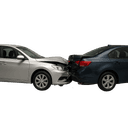
Collision Coverage
Pays for damage to your vehicle in an accident

Comprehensive Coverage
Covers theft, vandalism, weather, and animal damage

Medical Payments
Covers medical costs for your drivers and passengers

Uninsured Motorist
Protection when the other driver lacks insurance
Hired & Non-Owned Auto
Covers rented or employee-owned vehicles used for work
Commercial Auto Insurance Cost in Stamford
Average Cost in Connecticut
$150 - $440
per month
Businesses in Connecticut typically see commercial auto insurance premiums of $150 - $440 per month, which tends to run 7% above the national range of $140 - $410 per month.
- Fleet size and vehicle types
- Driver records and experience
- Coverage limits and deductibles
- Business industry and use
- Annual mileage and operating radius
- Claims history
Rates based on small business averages. Your actual premium may vary.
Prices shown are general estimates, not guaranteed rates or quotes. Your actual premium will depend on the insurer, coverage selected, business details, location, claims history, and other underwriting factors. Learn about our pricing methodology.
The Connecticut pricing picture is shaped by a premium environment that is already above the national average. What you pay depends on factors like vehicle type, fleet size, driver records, coverage limits, deductibles, business use, annual mileage, operating radius, and claims history. Connecticut has roughly 98,200 businesses, nearly all of them small operations, which means carriers are already pricing for the kind of dense traffic and urban driving patterns you deal with every day.
The state saw 89,000 total crashes in 2023. Following too closely, reckless driving, weather conditions, drowsy driving, and failure to yield were among the top causes. If your drivers run those routes frequently, expect underwriters to price for that risk. The market also includes many active insurance companies, so quote differences can come from underwriting style as much as from coverage design. Premiums may also move based on whether you insure one company car or a fleet, whether your operation involves heavy trucks or lighter vehicles, and whether you add endorsements for hired or non-owned vehicles. Rates are based on small business averages, and your actual premium may vary.
Industries & Insurance Needs in Stamford
The county business mix around Stamford changes the kinds of vehicles and liability patterns that show up on a quote. In the county containing Stamford, leading sectors by establishment share are professional, scientific, and technical services at 13.2%, retail trade at 11.9%, and health care and social assistance at 11%, so local fleets are not just contractor pickups. You also see employee-driven sedans for client meetings, retail delivery vehicles, and service units moving between patient, office, and storefront locations.
That matters because the right review is often about use class and driver activity, not just vehicle type. If your company is office-based, ask whether hired and non-owned auto should be reviewed for employee errands or client visits. If you run retail or health-related operations, check delivery radius, loading patterns, and whether frequent short trips increase the need for tighter driver screening and clearer vehicle assignment.
What Makes Stamford Different
Mixed-use driving is what changes the calculus here. Stamford compresses corporate, retail, health care, and residential service activity into a relatively tight operating area, so many businesses are not running one simple route pattern all week. A vehicle may sit in a garage for part of the day, make several short stops, carry samples or tools, then head to another client site before returning.
That operating pattern affects what you should verify on an application. You want garaging address, annual mileage, primary use, and driver list to match reality, because a policy built for occasional business use can miss the mark if the vehicle is actually making repeated service or delivery stops. Stamford’s median household income is $107,474, so claims involving property damage can become more expensive when your drivers work around higher-value personal vehicles and private property. Before you buy, review limits, physical damage deductibles, and whether any employee regularly uses a personal car for company business.
Our Recommendation for Stamford
Start with the vehicle schedule and be strict about how each unit is described. If one car is mainly for sales calls, another carries tools, and a third is used for deliveries, separate those uses clearly instead of grouping everything under a broad description. That usually leads to a cleaner quote and fewer surprises if a claim happens.
Next, review who actually drives. If owners, office staff, technicians, or part-time employees all get behind the wheel at different times, say so up front and ask how that affects underwriting. If employees ever use their own cars for bank runs, client visits, or supply pickups, ask to review hired and non-owned auto rather than assuming the business auto policy handles it.
Finally, think about documentation. Keep current registrations, driver information, and certificates ready, especially if you work with property managers, corporate clients, or medical offices that want proof of coverage before access or contracts are approved. Then compare quotes using the same limits and deductibles so you are judging real differences, not mismatched terms.
Get Commercial Auto Insurance in Stamford
Enter your ZIP code to compare commercial auto insurance rates from carriers in Stamford, CT.
Business insurance starting at $25/mo
FAQ
Frequently Asked Questions
Stamford businesses should ask whether hired and non-owned auto needs to be reviewed. That matters here because many local companies are service or office based, and employee errands or client visits can create business driving exposure even without a company-owned fleet.
Stamford can push you to review limits more carefully. The city’s median household income is $107,474, so if your drivers operate around higher-value vehicles and private property, you may want to compare liability limits instead of defaulting to the minimum you can buy.
Western Connecticut Planning Region has 19,826 business establishments, so local firms often need fast, accurate certificates and updated vehicle schedules for leases, vendor setups, and client onboarding. If your paperwork lags behind your fleet changes, that can slow down work.
Stamford area businesses should pay close attention to use class. In the county containing Stamford, professional services are 13.2% of establishments, retail is 11.9%, and health care and social assistance is 11%, so underwriting often turns on trip purpose and stop frequency.
It may help cover liability for bodily injury and property damage, collision damage to your vehicle, comprehensive losses such as theft or weather damage, medical payments, and uninsured or underinsured motorist protection, with hired and non-owned auto coverage available by endorsement.
Connecticut requires commercial vehicles to carry minimum liability of $25,000 per person for bodily injury, $50,000 per accident for bodily injury, and $25,000 for property damage. All commercial vehicles must be registered with the DMV, and uninsured and underinsured motorist coverage may be required.
Pricing varies based on fleet size, drivers, vehicle type, mileage, coverage limits, and claims history. Your actual premium may differ from published averages.
Any business that uses a vehicle for work can need it, including companies with one car, delivery vans, service trucks, or fleets, especially if employees drive to client sites, transport materials, or make business deliveries.
Sources
- 1.U.S. Census Bureau, County Business Patterns, Western Connecticut Planning Region(The county containing Stamford has 19,826 business establishments, so vendors, landlords, and larger clients often want current certificates and clear vehicle schedules before work starts or access is granted.; In the county containing Stamford, leading sectors by establishment share are professional, scientific, and technical services at 13.2%, retail trade at 11.9%, and health care and social assistance at 11%, so local fleets are not just contractor pickups.)
- 2.U.S. Census Bureau, ACS 5-Year Estimates, table B19013(Stamford’s median household income is $107,474, so claims involving property damage can become more expensive when your drivers work around higher-value personal vehicles and private property.)
Updated July 5, 2026