








































Updated July 5, 2026

Commercial Truck Insurance in Stamford
A tighter local market changes how you shop for truck coverage here. Fewer carriers actively want every class of vehicle, radius, and commodity, so your submission quality matters more, and certificate requests often move faster when your unit list, driver schedule, and garaging details are clean. If you are comparing commercial truck insurance in Stamford, the practical issue is not just price. It is whether an underwriter is comfortable with how your trucks actually work this corridor, from short urban delivery runs near Downtown and the South End to service calls that cross into neighboring towns the same day.
That local buyer profile is shaped by a county economy with 19,826 business establishments, so trucks here often support dense vendor networks, recurring deliveries, and contract work where proof of coverage is requested before access, loading, or site work begins. Stamford also sits in a higher income market, with median household income at $107,474, which can mean higher expectations around timeliness, professionalism, and claim handling when your truck damages a vehicle, structure, or customer property. Come to quote review with your vehicle schedule, driver list, typical radius, and any contract insurance requirements, then compare terms, not just premiums.
Commercial Truck Insurance Risk Factors in Stamford
Stamford's top risk factors include Flooding, Hurricane damage, Coastal storm surge, and Wind damage.
Connecticut has a moderate climate risk rating. Top hazards: Hurricane (High), Nor'easter (High), Flooding (Moderate), Winter Storm (Moderate). The state's expected annual loss from natural hazards is $620M, which influences commercial truck insurance premiums and may affect coverage availability in high-risk areas.
What Commercial Truck Insurance Covers
Commercial truck insurance in Connecticut is built around the way your truck actually operates. What you haul, whether you run interstate or local routes, and whether you need proof of liability to satisfy shippers, brokers, or motor carrier contracts all shape the policy. The core coverages in this product are motor carrier liability, physical damage, cargo, and related endorsements. In Connecticut, those coverages are often layered to fit long haul, regional delivery, or local hauling operations that move through weather-sensitive corridors and dense traffic areas.
The state does not add a special truck-specific mandate beyond the general commercial auto minimum. Federal freight requirements still matter for many trucking operations, including the minimum liability benchmark for general freight carriers. If you haul hazardous materials, the required liability can be much higher. For Connecticut businesses, that means the policy limit you choose often needs to reflect both the state baseline and the demands of the load, not just the vehicle.
Coverage may also vary by endorsement. Physical damage is commonly used to protect the tractor or trailer from collision-related loss, while cargo insurance may help cover goods in transit. Bobtail coverage and non-trucking liability are especially relevant for owner-operators who drive without a trailer or outside dispatch. Trailer interchange coverage matters when your operation uses non-owned trailers under contract terms. Policy wording and endorsements can differ enough that two quotes with similar pricing may not respond the same way to a claim.
Coverage Included

Motor Carrier Liability
Can help cover injuries and property damage your truck causes to others, a coverage federal regulators require most for-hire carriers to maintain.

Physical Damage
Can help pay to repair or replace your own truck after an accident, fire, theft, or vandalism.
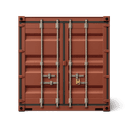
Cargo Coverage
May pay for damage to or theft of the freight you are hauling while it is in your care.
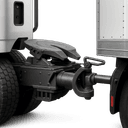
Trailer Interchange
Can help cover damage to trailers you haul under an interchange agreement but do not own.

Bobtail Coverage
May provide liability protection when you drive your tractor without a trailer attached, such as after dropping off a load.

Non-Trucking Liability
Can help cover accidents that happen when you use your truck for personal errands rather than dispatched work.
Commercial Truck Insurance Cost in Stamford
Average Cost in Connecticut
$470 - $1,425
per month
Businesses in Connecticut typically see commercial truck insurance premiums of $470 - $1,425 per month, which tends to run 24% above the national range of $400 - $1,125 per month.
- Radius of operation
- Commodities hauled and cargo value
- Number and value of power units
- Driver motor vehicle records and CDL experience
- DOT safety record, inspections, and FMCSA scores
- Liability limits and physical damage deductibles
Contact CPK Insurance for a personalized quote.
Prices shown are general estimates, not guaranteed rates or quotes. Your actual premium will depend on the insurer, coverage selected, business details, location, claims history, and other underwriting factors. Learn about our pricing methodology.
The pricing picture for commercial truck insurance in Connecticut is higher than the national average. That suggests Connecticut trucking accounts often pay more depending on risk profile, freight type, and coverage selection. Several Connecticut-specific factors push pricing up or down.
Coastal storm exposure and winter weather can affect physical damage coverage and cargo exposure during transit. Coverage limits and deductibles also matter, and the specific endorsements you add will shape the final quote.
Carrier competition is strong, with many active insurers in the state. That competition can create more quote variation, which is why a quote should be compared across multiple carriers rather than judged by one number alone.
Industries & Insurance Needs in Stamford
The county business mix changes what many local trucks are actually doing during the week. In the county containing Stamford, the leading sectors by establishment share are professional, scientific, and technical services at 13.2%, retail trade at 11.9%, and health care and social assistance at 11%. That mix points to a lot of service vans, delivery units, and vehicles supporting time-sensitive appointments, stocked equipment, and recurring stops rather than only long-haul freight.
For a buyer, that matters because the right quote often turns on use class, radius, attached equipment, and whether employees carry tools, inventory, or customer property. A contractor van making scheduled calls, a retail delivery truck handling frequent drop-offs, and a vehicle serving care-related operations can present very different loss patterns on paper. Ask each carrier how they classify your operation, whether hired and non-owned auto should be reviewed for employee vehicle use, and how physical damage, cargo, or inland marine pieces fit together so there are fewer gaps between what your trucks do and what the policy contemplates.
What Makes Stamford Different
Submission quality is what changes the calculus here. In a smaller local market, many truck accounts are won or lost before pricing is even discussed, because underwriters decide quickly whether the operation is clearly documented and easy to place. That is especially true where trucks often support a dense base of local businesses, not just one-off loads. If your certificates are requested on short notice, your routes change by customer, or your fleet mixes pickups, vans, and heavier units, vague applications can narrow your options fast.
The practical fix is simple. Present the account the way an underwriter reviews it: garaging address, unit-by-unit values, VINs, driver information, operating radius, commodities or equipment carried, and any contract language that asks for additional insured or waiver wording. If a truck is seasonal, if a driver is newly hired, or if a unit is used personally after hours, say so up front. Clear details can improve carrier appetite, reduce back-and-forth, and help you compare exclusions and endorsements before a job or delivery schedule forces a rushed decision.
Our Recommendation for Stamford
Start with how your trucks are used this month, not how the business looked last year. If you have a mix of service vehicles, delivery units, or trucks that tow equipment, ask for each vehicle to be scheduled according to its actual use, territory, and value. That helps you catch misclassification before it becomes a claim dispute.
Next, review certificates and contract requirements early. In a market where many customers and property managers expect proof of coverage before work starts, you want to know whether your policy can support additional insured requests, waiver language, or higher liability limits without last-minute scrambling. If employees ever use personal vehicles for errands, deliveries, or site visits, ask whether hired and non-owned auto should be added to the review.
Finally, compare deductibles, physical damage terms, rental reimbursement, and downtime implications side by side. The lowest-priced quote can become the most expensive one if a financed truck sits out of service or a contract requires wording your policy does not match. Bring loss runs and current declarations to the quote conversation so the differences are visible.
Get Commercial Truck Insurance in Stamford
Enter your ZIP code to compare commercial truck insurance rates from carriers in Stamford, CT.
Business insurance starting at $25/mo
FAQ
Frequently Asked Questions
Stamford buyers often run mixed operations, so insurers want the vehicle schedule, drivers, garaging, radius, and cargo or equipment details to classify the risk correctly. Cleaner submissions can widen your carrier options and make certificate requests easier to handle.
Stamford contracts often add insurance wording beyond a basic auto policy, especially when access to a site or vendor relationship depends on proof of coverage. Review additional insured requests, waiver wording, and liability limits before you bind.
Western Connecticut Planning Region has 19,826 business establishments, so many truck accounts involve recurring deliveries, vendor access, and certificate requests. That makes policy administration and contract compliance worth reviewing alongside premium and deductibles.
Stamford service and delivery operations should usually review physical damage, hired and non-owned auto, and any coverage for tools, equipment, or goods in transit. The right mix depends on whether your trucks carry inventory, attached equipment, or customer property.
Stamford sits in a market with median household income of $107,474, which can raise expectations after a loss involving property damage or a customer vehicle. That is a good reason to compare liability limits and umbrella options carefully.
It can include motor carrier liability, physical damage, cargo, and related endorsements, depending on how your trucks are used and what contracts require. Liability may help cover your responsibility to others, while cargo insurance may help cover theft, damage, or loss to freight in transit. Physical damage is commonly used to protect the tractor or trailer from collision-related loss.
The state commercial auto minimum applies, but trucking operations may need higher liability limits based on freight type, federal rules, and shipper or broker requirements.
Your final price will vary based on several factors, including the limits and deductibles you choose, your claims history, your location, and the kind of freight you haul. Because Connecticut premium levels run above the national average, it pays to compare quotes from multiple carriers rather than relying on a single number.
Sources
- 1.U.S. Census Bureau, County Business Patterns, Western Connecticut Planning Region(The county economy with 19,826 business establishments shapes local certificate and vendor expectations.; In the county containing Stamford, the leading sectors by establishment share are professional, scientific, and technical services at 13.2%, retail trade at 11.9%, and health care and social assistance at 11%.)
- 2.U.S. Census Bureau, ACS 5-Year Estimates, table B19013(Stamford sits in a higher income market, with median household income at $107,474.)
Updated July 5, 2026





