Updated July 16, 2026

Commercial Auto Insurance in Delaware
Most business owners start thinking about commercial auto coverage when they add a vehicle, sign a contract, hire a driver, or realize a personal policy no longer fits daily work use. That timing matters because the right policy setup depends on who drives, what gets hauled, where vehicles are garaged, and whether employees ever use their own cars for errands or sales calls.
The coverage is less about buying a generic policy and more about matching liability limits, physical damage choices, and driver scheduling to how your vehicles actually move each week. Delaware sets baseline auto liability requirements through the Department of Insurance, so your quote should start with compliance and then address the practical exposures your business can control.
Before you request pricing, line up your vehicle list, VINs, garaging addresses, driver information, loss history, and any lease or contract insurance requirements. That gives you a cleaner comparison and helps you spot whether you need only scheduled autos or broader protection for hired and non-owned use as well.
What Commercial Auto Insurance Covers
A contractor's pickup that carries tools to changing jobsites creates a different claim pattern than a sales sedan parked at an employee's home or a van making repeated customer stops in the same day. Your policy should be reviewed around those operating details so the liability, vehicle damage, and optional endorsements fit the exposure you actually have.
State minimum auto liability limits are $25,000/$50,000/$10,000. That means $25,000 per injured person, $50,000 per accident for all injuries combined, and $10,000 for property damage. A quote should treat that as the legal floor and not automatically as the limit you stop at. If your business vehicle injures more than one person, damages a newer vehicle, or is involved in a larger loss, low limits can leave your business absorbing the gap. Many owners compare higher liability limits against contract requirements, asset exposure, and the kind of roads and parking conditions their drivers deal with every week.
You should also review whether the policy needs to address leased vehicles, financed vehicles, permanently attached equipment, or downtime concerns after a covered loss. If employees sometimes rent vehicles for work travel or use personal cars for bank runs and deliveries, hired and non-owned coverage should be part of the discussion. The practical goal is simple: map each real driving scenario to the policy before a claim forces the issue.
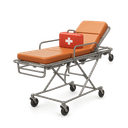
Bodily Injury Liability
Covers injuries you cause to others in an accident

Property Damage Liability
Covers damage you cause to others' property
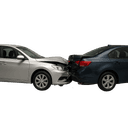
Collision Coverage
Pays for damage to your vehicle in an accident

Comprehensive Coverage
Covers theft, vandalism, weather, and animal damage

Medical Payments
Covers medical costs for your drivers and passengers
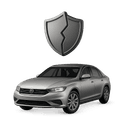
Uninsured Motorist
Protection when the other driver lacks insurance
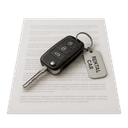
Hired & Non-Owned Auto
Covers rented or employee-owned vehicles used for work
Commercial Auto Insurance Requirements in Delaware
- The state requires minimum auto liability limits, which makes it important to review whether your contracts or asset exposure call for higher limits.
- If your business relies on employee errands in personal cars, non-owned auto deserves a separate review instead of being assumed under scheduled vehicle coverage.
- Leased or financed vehicles often need physical damage terms that match lender or lessor requirements, so confirm deductibles before binding.
- A quote should also match where vehicles are actually garaged and who regularly drives them, because those details can affect both pricing and claim handling.
How Much Does Commercial Auto Insurance Cost in Delaware?
Average Cost in Delaware
$140 - $430
per month
Businesses in Delaware typically see commercial auto insurance premiums of $140 - $430 per month, which tends to run 4% above the national range of $140 - $410 per month.
- Fleet size and vehicle types
- Driver records and experience
- Coverage limits and deductibles
- Business industry and use
- Annual mileage and operating radius
- Claims history
Rates based on small business averages. Your actual premium may vary.
Commercial auto pricing usually moves with exposure details that underwriters can verify. The biggest drivers are often vehicle type, radius of operation, garaging location, driver age and record, annual mileage, cargo or equipment carried, prior claims, selected deductibles, and the liability limit you choose above the state minimum. A service van used every day in stop-and-go traffic is rated differently from a lightly used office vehicle. A business with multiple drivers creates a different underwriting picture than one owner-operator with a clean record.
That range is only a starting frame, not a promise, because the same vehicle can price very differently once the carrier reviews driver assignments, loss runs, financing terms, and whether you need hired or non-owned auto added.
If you want a quote that is actually useful, prepare a current vehicle schedule, driver list, license details, garaging addresses, and recent loss history before you shop. Then look beyond the premium. Check whether the quote changes who is covered, how physical damage is handled, and whether any usage assumptions could create trouble at claim time. A lower number is not a better result if the policy is built on the wrong operating facts.
| Coverage Type | What It Covers | Typical Limits |
|---|---|---|
| Bodily Injury Liability | Injuries to others in accidents you cause | $500K to $2M |
| Property Damage Liability | Damage to others' property | $100K to $1M |
| Collision | Damage to your vehicle in an accident | Actual cash value |
| Comprehensive | Theft, vandalism, weather, animal damage | Actual cash value |
| Medical Payments | Medical costs for your drivers/passengers | $5K to $25K |
| Uninsured Motorist | Protection when other driver lacks insurance | $500K to $1M |
| Hired & Non-Owned | Rented or employee personal vehicles | Same as liability limits |
Bodily Injury Liability
- What It Covers
- Injuries to others in accidents you cause
- Typical Limits
- $500K to $2M
Property Damage Liability
- What It Covers
- Damage to others' property
- Typical Limits
- $100K to $1M
Collision
- What It Covers
- Damage to your vehicle in an accident
- Typical Limits
- Actual cash value
Comprehensive
- What It Covers
- Theft, vandalism, weather, animal damage
- Typical Limits
- Actual cash value
Medical Payments
- What It Covers
- Medical costs for your drivers/passengers
- Typical Limits
- $5K to $25K
Uninsured Motorist
- What It Covers
- Protection when other driver lacks insurance
- Typical Limits
- $500K to $1M
Hired & Non-Owned
- What It Covers
- Rented or employee personal vehicles
- Typical Limits
- Same as liability limits
How Delaware compares with the national baseline
Uninsured drivers
11.4% vs 11.6% baseline
About 11.4% of Delaware drivers are estimated to be uninsured, below the 11.6% average across states.
Fatal crashes per 100 million miles
1.41 vs 1.33 baseline
Delaware sees about 1.41 fatal crashes per 100 million miles driven, above the national average of 1.33.
Blue bar: Delaware. Gray line: national baseline.
Prices shown are general estimates, not guaranteed rates or quotes. Your actual premium will depend on the insurer, coverage selected, business details, location, claims history, and other underwriting factors. Learn about our pricing methodology.
Request a Quote Comparison
Enter your ZIP code to compare commercial auto insurance rates from top carriers.
Business insurance starting at $25/mo
Who Needs Commercial Auto Insurance?
The businesses that need this coverage are not limited to companies with logos on every door. You should review commercial auto if your business owns a car, pickup, van, or truck, leases vehicles, titles them in the business name, or regularly sends employees onto the road for work. The need also shows up when a client contract asks for proof of business auto liability, when a lender requires physical damage coverage on a financed vehicle, or when your operations expand beyond occasional commuting into regular business use.
This matters for more than obvious fleet operations. Real estate teams, home service businesses, consultants, property managers, caterers, wholesalers, and professional firms can all create auto exposure if staff drive to appointments, transport tools or products, or use rented vehicles during busy periods. If an employee uses a personal car for company errands, that does not automatically mean your business has no exposure. It means you should review whether non-owned auto belongs in the policy.
The trigger is operational reality. If a vehicle helps you earn revenue, serve clients, move equipment, or fulfill a contract, it deserves a commercial review. The state's minimum liability requirement is another reason not to guess, because once a vehicle is in business use, you need to know whether your current setup is compliant and whether the limits are adequate for the losses your business could realistically face.
| Requirement | What Delaware law says |
|---|---|
| Auto liability minimums | $25,000/$50,000/$10,000 (bodily injury per person / per accident / property damage). These floors apply to personal and business vehicles alike; lenders and contracts often require more. |
| Where to verify | Delaware Department of Insurance publishes current requirements, consumer guides, and license lookups. |
Commercial Auto Insurance by City in Delaware
Commercial Auto Insurance rates and coverage options can vary across Delaware. Select your city below for localized information:
How to Buy Commercial Auto Insurance
Buying the right policy goes faster when you organize the account the way an underwriter will review it. Start with a complete vehicle schedule that shows ownership, VIN, garaging address, lienholder information, and how each unit is used. Then build a driver list with license details, years of experience, and any recent violations or accidents. If employees use personal vehicles for work, note that separately instead of assuming it fits under the same answer as company-owned autos.
Next, define the exposure by vehicle, not just by business type. Identify who drives each unit, whether routes stay local or cross state lines, whether tools or inventory stay in the vehicle overnight, and whether any contracts require specific liability limits. If you have leased or financed vehicles, confirm the physical damage and deductible terms you need to satisfy those agreements.
When you request quotes, ask every option to match the same core assumptions so differences in pricing are easier to interpret. Confirm that every quote meets the legal baseline before you compare broader protection choices.
Finally, read the quote summary for usage classifications and driver assumptions. If the insurer thinks a vehicle is used only occasionally but it actually runs daily service calls, fix that before binding. Accurate classification is one of the most important buying steps you control.
How to Save on Commercial Auto Insurance
The cleanest way to save on commercial auto is to remove uncertainty from the submission. Insurers price more confidently when your vehicle schedule is current, drivers are clearly assigned, garaging addresses are accurate, and business use is described in plain operational terms. If your application is vague, the quote can come back higher, narrower, or both.
You can also lower cost pressure by matching coverage choices to the vehicle's role. Older paid-off units may justify a different physical damage discussion than newer financed vehicles. A business that rarely rents vehicles may not need the same structure as one that relies on short-term rentals during seasonal spikes. The point is not to strip coverage. It is to avoid paying for assumptions that do not fit your fleet.
Driver management matters too. Review MVRs before hiring, limit who can take vehicles home, and document any policy on personal use, after-hours use, and mobile phone expectations. If one vehicle is used only by experienced drivers with a clean history, say so. If a high-value unit is parked in a secured location, include that detail. Underwriters can only price what they can see, and savings usually follow when the underwriting file is clean, tight, and free of surprises.
Our Recommendation for Delaware
Start your review with compliance, then move quickly to adequacy. The state minimum may satisfy the legal floor, but it may not match the cost of a multi-vehicle accident, an injury claim, or damage involving a newer work truck. If your vehicles enter customer properties, carry tools, or support contract work, ask to see higher liability limit options side by side.
Next, separate owned, hired, and non-owned exposure instead of treating all business driving as one bucket. That is especially important if your team sometimes rents vehicles, uses personal cars for errands, or rotates drivers between units. A policy that fits only scheduled autos can leave a gap in common day-to-day situations.
Also pay attention to garaging and driver assignment accuracy. In a small state, businesses often assume short travel distances make the exposure simple. Underwriters still care about where vehicles are kept, who drives them, and how often they are on the road. Small errors there can affect both price and claim handling.
Before you bind, ask for the dec page, covered auto symbols, endorsements, and deductible structure in one review. Covered auto symbols are numeric codes that tell the insurer which vehicles are protected under each part of the policy, so checking them confirms your coverage intent matches what is actually written. Then compare that package against your contracts, financing terms, and actual weekly vehicle use. That is usually where the most expensive mistakes show up.
FAQ
Frequently Asked Questions
The state requires at least $25,000 per injured person, $50,000 per accident for all injuries combined, and $10,000 for property damage. That is the legal starting point, but many businesses review higher limits if they carry tools, visit customer sites, or have contracts that require more than the state minimum.
The state sets a legal minimum, but that may be a thin cushion for a serious injury claim or newer vehicle damage. A better question is whether those limits fit your contracts, assets, and the way your drivers use the vehicle each week.
Businesses with one vehicle still need to review commercial coverage if that vehicle is owned, leased, or regularly used for work. The number of vehicles matters less than the business use, driver setup, and whether your current policy matches that exposure.
Businesses should be careful here. If employees use personal cars for errands, client visits, or deliveries, your business can still face liability exposure. Many owners ask whether non-owned auto should be added alongside any scheduled business vehicles.
Quotes go more smoothly when you have VINs, garaging addresses, driver information, loss history, lienholder details, and a clear description of how each vehicle is used. That helps you compare quotes on the same assumptions instead of sorting through avoidable revisions.
Commercial auto insurance is regulated by the Delaware Department of Insurance. That matters because your quote should first satisfy the state's liability requirements, then be reviewed for the higher limits and endorsements your actual operations may call for.
Leased or financed vehicles often need physical damage coverage and deductible choices that satisfy the lender or lessor. Before binding, compare those contract requirements against the quote so you do not discover a mismatch after delivery or at claim time.
Commercial auto insurance can help cover liability for bodily injury and property damage, collision damage to your vehicles, comprehensive coverage for theft and weather damage, medical payments, and uninsured/underinsured motorist protection. It also can help cover hired and non-owned vehicles with the right endorsements.
Sources
- 1.Delaware Department of Insurance(Delaware also sets baseline auto liability requirements through the Delaware Department of Insurance; State minimum auto liability limits in Delaware are $25,000/$50,000/$10,000)
Updated July 16, 2026