Updated July 16, 2026

Car Insurance in Newark
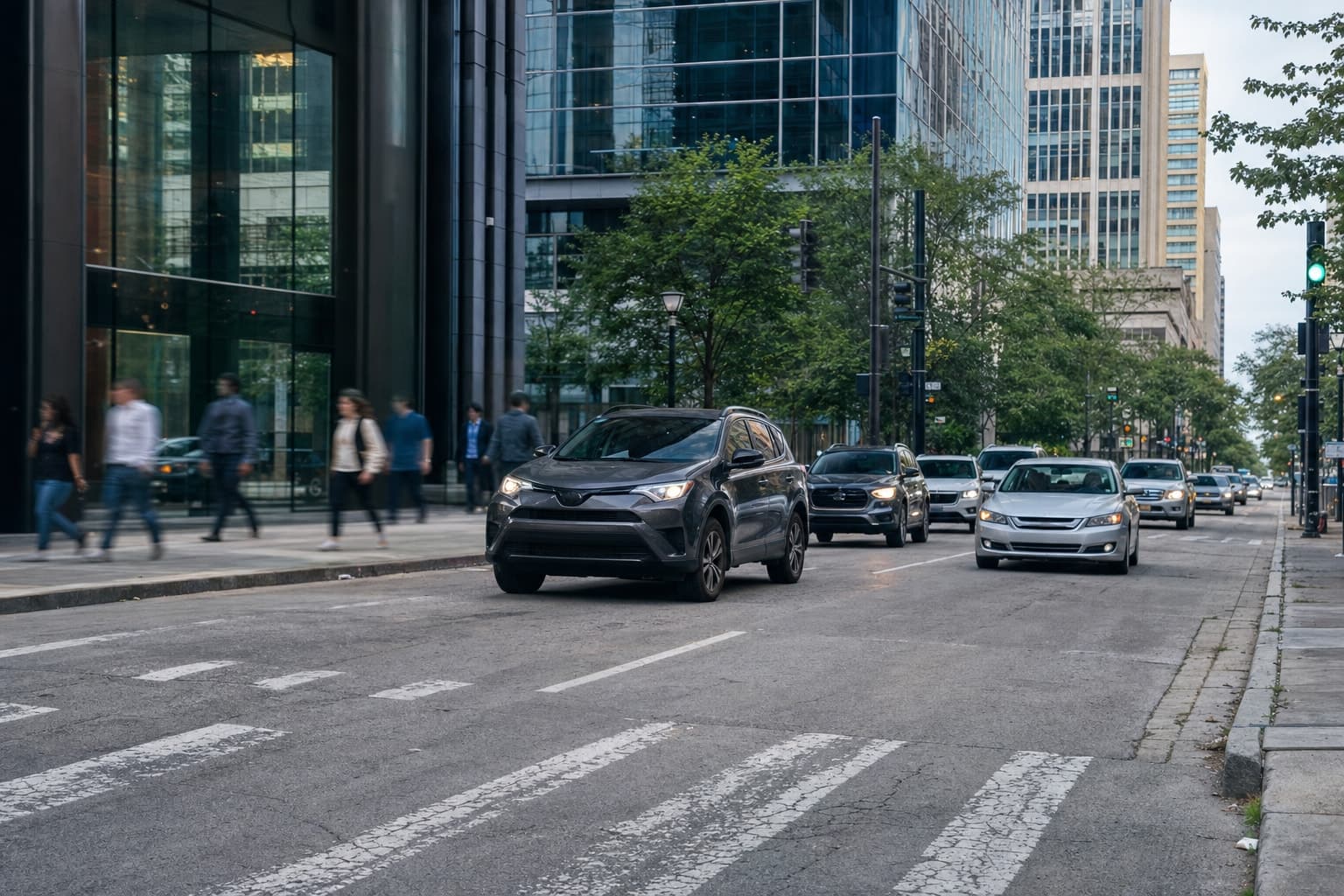
Newark driving mixes campus traffic, retail errands, and commuter routes across New Castle County. Your policy should reflect where you actually park and how often you make those trips. Whether your car sits for long stretches, carries a student driver, or commutes toward Wilmington, those details shape what you pay and what you get back at claim time. Dedible choices and rental reimbursement decisions often come down to cash-flow tolerance, not just the lowest premium on the screen. If a larger repair bill would strain your budget, compare quotes at more than one deductible level and with or without rental coverage so the tradeoff is clear.
Delaware has a moderate climate risk rating. Top hazards: Hurricane (High), Flooding (High), Coastal Erosion (Moderate), Severe Storm (Moderate). The state's expected annual loss from natural hazards is $180M, which influences car insurance premiums and may affect coverage availability in high-risk areas.
What Car Insurance Covers
Your policy typically starts with liability, which helps pay for injuries you cause to others in an auto accident. Delaware's commercial auto minimums are listed for businesses, but if you are insuring a personal vehicle, you should still review your limits against your own driving needs. Collision coverage helps repair or replace your own vehicle after a crash. That is especially relevant on Delaware roads, where running red lights or stop signs is the top crash cause and following too closely is also a leading factor. Comprehensive coverage is worth attention because the state faces high hurricane and flooding exposure, and recent years have brought major winter storms, flash flooding, and coastal storm surge declarations. Uninsured motorist coverage can help if the other driver lacks insurance, and medical payments coverage can help with injury-related costs after a collision. Rental reimbursement can also be useful if your car is being repaired after a covered claim.
Coverage Included

Liability
Can help pay for injuries and property damage you cause to others in an accident, coverage most states require drivers to carry.
Collision
Can help pay to repair or replace your car after a crash with another vehicle or object, regardless of fault.

Comprehensive
Typically covers damage to your car from events other than collisions, such as theft, hail, fire, flooding, or hitting an animal.

Uninsured Motorist
May pay for your injuries and, in some states, car damage when an at-fault driver has no insurance or too little.

Medical Payments
Can help cover medical bills for you and your passengers after an accident, no matter who was at fault.
Rental Reimbursement
May pay for a rental car while your vehicle is in the shop for repairs after a covered claim.
Car Insurance Cost in Newark
Average Cost in Delaware
$100 - $250
per month
In Delaware, car insurance premiums typically run $100 - $250 per month, which tends to run 3% above the national range of $110 - $230 per month.
- Driving record and age
- Vehicle make, model, and year
- Location and commute distance
- Credit-based insurance score
- Coverage limits and deductibles
Contact CPK Insurance for a personalized quote.
Prices shown are general estimates, not guaranteed rates or quotes. Your actual premium will depend on the insurer, coverage selected, personal details, location, claims history, and other underwriting factors. Learn about our pricing methodology.
Delaware car insurance cost is shaped by the state's premium index of 115, which means prices trend about 15% higher than the typical state, and the state-specific average premium range is $100 to $250 per month. That range can move up or down based on coverage limits, deductibles, claims history, location, vehicle type, annual mileage, and policy endorsements. Local conditions matter: Delaware has 28,900 businesses, 99.1% of them small businesses, which means a large share of residents commute to or operate small enterprises, often through higher-traffic corridors, which can influence risk. Severe weather also plays a role because hurricane, flooding, and storm exposure can affect comprehensive coverage pricing. The state's 1,600 active insurers create competition, which can work in your favor when comparing quotes, but not every carrier prices the same way for the same driver profile. Delaware's average claim cost is $14,984, which means a single accident can quickly exhaust minimum liability limits and leave you paying the difference out of pocket. A driver with a clean record and higher deductible may see a lower premium than someone with recent claims, lower deductibles, or more added protections like rental reimbursement coverage.
What Affects Car Insurance Rates in Newark
Newark buyers often focus on premium first, but the local cost conversation is really about how much loss you can comfortably retain. The city's median household income is $71,373, so a deductible that looks manageable during quoting can feel very different when you need body work, glass repair, or a rental car after a claim. That is why it helps to compare the same vehicle with multiple deductible options instead of reviewing only one price.
This is also a place where driving patterns vary more than many buyers expect. Some households have one car used lightly for short local trips, while others make frequent county commutes and park in denser apartment or mixed-use areas. Those differences can change how valuable collision, comprehensive, roadside assistance, and rental reimbursement feel in practice. Before you buy, ask for a quote built around your real parking situation, annual mileage, and who actually drives the vehicle each week.
What Makes Newark Different
The main difference here is turnover. Students, renters, and shared households mean address and vehicle changes happen on short notice, and your policy can drift out of sync with your real risk faster than it might in a more settled suburb. If your garaging address, primary driver, commute pattern, or household drivers changed recently, your quote may need a full rebuild rather than a simple renewal. New Castle County has 17,672 business establishments. In practical terms, that many workplaces concentrated in one county puts more cars on the same roads at the same hours, raising the odds of low-speed contact in parking lots and stop-and-go corridors. The leading sectors by establishment share are professional, scientific, and technical services at 15.3%, retail trade at 11.4%, and health care and social assistance at 11.2%. Your commute likely mixes office parks, shopping centers, and health care campuses, creating mileage and parking patterns a simple work-from-home or pleasure-use assumption will miss.
Our Recommendation for Newark
Garaging address, listed drivers, annual mileage, and vehicle use are the details that shift most in a place with frequent moves and shared living arrangements. During a claim review, the insurer may compare the policy application to how the car is actually kept and driven, so outdated details can slow or complicate a payout. If a student driver uses the car regularly, or a roommate drives it more than occasionally, ask whether they should be listed on the policy so there is no gap in coverage when it matters most.
If you rely on one vehicle for classes, work shifts, or county commuting, rental reimbursement and roadside assistance may be worth reviewing even if you declined them before. For an older car, run the numbers on collision and comprehensive rather than keeping them by habit, because the premium you pay may now exceed the check you would receive after a total loss. You should also check whether your liability limits still fit your assets and income, especially if replacing another person's vehicle or handling an injury claim would strain your budget. A fresh quote works best when you provide the current address, driver list, mileage estimate, and parking setup, since each of those details feeds directly into how the policy is priced and what it pays out.
Get Car Insurance in Newark
Enter your ZIP code to compare car insurance rates from carriers in Newark, DE.
Car insurance starting at $59/mo
FAQ
Frequently Asked Questions
You should usually update the policy right away after an address or parking change. Garaging location affects how the vehicle is rated, and a quote built for an old address may not match how the car is actually stored and used now.
Comparing deductibles side by side often pays off. The better choice is usually the option that balances monthly cost against what you could realistically pay out of pocket after a claim.
The county has 17,672 business establishments. That many workplaces concentrated in one county puts more cars on the same roads at the same hours, raising the odds of low-speed contact in parking lots and stop-and-go corridors.
The county's business mix can shape how you use your car. Professional, scientific, and technical services lead at 15.3%, with retail trade at 11.4% and health care and social assistance at 11.2%. Your commute likely mixes office parks, shopping centers, and health care campuses, creating mileage and parking patterns a simple work-from-home or pleasure-use assumption will miss.
Get a fresh quote after a move, a driver change, a vehicle replacement, or a major mileage shift. An old renewal can stop matching your real risk, deductible needs, and coverage priorities at those points.
In Delaware, liability helps with injuries you cause to others, collision helps repair your car after a crash, comprehensive helps with non-collision losses like storm-related damage, uninsured motorist coverage helps if the other driver lacks insurance, and medical payments coverage can help with injury-related costs.
Delaware insurance is regulated by the Delaware Department of Insurance, and the state lists commercial auto minimums at $25,000/$50,000/$10,000. For personal auto, Delaware requires minimum liability of $25,000 per person, $50,000 per accident, and $10,000 for property damage, plus personal injury protection of $15,000 per person. Personal auto shoppers should compare their own limits, because the right liability amount depends on their vehicle use and risk.
The typical range for the state is $100 to $250 per month, and the final price depends on your limits, deductible, claims history, location, vehicle, mileage, and endorsements.
Sources
- 1.U.S. Census Bureau, ACS 5-Year Estimates, table B19013(The city's median household income is $71,373, so a deductible that looks manageable during quoting can feel very different when you need body work, glass repair, or a rental car after a claim.)
- 2.U.S. Census Bureau, County Business Patterns, New Castle County(New Castle County has 17,672 business establishments, and its leading sectors by establishment share are professional, scientific, and technical services at 15.3%, retail trade at 11.4%, and health care and social assistance at 11.2%.)
Updated July 16, 2026