
Updated July 16, 2026

Homeowners Insurance in Newark
A Newark home purchase often means comparing very different property setups in the same search. You might be looking at a townhome near Main Street, a subdivision house off local commuter routes, or a place that may also hold higher-value electronics, bikes, or home office equipment. Your policy works best when you weigh the dwelling limit, personal property schedule, and loss-of-use terms against how you actually live in the home, not just the lender's minimum. The local housing profile matters here because the city's median home value is $357,600. If your dwelling cap has not kept up with current replacement costs, that gap falls on you after a loss. Newark's median household income is $71,373, and a deductible that looks cheap on paper becomes a real burden if it exceeds what you can comfortably pull from savings. Before you bind coverage, line up your rebuild estimate, ask how water backup or ordinance-related costs are handled, and decide whether your deductible still fits your emergency savings.
Delaware has a moderate climate risk rating. Top hazards: Hurricane (High), Flooding (High), Coastal Erosion (Moderate), Severe Storm (Moderate). The state's expected annual loss from natural hazards is $180M, which influences homeowners insurance premiums and may affect coverage availability in high-risk areas.
What Homeowners Insurance Covers
A standard Delaware homeowners policy is built around four core protections. Dwelling coverage can help pay to repair or rebuild the physical structure, while personal property coverage helps replace your belongings. Liability coverage can respond if someone is injured on your property, and additional living expenses coverage may help with temporary housing and related costs if a covered loss forces you out while repairs are completed. Other structures coverage can also matter for detached garages, sheds, or fences, and medical payments coverage may help with smaller injury claims on the property.
Delaware-specific exclusions and endorsements deserve close attention. Standard policies exclude flood damage, so homes in flood-prone areas near the coast or in low-lying neighborhoods may need separate flood coverage through the National Flood Insurance Program or a private insurer. Wind and hurricane deductibles may apply separately in coastal areas, so the amount you pay after a storm can differ from your standard deductible. Delaware carries a moderate overall risk rating with high hurricane and flooding exposure, which means the coverage limit you choose should match local reconstruction costs rather than your home's market value. Policy language and available endorsements can vary by carrier, but the core protections above are the foundation for most policies.
Coverage Included

Dwelling
Repairs or rebuilds your home itself, the walls, roof, floors, built-in appliances, and attached structures like a garage, after a covered loss. Set this limit to the full cost of rebuilding, not market value.
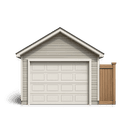
Other Structures
Detached structures on your property, such as a fence, shed, detached garage, or gazebo. Usually set at about 10 percent of your dwelling limit [2].

Personal Property
Your belongings, furniture, clothing, electronics, and appliances, generally written at 50 to 70 percent of your dwelling limit [2]. High-value items like jewelry and art carry special limits.

Additional Living Expenses
Also called loss of use. Pays your added living costs, hotel stays, meals, and a temporary rental, while a covered loss makes your home uninhabitable. Usually set at about 20 percent of your dwelling limit.

Liability
Covers you if someone is injured on your property, or you damage someone else's property, and you are found responsible. The standard $100,000 limit [2] is often raised to $300,000 or $500,000.

Medical Payments
Pays small medical bills, commonly $1,000 to $5,000, if a guest is hurt at your home regardless of fault, without a formal liability claim.
Homeowners Insurance Cost in Newark
Average Cost in Delaware
$80 - $220
per month
In Delaware, homeowners insurance premiums typically run $80 - $220 per month, which tends to run 17% below the national range of $110 - $250 per month.
- Home replacement cost, age, and construction type
- Roof age, material, and condition
- ZIP code and local weather risk (wind, hail, wildfire, hurricane)
- Coverage limits and endorsements
- All-peril and percentage wind/hail deductibles
- Claims history and insurance score where allowed
Typical range for many standard homeowners profiles; lower-risk homes fall below it and coastal, wildfire, or older-roof homes can run well above. Final pricing depends on property details, location, underwriting, and selected coverage.
Prices shown are general estimates, not guaranteed rates or quotes. Your actual premium will depend on the insurer, coverage selected, personal details, location, claims history, and other underwriting factors. Learn about our pricing methodology.
Homeowners insurance cost in Delaware is shaped by a mix of statewide pricing pressure and property-specific risk. Delaware's premium index is 115, which means pricing runs about 15 percent above the national average across the market. In practical terms, that means you should budget a bit more than you might expect in other states, and it makes comparing quotes even more worthwhile. Your individual quote depends on home characteristics, coverage choices, deductibles, and endorsements. Local construction costs and labor rates have a high impact on dwelling coverage, and proximity to fire stations and hydrants can also influence pricing.
Homes in coastal areas may face separate wind or hurricane deductibles, and flood exposure can affect how much additional protection you need beyond the base policy. Delaware's high hazard profile for hurricanes and flooding can make insurers more careful about risk selection. That translates into stricter underwriting for homes in affected zones, which means more questions and potentially higher premiums for properties in those areas. At the same time, the state has a broad field of active insurers competing for business, so you have room to compare quotes from multiple carriers.
What Makes Newark Different
In this area, replacement costs drive most of the buying decisions. The real question is not whether to carry a policy but whether your limits still match what you would actually have to replace after a serious loss. Underinsuring to hold the premium down can turn a manageable claim into a financial setback that follows you for years. Finished space, detached structures, and recent upgrades are easy to overlook on a quick online application. A practical review starts with the replacement estimate, then asks whether jewelry, electronics, bicycles, tools, or home office equipment need their own scheduling. If you have not revisited those details since purchase or your last renewal, this is the point to ask for a fresh quote built around the house as it stands now.
Our Recommendation for Newark
When closing is rushed, buyers tend to skip the details that matter most. Ask for a current replacement cost estimate rather than relying on the sale price alone, then compare that figure to the dwelling limit on the quote. If your budget is tight, use the deductible carefully instead of trimming core property limits too aggressively. The deductible should still be an amount you can absorb without derailing other obligations. Review personal property room by room, especially if you work from home, keep higher-value electronics, or have upgraded furnishings since your last policy review. It is also worth asking how the quote handles water backup, temporary living expenses, and ordinance-related rebuilding costs. Those details often decide whether a claim feels manageable or becomes a second crisis. Before renewal or closing, request side-by-side options so you can compare limits and endorsements, not just premium.
Get Homeowners Insurance in Newark
Enter your ZIP code to compare homeowners insurance rates from carriers in Newark, DE.
Home insurance starting at $50/mo
FAQ
Frequently Asked Questions
Newark buyers should start with a replacement cost estimate, then compare it to the dwelling limit on the quote. A quick placeholder limit can leave too little room for rebuilding assumptions, detached structures, or overlooked upgrades.
Newark households often need the deductible to fit real cash reserves, not just the lowest premium option. With median household income at $71,373, it is worth testing a few deductible scenarios and keeping one you could handle after a covered loss.
Newark homes often hold more than standard furniture and clothing, especially if you work remotely or keep higher-value electronics, bikes, tools, or jewelry. Review sublimits carefully and ask whether scheduled personal property makes more sense than relying on base policy caps.
New Castle County has 17,672 business establishments, with strong shares in professional services, retail, and health care. That employment mix points to more residents working hybrid schedules or storing work-related equipment at home, which makes personal property and liability limits worth a closer look.
In Delaware, a standard policy can help cover dwelling damage, personal property, liability claims, additional living expenses, and often other structures and medical payments. Flood damage is excluded and may require separate coverage through NFIP or a private insurer.
The broader market range runs from about $80 to $220 per month, depending on the home, location, deductibles, and endorsements. Your actual quote may fall outside that range based on your specific risk profile and coverage choices.
Mortgage lenders usually require an active homeowners policy before closing, even though the state does not legally require homeowners insurance for every owner. The lender may also set minimum dwelling coverage limits based on the loan amount.
It is not legally required, but many Delaware owners still buy it to protect the home from fire, wind, theft, liability claims, and temporary living expenses after a covered loss. Without it, you would pay those costs out of pocket.
Sources
- 1.U.S. Census Bureau, ACS 5-Year Estimates, table B25077(Newark's median home value is $357,600.)
- 2.U.S. Census Bureau, ACS 5-Year Estimates, table B19013(Newark's median household income is $71,373.)
- 3.U.S. Census Bureau, County Business Patterns, New Castle County(New Castle County has 17,672 business establishments, with leading sectors of professional, scientific, and technical services at 15.3%, retail trade at 11.4%, and health care and social assistance at 11.2%.)
Updated July 16, 2026