
Updated July 5, 2026

Homeowners Insurance in Wilmington
A summer thunderstorm drops heavy rain, water backs up at the basement entry, and you are suddenly sorting damaged flooring, furniture, and a claim decision before the next workweek starts. That is the kind of local loss scenario homeowners insurance in Wilmington needs to be reviewed against, especially in older housing stock where drainage, masonry, and roof condition can vary block by block. The city’s median home value is $224,500, so even a modest house can represent a large asset that deserves current dwelling limits, not the number you started with years ago. Local buyers also have to balance protection against budget reality. A deductible, water backup option, and personal property limit should be chosen deliberately so the policy is still usable when something actually happens. Before you renew or buy, compare your Coverage A limit to current rebuild expectations, ask how water-related losses are handled, and make sure your insurer has the right updates on roof age, wiring, and any finished lower-level space.
Delaware has a moderate climate risk rating. Top hazards: Hurricane (High), Flooding (High), Coastal Erosion (Moderate), Severe Storm (Moderate). The state's expected annual loss from natural hazards is $180M, which influences homeowners insurance premiums and may affect coverage availability in high-risk areas.
What Homeowners Insurance Covers
A standard Delaware homeowners policy is built around four core protections. Dwelling coverage can help pay to repair or rebuild the physical structure, while personal property coverage helps replace your belongings. Liability coverage can respond if someone is injured on your property, and additional living expenses coverage may help with temporary housing and related costs if a covered loss forces you out while repairs are completed. Other structures coverage can also matter for detached garages, sheds, or fences, and medical payments coverage may help with smaller injury claims on the property.
Delaware-specific exclusions and endorsements deserve close attention. Standard policies exclude flood damage, so homes in flood-prone areas near the coast or in low-lying neighborhoods may need separate flood coverage through the National Flood Insurance Program or a private insurer. Wind and hurricane deductibles may apply separately in coastal areas, so the amount you pay after a storm can differ from your standard deductible. Delaware carries a moderate overall risk rating with high hurricane and flooding exposure, which means the coverage limit you choose should match local reconstruction costs rather than your home's market value. Policy language and available endorsements can vary by carrier, but the core protections above are the foundation for most policies.
Coverage Included

Dwelling
Repairs or rebuilds your home itself, the walls, roof, floors, built-in appliances, and attached structures like a garage, after a covered loss. Set this limit to the full cost of rebuilding, not market value.
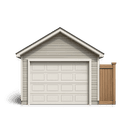
Other Structures
Detached structures on your property, such as a fence, shed, detached garage, or gazebo. Usually set at about 10 percent of your dwelling limit [2].

Personal Property
Your belongings, furniture, clothing, electronics, and appliances, generally written at 50 to 70 percent of your dwelling limit [2]. High-value items like jewelry and art carry special limits.

Additional Living Expenses
Also called loss of use. Pays your added living costs, hotel stays, meals, and a temporary rental, while a covered loss makes your home uninhabitable. Usually set at about 20 percent of your dwelling limit.

Liability
Covers you if someone is injured on your property, or you damage someone else's property, and you are found responsible. The standard $100,000 limit [2] is often raised to $300,000 or $500,000.

Medical Payments
Pays small medical bills, commonly $1,000 to $5,000, if a guest is hurt at your home regardless of fault, without a formal liability claim.
Homeowners Insurance Cost in Wilmington
Average Cost in Delaware
$80 - $220
per month
In Delaware, homeowners insurance premiums typically run $80 - $220 per month, which tends to run 17% below the national range of $110 - $250 per month.
- Home replacement cost, age, and construction type
- Roof age, material, and condition
- ZIP code and local weather risk (wind, hail, wildfire, hurricane)
- Coverage limits and endorsements
- All-peril and percentage wind/hail deductibles
- Claims history and insurance score where allowed
Typical range for many standard homeowners profiles; lower-risk homes fall below it and coastal, wildfire, or older-roof homes can run well above. Final pricing depends on property details, location, underwriting, and selected coverage.
Prices shown are general estimates, not guaranteed rates or quotes. Your actual premium will depend on the insurer, coverage selected, personal details, location, claims history, and other underwriting factors. Learn about our pricing methodology.
Homeowners insurance cost in Delaware is shaped by a mix of statewide pricing pressure and property-specific risk. Delaware's premium index is 115, which means pricing runs about 15 percent above the national average across the market. In practical terms, that means you should budget a bit more than you might expect in other states, and it makes comparing quotes even more worthwhile. Your individual quote depends on home characteristics, coverage choices, deductibles, and endorsements. Local construction costs and labor rates have a high impact on dwelling coverage, and proximity to fire stations and hydrants can also influence pricing.
Homes in coastal areas may face separate wind or hurricane deductibles, and flood exposure can affect how much additional protection you need beyond the base policy. Delaware's high hazard profile for hurricanes and flooding can make insurers more careful about risk selection. That translates into stricter underwriting for homes in affected zones, which means more questions and potentially higher premiums for properties in those areas. At the same time, the state has a broad field of active insurers competing for business, so you have room to compare quotes from multiple carriers.
What Affects Homeowners Insurance Rates in Wilmington
Wilmington households report median income of $55,269, so the buying decision is often less about adding every available option and more about choosing the protections you are most likely to use without creating a deductible problem at claim time. Local home values are a reminder that even homes with moderate market value can carry meaningful rebuilding exposure if materials, labor, or code-related repairs run higher than expected. For that reason, a quote review should focus on the tradeoffs that actually move your out-of-pocket risk: deductible level, ordinance or law coverage, water-related endorsements, scheduled valuables, and liability limits. If you are trying to keep the premium workable, it is usually smarter to trim optional extras you do not need than to leave a major gap around water, roof settlement terms, or loss of use.
What Makes Wilmington Different
Water is what changes the calculus most in Wilmington. The state page already covers Delaware’s broader weather and market picture, but the city decision is more property-specific: attached or closely spaced homes, older construction details, and lower-level living or storage can turn a routine storm into a more complicated claim. That means your policy review should spend less time on generic package comparisons and more time on how damage would actually enter and spread through your house. Underinsuring the dwelling to save a little premium can leave you exposed if repairs involve structural drying, interior finishes, and code-triggered updates. A useful quote here is one that tests the weak points of the property, roof age, drainage, basement use, and any prior water history, then shows how the policy responds. That is the local difference worth underwriting carefully before the next renewal notice arrives.
Our Recommendation for Wilmington
Start with the house, not the declarations page. Ask your agent to verify the dwelling limit against current rebuild assumptions, then review whether finished basements, detached structures, and higher-value items are described accurately. If you have ever had seepage, backup, or roof leaks, bring that up early so you can see how the carrier is treating prior loss history and water-related options. Keep the deductible at a level you can realistically absorb from savings, because a lower premium does not help much if you delay a claim for cash-flow reasons. If your home has older electrical, plumbing, or roofing components, confirm that updates are documented correctly. You should also ask one direct question before binding: which common local water scenarios are covered, which are excluded, and which require an endorsement. That answer usually tells you more than a long feature list.
Get Homeowners Insurance in Wilmington
Enter your ZIP code to compare homeowners insurance rates from carriers in Wilmington, DE.
Home insurance starting at $50/mo
FAQ
Frequently Asked Questions
Wilmington buyers should start with roof age, plumbing, wiring, and any basement or lower-level use. Older homes can produce claims that hinge on maintenance history and water entry points, so ask for a coverage review tied to the property’s actual condition.
Wilmington buyers should treat local home values as a prompt to review dwelling limits carefully. Use market value as context, not as a substitute for a rebuild estimate based on your home’s size, materials, and updates.
Wilmington households report median income of $55,269, so deductible choice matters. Keep the policy usable by balancing premium against the amount you could actually pay after a loss, then prioritize endorsements tied to your property’s real exposures.
New Castle County has 17,672 business establishments, so many homeowners live near active commercial corridors, service businesses, and commuting patterns that can affect property use and valuables kept at home. Mention any home office, equipment, or client traffic during quoting.
Wilmington homeowners can turn to the Delaware Department of Insurance for consumer guidance on policy and complaint questions. That is most useful after you have identified the exact coverage issue, such as water exclusions, deductibles, or claim handling.
In Delaware, a standard policy can help cover dwelling damage, personal property, liability claims, additional living expenses, and often other structures and medical payments. Flood damage is excluded and may require separate coverage through NFIP or a private insurer.
The broader market range runs from about $80 to $220 per month, depending on the home, location, deductibles, and endorsements. Your actual quote may fall outside that range based on your specific risk profile and coverage choices.
Mortgage lenders usually require an active homeowners policy before closing, even though the state does not legally require homeowners insurance for every owner. The lender may also set minimum dwelling coverage limits based on the loan amount.
Sources
- 1.U.S. Census Bureau, ACS 5-Year Estimates, table B25077(The city’s median home value is $224,500, so even a modest house can represent a large asset that deserves current dwelling limits, not the number you started with years ago.)
- 2.U.S. Census Bureau, ACS 5-Year Estimates, table B19013(Wilmington households report median income of $55,269, so the buying decision is often less about adding every available option and more about choosing the protections you are most likely to use without creating a deductible problem at claim time.)
- 3.U.S. Census Bureau, County Business Patterns, New Castle County(New Castle County has 17,672 business establishments, so many homeowners live near active commercial corridors, service businesses, and commuting patterns that can affect property use and valuables kept at home.)
- 4.Delaware Department of Insurance(Wilmington homeowners can turn to the Delaware Department of Insurance for consumer guidance on policy and complaint questions.)
Updated July 5, 2026