


































Updated July 10, 2026

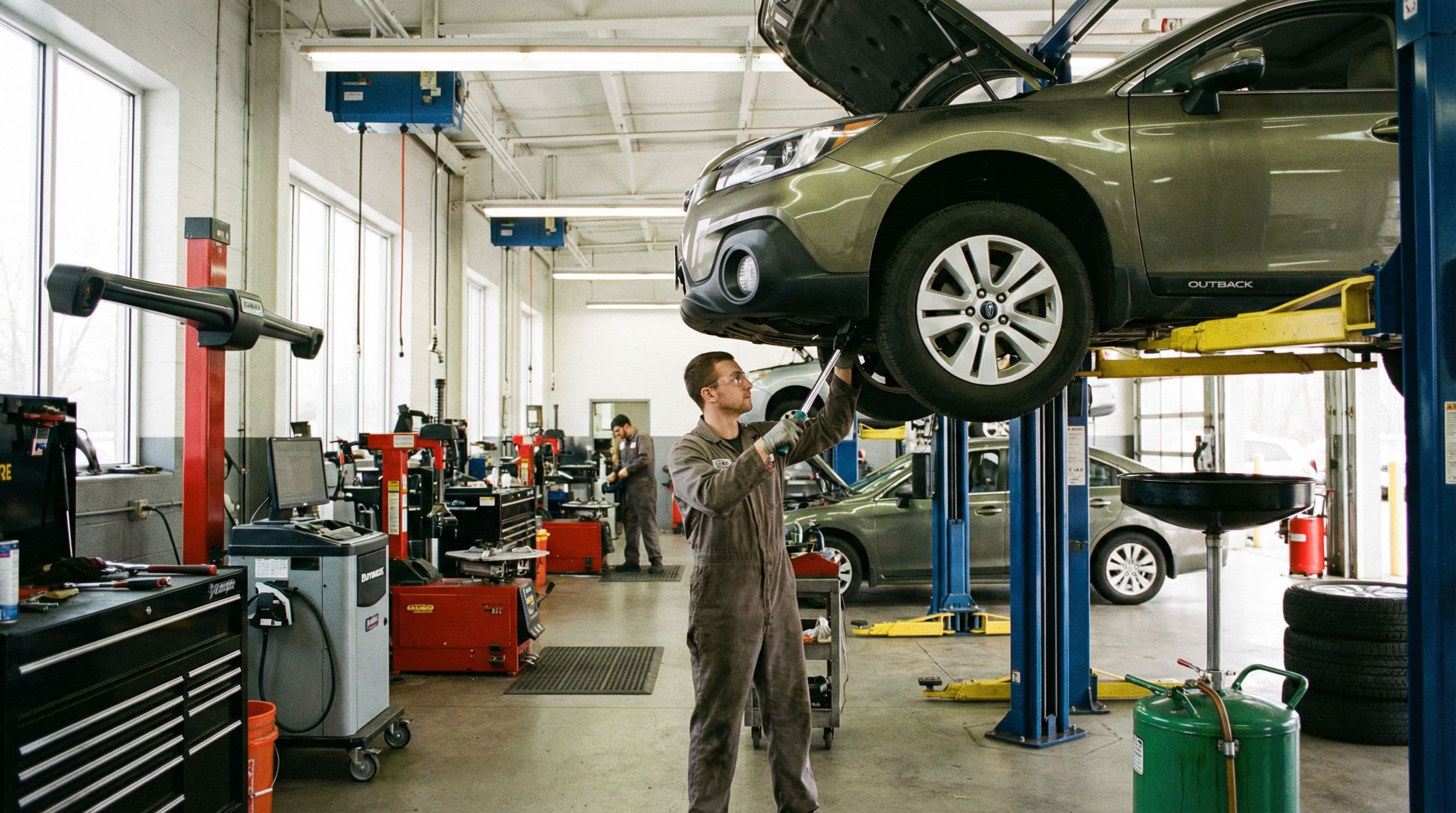
Automotive work in the District of Columbia means customer vehicles on your lifts, your lot, and your test drives, and each carries its own liability. The District of Columbia adds a legal floor here, because workers compensation is required from the first employee [1]. Flood exposure in the District of Columbia matters here because standard property coverage typically excludes rising water. Below, the factors that move automotive pricing in the District of Columbia are broken out one by one.
Recommended Coverage for Automotive in District of Columbia
Automotive businesses face unique risks that require specific coverage types. Here are the policies most automotive operations need:

General Liability
Essential coverage for every business, protect against third-party bodily injury, property damage, and advertising claims.

Commercial Auto
Protect your business vehicles and drivers with comprehensive commercial auto coverage.

Commercial Property
Safeguard your business property, equipment, and inventory against damage and loss.

Workers Compensation
Help cover your employees' medical expenses and lost wages for work-related injuries and illnesses.
Garage Keepers
Protect customers' vehicles while they're in your care, custody, or control.

Commercial Umbrella
Extend your liability limits beyond your primary policies for extra protection against catastrophic claims.
Automotive Insurance Overview in District of Columbia
Running an automotive business in the District of Columbia means dealing with dense traffic, tight parking, and constant customer turnover. Your insurance should match how you handle customer vehicles, service bays, and waiting areas. You are looking at a coverage mix that typically includes garage liability, garage keepers, commercial auto, and commercial property, all shaped by specific DC requirements. The Department of Insurance, Securities and Banking oversees the market, and commercial auto minimums apply. Employers with at least one employee generally need workers compensation insurance. Flood risk runs high in the district, and combined with urban traffic and expensive shop equipment, it means your policy choices deserve real attention.
Why Automotive Businesses Need Insurance in District of Columbia
A customer vehicle left for service, a test drive through Washington traffic, or a slip and fall in your service area can lead to third-party claims and legal costs. If your operation stores, parks, or repairs customer vehicles, garage keepers insurance may be an important part of the plan because vehicle damage while in your care is a core risk for dealerships, body shops, and repair facilities. Commercial auto minimums in DC are $25,000/$50,000/$10,000, so businesses using any service vehicles should verify that their policy aligns with how those vehicles are actually used. That is especially important in a dense city where vehicle movement and curbside operations increase the likelihood of incidents. Hurricane, winter storm, and extreme heat risks are also present alongside the flood threat, and those conditions can affect buildings, equipment, and business interruption. For shops with significant equipment investments, your coverage limits should reflect replacement cost, not guesswork. Proper limits can help manage catastrophic claims without leaving gaps in day-to-day operations.
District of Columbia requires workers' comp for businesses with employees (exemptions may apply: Sole proprietors). Non-compliance can result in fines and personal liability for owners. Commercial auto minimums are $25,000/$50,000/$10,000.
Key Risks for Automotive Businesses
Each of these risks can lead to claims that cost thousands, or more. Make sure your policy addresses every one:
- Vehicle damage while in your care
- Customer injury on premises
- Environmental contamination
- Employee workplace injuries
- Property and equipment damage
Cost Factors for Automotive Businesses in District of Columbia
Automotive insurance cost in DC varies based on your operation type, number of locations, annual revenue, payroll, vehicle count, and the value of customer vehicles handled on-site. A dealership in Washington may need a different structure than a body shop or car wash because the mix of vehicle-in-care exposure, equipment, and customer traffic is not the same. Businesses using lifts, towing equipment, or service fleets often need to account for more moving parts in their insurance planning. DC has a premium index of 142, which means a shop paying $1,400 a month in a typical market might budget closer to $1,990 here. Another factor is that 6% of business establishments here fall into this category, so underwriters see a steady volume of similar applications and may scrutinize details more closely. Traffic patterns, customer access areas, and climate risks like flooding add to underwriting considerations. Carriers may ask about your garage operations, property, vehicles, and staffing needs. The general liability that most automotive businesses treat as their base policy averages about $100 to $390 per month in DC, meaning a baseline policy can take a meaningful bite out of monthly cash flow before you add specialized coverage. Where you land in that range depends heavily on payroll, revenue, and the specific exposures your shop presents to a carrier.
Automotive businesses typically carry several separately priced policies. The ranges below are typical figures for District of Columbia for each line, except workers compensation, which is rated per $100 of payroll; a quote prices each one against your own operations.
| Coverage | Typical range | What moves your price |
|---|---|---|
| General Liability Insurance | $100 - $390 per month | Industry and risk classification, annual revenue, number of employees |
| Commercial Auto Insurance | $250 - $1,000 per month | Fleet size and vehicle types, driver records and experience, coverage limits and deductibles |
| Commercial Property Insurance | $180 - $775 per month | Building value and construction type, roof age and condition, fire protection class |
| Workers Compensation Insurance | $0.75 - $2.74 per $100 of payroll | Employee classification codes, total annual payroll, experience modification rate |
| Garage Keepers Insurance | Varies | Quoted individually based on your operations and limits |
| Commercial Umbrella Insurance | $80 - $300 per month | Umbrella limit requested, limits carried on the underlying policies, loss history on those underlying policies |
Prices shown are general estimates, not guaranteed rates or quotes. Your actual premium will depend on the insurer, coverage selected, business details, location, claims history, and other underwriting factors. Learn about our pricing methodology.
State Requirements
Insurance Regulations in District of Columbia
Key regulatory requirements for businesses operating in DC.
Regulatory Authority
Workers' Compensation InsuranceRequired
Required for employers with 1+ employee.
Exempt categories
- Sole proprietors
Commercial Auto Minimum Liability
$25,000/$50,000/$10,000 (bodily injury per person / per accident / property damage)
Source: District of Columbia Department of Insurance, U.S. Department of Labor
What Drives Automotive Insurance Costs in District of Columbia
Vehicles in your care
Garagekeepers coverage is the automotive-specific line: it can help cover customer vehicles on the lot, on lifts, and on test drives.
The shop floor
Shop equipment concentrates value and injury risk in the same bays. Workers compensation insurance typically covers the crew, and property terms should match the equipment actually installed.
Flood coverage
Separate flood coverage is priced on flood zone and what sits at ground level, and policies through the National Flood Insurance Program carry their own limits and waiting periods. FEMA counts 24 federal disaster declarations for the District of Columbia [2].
What payroll does to a quote
Payroll is the base on which workers compensation premiums are computed, class code by class code. Overtime and seasonal swings flow into that base too, so quotes tend to follow the staffing calendar.
Climate Risk Profile
Natural Disaster Risk in District of Columbia
Understanding climate-related risks helps determine appropriate insurance coverage levels.
Flooding
High
Hurricane
Moderate
Extreme Heat
Moderate
Winter Storm
Moderate
Expected Annual Loss from Natural Hazards
$95M
estimated economic loss per year across District of Columbia
Source: FEMA National Risk Index
Insurance Tips for Automotive Business Owners in District of Columbia
Confirm whether garage keepers insurance fits how your shop handles customer vehicles, and ask whether collision, comprehensive, or both are included for vehicle damage while in your care.
Match your commercial auto coverage to real vehicle use, since how you operate on Washington streets affects your exposure.
Review garage liability limits for customer injury on premises, especially if your location has customer-accessible work zones.
Make sure your commercial property coverage reflects the replacement cost of your specialty equipment.
Check that workers compensation is in place if you have at least one employee, since DC requires it for employers and the exemption listed is for sole proprietors only.
Ask how flood exposure may affect your building, equipment, and business interruption planning, since flooding is a high hazard in the district.
If your operation uses multiple vehicles or locations, compare coverage limits and policy structure so vehicle-in-care, property, and fleet coverage align with each site's actual exposure.
Prepare quote details about your specific business type so the policy reflects your customer traffic, parking layout, and equipment profile.
Get Automotive Insurance in District of Columbia
Enter your ZIP code to compare automotive insurance rates from top carriers.
Business insurance starting at $25/mo
Automotive Business Types in District of Columbia
Find insurance tailored to your specific automotive business. Select your business type for coverage recommendations, pricing, and quotes:

Auto Mechanic Insurance
Get coverage built for auto repair shops, from garage liability insurance to garage keepers coverage and commercial property insurance for auto shops. Request an auto mechanic insurance quote tailored to your bays, vehicles, tools, and location.

Towing Company Insurance
Protect tow trucks, customer vehicles, and roadside jobs with coverage built for towing operations. Request a towing company insurance quote tailored to your work, routes, and fleet size.

Auto Dealership Insurance
Get an auto dealership insurance quote built around lot liability, inventory, test drives, and property exposure. Coverage can be tailored for franchise stores, used car lots, and mixed operations.

Auto Tire Shop Insurance
Get an auto tire shop insurance quote built for tire installation, balancing, repair, and customer vehicle exposure. Coverage can be tailored for garagekeepers liability, property, and employee injury needs.

Auto Body Shop Insurance
Get an auto body shop insurance quote built around customer vehicles, paint booth exposure, shop property, and employee-related risks. Coverage options can be tailored for multi-bay shops, independent body shops, and collision repair shops that store vehicles on-site.

Auto Parts Store Insurance
Get an auto parts store insurance quote built around your counter sales, inventory storage, and store property. Coverage options can be tailored to your location, operations, and risk profile.

Car Wash Insurance
Get a car wash insurance quote tailored to your operation, from automated bays to self-service and full-service locations. Compare liability, property, and bundled coverage options.

Oil Change Station Insurance
Get an oil change station insurance quote built for quick-lube operations, customer vehicles, hazardous fluids, and shop property. Compare coverage options for one location or multiple bays.
Automotive Insurance by City in District of Columbia
Insurance rates and requirements can vary by city. Find automotive insurance information for your area in District of Columbia:
FAQ
Automotive Insurance FAQ in District of Columbia
Coverage can include liability for customer injury, garage keepers protection for vehicles in your care, commercial auto for business vehicles, and commercial property for shop equipment. What is actually included depends on the terms you select.
If you regularly store, park, or repair customer vehicles, garage keepers insurance is worth reviewing. It is designed around vehicle damage while those vehicles are in your care.
Commercial auto minimums are $25,000/$50,000/$10,000, and employers with at least one employee generally need workers compensation insurance. Your operation and contractual requirements shape the rest.
Your business type, number of locations, revenue, payroll, vehicles used, and the value of customer vehicles and equipment on-site all feed into pricing. Claims history and safety practices can also affect the quote.
Many automotive businesses use a package that brings general liability, commercial property, commercial auto, garage keepers, and workers compensation under one structure. What makes sense depends on your location and operations.
Dealerships should review commercial auto insurance for test-drive exposure and any fleet vehicles. Match the policy to how the vehicles are actually used.
Flooding is a high hazard in DC, with hurricane, winter storm, and extreme heat also listed in the state risk profile. Those risks can affect buildings, equipment, and business interruption planning.
Have your business type, location, number of vehicles, equipment list, employee count, and details about customer vehicle handling ready. Request a quote today.
Sources
- 1.DC Department of Insurance, Securities and Banking(The District of Columbia requires workers compensation coverage from the first employee.)
- 2.FEMA Disaster Declarations(The District of Columbia has 24 federal disaster declarations on record.)