Updated July 16, 2026

Key Takeaways
- Review your construction contract before requesting a quote, so the named insureds and insurance responsibility match the job documents.
- Prepare the project budget, timeline, address, and scope summary before applying, so the quote reflects the work actually being built.
- Check whether the policy addresses on-site materials, transit, temporary structures, and soft costs before the first delivery arrives.
- Compare the policy term against your realistic completion schedule, then ask about extension options before the original term gets close to expiring.
- Map builders risk against your liability, installation, and equipment policies, so you avoid both coverage gaps and overlapping property insurance.
Builders Risk Insurance in District of Columbia
Whether you are renovating a rowhouse on Capitol Hill or breaking ground on a mixed-use project near a busy commercial corridor, your insurance decisions depend on the job itself. One might need a policy shaped around renovation exposure, existing structure concerns, and tight site access, while the other might need broader coordination around lenders, general contractors, and staged material deliveries. Builders risk insurance in the District of Columbia works best when the quote follows the job, the contract, and the site conditions instead of a generic template. Projects here often sit close to neighboring buildings, public sidewalks, and active traffic patterns, so small differences in scope can change how you review soft costs, temporary works, security expectations, and who should be named on the policy. Line up your construction agreement, project schedule, statement of values, and any lender insurance requirements early. That gives you a cleaner submission and helps you catch gaps before work, materials, or financing milestones move ahead.
What Builders Risk Insurance Covers
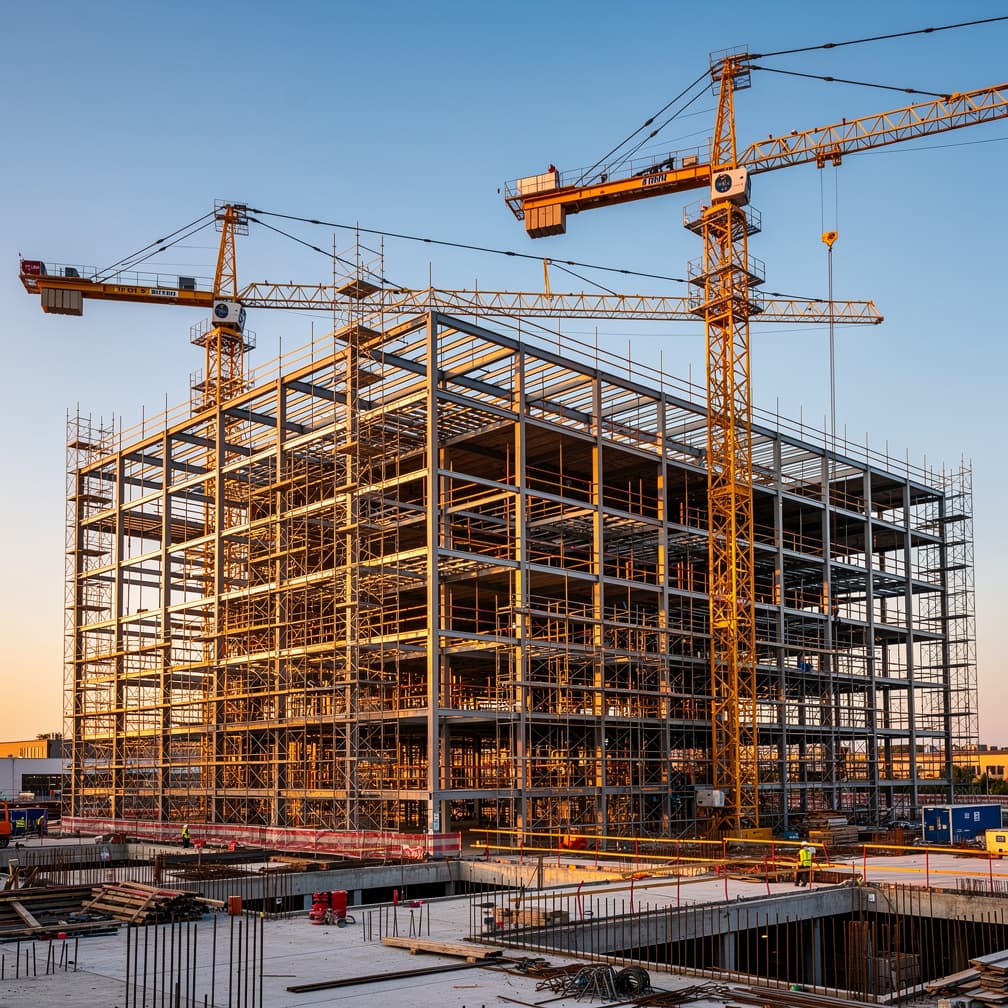
The most important coverage review usually starts with how the project interacts with the surrounding property, not with a generic list of covered items. A renovation in a dense block can raise different questions than a new build on a more controlled site. You may need to review whether the policy is written only for new work, how materials are treated before installation, and whether temporary structures, scaffolding, fencing, or stored property need to be scheduled or addressed by endorsement.
For District projects, it is also worth checking how the policy handles property in transit, off-site storage, and partial occupancy if a project will turn over in phases. Those details matter when deliveries are staged because of limited laydown space or when a building remains partly in use during improvements. If your contract pushes responsibility for certain materials to the owner, contractor, or subcontractor at different points, the insurance should match that transfer of risk.
Soft cost review can be especially important on projects with financing deadlines, permit dependencies, or lease-up timing. Soft costs are the ongoing financial burdens you pay even when your project is delayed, such as lost rental income, additional loan interest, real estate taxes, and other carrying expenses that continue if a delay pushes back completion. Instead of assuming those expenses are automatically included, ask which delay-related costs can be considered and what documentation the insurer wants. If your lender, owner, or development partner expects specific wording, confirm that before binding. If something in the quote or policy language is unclear, check the applicable consumer and licensing resources before you sign off on terms that will govern the project for the full build period.

Structure Coverage
Covers the building or structure under construction.

Materials on Site
Covers building materials stored at the construction site.

Materials in Transit
Covers materials being transported to the job site.
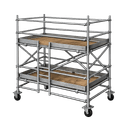
Temporary Structures
Covers scaffolding, fencing, and temporary buildings.

Soft Costs
Covers additional expenses from construction delays due to covered losses.

Equipment Coverage
Covers permanently installed fixtures and equipment.
Builders Risk Insurance Requirements in District of Columbia
- Projects here often operate close to sidewalks, neighboring buildings, and active streets, so review how the policy addresses materials, temporary works, and loss response in constrained urban conditions.
- On a renovation, confirm whether the policy is intended for new work only or whether existing structure issues need separate treatment elsewhere in the insurance program.
- If your job will turn over in phases or remain partly occupied during construction, ask how partial occupancy and phased completion affect covered property and reporting obligations.
- Where sites rely on off-site storage or tightly timed deliveries, review transit and storage treatment early so responsibility does not shift unexpectedly between contract parties.
How Much Does Builders Risk Insurance Cost in District of Columbia?
In the District, builders risk pricing is usually driven by the project file you hand the underwriter. If your values are incomplete, your schedule is vague, or the contract leaves insurance responsibility open to interpretation, the quote often gets slower, less predictable, and more expensive because the carrier cannot confidently assess the risk.
For a renovation, cost pressure often comes from the details around the existing building, neighboring structures, and the sequence of work. A carrier may look closely at whether the site stays occupied, how materials move through constrained access points, and whether water intrusion, theft, or weather-related damage could spread beyond the immediate work area. For a ground-up project, the focus may shift toward total completed value, construction type, project duration, security, and whether the site will have phased turnover or changing subcontractor activity.
You can usually improve quote quality by presenting a statement of values that matches the contract, a realistic start and completion timeline, and a clear explanation of what is and is not included in the insured amount. If soft costs, delay exposure, or temporary works matter, identify them early instead of trying to add them after terms come back. District buyers should also expect underwriting questions about site protection and loss control. If you can explain fencing, lighting, water shutoff procedures, material storage, and who monitors the site after hours, you give the underwriter a more defensible picture of the risk. That often leads to a quote you can actually compare, rather than a policy that looks inexpensive until exclusions and conditions start limiting how it responds.
Request a Quote Comparison
Enter your ZIP code to compare builders risk insurance rates from top carriers.
Business insurance starting at $25/mo
Who Needs Builders Risk Insurance?
The right question is not simply who can buy builders risk, but who carries enough financial exposure on the project to justify controlling the policy terms. An owner renovating a residential property may want the policy because the project value sits directly on their balance sheet. A developer with lender oversight may need to control the form because financing documents require specific insured parties, valuation methods, or evidence of coverage before draws continue.
General contractors also need to review builders risk responsibility carefully. Some contracts place the purchase obligation on the owner, while others push parts of the exposure back to the contractor through assumptions about stored materials, temporary works, or site security. If you are the contractor, do not assume the owner's policy automatically protects your interest in materials you have not yet installed. Ask for the actual insurance requirements and compare them against the draft policy.
Subcontractors usually do not buy the main policy for the whole job, but they still need to know whether their materials, fabricated components, or installation responsibilities create uninsured gaps. That is especially important on projects where deliveries may be timed tightly and stored off-site or in limited secured areas before installation. Lenders, property managers, and development partners may not be the named buyer, but they often shape the coverage requirements. If your project has multiple stakeholders, decide early who will procure the policy, who must be named, and who is responsible for reporting change orders, delays, or scope changes during construction. That avoids a common problem where the job evolves but the insurance file never catches up.
Builders Risk Insurance by City in District of Columbia
Builders Risk Insurance rates and coverage options can vary across District of Columbia. Select your city below for localized information:
How to Buy Builders Risk Insurance
Gather the construction contract, lender requirements, project budget, schedule, site address, scope narrative, and statement of values into one file before you approach the market. If those documents conflict, resolve the discrepancies first, because a carrier will notice the mismatch and it can delay binding or produce terms that do not fit the actual job.
Next, identify the project structure in practical terms. A tenant improvement, a historic renovation, an addition, a full gut rehab, and a ground-up build each raise different underwriting questions. Note whether the building will remain occupied, whether materials will be stored off-site or delivered just in time, and whether the owner wants soft costs reviewed. Those answers shape the submission and help the agent ask for the right endorsements instead of defaulting to a stripped-down form.
You should also map the parties that need to appear in the policy package. That can include the owner, developer, lender, general contractor, and others with a defined insurable interest. The contract should drive that list, but you still need to verify names, roles, and any evidence of insurance wording before binding. Before you finalize the purchase, read the valuation basis, covered property description, exclusions, and reporting obligations. Then ask how change orders, delays, and project extensions are handled. District jobs can shift quickly because of permitting, access, or sequencing issues, so you want a process for updating the policy before a change becomes a claim dispute. Once the terms match the contract and the project file is complete enough to support a clean underwriting decision, request a quote through CPK Insurance to compare your options with participating licensed providers.
How to Save on Builders Risk Insurance
Underwriters price uncertainty, so vague budgets, unclear scopes, and missing site details can work against you. Start by tightening the statement of values, separating what belongs in the insured amount from what does not, and making sure the contract, budget, and schedule tell the same story.
You can also save by reducing avoidable loss triggers. If your site has limited access, explain how deliveries are scheduled and secured. If materials are stored before installation, document where and under whose control. If the building stays partly occupied during renovation, show how the work area is separated and how water, fire, and theft controls are managed. Concrete loss control details give the underwriter confidence that the risk is actively managed.
Another way to avoid unnecessary cost is to request only the extensions and endorsements the project actually needs. Soft costs, transit exposure, temporary works, and special form wording can be valuable, but they should be tied to a real contractual or financial exposure. Buying every available add-on without checking the project file can raise cost without improving the parts of the risk that matter most. Finally, review the policy before major changes hit the job. If the project timeline extends, values increase, or the scope shifts from light renovation to deeper structural work, update the insurer promptly. Waiting until renewal or project closeout can leave you paying for a policy built around an outdated version of the job.
Our Recommendation for District of Columbia
For District projects, start your builders risk review with the site logistics and the contract language, then work outward. Dense urban construction changes how losses happen. Materials may arrive in smaller batches, neighboring property sits close to the work, and access constraints can complicate security, water control, and cleanup after a loss. Those are not side issues. They often determine whether the policy structure fits the job.
If you are renovating, ask specifically how the policy treats existing structure, partial occupancy, and phased work. If you are building from the ground up, focus on completed value accuracy, named insured alignment, and how change orders will be reported. In both cases, confirm whether soft costs need to be reviewed before financing or leasing milestones make delays more expensive.
It is also worth comparing the insurance requirements in the owner contract, lender documents, and prime construction agreement early in the process. District projects often involve several decision makers, and each one may assume someone else handled the insurance details. A short document review now can prevent a long coverage dispute later. Before binding, ask for a plain-language explanation of what property is covered, where it is covered, and what events require immediate notice.
FAQ
Frequently Asked Questions
Projects are often insured by the party the contract assigns, usually the owner or developer, but sometimes another stakeholder controls the purchase. Review the contract first, then confirm any policy questions through the applicable consumer and licensing resources.
Rowhouse renovations are worth reviewing carefully because renovation work, neighboring property, and partial occupancy can change the exposure. Ask whether the policy is intended for new work only and whether existing structure concerns need separate handling.
Lenders often shape who buys the policy, who must be named, and what evidence of coverage is needed before funds move. Match the lender documents to the construction contract before you request final terms.
Projects sometimes rely on off-site storage because site space is limited, but whether your policy can help cover stored materials depends on the specific terms and endorsements. Ask specifically how stored materials and transit are handled before deliveries begin.
Buyers should gather the contract, project budget, schedule, site details, statement of values, and lender requirements first. A complete submission gives the underwriter a clearer picture of the job and makes quotes easier to compare.
Projects may need soft cost review if financing, leasing, or permit timing creates delay exposure, but those items should never be assumed. Ask which delay-related expenses can be considered and what documentation the insurer requires.
Consumers can check policy, producer, and complaint resources through the DC Department of Insurance, Securities and Banking. That is the right place to verify licensing or raise concerns if quote terms or policy language seem unclear.
Builders risk insurance may cover, subject to policy terms, the structure under construction, materials on site, materials in transit, temporary structures, and fixtures or equipment being installed. Depending on the policy, you can also review soft costs and delay-related coverage tied to a covered property loss.
Sources
- 1.DC Department of Insurance, Securities and Banking(District of Columbia consumers can check policy, producer, and complaint resources through the DC Department of Insurance, Securities and Banking.)
Updated July 16, 2026