Updated July 16, 2026

Builders Risk Insurance in Washington
Washington is a smaller, relationship-driven insurance market, and that changes how a builders risk submission gets reviewed. Underwriters here focus less on generic project categories and more on whether your file clearly explains site controls, renovation scope, security, and who is responsible for materials before they are installed. Local projects often sit close to occupied buildings, active sidewalks, delivery constraints, and lender reporting expectations that leave little room for vague schedules of values. The property values behind the work also raise the stakes, because a renovation budget that looks routine on paper can still involve a structure with substantial existing value nearby.
Builders Risk Insurance Risk Factors in Washington
Washington's top risk factors include Severe weather, Property crime, Flooding, and Vehicle accidents.
District of Columbia has a moderate climate risk rating. Top hazards: Flooding (High), Hurricane (Moderate), Extreme Heat (Moderate), Winter Storm (Moderate). The state's expected annual loss from natural hazards is $95M, which influences builders risk insurance premiums and may affect coverage availability in high-risk areas.
What Builders Risk Insurance Covers
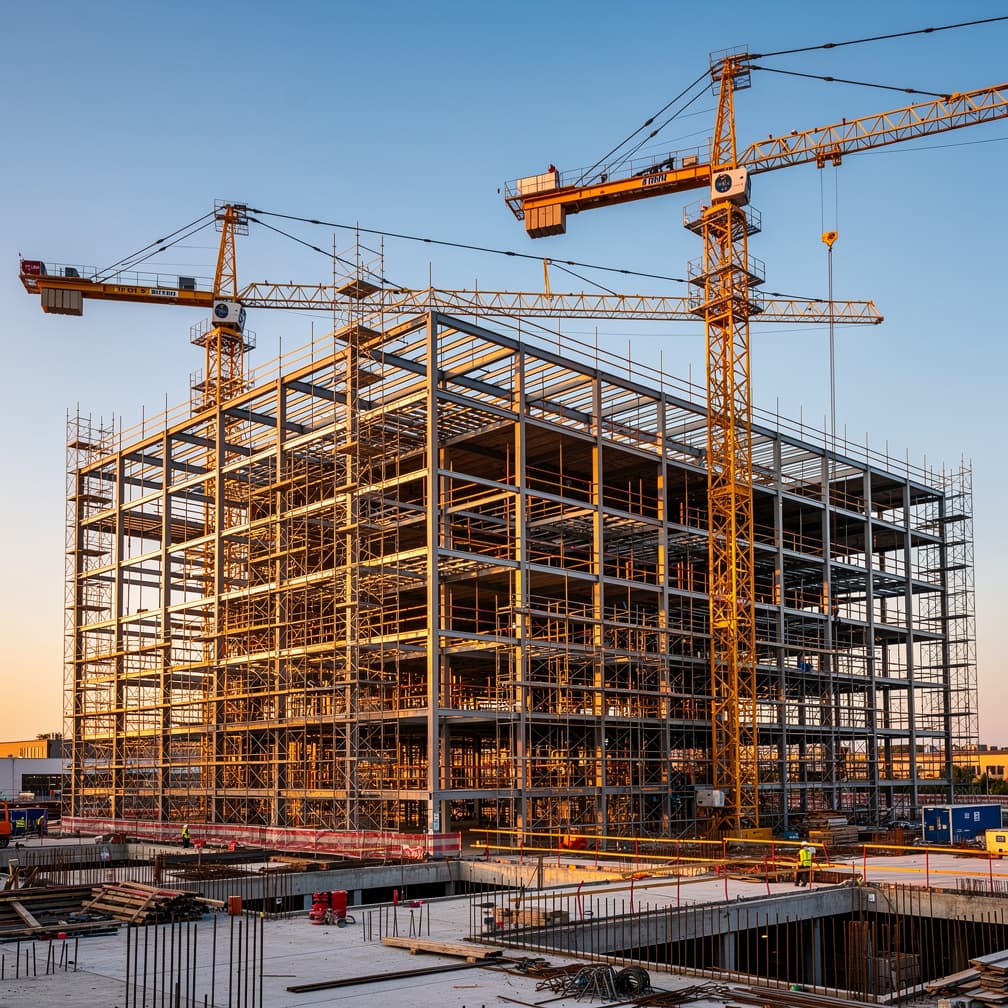
The most important coverage review usually starts with how the project interacts with the surrounding property, not with a generic list of covered items. A renovation in a dense block can raise different questions than a new build on a more controlled site. You may need to review whether the policy is written only for new work, how materials are treated before installation, and whether temporary structures, scaffolding, fencing, or stored property need to be scheduled or addressed by endorsement.
For District projects, it is also worth checking how the policy handles property in transit, off-site storage, and partial occupancy if a project will turn over in phases. Those details matter when deliveries are staged because of limited laydown space or when a building remains partly in use during improvements. If your contract pushes responsibility for certain materials to the owner, contractor, or subcontractor at different points, the insurance should match that transfer of risk.
Soft cost review can be especially important on projects with financing deadlines, permit dependencies, or lease-up timing. Soft costs are the ongoing financial burdens you pay even when your project is delayed, such as lost rental income, additional loan interest, real estate taxes, and other carrying expenses that continue if a delay pushes back completion. Instead of assuming those expenses are automatically included, ask which delay-related costs can be considered and what documentation the insurer wants. If your lender, owner, or development partner expects specific wording, confirm that before binding. If something in the quote or policy language is unclear, check the applicable consumer and licensing resources before you sign off on terms that will govern the project for the full build period.
Coverage Included

Structure Coverage
Covers the building or structure under construction.

Materials on Site
Covers building materials stored at the construction site.

Materials in Transit
Covers materials being transported to the job site.
Temporary Structures
Covers scaffolding, fencing, and temporary buildings.

Soft Costs
Covers additional expenses from construction delays due to covered losses.

Equipment Coverage
Covers permanently installed fixtures and equipment.
Industries & Insurance Needs in Washington
The county containing Washington has 23,874 business establishments, and its leading sectors by establishment share are professional, scientific, and technical services at 23.9%, other services except public administration at 17.9%, and accommodation and food services at 11.6%. That mix matters for builders risk because a large share of local projects involve office interiors, tenant improvements, hospitality updates, and specialized build-outs where opening dates, lender draws, and lease obligations can be as important as the materials on site.
If your project supports a law firm office, restaurant, salon, clinic, or similar occupancy, ask for a quote that addresses delay-sensitive exposures, temporary protection during phased work, and how covered property is valued as finishes and equipment arrive. A bare application can miss the operational pressure around turnover dates and owner expectations, which is where coverage gaps usually become expensive.
What Makes Washington Different
Many projects in Washington are not judged only on construction type or completed value. They are judged on how clearly you can explain the job, the parties, and the timeline in a compact urban setting where owners, lenders, and neighboring occupants expect precision.
The strongest quote request reads more like a project file than a short application. You want the insured name aligned with the contract structure, the project address and scope described plainly, the construction budget broken out, and any existing structure exposure identified early. If materials will be staged away from the site, if the project will turn over in phases, or if occupancy continues during renovation, say so before terms are issued. Clearer underwriting information gives you a better chance of getting terms that match how the job will actually be built, instead of discovering exclusions or sublimits after a loss.
Washington's median home value sits at $724,600. A modest renovation can sit next to property worth three quarters of a million dollars, so you should separate what is under construction from what is not before you ask for terms. A course of construction form is not designed to pick up the existing structure. Median household income is $106,287, and in a market where owners have the budget to expect professional project management, that translates into lenders who want certificates and proof of coverage in hand before the first draw is released.
Our Recommendation for Washington
Your policy structure should follow the money. Whoever holds the main financial stake, whether that is an owner, developer, or general contractor, should control the form and any additional parties should be scheduled for lender or contract compliance purposes.
Next, prepare the details that usually decide whether local terms are usable. Underwriters want total completed value, renovation versus ground-up scope, site security, theft controls for stored materials, and occupancy status during work. Break each of those out clearly rather than burying them in a one-line project description. If the job involves high-value finishes or a residence with substantial underlying value, ask specifically how existing property is treated so you do not assume the course of construction form picks up property it was never meant to insure.
Before binding, look closely at waiting periods, valuation language, soft-cost options, and restrictions tied to vacancy, partial occupancy, or delayed completion. Then request proof of coverage in the format your lender or owner actually requires. Bring a complete project narrative, construction timeline, contract value, soft-cost needs, and any vacancy or partial-occupancy details to the quote request so underwriters have what they need without follow-up rounds.
Get Builders Risk Insurance in Washington
Enter your ZIP code to compare builders risk insurance rates from carriers in Washington, DC.
Business insurance starting at $25/mo
FAQ
Frequently Asked Questions
Washington projects often move through tighter owner, lender, and neighborhood expectations, so underwriters want a fuller file before they release terms. A clear scope, timeline, insured structure, and materials plan usually produces a more usable quote than a short application alone.
Property values can change the limit conversation quickly. Even a modest renovation may sit next to a structure with substantial replacement cost, so you should separate existing structure concerns from new work and confirm whether your limit matches only the insurable construction exposure.
Washington commercial interior projects should disclose occupancy status, turnover deadlines, security, stored materials, and any phased completion. Professional and technical services make up roughly a quarter of DC business establishments. Underwriters here see office and specialized tenant build-outs regularly, and they will expect specifics about how your project fits that profile.
Washington owners and lenders often want documentation early because project stakeholders expect organized reporting and release conditions. Many residential clients have the budget to expect professional project management, so ask for certificates and lender evidence requirements before closing rather than after.
Washington hospitality and service projects can face closer review around opening dates and phased work. **Accommodation and food services account for about 12% of DC establishments.** If your build-out is delay-sensitive, review soft costs and completion-related terms carefully before binding.
Projects are often insured by the party the contract assigns, usually the owner or developer, but sometimes another stakeholder controls the purchase. Review the contract first, then confirm any policy questions through the applicable consumer and licensing resources.
Rowhouse renovations are worth reviewing carefully because renovation work, neighboring property, and partial occupancy can change the exposure. Ask whether the policy is intended for new work only and whether existing structure concerns need separate handling.
Lenders often shape who buys the policy, who must be named, and what evidence of coverage is needed before funds move. Match the lender documents to the construction contract before you request final terms.
Sources
- 1.U.S. Census Bureau, ACS 5-Year Estimates, table B25077(Washington’s median home value is $724,600.)
- 2.U.S. Census Bureau, ACS 5-Year Estimates, table B19013(Washington median household income is $106,287.)
- 3.U.S. Census Bureau, County Business Patterns, District of Columbia(The county containing Washington has 23,874 business establishments.; The leading sectors in the county containing Washington by establishment share are professional, scientific, and technical services at 23.9%, other services except public administration at 17.9%, and accommodation and food services at 11.6%.)
Updated July 16, 2026