Updated July 5, 2026

Car Insurance in Washington
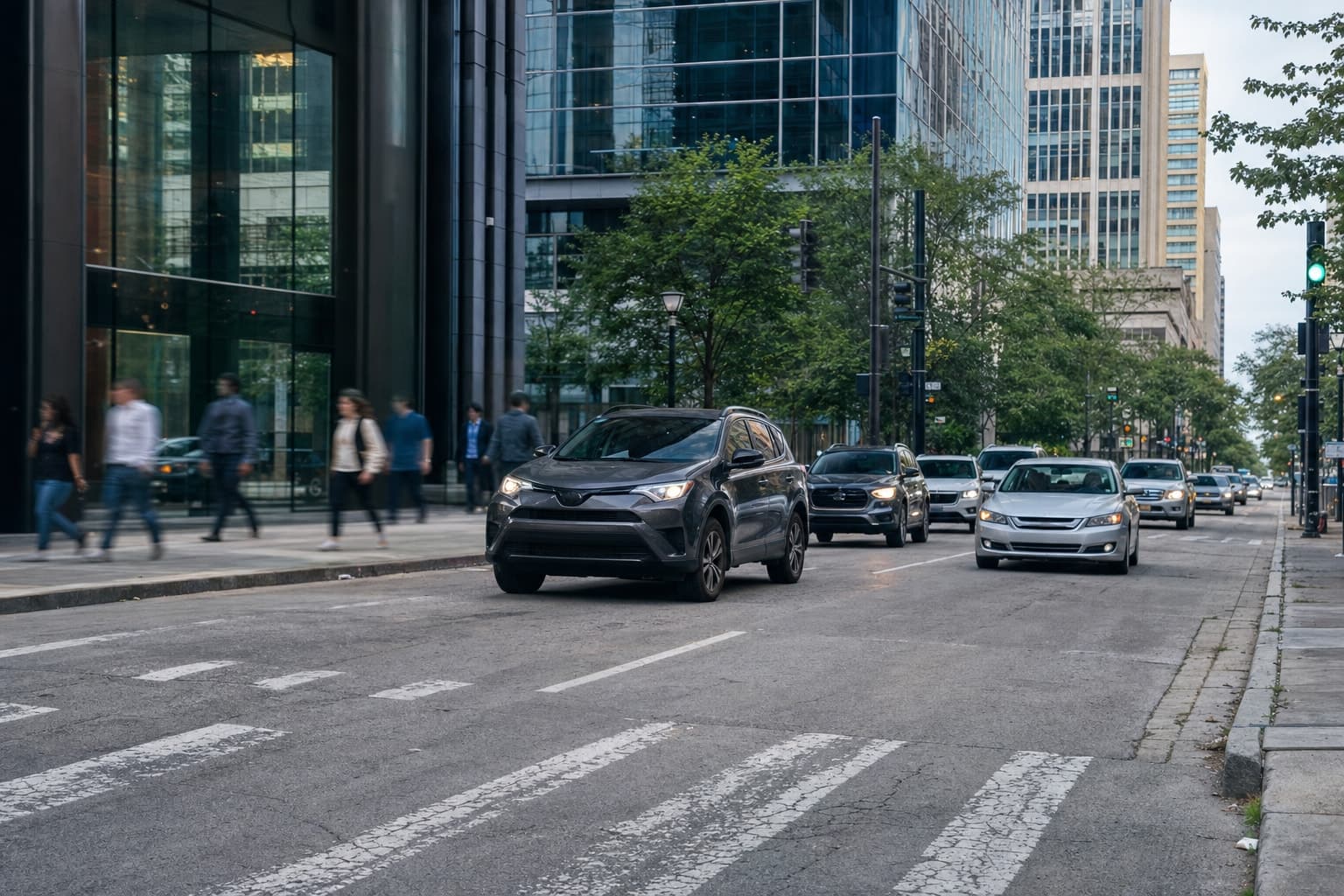
A tighter local market changes how you shop. In a place where many drivers park on the street, move between dense neighborhoods, and need clean proof of insurance for garages, lenders, or apartment buildings, the useful question is not just price, but how a policy fits your routine. If you are comparing car insurance in Washington, start with where your vehicle spends the night, how often you cross the city for work, and whether you rely on it daily or mostly for weekend use. Local households also tend to have more to protect. Washington median household income is $106,287, so a liability limit that looked adequate a few years ago may feel thin if you are trying to protect wages, savings, or a newer vehicle after a serious claim. This is also a place where parking arrangements vary block by block, from rowhouse streets in Capitol Hill to garage-heavy buildings in Navy Yard and downtown. Ask for quotes that separate liability, collision, comprehensive, rental reimbursement, and uninsured motorist choices clearly, then compare deductibles against what you could comfortably pay out of pocket after a loss.
District of Columbia has a moderate climate risk rating. Top hazards: Flooding (High), Hurricane (Moderate), Extreme Heat (Moderate), Winter Storm (Moderate). The state's expected annual loss from natural hazards is $95M, which influences car insurance premiums and may affect coverage availability in high-risk areas.
What Car Insurance Covers
Car insurance coverage in the District of Columbia is built around the same core protections as anywhere else, but local conditions make the mix more important. Liability coverage helps pay for injuries or damage you cause to others in an auto accident, while collision coverage can help when your own vehicle is damaged in a crash. Comprehensive coverage is especially relevant in DC because theft, weather, and non-collision damage are part of the local risk picture. Motor vehicle theft is a significant issue here, and your car may face higher theft exposure than in a typical American city. Flooding is also a high-rated hazard, so a policy that works for a garage-kept vehicle may not fit a car parked on the street in an area with higher theft exposure or near flood-prone routes.
Uninsured motorist coverage is also worth reviewing because a meaningful share of DC drivers lacks adequate insurance and could leave you paying out of pocket after a collision. Medical payments coverage can help with medical expenses after an accident, and rental reimbursement can reduce disruption while your vehicle is being repaired. Deductibles and coverage limits also affect how much protection you actually have after a claim, so the quote should reflect your vehicle value, commute, and tolerance for out-of-pocket costs. The District is regulated at the state level, so policy details, limits, and endorsements should be reviewed with local rules in mind.
Coverage Included

Liability
Can help pay for injuries and property damage you cause to others in an accident, coverage most states require drivers to carry.

Collision
Can help pay to repair or replace your car after a crash with another vehicle or object, regardless of fault.

Comprehensive
Typically covers damage to your car from events other than collisions, such as theft, hail, fire, flooding, or hitting an animal.

Uninsured Motorist
May pay for your injuries and, in some states, car damage when an at-fault driver has no insurance or too little.

Medical Payments
Can help cover medical bills for you and your passengers after an accident, no matter who was at fault.
Rental Reimbursement
May pay for a rental car while your vehicle is in the shop for repairs after a covered claim.
Car Insurance Cost in Washington
Average Cost in District of Columbia
$110 - $310
per month
In District of Columbia, car insurance premiums typically run $110 - $310 per month, which tends to run 24% above the national range of $110 - $230 per month.
- Driving record and age
- Vehicle make, model, and year
- Location and commute distance
- Credit-based insurance score
- Coverage limits and deductibles
Contact CPK Insurance for a personalized quote.
Prices shown are general estimates, not guaranteed rates or quotes. Your actual premium will depend on the insurer, coverage selected, personal details, location, claims history, and other underwriting factors. Learn about our pricing methodology.
Car insurance cost in the District of Columbia is shaped by a market that is more expensive than average, with a monthly range that reflects the city's dense traffic, theft exposure, and weather risks. That range can move up or down based on coverage limits, deductibles, claims history, location, and policy endorsements. Location matters a lot in DC because urban parking, heavy traffic, and theft exposure can influence pricing more than in lower-density markets. The city sees a high frequency of crashes and insurers price accordingly, so even a single at-fault accident can have a significant financial impact on both you and your insurer.
Local hazards also matter. Flooding is rated high, and severe weather has been a recurring issue, including a 2024 nor'easter and earlier flash flooding and coastal storm surge events. Those conditions can make comprehensive coverage more relevant for drivers who park outside or commute through low-lying corridors. Drivers with clean records, lower annual mileage, and higher deductibles may see more favorable pricing than drivers with recent accidents or violations.
Industries & Insurance Needs in Washington
Work patterns are one of the real local differences. In the county containing Washington, there are 23,874 business establishments, and the largest establishment shares are professional, scientific, and technical services at 23.9%, other services at 17.9%, and accommodation and food services at 11.6%. That mix matters because it creates very different driving profiles within a small area. A consultant who garages a car most weekdays, a salon owner making supply runs, and a restaurant operator with late-night closing trips do not present the same usage pattern, even if they live a few blocks apart. If your car supports client visits, errands between locations, or regular late-hour driving, say that plainly when you request quotes. It can change which coverages you review, how you think about rental reimbursement, and whether your current policy still matches how the vehicle is actually used.
What Makes Washington Different
Parking and usage density is the main thing that changes the calculus here. In many places, a ZIP code tells most of the story. Here, two drivers with similar vehicles can have very different insurance needs based on whether the car lives in a secured garage, on a residential street, or in a building lot with access controls and claim-reporting rules. That affects more than theft or damage concerns. It also changes how quickly you need towing, glass repair, rental reimbursement, and a carrier that handles urban claims smoothly. The practical move is to build your quote around your real storage and driving pattern, not a generic commuter profile. If your routine includes tight parking, infrequent but essential trips, or regular cross-city driving at peak times, review deductibles and optional coverages with those conditions in mind before you renew.
Our Recommendation for Washington
Start your review with three details buyers often gloss over: garaging address, annual mileage, and whether the car is used only for personal driving. In a dense local market, those inputs can change the quote and the fit of the policy more than small coverage tweaks. If you keep a newer vehicle on the street, ask to compare more than one comprehensive deductible so you can see the tradeoff between monthly cost and out-of-pocket exposure. If your car is older and paid off, test the value of collision against what you could realistically replace after a total loss. If you drive only occasionally, ask the agent to confirm that your mileage estimate and usage description are current. Keep proof of insurance easy to access on your phone, and before binding, verify how the carrier handles glass claims, towing dispatch, rental reimbursement waiting periods, and repairs at the shops you would actually use.
Get Car Insurance in Washington
Enter your ZIP code to compare car insurance rates from carriers in Washington, DC.
Car insurance starting at $59/mo
FAQ
Frequently Asked Questions
Washington drivers often see parking details matter because street parking, private garages, and controlled-access building lots create different claim patterns and convenience needs. Give the exact overnight location when you request a quote so liability, comprehensive, towing, and rental options are reviewed accurately.
Washington households may want a closer liability review because median household income is $106,287. Higher earnings and assets can raise the stakes after a serious accident, so it is worth comparing your current limits against what you are actually trying to protect.
Washington sits in a county with 23,874 business establishments, so occasional client visits, supply runs, or trips between locations are common. If your car supports work in any regular way, disclose that use before binding so the policy matches your routine.
Washington commuters should compare deductibles, rental reimbursement, towing, glass handling, and claim service, not just the premium. In a dense city routine, those details shape how disruptive a loss becomes, especially if you rely on the car for essential trips.
Washington apartment residents may need clean proof of insurance for parking arrangements, lenders, or lease-related records. Keep your ID cards accessible and confirm the named insured, vehicle information, and garaging address are correct before you finalize coverage.
In DC, liability coverage helps pay for injuries or damage you cause to others in an auto accident, while collision coverage can help with your own vehicle after a crash. Comprehensive coverage can help with theft, weather, and other non-collision losses, which matters in a city with high theft and flooding risk. Medical payments coverage can help with medical expenses, and rental reimbursement can help keep you mobile while repairs are underway.
The District requires liability coverage of at least $25,000 per person and $50,000 per accident for bodily injury, plus $10,000 for property damage. Uninsured motorist coverage is also mandatory at the same minimum limits. The District is regulated at the state level, so it is important to compare quotes and confirm the limits that apply to your situation before you buy.
In the District, premiums vary based on limits, deductibles, claims history, location, and endorsements. Your actual premium depends on how you structure the policy and the risks tied to your vehicle and driving profile.
Sources
- 1.U.S. Census Bureau, ACS 5-Year Estimates, table B19013(Washington median household income is $106,287, so a liability limit that looked adequate a few years ago may feel thin if you are trying to protect wages, savings, or a newer vehicle after a serious claim.)
- 2.U.S. Census Bureau, County Business Patterns, District of Columbia(In the county containing Washington, there are 23,874 business establishments, and the largest establishment shares are professional, scientific, and technical services at 23.9%, other services at 17.9%, and accommodation and food services at 11.6%.)
Updated July 5, 2026