Updated July 16, 2026

Key Takeaways
- Compare quotes using the same peak inventory value, deductible, and valuation assumptions so you can see real coverage differences.
- Ask in writing how the policy handles hail, flood, theft, vandalism, and test drives before you bind coverage.
- Prepare a current inventory schedule, offsite storage list, and security summary before requesting dealer open lot insurance quotes.
- Review whether flood needs separate placement instead of assuming another policy form includes it automatically.
- Requote after security upgrades, lot layout changes, or improved claims history so pricing reflects your current risk.
Dealer Open Lot Insurance in District of Columbia
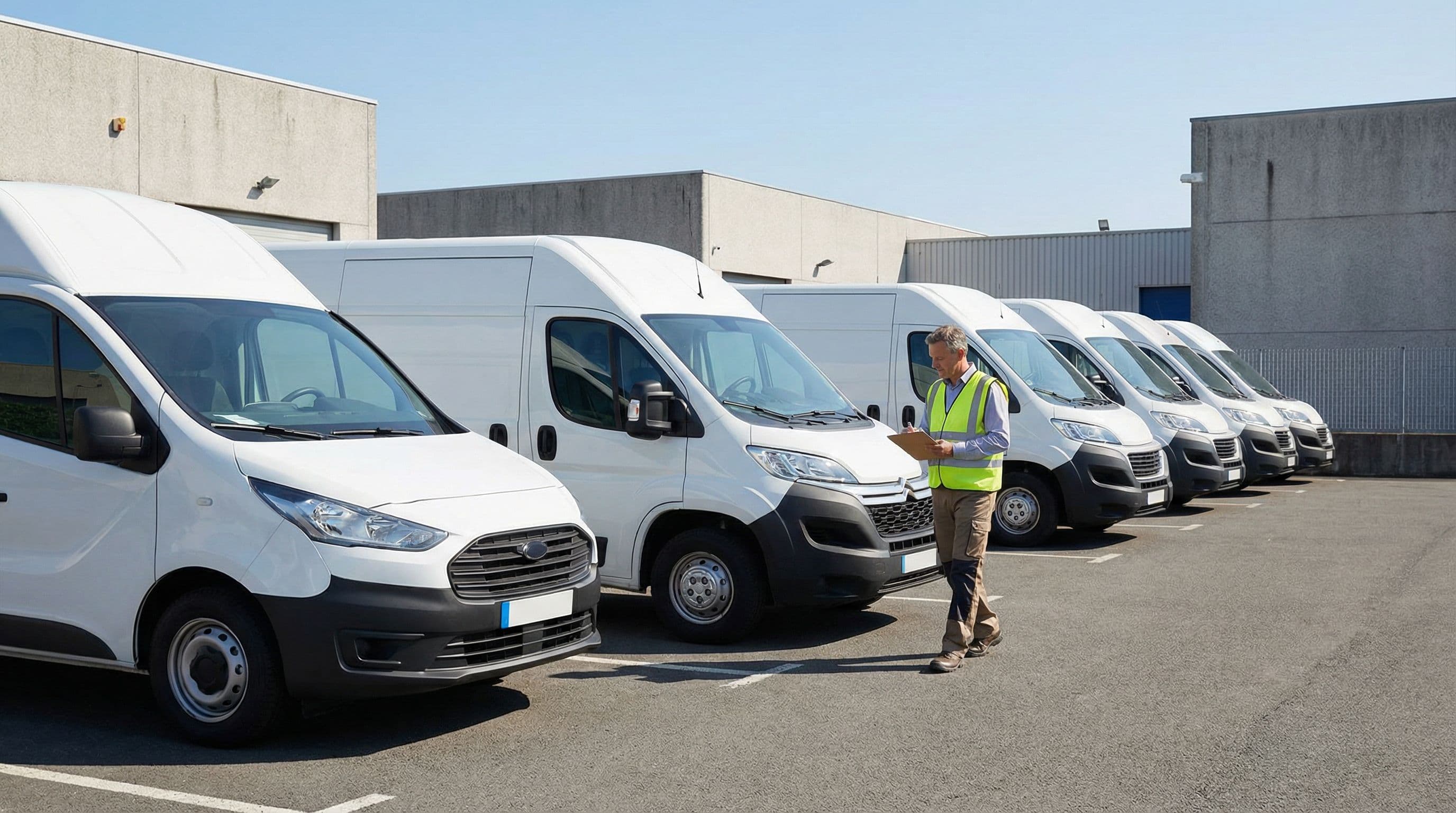
You are about to sign a lot lease in the District, and the landlord asks for proof that your inventory exposure is addressed before keys change hands. That moment usually forces a more practical review than a generic application. You need to look at where units sit overnight, how often you rotate vehicles between a main lot and overflow parking, who has access to keys, and what happens when a car is moved for detailing, fueling, or a test drive. Dealer open lot insurance in the District of Columbia should be reviewed around those operating details, because a compact urban footprint changes how inventory is stored, watched, and moved. Small site layouts, nearby street traffic, and shared commercial properties can all affect how an underwriter looks at concentration of values and physical security. Before you request terms, line up your current inventory values, storage addresses, key control process, and any lease insurance requirements so the quote reflects your real exposure.
What Dealer Open Lot Insurance Covers
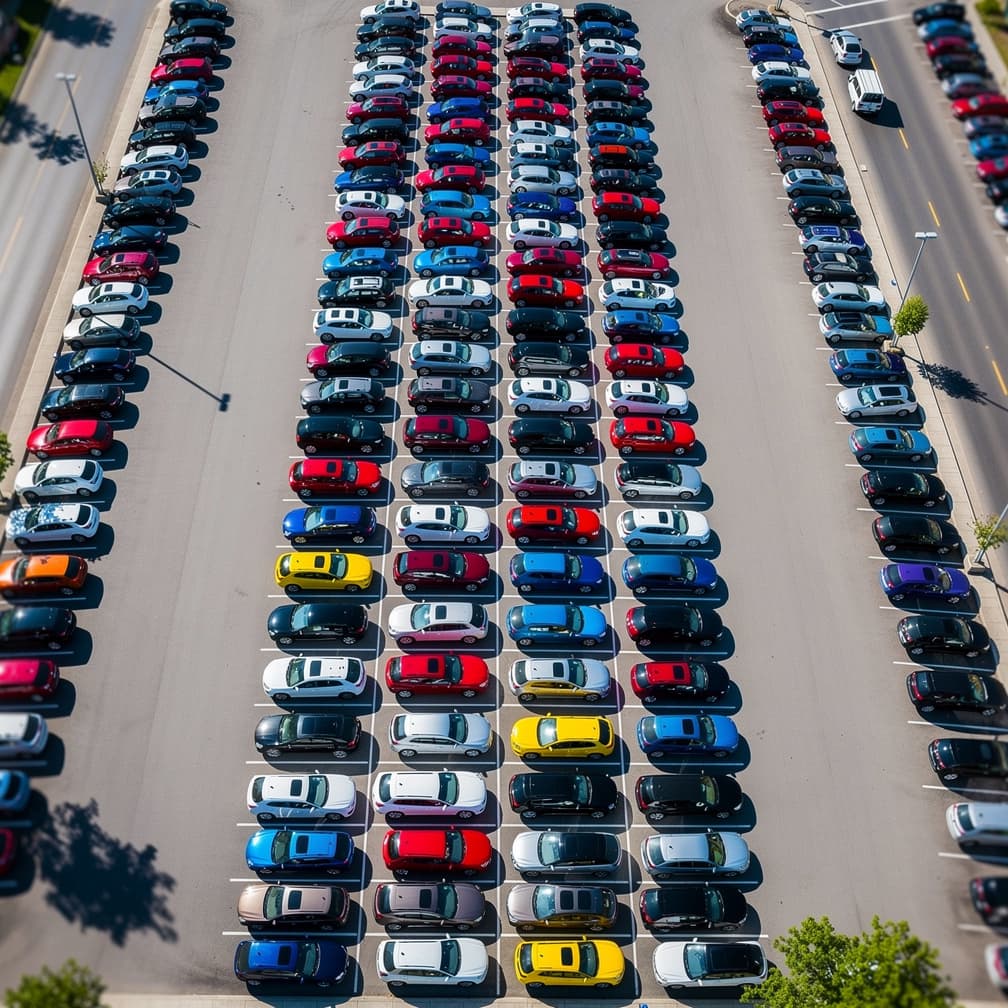
Where your inventory sits during a normal week drives most of the coverage conversation. A dealership with a single fenced lot raises one set of underwriting questions. One that splits vehicles between the sales lot, a nearby garage, a service area, and temporary overflow parking raises another. Your policy review should track each place inventory is kept, including locations used only during busy sales periods or while pavement, lighting, or signage work is underway.
You should also review how vehicles move through your operation in a dense urban setting. If staff regularly reposition units to make room for deliveries, move cars offsite for reconditioning, or park inventory in stacked or tightly spaced rows, ask how those handling patterns are treated. The same applies if customer test drives begin on crowded streets, if keys are accessible to several employees, or if units are left in areas visible from public sidewalks after hours.
Pay close attention to how the policy treats off-premises storage, transit between scheduled locations, and any conditions tied to theft prevention or protective safeguards. If your lease requires specific insurance wording, match that requirement against the policy before binding, not after a loss. The District's insurance regulator is the DC Department of Insurance, Securities and Banking, so if you need to verify licensing or consumer guidance while comparing options, use that source before you sign.

Weather Damage
Covers hail, wind, flood, and storm damage to lot inventory.
Theft Protection
Covers vehicles stolen from your lot.
Fire Damage
Covers fire and explosion damage to inventory vehicles.

Vandalism
Covers intentional damage to vehicles on your lot.
Test Drive Coverage
Covers vehicles during customer and employee test drives.
Transit Coverage
Covers vehicles being moved between lot locations.
Dealer Open Lot Insurance Requirements in District of Columbia
- District dealerships that rely on overflow parking or nearby garages should confirm each storage location is disclosed and reviewed before coverage starts.
- A compact urban lot layout can increase value concentration, so deductible choices should be tested against how many units sit in one area.
- Shared commercial properties in the District can create access and security questions, which makes key control and after-hours procedures worth documenting carefully.
- If your lease requires proof of insurance before occupancy, compare that requirement against policy wording and certificate details before the effective date.
How Much Does Dealer Open Lot Insurance Cost in District of Columbia?
For a District of Columbia dealership, dealer open lot pricing usually turns on exposure quality rather than a simple inventory count. Underwriters want to understand the total value you keep for sale, but they also look at how concentrated that value is in a small footprint, whether vehicles are stored at one address or several, and how often units are moved between locations. Tightly packed higher-value inventory tends to draw different scrutiny than a spread-out operation with the same total values.
Your quote can also change based on physical security and operating controls. Expect questions about fencing, lighting, cameras, gate access, key storage, employee access, and whether any inventory is parked offsite overnight. If you use overflow parking, shared commercial space, or temporary storage arrangements, disclose that early. A quote that ignores those details can create problems later if a claim involves a location or handling pattern that was never clearly described.
Deductible choice, requested limits, prior losses, and the age and mix of your inventory also shape pricing, as does the quality of your reporting. A current inventory schedule with accurate values, VIN-level records, and clear storage addresses gives an underwriter a cleaner file to price. If your records are inconsistent, the carrier may build in more uncertainty. To get a quote you can actually rely on, submit the same inventory totals, locations, and security details across every application so you are comparing terms on equal footing.
Request a Quote Comparison
Enter your ZIP code to compare dealer open lot insurance rates from top carriers.
Business insurance starting at $25/mo
Who Needs Dealer Open Lot Insurance?
If your business holds vehicles for resale in any setting where they remain exposed before delivery to the buyer, this coverage deserves a close look. That includes a traditional retail lot, but it also includes operations that rely on smaller city parcels, mixed-use commercial properties, indoor parking structures, or overflow storage a few blocks away.
This is especially relevant for dealers that work within tight urban real estate constraints. You may rotate inventory frequently, keep some units off the main premises, or use nearby spaces to separate front-line vehicles from back-stock inventory.
You should also consider it if your dealership depends on frequent vehicle handling. Repositioning cars for street visibility, moving units for cleaning or inspection, and coordinating test drives in a dense traffic environment all create practical exposure points. The same is true if your lease, floorplan relationship, or lender expectations require evidence that inventory values are being insured appropriately. If you are unsure whether your setup qualifies, list every place sale inventory is kept, every person who can move it, and every routine reason a vehicle leaves its parking spot. If that list is longer than expected, your insurance review should be more detailed too.
Dealer Open Lot Insurance by City in District of Columbia
Dealer Open Lot Insurance rates and coverage options can vary across District of Columbia. Select your city below for localized information:
How to Buy Dealer Open Lot Insurance
To buy this coverage in the District of Columbia, start by building an underwriting file that reflects your actual lot operations instead of a simplified summary. Gather a current inventory schedule, values for each unit, all storage addresses, and a short explanation of how vehicles move between those addresses. If you use overflow parking, indoor garages, service areas, or temporary holding spaces, include them from the start.
Next, document your controls. Underwriters usually want to know how keys are stored, who can access them, whether the lot is fenced, how lighting works after hours, and what camera coverage exists. If your dealership shares a property with other tenants or relies on a landlord's security features, spell that out clearly. Shared access points and shared parking arrangements can affect how a carrier evaluates theft and damage exposure.
Then compare quotes on terms, not just price. Ask whether all locations are scheduled correctly, whether off-premises storage is contemplated, and whether there are conditions tied to alarms, fencing, or other safeguards. Review deductibles against the value concentration on your lot. A lower premium is not much help if the deductible or location wording does not fit how you actually store inventory. Before binding, match the quote to your lease, lender, or business partner requirements. Confirm named insured details, addresses, and any requested certificates. If you are comparing multiple options, use the same inventory list and operational description each time so differences in terms are easier to spot and negotiate. Request a quote today through CPK Insurance to start building your underwriting file.
How to Save on Dealer Open Lot Insurance
In the District, the most dependable way to lower dealer open lot insurance costs is to make your inventory easier to underwrite and easier to protect. If you keep vehicles at more than one address, maintain a clean schedule showing exactly where units are stored and when overflow space is used.
Tight key control, documented employee access, working cameras, reliable lighting, and clear after-hours procedures can all support a stronger submission. If your lot layout creates blind spots or forces vehicles into cramped rows, address that operationally before renewal.
Keeping current inventory records, removing sold units promptly, and avoiding stale values that overstate or understate what is actually on hand can also reduce costs. If your inventory mix changes seasonally or your average unit value rises, update the file before the carrier discovers the mismatch during a claim review. Finally, review deductibles and location strategy together. A deductible that looks manageable on paper may feel very different if several vehicles are concentrated in one small urban site. Weigh premium savings against the amount your dealership could absorb after a loss. The goal is not the lowest headline number. It is a structure you can carry without disrupting cash flow.
Our Recommendation for District of Columbia
The strongest buying move is to treat location detail as a coverage issue, not just an application formality. Urban inventory storage is often more fragmented than owners first assume. A main lot, a nearby garage, a service lane, and overflow parking can all be part of the same weekly routine, and each one should be reviewed before you bind.
I would also press on key control and after-hours access. In a compact commercial setting, vehicles may sit close to public streets, neighboring tenants, or shared parking areas. If your procedures for keys, employee access, and lot checks are informal, tighten them before you shop. Better controls can improve both underwriting confidence and claim documentation.
Do not let a lease deadline rush the policy review. Read the location schedule, protective safeguard conditions, and named insured information line by line, and if a landlord, lender, or business partner expects specific evidence of coverage, request that wording early so there is time to correct it. Finally, submit one consistent underwriting package to every market you approach.
FAQ
Frequently Asked Questions
Space is tight in the District, so dealerships often rely on overflow or nearby storage that should be disclosed during quoting. If a storage address is missing from the underwriting file, ask how that affects coverage treatment before binding.
Landlords often want proof of coverage before occupancy, which can force an early insurance review during lease negotiations. Compare the lease language to the policy's named insured, address schedule, and certificate requirements before you sign.
The DC Department of Insurance, Securities and Banking handles insurance oversight in the District. Use that source to verify licensing or review consumer guidance while you compare policy options and documentation requirements.
A small District footprint can present complex exposure because inventory may be tightly parked, moved often, or split across nearby spaces that each need their own review.
Prepare a current inventory list, unit values, every storage address, and a clear explanation of how vehicles move between locations. Add your key control and after-hours security procedures so the underwriter sees the full operating picture.
When other tenants use the same parking or entry points, that can change how access, theft prevention, and after-hours control are evaluated. Disclose shared commercial property arrangements early and ask whether any protective safeguard conditions apply.
Dealer open lot insurance nationwide is generally reviewed for damage or loss to vehicles you own for sale, including hail, wind, theft, vandalism, fire, flood, and test drive exposure, depending on your policy terms, deductibles, valuation method, and any location or off-premises limitations.
Dealer open lot insurance can cover hail damage to inventory, depending on the policy terms. Nationally, hail is a real exposure because NOAA storm reporting cited by the Insurance Information Institute recorded 5,432 hail events in 2025, so ask how multi-unit storm losses are adjusted.
Sources
- 1.DC Department of Insurance, Securities and Banking(The District's insurance regulator is the DC Department of Insurance, Securities and Banking.)
Updated July 16, 2026