
Updated July 5, 2026

Homeowners Insurance in Washington
Right before closing on a rowhouse in Capitol Hill, taking title to a condo near Navy Yard, or renewing after a major remodel in Georgetown, you usually find out whether your policy limits still match the property you actually own. Homeowners insurance in Washington gets more scrutiny at that moment because the local housing market leaves less room for rough estimates. The city's median home value is $724,600, so a low dwelling limit or outdated personal property schedule can leave a larger gap than many owners expect after a loss. Washington's median household income is $106,287, so many households here have more electronics, jewelry, art, and furnishings to inventory than a basic renewal review captures. If you own in a building with an association, this is also the time to compare your unit policy against the master policy and confirm where the association's responsibility stops. Before you bind or renew, line up your address, recent appraisal or purchase documents, renovation details, and any high-value item lists so your quote reflects the home as it stands now.
District of Columbia has a moderate climate risk rating. Top hazards: Flooding (High), Hurricane (Moderate), Extreme Heat (Moderate), Winter Storm (Moderate). The state's expected annual loss from natural hazards is $95M, which influences homeowners insurance premiums and may affect coverage availability in high-risk areas.
What Homeowners Insurance Covers
A policy here generally centers on six parts: dwelling, personal property, liability, additional living expenses, other structures, and medical payments. Dwelling protection is the core coverage for the house itself, and in DC it should be set against local reconstruction costs rather than market value. Local rebuilding expenses run well above the national baseline, which matters because median home value is high and the age and condition of the dwelling have a strong effect on claims. Personal property coverage helps replace belongings after fire, theft, or wind damage, which is relevant in a city where property crime is elevated. At that level, theft and burglary claims are more likely here than in many other cities.
Liability coverage helps if someone is injured on your property, and additional living expenses coverage can help if you need temporary housing after a covered loss. Standard policies here exclude flood damage, so flood insurance must be purchased separately through the National Flood Insurance Program or a private flood insurer. Wind or hurricane deductibles may also apply separately in coastal areas of the District, so the deductible structure should be reviewed before binding. Because the market is regulated by the state, policy language and endorsements can vary by carrier. Confirm what your specific form includes rather than assuming every policy responds the same way.
Coverage Included

Dwelling
Repairs or rebuilds your home itself, the walls, roof, floors, built-in appliances, and attached structures like a garage, after a covered loss. Set this limit to the full cost of rebuilding, not market value.
Other Structures
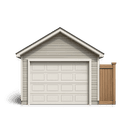
Detached structures on your property, such as a fence, shed, detached garage, or gazebo. Usually set at about 10 percent of your dwelling limit [2].

Personal Property
Your belongings, furniture, clothing, electronics, and appliances, generally written at 50 to 70 percent of your dwelling limit [2]. High-value items like jewelry and art carry special limits.

Additional Living Expenses
Also called loss of use. Pays your added living costs, hotel stays, meals, and a temporary rental, while a covered loss makes your home uninhabitable. Usually set at about 20 percent of your dwelling limit.

Liability
Covers you if someone is injured on your property, or you damage someone else's property, and you are found responsible. The standard $100,000 limit [2] is often raised to $300,000 or $500,000.

Medical Payments
Pays small medical bills, commonly $1,000 to $5,000, if a guest is hurt at your home regardless of fault, without a formal liability claim.
Homeowners Insurance Cost in Washington
Average Cost in District of Columbia
$85 - $250
per month
In District of Columbia, homeowners insurance premiums typically run $85 - $250 per month, which tends to run 7% below the national range of $110 - $250 per month.
- Home replacement cost, age, and construction type
- Roof age, material, and condition
- ZIP code and local weather risk (wind, hail, wildfire, hurricane)
- Coverage limits and endorsements
- All-peril and percentage wind/hail deductibles
- Claims history and insurance score where allowed
Typical range for many standard homeowners profiles; lower-risk homes fall below it and coastal, wildfire, or older-roof homes can run well above. Final pricing depends on property details, location, underwriting, and selected coverage.
Prices shown are general estimates, not guaranteed rates or quotes. Your actual premium will depend on the insurer, coverage selected, personal details, location, claims history, and other underwriting factors. Learn about our pricing methodology.
Your premium reflects a mix of coverage limits, deductibles, claims history, location, risk profile, and endorsements. Local rebuilding expenses run well above the national baseline, which pushes dwelling limits and premiums higher in many neighborhoods, though some areas with lower replacement valuations may see more moderate pricing. Your quote can move significantly depending on the home and policy design.
Local factors that push pricing up include the high reconstruction costs, the median home value, and the need for higher dwelling limits in many neighborhoods. Older homes, roof age and material, and distance to fire stations and hydrants also affect pricing. Flood exposure does not usually change the standard policy premium directly because flood is excluded, but it can change your total protection budget if you add separate flood coverage. The market is competitive, with numerous active insurers in the area, so shoppers have options to compare forms and deductibles.
What Affects Homeowners Insurance Rates in Washington
Washington's housing values change the insurance conversation because homes here often carry little margin for an outdated dwelling limit. That does not tell you a premium by itself, but it does tell you to review whether your dwelling limit, ordinance or law coverage, and loss settlement terms still fit the property after appreciation or upgrades. Many owners also need a closer look at personal property sublimits for jewelry, collectibles, home office equipment, and higher-end furnishings that can outgrow a standard policy over time. If you have renovated a kitchen, finished a basement area, or added custom fixtures, ask for those details to be reflected in the quote rather than assuming your last renewal already captures them. Here, the practical cost question is not just what you pay each month, but whether the policy limits still match the value concentrated inside the home.
What Makes Washington Different
High property values are the main thing that changes the buying calculus here. In Washington, the bigger risk is often underinsuring the structure or overlooking valuable contents, not simply choosing a deductible and moving on. That matters whether you own a historic rowhouse with custom finishes, a renovated attached home, or a condo where the master policy leaves part of the interior build-out to you. Higher household earnings can also translate into more property inside the home that deserves a fresh inventory and, in some cases, scheduled coverage. The practical takeaway is simple: treat the quote process as a limit review, not just a price check. Ask how the carrier is valuing the dwelling, what interior items face sublimits, and whether recent improvements should be documented before renewal or closing.
Our Recommendation for Washington
Start with the parts of the policy that are easiest to leave outdated after a move, refinance, or renovation. Review the dwelling limit against current purchase or appraisal documents, then ask whether interior upgrades, built-in cabinetry, flooring, or custom fixtures are fully reflected. If you own a condo, request the association's master policy and compare it line by line with your unit coverage so you can see where walls-in responsibility begins. If your household keeps higher-value jewelry, art, instruments, or office equipment at home, ask which items are subject to standard sublimits and whether scheduling them makes sense. Keep a current home inventory with photos, receipts, and serial numbers stored off-device or in the cloud. If you want a sharper quote, gather that documentation before shopping so the policy can be reviewed around actual property values instead of broad assumptions.
Get Homeowners Insurance in Washington
Enter your ZIP code to compare homeowners insurance rates from carriers in Washington, DC.
Home insurance starting at $50/mo
FAQ
Frequently Asked Questions
Washington condo owners should compare the association's master policy with their unit policy before closing or renewal. A gap in walls-in coverage, fixtures, or loss assessment can become expensive quickly when the unit has upgraded interior finishes.
Washington rowhouse renovations should trigger a limit review. Updated kitchens, built-ins, flooring, and custom finishes can change the amount of structure and contents coverage you may want reflected in the policy terms.
Washington households often need a closer contents review because the city's median household income is $106,287. That can mean more property subject to standard sublimits, so listing higher-value items before quoting helps avoid missed coverage needs.
Washington buyers usually get a more usable quote by sharing the purchase contract, recent appraisal if available, renovation details, and a list of high-value items. Those details help the insurer review limits based on the home you are actually buying.
The policy may cover dwelling, personal property, liability, additional living expenses, other structures, and medical payments. It is especially important to confirm the dwelling limit because local reconstruction costs are elevated.
Monthly cost depends on your home's age, roof condition, claims history, location, deductible, and any endorsements you choose. Because local rebuilding expenses run well above the national baseline, expect pricing above the national average in many cases.
Yes. The District does not legally require it, but lenders typically mandate it for financed homes, so buyers usually need proof of coverage before they can close.
No. Standard homeowners insurance excludes flood damage, so you would need separate flood insurance through NFIP or a private flood insurer if you want that protection.
Sources
- 1.U.S. Census Bureau, ACS 5-Year Estimates, table B25077(The city's median home value is $724,600, so a low dwelling limit or outdated personal property schedule can leave a larger gap than many owners expect after a loss.)
- 2.U.S. Census Bureau, ACS 5-Year Estimates, table B19013(Washington's median household income is $106,287, so many households here have more electronics, jewelry, art, and furnishings to inventory than a basic renewal review captures.)
Updated July 5, 2026