Updated July 16, 2026

Builders Risk Insurance in Jacksonville
Builders risk insurance in Jacksonville often comes down to paperwork before it comes to claims. Property managers, construction lenders, and prime contractors here typically want proof that the project itself is insured before draws are released, materials are delivered, or site access is finalized. Satisfying that request usually means matching the named insured, project address, contract value, and build timeline to the way the job is actually documented. Jacksonville's median home value is $266,100, which means a half-finished build can easily tie up six figures of materials and labor before the roof is even closed. That is enough exposure to make lenders and contractors insist on seeing proof before the first delivery arrives.
Builders Risk Insurance Risk Factors in Jacksonville
Local build schedules often depend on how long materials, partially installed systems, and equipment stay exposed between trades, especially on projects that move in phases or wait on inspections and deliveries. Here, that makes the **site protection plan** part of the insurance conversation, not just an operations issue. You will usually want the quote to reflect whether materials are stored inside the structure, in a fenced laydown area, or off site, and whether the job is a new build, a rehab, or an occupied renovation with staged work. If a lender or owner is reviewing your file, clear documentation of temporary protection, security, and the anticipated completion date can help avoid back-and-forth after a loss. Ask your agent to review soft-cost needs, transit or temporary storage concerns, and whether the policy terms fit the way your project will actually be built.
Florida has a very high climate risk rating. Top hazards: Hurricane (Very High), Flooding (Very High), Severe Storm (High), Sinkhole (Moderate). The state's expected annual loss from natural hazards is $8.2B, which influences builders risk insurance premiums and may affect coverage availability in high-risk areas.
What Builders Risk Insurance Covers
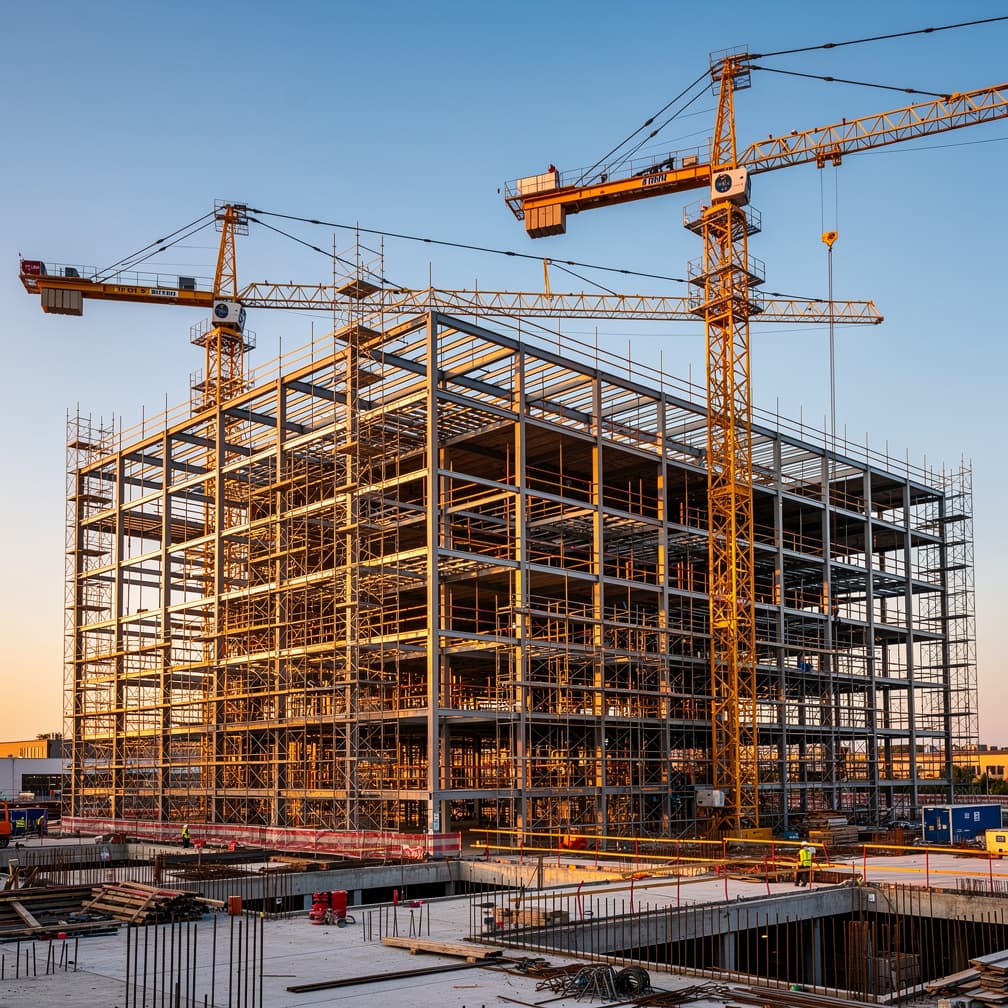
In Florida, the useful review starts with the parts of the job that are most exposed before completion. The highest vulnerability is during framing, dry-in, window installation, roofing, interior rough-in, and while high-value materials are staged for the next trade. That is where you want the quote to match the sequence of construction, not just the address and completed value.
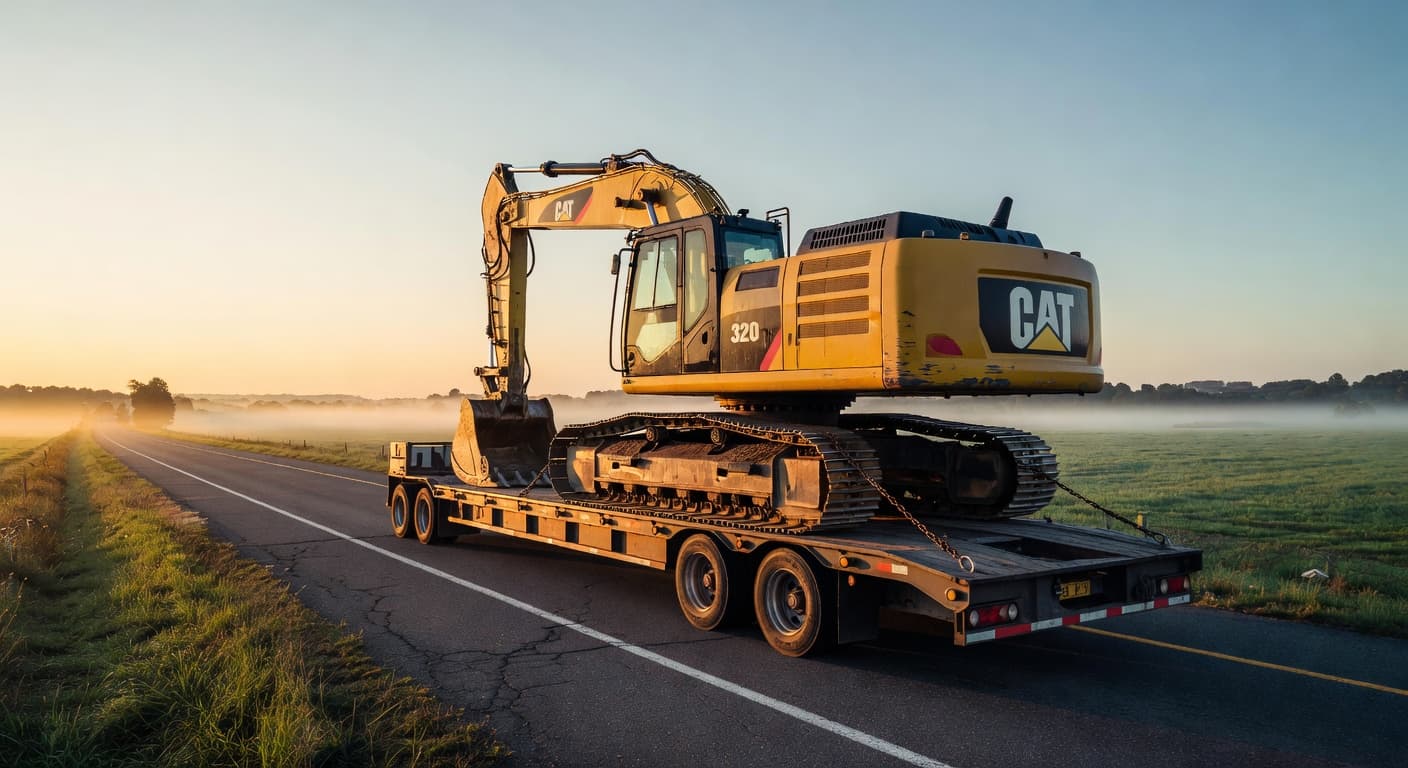
For coastal and inland Florida work alike, ask how the policy treats property in transit, items stored on site, and materials that arrive early because of lead times. If cabinets, mechanical equipment, windows, or finish materials sit in a container, garage, or partially enclosed structure, you want those details reviewed before a loss, not argued after one. The same goes for temporary structures, fencing, and soft cost options if your contract or financing arrangement makes delay expensive.
Renovation work deserves extra attention because the line between existing property and new work can get blurry fast. If you are improving an occupied building, ask where the builders risk policy may end and where the property policy for the existing structure begins. That matters when water enters through an opening created by the work, when materials are stolen before installation, or when a partial loss affects both old and new components.
Florida also has a named regulator, the Florida Office of Insurance Regulation. What that means for you is practical: insurers must file their policy language and endorsements with the state. So if you are comparing forms, keep your review tied to that filed language rather than assumptions from another state. The practical next step is to mark up the site plan and schedule so the coverage review follows the project phase by phase.
Coverage Included

Structure Coverage
Covers the building or structure under construction.

Materials on Site
Covers building materials stored at the construction site.

Materials in Transit
Covers materials being transported to the job site.
Temporary Structures
Covers scaffolding, fencing, and temporary buildings.

Soft Costs
Covers additional expenses from construction delays due to covered losses.

Equipment Coverage
Covers permanently installed fixtures and equipment.
Industries & Insurance Needs in Jacksonville
County business density is the local pressure point. Duval County has 28,051 business establishments, so many commercial projects involve landlords, tenants, lenders, and vendors that expect insurance evidence to match the contract package before work starts. The county's leading sectors by establishment share are professional, scientific, and technical services at 12.4%, retail trade at 12.1%, and health care and social assistance at 11.4%, which means a lot of build-outs and renovations happen in occupied or business-critical spaces where delays can affect opening dates, tenant obligations, or equipment installation. If your project is a medical office refresh, a retail fit-out, or an office improvement, review whether the policy should address phased completion, owner-furnished materials, and any soft costs tied to a delayed opening. Those details tend to matter more than a generic application.
What Makes Jacksonville Different
Documentation discipline is what changes the calculus in this market. The coverage question is often less about whether a project obviously needs protection and more about whether the policy structure matches the deal documents closely enough to keep financing and subcontractor coordination moving. A residential owner may need the lender's requirements mirrored correctly. A commercial contractor may need owner, landlord, or tenant interests addressed without creating confusion over who is insuring what. Local projects get tripped up when a job starts as a renovation and grows into a larger scope with stored materials, phased turnover, or owner-supplied items. Jacksonville's median household income is $66,981, so an underinsured loss on a major remodel could equal a full year of take-home pay for a typical household. Getting the valuation right up front costs far less than discovering a gap after a fire or theft. Before binding, compare the policy draft against the construction contract and draw schedule line by line.
Our Recommendation for Jacksonville
Start with the contract set, not the application alone. Owners should confirm whether the lender, general contractor, or another party expects to be named, and make sure the insured value tracks the project budget that is actually being funded. Contractors should not assume the standard form handles owner-furnished materials, temporary works, and transit the way the job requires, so check those items against the actual scope before requesting terms. Renovation work needs clarity on what part of the existing structure is and is not intended to be insured under the policy. Phased commercial jobs require a close look at whether partial occupancy or staged turnover changes the coverage window. Any requirement coming from a financing package or compliance checklist should be in hand before you request terms. One careful review up front is usually easier than trying to fix a mismatch after materials are on site.
Get Builders Risk Insurance in Jacksonville
Enter your ZIP code to compare builders risk insurance rates from carriers in Jacksonville, FL.
Business insurance starting at $25/mo
FAQ
Frequently Asked Questions
Lenders usually want evidence that the project address, insured parties, valuation, and policy term match the loan and construction documents. If any of those details are off, the draw process can slow down while the paperwork is corrected.
That decision usually turns on who holds the contract obligation to insure and who stands to lose the most if a loss occurs mid-construction. The owner-contractor agreement should specify who is responsible for the work, materials, and any lender requirements, and the policy structure should follow that allocation directly.
Duval County has 28,051 business establishments, and many of them operate in leased space where landlords and tenants each carry separate insurance obligations. When a build-out involves a landlord, tenant, contractor, and lender, a single missing or misnamed insured can stall lease commencement or delay an opening date. Getting the named insureds and covered property sorted before construction starts keeps all parties aligned.
Even a smaller new build or major renovation can involve enough value in structure and materials to justify a policy. A typical Jacksonville home at median value can represent over a quarter-million dollars in replacement cost once construction is underway, and a single weather event or theft of stored materials can wipe out months of progress. The decision should track the project budget and lender requirements, not assumptions about what counts as "high-value."
Tenant improvement projects often serve office, retail, and health care users with tight lease deadlines and occupied surroundings. Before you request terms, look at whether phased completion could leave part of the space exposed, whether owner-furnished materials need to be added, and whether delayed-opening costs belong in the policy. Those three items tend to drive disputes more than the base premium does.
In Florida, the buyer is usually the party the contract makes responsible for insuring the work, often the owner, developer, or general contractor. Review the construction agreement and lender requirements together before binding so the named insureds and project responsibilities line up.
Florida projects often need a close review of wind-related terms because storm exposure can change by location, construction phase, and policy wording. Ask specifically about deductibles, protective conditions, and whether materials on site are treated differently before installation.
Florida renovations are often worth reviewing because the exposure is not just the new work, it is also how that work interacts with the existing building. Clarify where builders risk ends, where the property policy begins, and how occupied areas are protected.
Sources
- 1.U.S. Census Bureau, ACS 5-Year Estimates, table B25077(Jacksonville's median home value is $266,100, so even smaller residential builds and substantial remodels can put a meaningful property value at stake before the work is complete.)
- 2.U.S. Census Bureau, County Business Patterns, Duval County(Duval County has 28,051 business establishments, so many commercial projects involve landlords, tenants, lenders, and vendors that expect insurance evidence to match the contract package before work starts.; The county's leading sectors by establishment share are professional, scientific, and technical services at 12.4%, retail trade at 12.1%, and health care and social assistance at 11.4%, which means a lot of build-outs and renovations happen in occupied or business-critical spaces where delays can affect opening dates, tenant obligations, or equipment installation.)
- 3.U.S. Census Bureau, ACS 5-Year Estimates, table B19013(Jacksonville median household income is $66,981, so budget sensitivity is real for many owners, but cutting corners on named insureds, valuation, or covered property can create a much more expensive dispute after a loss.)
Updated July 16, 2026