Updated July 5, 2026

Commercial Auto Insurance in Jacksonville
Jacksonville operating costs are not Manhattan-level, but they are not low enough to treat a work vehicle like a disposable asset. With median household income at $66,981, a damaged van, pickup, or box truck can still be expensive to replace, rent around, or leave idle while you wait on repairs, so your deductible and physical damage limits should match what your cash flow can absorb. That is where commercial auto insurance in Jacksonville becomes a budgeting decision, not just a compliance purchase. If you run service calls from the Southside to Riverside, deliver retail orders across town, or move staff and equipment between client sites, the real question is how long your business can operate with one unit out of service. A lean deductible can lower premium, but it can also force you to self-fund more of the loss at the worst time. Before you request quotes, list each vehicle by use, usual radius, garaging address, and who actually drives it. Then decide which units are mission-critical enough to justify stronger comprehensive and collision terms.
Commercial Auto Insurance Risk Factors in Jacksonville
Jacksonville sits in a Florida risk environment where storm-related losses are part of the operating picture, even though the exact exposure depends on where you garage vehicles and how quickly you can move them. For commercial auto, that matters less as an abstract weather concern and more as a downtime problem: flooded parking areas, debris damage, and interrupted routes can take revenue-producing vehicles off the road at the same time. If your fleet is parked outdoors overnight, review **comprehensive deductibles** with the same care you give liability limits. If units are stored at more than one address, make sure those garaging details are accurate on the application, because underwriters use them to evaluate exposure. You should also think through substitute transportation before a loss happens. A contractor with one ladder rack truck, a retailer with one delivery van, and a home health operation with several employee-driven cars each face a different interruption cost, and the policy should be reviewed that way.
Florida has a very high climate risk rating. Top hazards: Hurricane (Very High), Flooding (Very High), Severe Storm (High), Sinkhole (Moderate). The state's expected annual loss from natural hazards is $8.2B, which influences commercial auto insurance premiums and may affect coverage availability in high-risk areas.
What Commercial Auto Insurance Covers
In Florida, commercial auto insurance is built around the vehicle's business use, not just who owns it, so a company car, van, pickup, or specialty vehicle may be covered under one policy if used for work. Core coverages available here include liability, collision, comprehensive, medical payments, and uninsured motorist protection. Hired auto and non-owned auto options are available when your business rents vehicles or relies on employee-owned cars for errands, client visits, or deliveries. Florida's required commercial vehicle minimums apply, and all commercial vehicles must be registered with the Florida DMV, so policy setup and vehicle records need to match how the vehicle is actually used. Because uninsured drivers are a meaningful part of the market here, uninsured motorist coverage is often a practical consideration for business fleets that travel in dense traffic. Comprehensive is especially relevant in a state exposed to hurricanes, flooding, and severe storms, while collision addresses vehicle damage from crashes on busy corridors like I-4 and US-27.
Coverage Included

Bodily Injury Liability
Covers injuries you cause to others in an accident

Property Damage Liability
Covers damage you cause to others' property
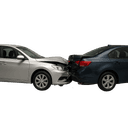
Collision Coverage
Pays for damage to your vehicle in an accident

Comprehensive Coverage
Covers theft, vandalism, weather, and animal damage

Medical Payments
Covers medical costs for your drivers and passengers

Uninsured Motorist
Protection when the other driver lacks insurance
Hired & Non-Owned Auto
Covers rented or employee-owned vehicles used for work
Commercial Auto Insurance Cost in Jacksonville
Average Cost in Florida
$160 - $550
per month
Businesses in Florida typically see commercial auto insurance premiums of $160 - $550 per month, which tends to run 29% above the national range of $140 - $410 per month.
- Fleet size and vehicle types
- Driver records and experience
- Coverage limits and deductibles
- Business industry and use
- Annual mileage and operating radius
- Claims history
Rates based on small business averages. Your actual premium may vary.
Prices shown are general estimates, not guaranteed rates or quotes. Your actual premium will depend on the insurer, coverage selected, business details, location, claims history, and other underwriting factors. Learn about our pricing methodology.
Florida's 2023 crash volume and average claim severity help explain why liability and collision pricing can move quickly when a business has frequent highway driving or urban stop-and-go routes. Weather exposure also matters, as hurricanes, flooding, and severe storms can push comprehensive pricing higher for vehicles parked outdoors in coastal counties or low-lying areas. Multiple carriers compete for Florida commercial auto business, but the market still reflects the state's elevated risk profile, so quotes can differ widely depending on carrier, vehicle class, and whether you add hired auto, non-owned auto, or commercial auto liability coverage. Businesses in construction, delivery, and other high-mileage operations often see different pricing than office-based companies with limited local travel.
Industries & Insurance Needs in Jacksonville
Duval County business mix changes how commercial auto gets used day to day. The county has 28,051 business establishments, and its largest establishment shares are professional, scientific, and technical services at 12.4%, retail trade at 12.1%, and health care and social assistance at 11.4%, so a local quote often needs to account for very different vehicle patterns under the same product label. A consultant may have a few client-visit sedans with occasional business use. A retailer may depend on scheduled deliveries, inventory transfers, or curbside fulfillment. A health care or social assistance operation may have employees driving to homes or facilities throughout the week. Those differences affect driver schedules, annual mileage, vehicle classes, and whether hired and non-owned auto should be reviewed alongside owned units. When you ask for pricing, describe the actual trip pattern, cargo or equipment carried, and whether employees ever use personal vehicles for work. That is what helps separate a usable quote from a generic one.
What Makes Jacksonville Different
Spread is the Jacksonville difference. Here, many businesses cover a wide service area with relatively ordinary vehicles, which makes utilization more important than image. A single pickup, cargo van, or small fleet may touch multiple neighborhoods, job sites, and customer stops in one day, and that operating pattern changes the insurance conversation. The issue is not just whether you have liability coverage. It is whether the policy matches how often vehicles are moving, who swaps into the driver seat, where they are parked after hours, and how much revenue depends on each unit staying available. In a market with a broad base of county businesses, commercial auto is often supporting field service, retail movement, and client travel rather than long-haul trucking. That means buyers should pay close attention to symbol selection, driver lists, permissive use, and hired and non-owned exposure if staff ever rent, borrow, or use personal cars for business errands. The more your operation relies on flexible routing, the less room you have for vague vehicle schedules or outdated driver information.
Our Recommendation for Jacksonville
Start your quote process by separating vehicles into core revenue units and backup units. If one truck missing for a week would delay jobs, cancel appointments, or force expensive rentals, review higher physical damage limits and a deductible your business can actually pay without strain. Next, match each driver to real use, not the cleanest version of it. If employees rotate among vehicles, say so. If an owner occasionally uses a personal vehicle for client visits or bank runs, ask whether hired and non-owned auto should be reviewed. For local fleets, garaging accuracy also matters more than many owners expect, especially when vehicles go home with employees or are stored at more than one address. Keep your vehicle schedule current, including added racks, wraps, or specialized equipment that changes replacement cost. If you are comparing proposals, do not focus only on premium. Put deductibles, liability limits, comprehensive and collision terms, and any downtime-sensitive endorsements side by side, then request a free, no-obligation quote built around actual routes and drivers.
Get Commercial Auto Insurance in Jacksonville
Enter your ZIP code to compare commercial auto insurance rates from carriers in Jacksonville, FL.
Business insurance starting at $25/mo
FAQ
Frequently Asked Questions
Jacksonville businesses often do, because even one truck can create a business-use exposure that a personal policy may not be designed to handle. If that vehicle carries tools, visits job sites, or is driven by employees, ask for a policy review based on actual use.
Jacksonville buyers should gather driver lists, VINs, garaging addresses, annual mileage, and a clear description of each vehicle's job. If employees use personal cars for errands or client visits, include that too so hired and non-owned exposure can be reviewed.
Duval County has 28,051 business establishments, with professional services, retail trade, and health care among the largest sectors, so vehicle use varies widely. Your quote should reflect whether you run client visits, deliveries, or mobile service calls, not just the vehicle type.
Jacksonville fleets should choose a deductible only after testing what the business can pay during a real loss. A higher deductible can reduce premium, but it also increases your out-of-pocket cost when a revenue-producing vehicle is damaged.
Jacksonville companies should usually review it if employees ever use personal vehicles for deposits, errands, or client meetings. That exposure sits outside your owned vehicle schedule, so it needs to be addressed deliberately rather than assumed.
In Florida, it can cover liability, collision, comprehensive, medical payments, and uninsured motorist protection for business-use vehicles, and it can also extend to hired and non-owned autos when those endorsements are added.
Pricing is driven by fleet size, vehicle type, mileage, driver records, and claims history, so quotes can vary widely even between similar operations. A delivery van logging daily highway miles in South Florida will price differently than a single company car used for occasional client visits in Tallahassee. The best way to find your number is to compare quotes with your actual details in hand.
Businesses that use cars, vans, pickups, or trucks for work in Florida usually need it, including companies that visit client sites, make deliveries, transport tools or materials, rent vehicles for jobs, or let employees drive personal cars for business errands.
Sources
- 1.U.S. Census Bureau, ACS 5-Year Estimates, table B19013(With median household income at $66,981, a damaged van, pickup, or box truck can still be expensive to replace, rent around, or leave idle while you wait on repairs.)
- 2.U.S. Census Bureau, County Business Patterns, Duval County(The county has 28,051 business establishments, and its largest establishment shares are professional, scientific, and technical services at 12.4%, retail trade at 12.1%, and health care and social assistance at 11.4%.)
Updated July 5, 2026