








































Updated July 16, 2026

Commercial Truck Insurance in Jacksonville
Your insurance review here should match how trucks actually move through a large port, warehouse, retail, and service economy, not just a generic statewide trucking profile. Local operators often split time between container pickups, distributor runs, contractor deliveries, medical supply stops, and retail replenishment across a wide county footprint. That changes what an underwriter will want to see about your operating radius, where trucks are garaged, and how drivers move between terminals, customer sites, and overnight parking. Duval County has 28,051 business establishments, so expect more contract requirements and certificate demands than operators in less concentrated markets. Proof of coverage, higher liability limits, and clean certificates often matter before a shipper, broker, landlord, or larger customer lets work start. If your routes touch industrial corridors one day and neighborhood delivery stops the next, a quote built around your actual vehicle class, commodity, radius, driver files, and storage locations can make the difference between a policy that fits and one that leaves gaps.
Commercial Truck Insurance Risk Factors in Jacksonville
Jacksonville's top risk factors include Flooding, Hurricane damage, Coastal storm surge, and Wind damage.
Florida has a very high climate risk rating. Top hazards: Hurricane (Very High), Flooding (Very High), Severe Storm (High), Sinkhole (Moderate). The state's expected annual loss from natural hazards is $8.2B, which influences commercial truck insurance premiums and may affect coverage availability in high-risk areas.
What Commercial Truck Insurance Covers
Your policy is built around how your truck operates on Florida roads, not just around the vehicle type. Motor carrier liability is the core layer for many trucking businesses. Physical damage coverage can help pay for repair or replacement costs after a covered collision or other covered loss. Cargo insurance may protect freight in transit, and trailer interchange coverage may matter if you haul non-owned trailers under agreement. Bobtail coverage and non-trucking liability are often considered by owner-operators whose truck may be used off-dispatch or without a trailer.
Florida does not provide a special trucking-only minimum. Commercial auto minimums are listed at $10,000 personal injury protection and $10,000 property damage liability, which is Florida's no-fault structure, and bodily injury liability can be required after certain violations. Federal freight-hauling requirements may also apply depending on your operation, and many shippers and brokers ask for higher limits than the minimums. The Florida Office of Insurance Regulation oversees policy forms, endorsements, and carrier availability, which means those details can vary by insurer. Because hurricane, flooding, and severe-storm exposure are elevated, endorsements and deductibles can matter as much as the base policy. This is especially true for trucks parked near coastal routes, depots, or terminals in low-lying areas.
Coverage Included

Motor Carrier Liability
Can help cover injuries and property damage your truck causes to others, a coverage federal regulators require most for-hire carriers to maintain.

Physical Damage
Can help pay to repair or replace your own truck after an accident, fire, theft, or vandalism.
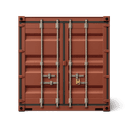
Cargo Coverage
May pay for damage to or theft of the freight you are hauling while it is in your care.
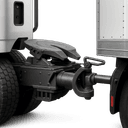
Trailer Interchange
Can help cover damage to trailers you haul under an interchange agreement but do not own.

Bobtail Coverage
May provide liability protection when you drive your tractor without a trailer attached, such as after dropping off a load.

Non-Trucking Liability
Can help cover accidents that happen when you use your truck for personal errands rather than dispatched work.
Commercial Truck Insurance Cost in Jacksonville
Average Cost in Florida
$460 - $1,475
per month
Businesses in Florida typically see commercial truck insurance premiums of $460 - $1,475 per month, which tends to run 27% above the national range of $400 - $1,125 per month.
- Radius of operation
- Commodities hauled and cargo value
- Number and value of power units
- Driver motor vehicle records and CDL experience
- DOT safety record, inspections, and FMCSA scores
- Liability limits and physical damage deductibles
Contact CPK Insurance for a personalized quote.
Prices shown are general estimates, not guaranteed rates or quotes. Your actual premium will depend on the insurer, coverage selected, business details, location, claims history, and other underwriting factors. Learn about our pricing methodology.
Cost depends on limits, deductibles, claims history, location, industry risk, and endorsements. That premium pattern fits a state where severe storm exposure and a large volume of roadway incidents compound carrier risk. Florida logged 401,000 crashes in 2023, which means carriers see frequent accident claims on the state's highways and push pricing up accordingly. With the average claim cost reaching $21,700, even a single at-fault incident can hit your renewal hard. That is why carriers price conservatively when a truck operates in dense traffic corridors or storm-prone regions. Coastal freight lanes, hurricane evacuation routes, and flood-prone parking areas can change how a carrier views the account.
Coverage limits and deductibles have a direct effect on price, as do endorsements for cargo, trailer interchange, bobtail coverage, and non-trucking liability. A local delivery van, a dump truck, and a long-haul tractor-trailer may not be priced the same way. Florida's large insurance market creates more shopping options, but they do not remove the need to compare terms carefully. A quote should be reviewed against the exact routes, freight type, and operating radius you use today, because those details can move pricing up or down.
Industries & Insurance Needs in Jacksonville
Duval County's business mix changes the conversation because it points to the kinds of accounts local trucks often serve. Professional, scientific, and technical services make up 12.4% of county establishments, retail trade 12.1%, and health care and social assistance 11.4%, so many trucking risks here are not just long-haul freight. They can include scheduled deliveries, service-related vehicle use, time-sensitive medical routes, and recurring retail replenishment with tighter customer requirements around certificates, driver screening, and missed-delivery consequences. That matters when you request terms. A policy for a box truck serving clinics or stores may need a different review than a dump truck, hotshot unit, or tractor pulling mixed freight. If your book of business crosses several customer types, separate your vehicle schedules by use, list your top commodities, and tell the agent which accounts require additional insured status, waiver language, or specific limits before they release a load or sign a service contract.
What Makes Jacksonville Different
In many markets, the main question is simply how the truck is used. Here, the bigger issue is often who requires evidence of coverage before your truck ever reaches the dock, job site, clinic, store, or leased yard. Duval County has a wide field of shippers, vendors, property managers, and contractors, and each can impose its own insurance conditions. The real work is matching your limits, endorsements, and certificate process to the contracts you actually sign. When you add power units, swap trailers, bring on subcontracted drivers, or add parking locations, fold those details into your quote request early so the indication reflects your real operation. Pull your customer paperwork next to your truck title and VIN list, because the contract terms often drive the coverage you need.
Our Recommendation for Jacksonville
Start with a clear picture of how your trucks run each week, then weigh that against what your customers require. If you run different vehicle types or serve different customer classes, ask for each unit to be matched to its actual use instead of placing every truck under one broad description. That can affect how your liability, physical damage, cargo, and non-owned auto exposures are reviewed. Underwriters usually want a current list of garaging addresses, driver rosters, MVR review practices, and any leased-on arrangements before they can give a dependable indication. If a customer asks for special wording, send the contract before binding, not after. That gives you room to check endorsements against the actual work. Jacksonville buyers should also compare how each quote handles loss-related downtime, deductible structure, and certificate turnaround. Those service points can matter as much as premium once loads are scheduled.
Get Commercial Truck Insurance in Jacksonville
Enter your ZIP code to compare commercial truck insurance rates from carriers in Jacksonville, FL.
Business insurance starting at $25/mo
FAQ
Frequently Asked Questions
Jacksonville trucking companies work a broad mix of docks, retailers, contractors, and service accounts across Duval County. Certificate requirements and contract language can shape the policy review almost as much as the truck itself.
Jacksonville delivery operators should lead with vehicle type, cargo, operating radius, garaging, and whether drivers make recurring retail or medical stops. The goal is a quote that reflects scheduled local delivery work rather than a generic trucking description.
Duval County business mix can affect insurance decisions because customer types drive contract demands. Professional, scientific, and technical services are 12.4% of establishments, retail trade 12.1%, and health care and social assistance 11.4%. In plain terms, a single fleet may face very different requirements from one account to the next.
Jacksonville owner-operators should review customer contracts before binding coverage, especially if a broker, shipper, or landlord requires specific limits or endorsements. Sending that paperwork early gives the policy a better chance of matching the work you are actually taking.
Before a truck can load or enter a facility, documented coverage is often required. Delays in certificate issuance can slow load pickups, site access, or vendor approval.
In Florida, the policy can be built around motor carrier liability, physical damage, cargo coverage, and other endorsements depending on how the truck is used.
Florida commercial auto minimums apply, while federal freight-hauling requirements may also apply. Check your contracts before assuming the state minimum is enough.
Cost depends on limits, deductibles, claims history, location, industry risk, and endorsements. The quoted range in the state runs from $460 to $1,475 per truck per month, reflecting the spread between local delivery and long-haul operations.
Sources
- 1.U.S. Census Bureau, County Business Patterns, Duval County(In Duval County, there are 28,051 business establishments, so proof of coverage, higher liability limits, and clean certificates often matter before a shipper, broker, landlord, or larger customer lets work start.; Professional, scientific, and technical services make up 12.4% of county establishments, retail trade 12.1%, and health care and social assistance 11.4%, so many trucking risks here are not just long-haul freight.)
Updated July 16, 2026





