Updated July 16, 2026

Homeowners Insurance in Jacksonville
If you are comparing your options here, what matters most is how your address shifts the actual risk behind your policy. Jacksonville has a 25% flood-zone share, so you should assume water damage is a realistic threat to roughly one in four homes here. The city also sees frequent natural disasters, with severe weather events topping the list of local threats. Two homes on opposite sides of town can require very different coverage decisions, even before you factor in the roof, the age of the home, or the rebuild cost. Jacksonville spans a broad mix of neighborhoods and housing types, from inland subdivisions to properties closer to the water, so a single policy structure will not fit every address. With a median home value of $230,000 and a cost of living index of 136, you may find that full replacement coverage costs more than expected relative to local incomes. The practical task is matching your policy to the specific exposure your block faces.
Florida has a very high climate risk rating. Top hazards: Hurricane (Very High), Flooding (Very High), Severe Storm (High), Sinkhole (Moderate). The state's expected annual loss from natural hazards is $8.2B, which influences homeowners insurance premiums and may affect coverage availability in high-risk areas.
What Homeowners Insurance Covers
Start by reviewing the dwelling estimate against the actual features of your house, including roof shape, attached structures, flooring grade, and any upgrades that would affect rebuild cost after a major weather loss. If those details are wrong, the rest of the policy can look fine on paper and still leave you arguing over value later.
You should also read the deductible section carefully. Storm-related losses can trigger different out-of-pocket costs than a routine kitchen fire or theft claim, so the deductible structure deserves as much attention as the premium. Ask the agent to show you how each deductible applies in a sample claim scenario, then decide whether the savings are worth the larger cash obligation after a severe event.
Water is another area where buyers need precision. A standard policy may help cover some sudden and accidental interior water damage, but that does not mean every water event is treated the same way. Ask where the policy draws the line on wind-driven rain, sewer or drain backup options, and damage that starts outside the home. If your property has a pool cage, detached shed, dock-adjacent equipment, or a high-value jewelry collection, request that each item be reviewed specifically instead of assuming the base form handles it the way you expect.
Coverage Included

Dwelling
Repairs or rebuilds your home itself, the walls, roof, floors, built-in appliances, and attached structures like a garage, after a covered loss. Set this limit to the full cost of rebuilding, not market value.
Other Structures
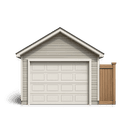
Detached structures on your property, such as a fence, shed, detached garage, or gazebo. Usually set at about 10 percent of your dwelling limit [2].

Personal Property
Your belongings, furniture, clothing, electronics, and appliances, generally written at 50 to 70 percent of your dwelling limit [2]. High-value items like jewelry and art carry special limits.

Additional Living Expenses
Also called loss of use. Pays your added living costs, hotel stays, meals, and a temporary rental, while a covered loss makes your home uninhabitable. Usually set at about 20 percent of your dwelling limit.

Liability
Covers you if someone is injured on your property, or you damage someone else's property, and you are found responsible. The standard $100,000 limit [2] is often raised to $300,000 or $500,000.

Medical Payments
Pays small medical bills, commonly $1,000 to $5,000, if a guest is hurt at your home regardless of fault, without a formal liability claim.
Homeowners Insurance Cost in Jacksonville
Average Cost in Florida
$270 - $675
per month
In Florida, homeowners insurance premiums typically run $270 - $675 per month, which tends to run 163% above the national range of $110 - $250 per month.
- Home replacement cost, age, and construction type
- Roof age, material, and condition
- ZIP code and local weather risk (wind, hail, wildfire, hurricane)
- Coverage limits and endorsements
- All-peril and percentage wind/hail deductibles
- Claims history and insurance score where allowed
Typical range for many standard homeowners profiles; lower-risk homes fall below it and coastal, wildfire, or older-roof homes can run well above. Final pricing depends on property details, location, underwriting, and selected coverage.
Prices shown are general estimates, not guaranteed rates or quotes. Your actual premium will depend on the insurer, coverage selected, personal details, location, claims history, and other underwriting factors. Learn about our pricing methodology.
Homeowners pricing in Florida moves on construction details, storm exposure, prior claims, deductible choices, and how the insurer evaluates the age and condition of major systems. Premiums can range widely, from under $150 a month for a newer inland home with strong mitigation features to over $400 a month for older coastal properties with higher risk profiles. Your premium depends on factors like the home's location, roof characteristics, protection features, coverage limits, and loss history. Compare the same dwelling amount, deductibles, liability limit, and endorsements across each option, then ask what specifically is driving the premium.
A newer roof, documented updates, and stronger opening protection can change how an underwriter views the risk. So can the distance to the coast, the home's replacement cost, prior water losses, dog liability concerns, or whether the property is owner occupied full time. The same square footage can price very differently if one home has older plumbing, an aging roof covering, or a deductible structure that shifts more cost back to you after a storm.
If one quote is materially lower, find out whether it reflects narrower water coverage, a higher hurricane deductible, reduced personal property settlement terms, or stricter roof payment terms. A lower premium only helps if the policy still fits the way your Florida home could actually be damaged.
What Makes Jacksonville Different
What sets Jacksonville apart is how flood exposure and storm-driven wind risk interact across a city that is not uniform from block to block. A 25% flood-zone share means many homeowners must think beyond the house itself and evaluate how location affects the chance of water damage, storm surge, and longer recovery time. That makes rebuilding your home after a disaster more than a simple replacement-cost calculation. It also changes how people think about protecting their belongings and paying for a temporary place to live, because a covered loss can force a move while repairs are underway. Your policy should reflect the home's value, its exact location, and the likely claim scenario together.
Our Recommendation for Jacksonville
Begin with your home's exact address and flood exposure before you compare quotes, since risk here can change sharply by location. Then make sure dwelling coverage matches the likely rebuild cost, not just the market value of the property. Review your personal property limits and temporary-housing protection so a storm claim does not leave you short on replacement costs or a place to stay. If you are near higher-risk water or drainage areas, ask how the policy treats flood-related loss and what separate protection may be needed. A low monthly premium can look appealing until a claim leaves you with out-of-pocket costs your budget cannot absorb, so review the deductible structure carefully. For homes with older roofs or past repairs, ask how those details affect your quote before you bind coverage.
Get Homeowners Insurance in Jacksonville
Enter your ZIP code to compare homeowners insurance rates from carriers in Jacksonville, FL.
Home insurance starting at $50/mo
FAQ
Frequently Asked Questions
Jacksonville has a 25% flood-zone share, so one in four homes here faces a meaningful chance of water damage. The city also contends with hurricanes, coastal surge, and high winds. Two homes in different parts of the city can face very different claim exposure, which can change both what your policy needs to include and what you pay for it.
Start with the structure of your home, then look at your belongings and your temporary-housing protection. In Jacksonville, the goal is to make sure the policy can support repairs, belongings replacement, and a place to live after a covered loss.
Jacksonville's cost of living index is 136 and the median household income is $59,088, so balancing real protection against what you can actually afford month to month matters for many households. That often means comparing deductibles and coverage limits carefully instead of choosing only by monthly price.
Ask how the policy responds to flooding, storm surge, hurricane damage, and wind damage, especially if your home is in or near a flood-prone area. Knowing how your policy handles these common local threats helps you judge whether a quote is worth it.
Neighborhoods closer to water or in lower-lying areas may need a different coverage strategy than inland homes because flood exposure can vary. That can change how much structural protection and temporary-living support you want to carry.
Florida quotes can separate quickly because insurers weigh roof age, storm exposure, water risk, deductibles, and prior claims differently. Forms and filings are regulated, but underwriting appetite still varies by home, so two carriers can price the same address very differently. The practical next step is to compare coverage terms side by side.
Florida homeowners should choose a higher hurricane deductible only if the premium savings justify the larger cash payment after a severe storm loss. Ask for claim examples using your exact quote so you can compare monthly savings against real out-of-pocket exposure.
Florida homes with newer roofs or documented roof updates are often easier to place because roof condition is a major underwriting issue. Bring permits, invoices, or inspection reports to the quote process so the insurer evaluates the home on verified details. A complete submission usually produces a more reliable quote than an application built on estimates.
Updated July 16, 2026