Updated July 16, 2026

On-Hook Towing Insurance in Jacksonville
Jacksonville covers a lot of ground, and that spread shapes your on-hook exposure more than a generic Florida policy accounts for. Your risk often turns on route mix, handoff volume, and the kinds of vehicles your drivers pick up across a very spread-out local area. A tow that starts near a retail corridor, moves through a medical campus area, and ends at a repair facility or storage lot creates more custody transitions and more chances for a condition dispute. Duval County has 28,051 business establishments. That volume translates directly into more commercial accounts, vendor lots, and service properties calling for tows, which means more certificate requests before work can start. Professional, scientific, and technical services make up 12.4% of those establishments, retail trade 12.1%, and health care and social assistance 11.4%. In practical terms, your drivers are cycling through employee vehicles, customer cars, and time-sensitive units in busy parking areas where access is tight and patience runs short. Your quote should reflect where you tow, how often units change hands, and whether you handle private-property removals, with clear documentation of pre-tow condition on every pickup.
On-Hook Towing Insurance Risk Factors in Jacksonville
Local risk here is less about a single neighborhood and more about how far a unit may travel between pickup, staging, and final drop. Longer urban runs, crowded commercial parking areas, and repeated loading and unloading can raise the odds of a scratch, wheel damage allegation, or disagreement about when damage happened. Florida storm exposure is already part of the state conversation, but the local issue for a tower is operational: weather can compress demand into hectic periods when drivers are handling more vehicles in less time. That makes **photo documentation, dispatch timestamps, and clear lot procedures** more important than broad promises about coverage. If your work includes private-property towing, dealership moves, or after-hours pickups from retail and medical locations, ask for a policy review that matches those handoffs. You want limits and terms checked against your actual tow radius, storage practices, and the condition records your team can produce if a claim is challenged.
Florida has a very high climate risk rating. Top hazards: Hurricane (Very High), Flooding (Very High), Severe Storm (High), Sinkhole (Moderate). The state's expected annual loss from natural hazards is $8.2B, which influences on-hook towing insurance premiums and may affect coverage availability in high-risk areas.
What On-Hook Towing Insurance Covers
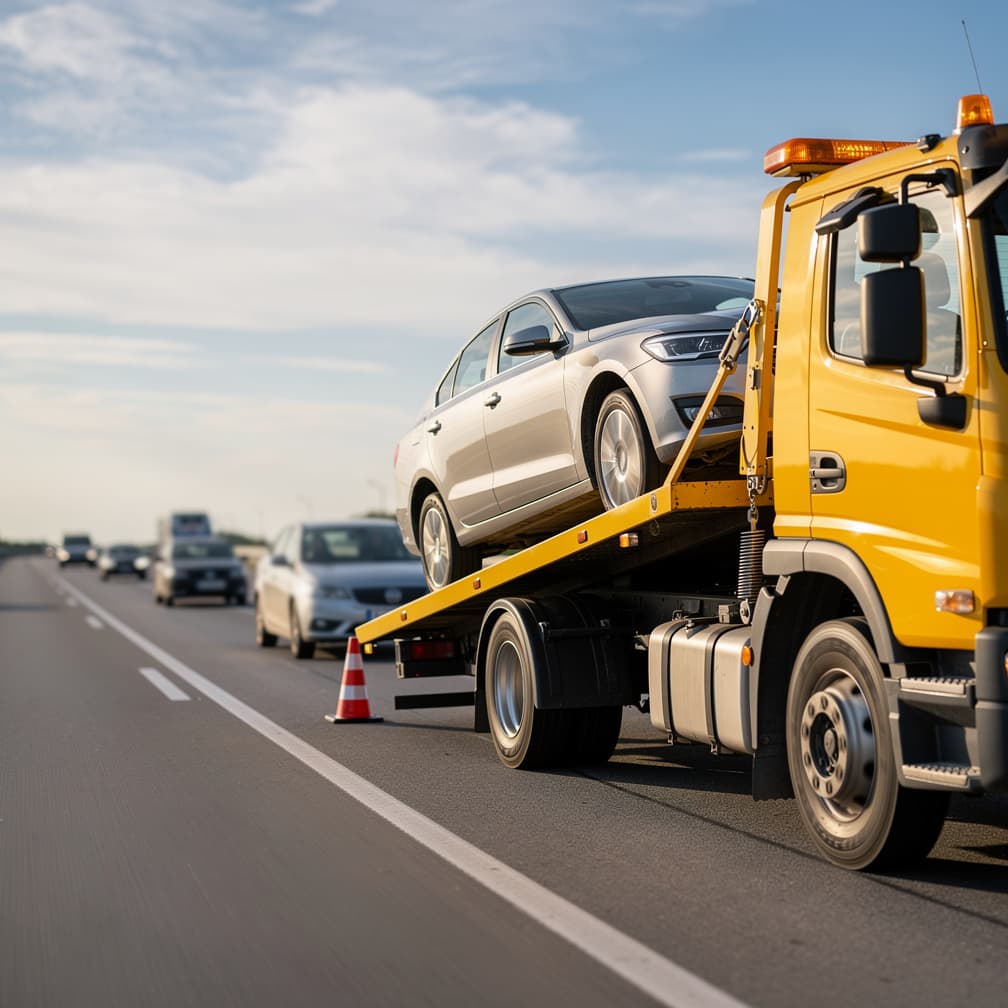
In Florida, a towing policy needs to respond at the exact moments a claim starts, whether that is a pickup from a tight condo garage, a move off a private lot after authorization, a transfer during heavy rain, or a delivery into a crowded repair facility with limited staging space.
A useful review starts with your actual handoff points. Ask whether your policy language and endorsements line up with wheel-lift work, flatbed transport, winching, recovery-adjacent calls, dealer moves, impounds, and after-hours releases.
You should also review the claim path, not just the coverage name. In Florida, weather-driven interruptions can leave a customer vehicle sitting longer at pickup or delivery, and crowded urban routes can create more opportunities for disputed pre-existing damage. That makes intake photos, dispatch notes, hookup procedures, and destination signoff part of the coverage conversation, because they affect how defensible a claim is after the fact.
When you compare policies, ask for clear wording on exclusions, reporting expectations, and any endorsements that narrow how covered towing activity is defined. If a form leaves room for argument about the kind of jobs you perform, ask for clarification before you bind coverage.
Coverage Included

Collision on Hook
Covers damage to towed vehicles from collisions during transport.

Comprehensive on Hook
Covers theft, fire, and weather damage to vehicles being towed.
Loading & Unloading
Covers damage during the process of loading and unloading vehicles.

Winching Coverage
Covers damage to vehicles during winching and recovery operations.
Multiple Vehicle
Covers all vehicles on multi-car carriers and rollback flatbeds.
What Makes Jacksonville Different
Your exposure here grows with every mile and every handoff. In a compact market, many claims stay tied to a short pickup and a simple drop. Here, a single day can involve commercial lots, apartment properties, repair shops, and roadside calls across a broad service area. The local business base creates a dense set of properties that may call for towing, but they do not all create the same claim profile. Professional services, retail, and health care facilities each bring different parking environments, access challenges, and vehicle condition disputes that can escalate quickly. When you request terms, ask the agent to walk through your dispatch pattern, property types, after-hours work, and documentation process so the policy matches how your trucks actually operate.
Our Recommendation for Jacksonville
Start with your job mix, not your declarations page. If you handle private-property removals, roadside recoveries, dealer transfers, and storage-lot moves, separate those workflows before you request terms so underwriters can see where your exposure really changes. Keep your pre-tow and post-drop photos consistent, time-stamped, and easy to retrieve, because a disputed damage claim often turns on records more than memory. Jacksonville's median household income is $66,981. For you, that means many vehicle owners depend on that car or truck for daily work and family logistics, so a dispute over damage can escalate to a complaint almost immediately. Review whether your limits make sense for the mix of everyday passenger vehicles and higher-value units you may touch during a normal week. A useful quote review covers tow radius, storage intervals, after-hours releases, and who signs off at pickup and delivery.
Get On-Hook Towing Insurance in Jacksonville
Enter your ZIP code to compare on-hook towing insurance rates from carriers in Jacksonville, FL.
Business insurance starting at $25/mo
FAQ
Frequently Asked Questions
Jacksonville towers often work across a broad service area with multiple handoffs in one day, so disputes can center on where damage happened, who had custody, and how well the pickup condition was documented.
Duval County has a large business base, so towers may see more calls tied to commercial properties, vendor lots, and service locations. That can increase certificate requests and make your route mix and documentation process more important during underwriting.
Focus on lot type, after-hours procedures, release practices, and photo documentation. When a vehicle owner disputes condition or handling, those specifics carry more weight than a generic policy summary.
Professional services, retail, and health care facilities each create different parking environments and access challenges. Your policy needs to account for the lots your drivers actually enter, not a generic commercial profile.
Review limits before renewing if your tow radius, vehicle mix, or storage practices changed during the year. A policy that fit short local runs may need adjustment if your jobs now involve longer transports or more commercial accounts.
Florida landlords, municipal clients, storage facilities, and lenders often ask for proof before they allow lot access, sign a towing agreement, or release a vehicle for transport. Keep certificates and contract-ready policy details organized before you bid or dispatch.
Florida does. That means policy forms and insurer filings must meet state standards, and you have a formal complaint process if a claim dispute escalates. Read exclusions and endorsements carefully before binding so you understand what the state framework allows and requires.
Florida operations often deal with heavy rain, storm disruptions, dense traffic, and tight pickup locations, which can blur when damage happened. Intake photos, dispatch timestamps, and delivery signoff help you defend the file with facts instead of assumptions.
Sources
- 1.U.S. Census Bureau, County Business Patterns, Duval County(Duval County has 28,051 business establishments, so commercial accounts, vendor lots, and service properties can generate steady call volume and more certificate requests before work starts.; The county mix also matters: professional, scientific, and technical services account for 12.4% of establishments, retail trade 12.1%, and health care and social assistance 11.4%, so you may be moving employee vehicles, customer cars, and time-sensitive units tied to busy parking areas.)
- 2.U.S. Census Bureau, ACS 5-Year Estimates, table B19013(Jacksonville median household income is $66,981, which can be a useful reminder that many owners depend heavily on the vehicle you are towing for work, family logistics, or both, so complaints can become urgent fast.)
Updated July 16, 2026