








































Updated July 16, 2026

Builders Risk Insurance in St. Petersburg
Professional, scientific, and technical services lead the business mix in Pinellas County at 15.9%, ahead of health care and social assistance at 12.4% and retail trade at 11.8%, which means much of the construction work here ties back to office build-outs, medical space updates, and tenant improvements with contracts, lenders, and opening dates riding on the schedule. What you are really protecting is a project timeline that supports lease obligations, equipment delivery, and coordinated trades in occupied or near-occupied settings, not just lumber, fixtures, and partially installed systems. Countywide, 31,897 business establishments mean jobs here often involve neighboring tenants, vendor access, and owners who want clear evidence that property under construction is insured before materials arrive or draws continue, so you can expect tighter documentation requirements on most local projects. If your project is a renovation, infill build, or phased commercial update, your policy should match the actual scope, the value of materials stored on site, and the point when existing structure, new work, and temporary protection measures overlap.
Builders Risk Insurance Risk Factors in St. Petersburg
St. Petersburg's top risk factors include Flooding, Hurricane damage, Coastal storm surge, and Wind damage.
Florida has a very high climate risk rating. Top hazards: Hurricane (Very High), Flooding (Very High), Severe Storm (High), Sinkhole (Moderate). The state's expected annual loss from natural hazards is $8.2B, which influences builders risk insurance premiums and may affect coverage availability in high-risk areas.
What Builders Risk Insurance Covers
In Florida, the useful review starts with the parts of the job that are most exposed before completion. The highest vulnerability is during framing, dry-in, window installation, roofing, interior rough-in, and while high-value materials are staged for the next trade. That is where you want the quote to match the sequence of construction, not just the address and completed value.
For coastal and inland Florida work alike, ask how the policy treats property in transit, items stored on site, and materials that arrive early because of lead times. If cabinets, mechanical equipment, windows, or finish materials sit in a container, garage, or partially enclosed structure, you want those details reviewed before a loss, not argued after one. The same goes for temporary structures, fencing, and soft cost options if your contract or financing arrangement makes delay expensive.
Renovation work deserves extra attention because the line between existing property and new work can get blurry fast. If you are improving an occupied building, ask where the builders risk policy may end and where the property policy for the existing structure begins. That matters when water enters through an opening created by the work, when materials are stolen before installation, or when a partial loss affects both old and new components.
Florida also has a named regulator, the Florida Office of Insurance Regulation. What that means for you is practical: insurers must file their policy language and endorsements with the state. So if you are comparing forms, keep your review tied to that filed language rather than assumptions from another state. The practical next step is to mark up the site plan and schedule so the coverage review follows the project phase by phase.
Coverage Included

Structure Coverage
Covers the building or structure under construction.

Materials on Site
Covers building materials stored at the construction site.

Materials in Transit
Covers materials being transported to the job site.
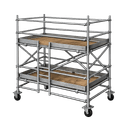
Temporary Structures
Covers scaffolding, fencing, and temporary buildings.

Soft Costs
Covers additional expenses from construction delays due to covered losses.

Equipment Coverage
Covers permanently installed fixtures and equipment.
What Makes St. Petersburg Different
Commercial renovation pressure is the main local difference. In a market shaped by professional offices, medical users, and storefront space, many projects are not clean ground-up builds on isolated sites. They are interior renovations, phased improvements, and reconfigurations where new materials arrive while parts of the property remain in service or close to turnover. The risk is that builders risk is easier to mis-size on a job that mixes existing structure, owner-furnished items, and partially installed building systems. St. Petersburg's median home value is $331,500, and at that level even residential work can involve enough property value that owners and lenders want the covered value, soft-cost needs, and completion timing reviewed carefully rather than estimated loosely, which means a loose estimate on a remodel here can leave a six-figure gap between insured value and actual rebuild cost. The practical question is whether the form, valuation approach, and project description fit a renovation-heavy market where delays, stored materials, and handoff dates can create a larger financial problem than the physical damage itself, not just whether you have a policy.
Our Recommendation for St. Petersburg
Start with the contract set, not a generic application. For a local build-out or renovation, ask your agent to review who is responsible for materials after delivery, whether owner-purchased fixtures need to be scheduled, and how the policy handles temporary works and partially installed mechanical or electrical components. If the job is tied to a lender draw schedule or tenant opening date, ask whether soft costs or delay-related exposures should be reviewed, because those details are easy to miss on smaller commercial projects. For residential work, use the actual rebuild budget and finish level instead of relying on neighborhood assumptions. St. Petersburg median household income is $73,118, and at that spending level buyers tend to choose upgrades that raise the value of cabinets, flooring, lighting, and appliances during a remodel, so a policy based on standard finishes can fall short of what a kitchen or bath actually costs to rebuild mid-project. Before binding, compare the covered property description against the estimate, delivery schedule, and any phase plan so there is less room for dispute after a loss.
Get Builders Risk Insurance in St. Petersburg
Enter your ZIP code to compare builders risk insurance rates from carriers in St. Petersburg, FL.
Business insurance starting at $25/mo
FAQ
Frequently Asked Questions
Renovation jobs often need closer review because materials, existing structure, and phased work can overlap in ways that a standard new-build form was not designed to handle. If your project is a tenant improvement or remodel, ask for the policy description and covered values to match the actual scope rather than a simplified new-build template.
With tens of thousands of business establishments countywide, many projects involve leased space, neighboring tenants, and lender or landlord documentation that dictates who must appear on the policy and when. Before work begins, sort out named insureds, evidence of coverage, and the point at which materials become your responsibility.
Commercial build-outs can need different limits because office, medical, and retail projects often include higher-value interior finishes and owner-furnished items that a generic limit may not fully reflect. Review installed value, stored materials, and any equipment delivery schedule before you bind coverage for the job.
A major remodel can put substantial property value and new materials at stake during construction, especially in a market where home prices run well above national norms and a gap between insured value and actual cost can run well into six figures. Ask how the policy treats the existing structure, new work, and any vacancy or occupancy changes.
The local economy skews toward professional services, health care, and retail, which points to more build-outs and phased renovations where the project description and timing carry more weight than they would on a ground-up build. Give those details extra attention when you request a quote.
In Florida, the buyer is usually the party the contract makes responsible for insuring the work, often the owner, developer, or general contractor. Review the construction agreement and lender requirements together before binding so the named insureds and project responsibilities line up.
Florida projects often need a close review of wind-related terms because storm exposure can change by location, construction phase, and policy wording. Ask specifically about deductibles, protective conditions, and whether materials on site are treated differently before installation.
Florida renovations are often worth reviewing because the exposure is not just the new work, it is also how that work interacts with the existing building. Clarify where builders risk ends, where the property policy begins, and how occupied areas are protected.
Sources
- 1.U.S. Census Bureau, County Business Patterns, Pinellas County(Professional, scientific, and technical services lead the business mix in Pinellas County at 15.9%, ahead of health care and social assistance at 12.4% and retail trade at 11.8%.; Countywide, there are 31,897 business establishments.)
- 2.U.S. Census Bureau, ACS 5-Year Estimates, table B25077(St. Petersburg's median home value is $331,500.)
- 3.U.S. Census Bureau, ACS 5-Year Estimates, table B19013(St. Petersburg median household income is $73,118.)
Updated July 16, 2026





