Updated July 16, 2026

On-Hook Towing Insurance in St. Petersburg
Professional, scientific, and technical services lead the business mix in Pinellas County at 15.9%, with health care and social assistance at 12.4% and retail trade at 11.8%. For a tow operator, that means a large share of your calls may originate at office parks, clinics, and storefronts where timing and condition disputes surface quickly. Your policy review should match the jobs you actually take, whether you are clearing a disabled car from a medical office lot or moving a unit after a private-property authorization. Pinellas County also has a dense commercial base, so more property managers, tenants, and fleet users may ask for certificates and tighter contract language before they let you work. If your route mix includes private lots and repeat accounts, ask for quote options that address vehicle-in-custody handling and disputed damage claims.
On-Hook Towing Insurance Risk Factors in St. Petersburg
St. Petersburg's top risk factors include Flooding, Hurricane damage, Coastal storm surge, and Wind damage.
Florida has a very high climate risk rating. Top hazards: Hurricane (Very High), Flooding (Very High), Severe Storm (High), Sinkhole (Moderate). The state's expected annual loss from natural hazards is $8.2B, which influences on-hook towing insurance premiums and may affect coverage availability in high-risk areas.
What On-Hook Towing Insurance Covers
In Florida, a towing policy needs to respond at the exact moments a claim starts, whether that is a pickup from a tight condo garage, a move off a private lot after authorization, a transfer during heavy rain, or a delivery into a crowded repair facility with limited staging space.
A useful review starts with your actual handoff points. Ask whether your policy language and endorsements line up with wheel-lift work, flatbed transport, winching, recovery-adjacent calls, dealer moves, impounds, and after-hours releases.
You should also review the claim path, not just the coverage name. In Florida, weather-driven interruptions can leave a customer vehicle sitting longer at pickup or delivery, and crowded urban routes can create more opportunities for disputed pre-existing damage. That makes intake photos, dispatch notes, hookup procedures, and destination signoff part of the coverage conversation, because they affect how defensible a claim is after the fact.
When you compare policies, ask for clear wording on exclusions, reporting expectations, and any endorsements that narrow how covered towing activity is defined. If a form leaves room for argument about the kind of jobs you perform, ask for clarification before you bind coverage.
Coverage Included

Collision on Hook
Covers damage to towed vehicles from collisions during transport.

Comprehensive on Hook
Covers theft, fire, and weather damage to vehicles being towed.
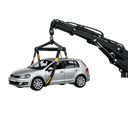
Loading & Unloading
Covers damage during the process of loading and unloading vehicles.
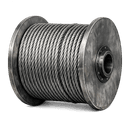
Winching Coverage
Covers damage to vehicles during winching and recovery operations.

Multiple Vehicle
Covers all vehicles on multi-car carriers and rollback flatbeds.
What Makes St. Petersburg Different
Pinellas County has 31,897 business establishments. More businesses mean more private-property jobs and repeat commercial accounts with their own paperwork standards, which can change how towing losses develop. A simple hookup issue can become a larger dispute if the vehicle came from a clinic lot or an office property where several parties have records, cameras, and deadlines. Office parks, medical sites, and retail locations tend to care about access, turnover, and customer complaints, so those settings can shape claim disputes more than residential calls do. For you, the buying decision is less about broad Florida language and more about whether the policy fits your real dispatch mix and after-hours procedures. The contracts you sign most often should drive the questions you bring to an insurer.
Our Recommendation for St. Petersburg
Start with your job mix, not a generic towing application. If a meaningful share of your calls comes from office properties, medical sites, or retail lots, ask your agent to review how your on-hook coverage responds when a damage allegation surfaces after the vehicle leaves the scene. Keep your certificate process tight as well, because commercial clients often want proof of coverage before assigning recurring work. In this market, it is also smart to review how you document pre-tow condition and track each job from authorization through delivery, since those details often decide whether a claim stays manageable. St. Petersburg buyers should also compare policy terms against the kinds of units they move most often, especially if they handle a mix of standard passenger vehicles and higher-value customer cars. The more your coverage discussion reflects the jobs you actually run, the fewer surprises you face at claim time.
Get On-Hook Towing Insurance in St. Petersburg
Enter your ZIP code to compare on-hook towing insurance rates from carriers in St. Petersburg, FL.
Business insurance starting at $25/mo
FAQ
Frequently Asked Questions
St. Petersburg area towing work often connects to county commercial properties, so more jobs can involve contracts, certificates, and documented handoffs. Those requirements can shift which policy terms matter most for your operation.
Pinellas County's professional services, health care, and retail sectors lead by establishment share, so office lots, clinics, and storefront properties can drive towing assignments. Tightening your condition photos, authorization records, and delivery documentation before renewal can help you stay ahead of disputes in those settings.
Pinellas County business density matters because more landlords, managers, and commercial tenants can require certificates before they release access or assign towing work. Recurring property accounts tend to carry the strictest contract language, so your policy should match those expectations.
St. Petersburg's median household income is $73,118. In practical terms, some customer vehicles may carry higher values and get more scrutiny after a tow, so your policy limits should match the value and mix of vehicles you handle.
Florida landlords, municipal clients, storage facilities, and lenders often ask for proof before they allow lot access, sign a towing agreement, or release a vehicle for transport. Keep certificates and contract-ready policy details organized before you bid or dispatch.
Florida does. That means policy forms and insurer filings must meet state standards, and you have a formal complaint process if a claim dispute escalates. Read exclusions and endorsements carefully before binding so you understand what the state framework allows and requires.
Florida operations often deal with heavy rain, storm disruptions, dense traffic, and tight pickup locations, which can blur when damage happened. Intake photos, dispatch timestamps, and delivery signoff help you defend the file with facts instead of assumptions.
Florida impound and condo jobs deserve closer review because they often involve narrow access, after-hours pickups, and disputes over pre-existing damage. Ask whether your quote clearly reflects those assignments rather than assuming only routine roadside towing.
Sources
- 1.U.S. Census Bureau, County Business Patterns, Pinellas County(Professional, scientific, and technical services lead the business mix in Pinellas County at 15.9%, with health care and social assistance at 12.4% and retail trade at 11.8%.; Pinellas County has 31,897 business establishments.)
- 2.U.S. Census Bureau, ACS 5-Year Estimates, table B19013(St. Petersburg's median household income is $73,118.)
Updated July 16, 2026