Updated July 16, 2026

Builders Risk Insurance in Augusta
The decision point usually shows up fast. A lender asks for evidence of coverage before draws start, a downtown rehab finally gets permits, or a homeowner is about to move money into a major addition and wants the job insured before materials land. This kind of policy works best when you set it up around the actual build sequence, not just the address. That matters on local projects where a renovation may involve an older house with phased work, while a commercial job can have equipment, fixtures, and finish materials arriving in separate deliveries over several weeks. A $60,000 renovation on a $162,900 median-value home represents over a third of the property's worth, so even a modest scope error can leave a significant gap between what you spent and what the policy reflects. You should match limits to completed value, not just the first construction invoice. If you are building for a business occupant, expect to coordinate with multiple parties who each have their own paperwork requirements before allowing work to proceed.
Builders Risk Insurance Risk Factors in Augusta
Augusta's top risk factors include Flooding, Hurricane damage, Coastal storm surge, and Wind damage.
Georgia has a high climate risk rating. Top hazards: Hurricane (High), Tornado (High), Severe Storm (High), Flooding (Moderate). The state's expected annual loss from natural hazards is $2.4B, which influences builders risk insurance premiums and may affect coverage availability in high-risk areas.
What Builders Risk Insurance Covers
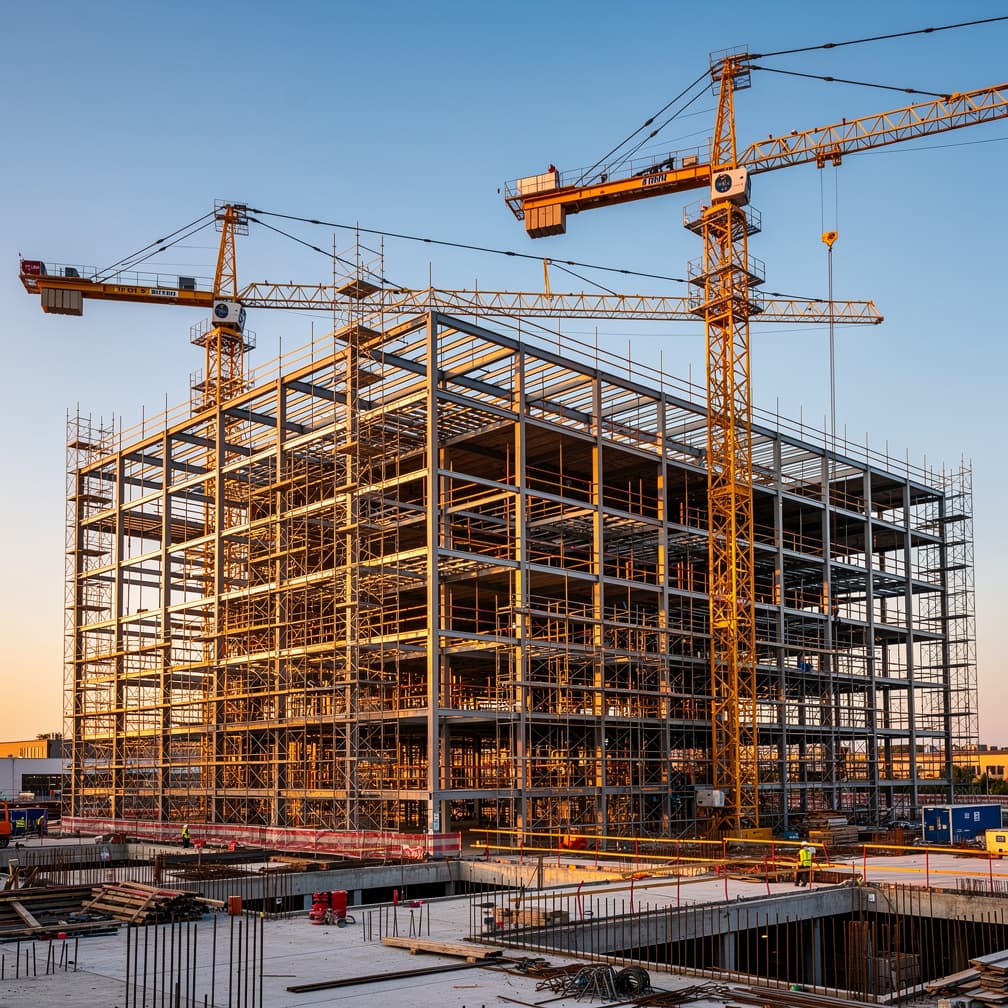
Your policy can help cover supplies in transit, items stored on site, and temporary works like scaffolding and fencing during construction. That is why your focus should be on how property moves through the site and when responsibility changes hands. If framing lumber is dropped before crews are ready, if mechanical equipment is stored off the slab for a short period, or if a renovation leaves part of an occupied structure open during phased work, those details can change what should be scheduled and how limits should be set.
For a Georgia build, ask specifically about materials in transit, materials stored on site, and materials stored temporarily at another location tied to the job. Those categories matter when delivery timing does not match installation timing. Temporary structures, scaffolding, fencing, and site security measures also deserve a direct review if they are part of how the project is being executed. On renovation work, clarify whether existing structure exposure is being addressed elsewhere or whether the policy is being tailored around the work area and project materials only.
If a covered loss delays completion, the financial hit may show up through added interest, extra carrying costs, or postponed occupancy rather than just damaged materials. These are known as soft costs, and they are worth discussing early if the project has financing milestones, lease-up timing, or a narrow completion window. In Georgia, where weather-related interruptions can affect sequencing, it is smart to match the policy period and any extension options to the real construction schedule, including inspection delays, punch-list work, and change orders that can push completion beyond the original target date.
Coverage Included

Structure Coverage
Covers the building or structure under construction.

Materials on Site
Covers building materials stored at the construction site.

Materials in Transit
Covers materials being transported to the job site.
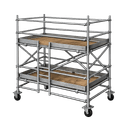
Temporary Structures
Covers scaffolding, fencing, and temporary buildings.

Soft Costs
Covers additional expenses from construction delays due to covered losses.

Equipment Coverage
Covers permanently installed fixtures and equipment.
Industries & Insurance Needs in Augusta
Richmond County's business mix changes what gets built and renovated around Augusta, and that can change how you structure builders risk. The county has 4,246 business establishments, with retail trade at 18.2%, health care and social assistance at 14.3%, and accommodation and food services at 11.1%. So a lot of local projects are not ground-up industrial builds, they are tenant improvements, storefront refreshes, clinic updates, restaurant build-outs, and phased renovations where opening dates, specialized fixtures, and owner-supplied materials matter. That should push you to review valuation carefully, because a policy written too narrowly can miss installed equipment, finish materials, or delay-related costs that matter more on a time-sensitive commercial opening. If your project serves one of these occupancies, ask for a quote built around the contract scope, delivery schedule, and who is responsible for materials before installation, rather than relying on a generic construction template.
What Makes Augusta Different
Renovation-heavy project mix is what changes the calculus here. Many buyers are not insuring a clean, empty site with a simple start-to-finish schedule. They are updating an older home, reworking a small commercial space, or improving a property where the existing structure, staged materials, and partial occupancy all create moving parts. Augusta's median household income is $53,134, and a single uninsured construction loss could cost more than most local families earn in a year. One uncovered loss could force them to fund repairs and continue the project at the same time. That makes scope definition more important than broad promises. You want the policy to track the job as it will actually unfold from demolition through temporary protection, material delivery, installation, and final completion. Even when the project budget is tight, reviewing deductibles, exclusions, and valuation before work starts can prevent a surprise that costs more than the premium itself. The right details can mean the difference between a policy that truly fits the job and one that merely satisfies a closing requirement.
Our Recommendation for Augusta
Start with the contract set, not the application. For a local renovation or build-out, ask your agent to review the owner-contractor agreement, lender requirements, project timeline, and any responsibility split for stored or owner-furnished materials. That is often where coverage gaps begin. If the job is residential, compare the planned completed value against the amount you are actually putting at risk. This is especially important on additions or major interior work where the construction budget can become large relative to the existing property. If the job is commercial, pay close attention to opening-date pressure, specialized fixtures, and whether any tenant improvement allowance or loan documents create insurance conditions before funds are released. Take time with the named insured list, since the wrong addition or omission there can slow or complicate a claim when timing matters most. Before binding, confirm the start trigger, covered property categories, theft limitations if any, and whether soft costs should be considered for your project instead of assumed.
Get Builders Risk Insurance in Augusta
Enter your ZIP code to compare builders risk insurance rates from carriers in Augusta, GA.
Business insurance starting at $25/mo
FAQ
Frequently Asked Questions
Augusta renovations on older homes should start with valuation and project scope. The city's median home value is $162,900, and a moderate addition can easily push construction costs past a third of that figure. Getting the completed value right matters because underinsuring here can leave you short at claim time.
Augusta commercial projects often involve lease obligations, draw schedules, and contractor agreements before work begins. In Richmond County, there are 4,246 business establishments, and each lease or loan may carry its own proof-of-coverage deadline. Missing those dates can delay your draw or even trigger a default clause.
Richmond County tenant improvements often need a more tailored setup. Retail and food service together account for nearly 30% of county establishments, so these projects come up frequently and tend to carry higher-grade finishes with tighter opening deadlines. Your policy may need to address specialized fixtures and scheduling pressure specifically.
Augusta medical office work should be quoted around the actual build sequence and property being installed. Health care and social assistance makes up 14.3% of Richmond County establishments. These builds usually involve phased occupancy and specialized equipment, so ask whether your policy addresses both the construction phase and any installed medical fixtures.
Georgia projects usually place that responsibility on the party named in the construction contract, often the owner or general contractor. Review the agreement first, then confirm the policy setup matches the financial interest that would be affected if the job is delayed or damaged.
Many Georgia builders risk policies may help cover off-site stored materials if you disclose the storage location and tie it to the project schedule during quoting. If deliveries will be staged away from the job before installation, raise that point early so the location is added to the policy.
Georgia lender requirements vary, but many financed projects need proof of coverage before funds are released or work begins. Compare the loan documents with the construction contract early so completed value, named parties, and timing requirements line up.
Georgia renovation work with occupied areas needs a sharper division between the project exposure and the existing building exposure. Ask in writing which property is addressed by the policy and which property is expected to sit under another policy.
Sources
- 1.U.S. Census Bureau, ACS 5-Year Estimates, table B25077(Augusta's median home value is $162,900, so many residential projects involve a meaningful share of the property's value in new work.)
- 2.U.S. Census Bureau, County Business Patterns, Richmond County(The county's 4,246 business establishments mean plenty of landlords, tenants, and lenders may want certificates and contract language lined up before work begins.; Richmond County has 4,246 business establishments, with retail trade at 18.2%, health care and social assistance at 14.3%, and accommodation and food services at 11.1%.)
- 3.U.S. Census Bureau, ACS 5-Year Estimates, table B19013(Augusta's median household income is $53,134, so residential owners often need to be deliberate about how much risk they retain during a remodel or addition.)
Updated July 16, 2026