







































Updated July 16, 2026

Builders Risk Insurance in Columbus
The decision usually lands here right after a construction loan term sheet, a downtown lease commitment, or the point when materials are about to arrive before crews can lock the site down. Builders risk insurance in Columbus matters most in that narrow window where money is already committed but the project is not yet finished, occupied, or generating revenue. That timing looks different on a small infill renovation near Uptown than it does on a ground-up retail pad, a restaurant build-out, or a residential addition waiting on staged trades and inspections. Local buyers often need the policy details to match who is actually carrying the financial risk at each phase. If the project budget is tied closely to neighborhood resale expectations, the margin for absorbing a loss can be thin. With a median home value of $182,300 in Columbus, a residential build or major renovation can represent a large share of the property's total value, so even a partial loss during construction can strain the owner's equity. Before the first delivery arrives, review the valuation method, soft-cost options, and when coverage starts for stored and installed materials.
Builders Risk Insurance Risk Factors in Columbus
Columbus's top risk factors include Flooding, Hurricane damage, Coastal storm surge, and Wind damage.
Georgia has a high climate risk rating. Top hazards: Hurricane (High), Tornado (High), Severe Storm (High), Flooding (Moderate). The state's expected annual loss from natural hazards is $2.4B, which influences builders risk insurance premiums and may affect coverage availability in high-risk areas.
What Builders Risk Insurance Covers
Your policy can help cover supplies in transit, items stored on site, and temporary works like scaffolding and fencing during construction. That is why your focus should be on how property moves through the site and when responsibility changes hands. If framing lumber is dropped before crews are ready, if mechanical equipment is stored off the slab for a short period, or if a renovation leaves part of an occupied structure open during phased work, those details can change what should be scheduled and how limits should be set.
For a Georgia build, ask specifically about materials in transit, materials stored on site, and materials stored temporarily at another location tied to the job. Those categories matter when delivery timing does not match installation timing. Temporary structures, scaffolding, fencing, and site security measures also deserve a direct review if they are part of how the project is being executed. On renovation work, clarify whether existing structure exposure is being addressed elsewhere or whether the policy is being tailored around the work area and project materials only.
If a covered loss delays completion, the financial hit may show up through added interest, extra carrying costs, or postponed occupancy rather than just damaged materials. These are known as soft costs, and they are worth discussing early if the project has financing milestones, lease-up timing, or a narrow completion window. In Georgia, where weather-related interruptions can affect sequencing, it is smart to match the policy period and any extension options to the real construction schedule, including inspection delays, punch-list work, and change orders that can push completion beyond the original target date.
Coverage Included

Structure Coverage
Covers the building or structure under construction.

Materials on Site
Covers building materials stored at the construction site.

Materials in Transit
Covers materials being transported to the job site.
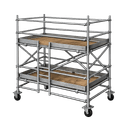
Temporary Structures
Covers scaffolding, fencing, and temporary buildings.

Soft Costs
Covers additional expenses from construction delays due to covered losses.

Equipment Coverage
Covers permanently installed fixtures and equipment.
Industries & Insurance Needs in Columbus
Tenant improvement work is a bigger part of the local builders risk conversation than many owners expect. Muscogee County has 4,506 business establishments, and its largest establishment shares are retail trade at 18.3%, health care and social assistance at 15%, and accommodation and food services at 11.6%, so a meaningful share of projects here involve leased commercial space, phased remodels, and build-outs that have to coordinate around opening dates, equipment delivery, and landlord requirements. That changes what you should ask for in a quote. Instead of treating the policy like a generic ground-up form, review whether the insured value includes tenant improvements, owner-furnished materials, temporary works, and any delay-sensitive costs that would matter if a covered loss pushes back turnover. On a clinic, restaurant, or storefront schedule, the practical question is not just what is being built, but what financial commitments keep running if the job pauses.
What Makes Columbus Different
Tenant improvements are the main thing that changes the calculus here. In a market with a lot of retail, health care, and food-service locations, the coverage is often placed for interior build-outs, remodels, and phased renovations rather than only for new standalone structures. One party may own the building, another may pay for improvements, and a lender or landlord may require evidence of coverage before funds are released or work begins. If your project sits inside an existing commercial property, review exactly whose interest is scheduled, whether the existing structure is excluded, and how materials are handled before installation. Here, the buying mistake is usually assuming a standard form written for new construction automatically fits a leased-space renovation.
Our Recommendation for Columbus
Start with the construction agreement, not the application. On local projects, the fastest way to avoid a coverage mismatch is to identify who bears the risk of loss before completion, who is supplying major materials, and whether the job is ground-up, shell-only, or interior finish work inside an occupied property. If the project is residential, compare the completed value against neighborhood economics before choosing limits. Columbus median household income is $56,622, so a typical household has limited room in the budget to absorb a rebuild delay, extra interest, or replacement of custom materials out of pocket. Before binding, check that the valuation basis, theft protection expectations, and renovation exclusions align with the actual job site. If a lender, landlord, or owner contract uses different insurance language than the quote, fix that so the policy follows the deal documents instead of conflicting with them.
Get Builders Risk Insurance in Columbus
Enter your ZIP code to compare builders risk insurance rates from carriers in Columbus, GA.
Business insurance starting at $25/mo
FAQ
Frequently Asked Questions
Tenant build-outs require close attention because the financial interest may be split among tenant, landlord, and lender. If your project is inside leased space, confirm who is named on the policy, what improvements are insured, and whether the existing structure is excluded from coverage.
Residential projects should be valued against the work actually at risk, not a rough guess. With a median home value of $182,300, many owners need to check whether the limit reflects completed value, major materials, and any financed improvements before work starts.
Muscogee County has 4,506 business establishments, and much of the local construction happens inside occupied commercial property, leased suites, and phased remodels rather than on vacant land. That makes it important to review named insureds, owner-furnished materials, and whether delay-related costs matter to your project.
Restaurant and clinic projects often run on opening-date deadlines and equipment schedules. Ask whether the quote contemplates tenant improvements, temporary works, stored materials, and any soft-cost option that would matter if a covered loss delays turnover.
Muscogee County's leading establishment shares are retail trade at 18.3%, health care and social assistance at 15%, and accommodation and food services at 11.6%. Those sectors generate frequent remodels and tenant improvements, so policy structure often matters as much as the construction type.
Georgia projects usually place that responsibility on the party named in the construction contract, often the owner or general contractor. Review the agreement first, then confirm the policy setup matches the financial interest that would be affected if the job is delayed or damaged.
Many Georgia builders risk policies may help cover off-site stored materials if you disclose the storage location and tie it to the project schedule during quoting. If deliveries will be staged away from the job before installation, raise that point early so the location is added to the policy.
Georgia lender requirements vary, but many financed projects need proof of coverage before funds are released or work begins. Compare the loan documents with the construction contract early so completed value, named parties, and timing requirements line up.
Sources
- 1.U.S. Census Bureau, ACS 5-Year Estimates, table B25077(With a median home value of $182,300 in Columbus, a residential build or major renovation can represent a large share of the property's total value.)
- 2.U.S. Census Bureau, County Business Patterns, Muscogee County(Muscogee County has 4,506 business establishments, and its largest establishment shares are retail trade at 18.3%, health care and social assistance at 15%, and accommodation and food services at 11.6%.)
- 3.U.S. Census Bureau, ACS 5-Year Estimates, table B19013(Columbus median household income is $56,622, so many owners are financing improvements carefully and may not have much room to absorb a rebuild delay, extra interest, or replacement of custom materials out of pocket.)
Updated July 16, 2026





