Updated July 16, 2026

Car Insurance in Columbus
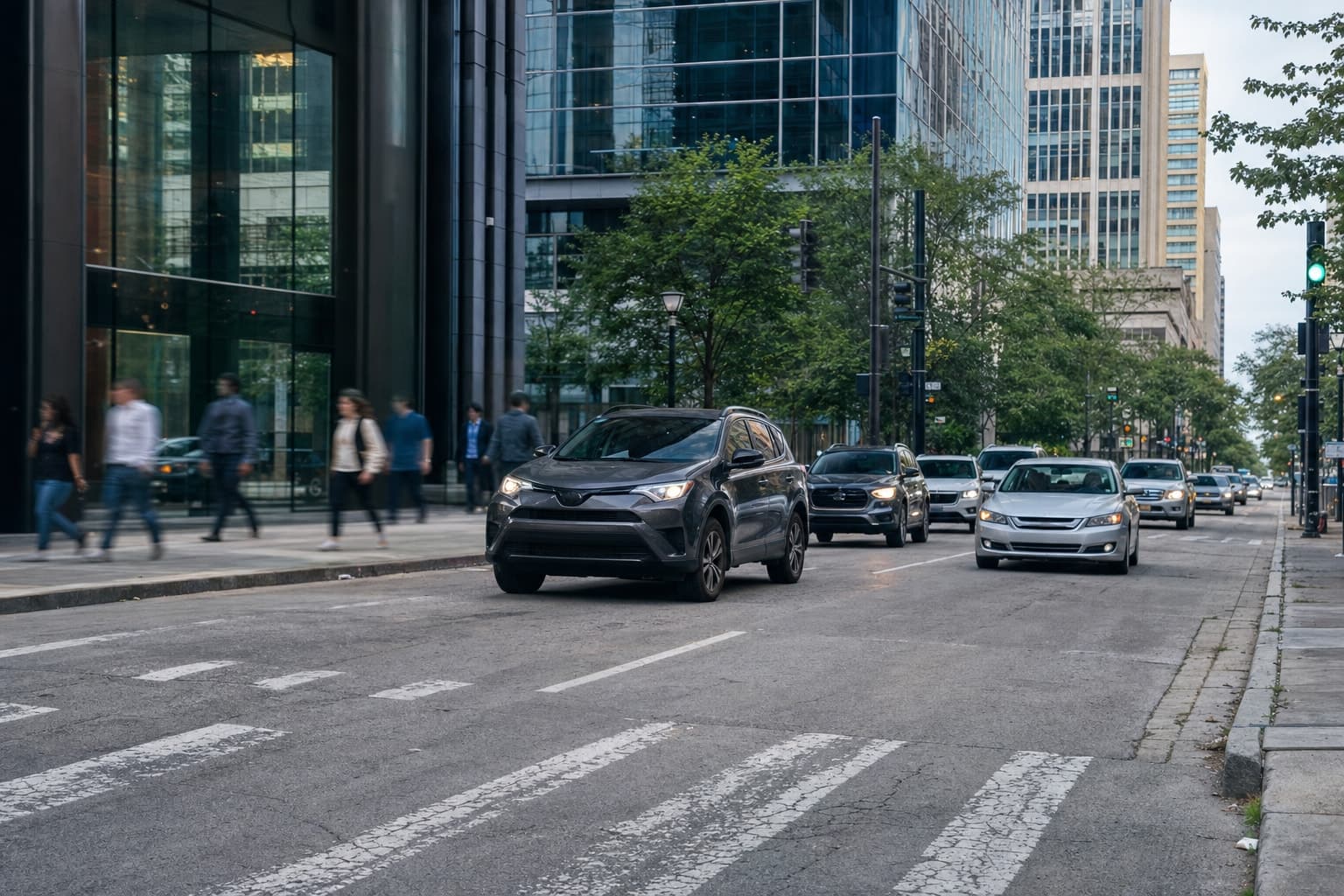
Muscogee County has 4,506 business establishments, so your daily driving involves more delivery vehicles, employee commutes, and crowded parking lots than a smaller market typically sees. In practical terms, your car is exposed to dents, fender benders, and stop and go traffic far more often than it would be in a rural area. If you drive between retail corridors, medical offices, and restaurants during the week, ask for a quote that breaks out liability, collision, and comprehensive choices rather than settling for a bare minimum package. Columbus households also work within the local median household income, so the right policy review is usually about protecting your budget from a deductible or repair bill you can actually absorb.
Georgia has a high climate risk rating. Top hazards: Hurricane (High), Tornado (High), Severe Storm (High), Flooding (Moderate). The state's expected annual loss from natural hazards is $2.4B, which influences car insurance premiums and may affect coverage availability in high-risk areas.
What Car Insurance Covers
Car insurance coverage in Georgia is built around the same core protections, but the way you choose them should reflect local driving and weather risk. Liability coverage is the foundation, and Georgia's minimum liability requirements are listed as split limits for bodily injury and property damage, which is a useful benchmark when you compare personal policy limits and decide whether to raise them. Collision coverage helps pay for repairs after an auto accident involving your vehicle, while comprehensive coverage is the part that matters more in Georgia than many drivers expect because severe storms, hurricanes, tornadoes, and flooding can all affect parked or moving vehicles. Uninsured motorist protection matters here because roughly one in eight drivers carries no insurance, so you may want protection if another driver has too little or no insurance. Medical payments coverage can help with medical expenses tied to a crash, and rental reimbursement coverage can matter if your car needs time in the shop after a covered loss.
A policy built for a driver in Atlanta may look different from one for someone in a smaller city or a coastal county exposed to storm activity. Because the state is regulated by the Georgia Office of Insurance and Safety Fire Commissioner, it is smart to confirm that every quoted coverage amount, deductible, and endorsement is written clearly before you bind the policy.
Coverage Included

Liability
Can help pay for injuries and property damage you cause to others in an accident, coverage most states require drivers to carry.

Collision
Can help pay to repair or replace your car after a crash with another vehicle or object, regardless of fault.

Comprehensive
Typically covers damage to your car from events other than collisions, such as theft, hail, fire, flooding, or hitting an animal.

Uninsured Motorist
May pay for your injuries and, in some states, car damage when an at-fault driver has no insurance or too little.

Medical Payments
Can help cover medical bills for you and your passengers after an accident, no matter who was at fault.
Rental Reimbursement
May pay for a rental car while your vehicle is in the shop for repairs after a covered claim.
Car Insurance Cost in Columbus
Average Cost in Georgia
$110 - $250
per month
In Georgia, car insurance premiums typically run $110 - $250 per month, which tends to run 6% above the national range of $110 - $230 per month.
- Driving record and age
- Vehicle make, model, and year
- Location and commute distance
- Credit-based insurance score
- Coverage limits and deductibles
Contact CPK Insurance for a personalized quote.
Prices shown are general estimates, not guaranteed rates or quotes. Your actual premium will depend on the insurer, coverage selected, personal details, location, claims history, and other underwriting factors. Learn about our pricing methodology.
Car insurance cost in Georgia depends on coverage limits, deductibles, claims history, location, and policy endorsements. Prices in this market run above the national baseline, meaning Georgia drivers may pay more on average than drivers in many other states. In Georgia, those factors can move quickly depending on whether you drive in a dense metro area like Atlanta, commute through higher-traffic corridors, or live in a region exposed to hurricane, tornado, or severe storm risk.
Frequent crashes point to real repair and loss costs that can influence how insurers view collision and comprehensive coverage choices. Georgia's market is competitive, and that competition can create more quote variation, so it helps to request quotes from several carriers. Location is a major pricing factor here because vehicle theft and break-ins run slightly above the national average, which can influence comprehensive coverage pricing in some areas. If you want a more accurate number, ask for a personalized quote that reflects your deductible, limits, and the exact way you use your vehicle in Georgia.
Industries & Insurance Needs in Columbus
Muscogee County's business mix changes how many drivers use their cars on ordinary weekdays. Retail trade accounts for 18.3% of establishments, health care and social assistance 15%, and accommodation and food services 11.6%, so local roads and parking areas see a steady mix of shoppers, patients, staff, shift workers, and service traffic. For a personal auto buyer, that does not mean a different state rule. It does mean your exposure often comes from frequent short trips, busy lots, and stop and go driving around commercial areas rather than only occasional long distance travel. If that sounds like your routine, review collision and uninsured motorist options carefully, and make sure every household driver is listed correctly. A quote is more useful when it reflects where you drive most, how often the car is parked at businesses, and whether your schedule puts you on the road during heavier local activity.
What Affects Car Insurance Rates in Columbus
Columbus buyers often need a practical cost conversation, not just a low number on a screen. The local median household income is $56,622, so deductible choice matters as much as the premium itself. A policy with a lower monthly bill can still create strain if you would have trouble covering the deductible after a crash, theft, or weather claim. That is why it helps to quote more than one deductible and ask what changes if you adjust collision or comprehensive selections rather than trimming liability too far. Local driving patterns also support that review. Regular trips around stores, medical offices, restaurants, and service locations can increase the odds of minor but expensive everyday claims. Review the full out of pocket picture before renewing, then choose limits and deductibles that fit how you actually use the vehicle.
What Makes Columbus Different
What changes the calculus here is the sheer volume of everyday commercial traffic. Muscogee County supports 4,506 business establishments, and its largest shares are retail trade at 18.3%, health care and social assistance at 15%, and accommodation and food services at 11.6%. For you, that changes what to review on a personal auto policy. Repeated parking lot movement, short in-town trips, and multiple drivers using the same vehicle for errands can make small claims more likely and make deductible decisions more important. When you compare quotes, look at how each one handles collision, comprehensive, uninsured motorist protection, rental reimbursement, and permissive use rather than focusing on premium alone.
Our Recommendation for Columbus
Start with how your car is used during a normal week. If you make frequent trips around shopping areas, medical offices, or restaurant corridors, ask for side-by-side quotes with at least two deductible options so you can see the tradeoff clearly. Keep liability limits high enough that a routine crash does not become a larger financial problem, especially if you regularly carry passengers or drive during busier business hours. Confirm every regular driver in your household is listed and that the garaging address is accurate. If the car is financed, review whether the lender's requirements leave a deductible that still works for your budget. If you run into a claim or billing dispute, the Georgia Office of Insurance and Safety Fire Commissioner is the state regulator, but the better move is to prevent surprises now by checking exclusions, driver listings, and deductible choices before you renew.
Get Car Insurance in Columbus
Enter your ZIP code to compare car insurance rates from carriers in Columbus, GA.
Car insurance starting at $59/mo
FAQ
Frequently Asked Questions
Columbus drivers often deal with a dense everyday business environment. Muscogee County has 4,506 business establishments, meaning your quote should account for frequent short trips, parking lot exposure, and regular driving around commercial areas rather than occasional highway use.
Match the deductible to what you can comfortably pay after a claim. With local median household income at $56,622, choosing the lowest premium can backfire if the deductible is more than you could realistically write a check for tomorrow.
They can. Retail trade is 18.3% of establishments, with health care and social assistance at 15% and accommodation and food services at 11.6%, which is why it makes sense to look closely at collision and uninsured motorist coverage.
Minimum coverage may be too thin if you drive often around stores, clinics, and restaurants. Frequent short trips and crowded parking areas can turn a minor crash into a meaningful out of pocket expense, so compare higher liability limits.
Review who is listed as a driver, confirm your garaging address, and check whether your deductible and collision and comprehensive coverage still make sense for the vehicle's current value. If your routine includes regular trips through business districts, make sure the quote matches that real use.
In Georgia, liability coverage can help if you cause injuries or damage to others. Collision coverage may repair your vehicle after an auto accident, and comprehensive coverage can help with non-collision losses such as storm-related damage. Medical payments coverage can help with crash-related medical expenses, and rental reimbursement coverage can help if your car needs time in the shop.
Georgia's minimum liability requirements are $25,000/$50,000/$25,000, and the market is regulated by the Georgia Office of Insurance and Safety Fire Commissioner. Because requirements can vary by policy type and use, you should confirm the exact liability limits and any endorsements on your quote.
Monthly cost in Georgia depends on coverage limits, deductibles, claims history, location, and endorsements. Drivers in higher-traffic or storm-prone areas may see different pricing than drivers in lower-risk parts of the state.
Sources
- 1.U.S. Census Bureau, County Business Patterns, Muscogee County(Muscogee County has 4,506 business establishments.; Muscogee County's leading business sectors by establishment share are retail trade 18.3%, health care and social assistance 15%, and accommodation and food services 11.6%.)
- 2.U.S. Census Bureau, ACS 5-Year Estimates, table B19013(Columbus median household income is $56,622.)
- 3.Georgia Office of Insurance and Safety Fire Commissioner(Georgia's insurance regulator is the Georgia Office of Insurance and Safety Fire Commissioner.)
Updated July 16, 2026