Updated July 5, 2026

Commercial Auto Insurance in Columbus
The decision often lands fast here: you sign a downtown lease, add a service van before a busy month, or put a second driver on a pickup that now runs jobs across town every day. At that point, commercial auto insurance in Columbus stops being a back-office task and becomes an operations review. You need the policy to match how your vehicles are actually used, who drives them, where they park overnight, and whether they carry tools, food, supplies, or patients between stops. That matters locally because a lot of work is short-route, high-frequency driving, with repeated turns into parking lots, delivery zones, medical campuses, and retail centers rather than long uninterrupted highway miles. If you are updating coverage, gather the garaging address, driver list, vehicle identification numbers, and any lease or contract insurance requirements before you quote. That gives you a cleaner comparison on liability limits, physical damage deductibles, hired and non-owned auto, and any endorsements tied to loading, towing, or employee use.
Commercial Auto Insurance Risk Factors in Columbus
Local driving patterns are the real difference here. Many businesses run compact routes with frequent stops, backing, loading, and curbside parking, which can create a different claims profile than a vehicle that mostly stays on open highway. That is especially relevant if your drivers move between shopping corridors, restaurant pickups, medical offices, and apartment properties in the same shift. The exposure is not just collision speed, it is repetition: more turns, more parking-lot movement, more chances for a mirror strike, backing loss, or a claim involving a borrowed or employee-driven vehicle. Review whether your policy should include hired and non-owned auto if staff ever use personal cars for deposits, deliveries, or errands. If your trucks or vans stay outside overnight, ask how garaging and anti-theft details affect the quote, then compare deductible choices against how much downtime your business can absorb after a loss.
Georgia has a high climate risk rating. Top hazards: Hurricane (High), Tornado (High), Severe Storm (High), Flooding (Moderate). The state's expected annual loss from natural hazards is $2.4B, which influences commercial auto insurance premiums and may affect coverage availability in high-risk areas.
What Commercial Auto Insurance Covers
Commercial auto insurance in Georgia generally starts with liability, collision, and comprehensive, but the local fit depends on how your vehicles are used and what endorsements you add. Georgia requires minimum liability for commercial vehicles, so your liability coverage should be reviewed carefully if your business has higher exposure than the minimum. Collision can help with damage from a vehicle accident involving one of your business cars, vans, trucks, or specialty units. Comprehensive can respond to theft or weather-related damage, which matters in a state with high hurricane and severe-storm risk. The product may also include medical payments and uninsured motorist protection in its standard design. The state notes that uninsured or underinsured motorist coverage may be required. For businesses that rent vehicles or have employees driving personal cars for errands, client visits, or deliveries, these endorsements matter because a personal policy may not fully address business use. Your policy must also align with registration rules through the Georgia DMV, so policy setup and vehicle records should match the actual business fleet. Coverage terms can vary by carrier, but the key Georgia issue is making sure the policy reflects your real routes, drivers, and vehicle types rather than a generic personal-auto setup.
Coverage Included

Bodily Injury Liability
Covers injuries you cause to others in an accident

Property Damage Liability
Covers damage you cause to others' property
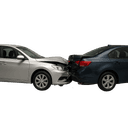
Collision Coverage
Pays for damage to your vehicle in an accident

Comprehensive Coverage
Covers theft, vandalism, weather, and animal damage

Medical Payments
Covers medical costs for your drivers and passengers

Uninsured Motorist
Protection when the other driver lacks insurance
Hired & Non-Owned Auto
Covers rented or employee-owned vehicles used for work
Commercial Auto Insurance Cost in Columbus
Average Cost in Georgia
$140 - $420
per month
Businesses in Georgia typically see commercial auto insurance premiums of $140 - $420 per month, which tends to run 2% above the national range of $140 - $410 per month.
- Fleet size and vehicle types
- Driver records and experience
- Coverage limits and deductibles
- Business industry and use
- Annual mileage and operating radius
- Claims history
Rates based on small business averages. Your actual premium may vary.
Prices shown are general estimates, not guaranteed rates or quotes. Your actual premium will depend on the insurer, coverage selected, business details, location, claims history, and other underwriting factors. Learn about our pricing methodology.
Commercial auto insurance cost in Georgia is shaped by both the vehicle profile and the state's risk environment. Georgia's premium index is 108, which means pricing sits about 8 percent above the national average, so business owners should budget accordingly. The state's elevated hurricane risk, high annual crash totals, and high uninsured driver rate can all influence underwriting. The average claim cost in the state is high, so carriers may price more cautiously for vehicles that spend more time on busy metro roads, freight routes, or higher-mileage operating circles. Fleet size and vehicle types matter too, since a single company car is usually priced differently from a policy for vans, trucks, or mixed-use vehicles. Driver records and experience also affect cost, especially because following too closely, running red lights, and speeding are leading crash causes statewide. Transportation and warehousing is a major Georgia employment sector, and businesses with heavier daily mileage may see different pricing than office-based operations. Claims history, deductibles, and limits remain central, so your quote should be built around your actual vehicle count, radius, and exposure rather than a one-size-fits-all estimate.
Industries & Insurance Needs in Columbus
County business mix changes what buyers should ask for on a quote. Muscogee County has 4,506 business establishments, and the largest establishment shares are retail trade at 18.3%, health care and social assistance at 15%, and accommodation and food services at 11.6%, so many local fleets are not long-haul units, they are customer-facing vehicles making repeated stops, carrying staff, supplies, or time-sensitive orders. That should push your review beyond a basic per-vehicle price. If you run retail deliveries, mobile service, catering, or patient-related transportation, ask how driver schedules, peak-hour use, and loading activity are being classified. A contractor with one pickup and a restaurant with two delivery cars can have very different exposure even if the vehicles look similar on paper. Start the quote with a clear vehicle schedule and a plain description of each unit's daily use, then check whether any employee-owned vehicle use needs hired and non-owned auto.
What Makes Columbus Different
Short-route commercial driving is the main thing that changes the calculus here. In a market built around local service, retail, food, and care-related trips, many vehicles spend more time turning over stops than covering distance. That means your buying decision should focus less on generic fleet language and more on how each vehicle behaves during a normal week. A van that visits job sites, a sedan used for management errands, and a pickup hauling tools may all need different deductibles, driver assignments, and use classifications. Columbus also sits in a practical middle ground where many businesses are large enough to depend on vehicles every day but small enough that one out-of-service unit disrupts payroll, scheduling, and customer commitments quickly. The local median household income is $56,622, so missed appointments, rental costs, and out-of-pocket repairs can strain both the business and the employees who rely on that vehicle staying in service. Review downtime tolerance before you choose limits and deductibles.
Our Recommendation for Columbus
Start with the vehicle schedule, not the premium. List each unit by VIN, garaging address, primary driver, and actual use, then separate vehicles that haul tools or inventory from those used for sales calls, food delivery, or supervisor travel. That usually produces a more accurate quote than grouping everything under one broad description. Next, review who can drive. If owners, family members, or part-time staff ever use a company vehicle, disclose that up front and ask how permissive use is handled. If employees sometimes use their own cars for bank runs, pickups, or site visits, ask for a hired and non-owned auto review instead of assuming the business auto policy addresses it. Finally, test deductibles against downtime. A higher deductible can look fine until a single fender-bender sidelines the van you need every morning. Quote at least two deductible options and compare them against rental needs, cash flow, and how quickly you would need that vehicle back on the road.
Get Commercial Auto Insurance in Columbus
Enter your ZIP code to compare commercial auto insurance rates from carriers in Columbus, GA.
Business insurance starting at $25/mo
FAQ
Frequently Asked Questions
Columbus businesses often rely heavily on a single pickup, van, or car, so one claim can interrupt jobs and revenue quickly. If a vehicle is owned, leased, or regularly used for work, review a business auto policy rather than assuming personal coverage fits.
Columbus delivery and retail vehicles usually make frequent stops, park in tight lots, and load orders throughout the day. Review use classification, driver list, physical damage deductibles, and whether hired and non-owned auto is needed for employee errands or overflow deliveries.
Muscogee County has 4,506 business establishments, with retail trade at 18.3%, health care and social assistance at 15%, and accommodation and food services at 11.6%. That mix points many buyers toward stop-and-go, customer-facing vehicle use, so classification details matter.
Columbus care-related vehicle use often involves scheduled pickups, staff transport, or supply runs with little room for downtime. Review driver eligibility, liability limits, physical damage deductibles, and whether every vehicle's actual use is described accurately before binding coverage.
Columbus quotes move faster when you have VINs, garaging addresses, driver details, loss history, and a plain description of each vehicle's daily use ready. If requirements are unclear, you can also verify Georgia insurance oversight through the Georgia Office of Insurance and Safety Fire Commissioner.
In Georgia, it may help cover liability, collision, comprehensive, medical payments, and uninsured motorist protection, and it can be extended to hired or non-owned vehicles with the right endorsements.
Costs vary based on vehicle type, drivers, limits, and use.
Any business using owned, leased, rented, or employee-driven vehicles for work should review coverage, including small businesses, delivery operations, and fleets in transportation and warehousing.
Sources
- 1.U.S. Census Bureau, County Business Patterns, Muscogee County(Muscogee County has 4,506 business establishments, and the largest establishment shares are retail trade at 18.3%, health care and social assistance at 15%, and accommodation and food services at 11.6%.)
- 2.U.S. Census Bureau, ACS 5-Year Estimates, table B19013(The local median household income is $56,622.)
- 3.Georgia Office of Insurance and Safety Fire Commissioner(Georgia insurance oversight can be verified through the Georgia Office of Insurance and Safety Fire Commissioner.)
Updated July 5, 2026