








































Updated July 16, 2026

Commercial Truck Insurance in Columbus
A lot of truck operations here are not long haul fleets parked at a giant terminal. They are box trucks, dump trucks, service bodies, and local delivery units working from small yards, leased warehouse bays, and contractor shops. Your drivers cross town several times a day to retail stops, medical facilities, restaurants, and job sites. Shorter routes do not automatically mean lower exposure if your drivers back into tight loading areas or leave equipment overnight at unsecured lots. Muscogee County has 4,506 business establishments, which translates to roughly one business for every 45 residents. That density means your drivers make frequent stops and handle vendor certificate requests instead of running one predictable lane. If your trucks support several customer types, ask for a quote built around how each unit is actually used. Include how far it travels, where it parks, who drives it, and whether hired or non-owned auto belongs in the package before you renew.
Commercial Truck Insurance Risk Factors in Columbus
Columbus's top risk factors include Flooding, Hurricane damage, Coastal storm surge, and Wind damage.
Georgia has a high climate risk rating. Top hazards: Hurricane (High), Tornado (High), Severe Storm (High), Flooding (Moderate). The state's expected annual loss from natural hazards is $2.4B, which influences commercial truck insurance premiums and may affect coverage availability in high-risk areas.
What Commercial Truck Insurance Covers
Commercial truck insurance in Georgia is usually built around motor carrier liability, physical damage, cargo coverage, trailer interchange, bobtail coverage, and non-trucking liability. Your policy structure often needs to reflect whether the truck is hauling under a motor carrier authority, running under a shipper contract, or operating empty between loads. Motor carrier liability can help cover accidents involving third parties. Physical damage helps address repair or replacement after a collision or other covered loss. Cargo insurance is separate from liability and is designed for freight you are transporting, with terms that vary by commodity and route. Trailer interchange can matter if you swap trailers under contract. Bobtail or non-trucking liability may help when a truck is used off-dispatch.
Georgia does not set a unique truck-only liability minimum here. Commercial auto minimums generally apply, and federal freight requirements still matter for interstate operations. Many policies in this market are shaped by carrier underwriting tied to your DOT history, freight type, and operating radius. Coverage can differ based on whether you haul general freight, refrigerated loads, flatbeds, or tankers. Hazardous materials may require higher limits than standard freight. Because Georgia has significant storm exposure, some policies also need careful deductible and endorsement review for weather-related damage to tractors, trailers, and cargo.
Coverage Included

Motor Carrier Liability
Can help cover injuries and property damage your truck causes to others, a coverage federal regulators require most for-hire carriers to maintain.

Physical Damage
Can help pay to repair or replace your own truck after an accident, fire, theft, or vandalism.
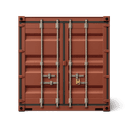
Cargo Coverage
May pay for damage to or theft of the freight you are hauling while it is in your care.
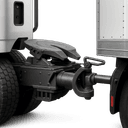
Trailer Interchange
Can help cover damage to trailers you haul under an interchange agreement but do not own.

Bobtail Coverage
May provide liability protection when you drive your tractor without a trailer attached, such as after dropping off a load.

Non-Trucking Liability
Can help cover accidents that happen when you use your truck for personal errands rather than dispatched work.
Commercial Truck Insurance Cost in Columbus
Average Cost in Georgia
$480 - $1,425
per month
Businesses in Georgia typically see commercial truck insurance premiums of $480 - $1,425 per month, which tends to run 25% above the national range of $400 - $1,125 per month.
- Radius of operation
- Commodities hauled and cargo value
- Number and value of power units
- Driver motor vehicle records and CDL experience
- DOT safety record, inspections, and FMCSA scores
- Liability limits and physical damage deductibles
Contact CPK Insurance for a personalized quote.
Prices shown are general estimates, not guaranteed rates or quotes. Your actual premium will depend on the insurer, coverage selected, business details, location, claims history, and other underwriting factors. Learn about our pricing methodology.
Several state-specific factors push pricing up or down, including location, claims history, coverage limits, deductibles, endorsements, and the type of freight you haul. A truck based in Atlanta, Savannah, or another high-traffic corridor may face different pricing than a unit running less congested routes. Georgia sees a fatal crash rate of 1.56 per 100 million vehicle miles traveled, above the national average of 1.33, which means insurers see higher severity potential on Georgia roads and may place your operation in a higher premium tier or require higher liability limits. The state also has a 12.4% uninsured driver rate, so if your truck is hit by an uninsured motorist, your policy may bear more of the repair and liability cost. Consider uninsured motorist coverage to help manage that gap.
Georgia weather is another pricing driver. The state's overall climate risk is rated high, with hurricane, tornado, and severe storm hazards all marked high and flooding moderate. That history means insurers may pay close attention to where trucks are parked, how trailers are stored, and whether physical damage deductibles are set appropriately. Georgia's large number of active insurers creates competition, but it does not remove the impact of underwriting details. The most useful inputs for comparing options are your vehicle list, cargo type, route profile, loss history, and any bobtail or trailer interchange needs.
Industries & Insurance Needs in Columbus
The county business mix matters because it shapes who your trucks serve and how often your operation changes by daypart. In Muscogee County, retail trade accounts for 18.3% of establishments, health care and social assistance 15%, and accommodation and food services 11.6%. That mix points to more local delivery, supply runs, service calls, and time-sensitive pickups than a trucking book built around one shipper and one lane. If you deliver to stores, clinics, care facilities, or restaurants, review loading and unloading routines, after-hours access, refrigeration or spoilage exposures if applicable, and whether your policy setup matches owned units, leased vehicles, or employee vehicles used for errands. It also helps to confirm how certificates are issued, because a customer base spread across many smaller accounts can create more proof-of-insurance requests and more chances for a contract requirement to be missed.
What Makes Columbus Different
What changes the calculus here is how tightly packed your stops are within a small service radius. Repeated stops across a compact area create different risks than highway mileage does. The underwriting conversation should focus less on distance alone and more on backing frequency. Parking conditions, driver turnover, and cargo type matter just as much. A broad base of small and midsize customers means one truck may support several revenue streams in the same month. That can leave gaps if your policy was quoted around a single use class that no longer fits. A practical review starts with what each unit does on its busiest week. From there, look at where it parks, who sits behind the wheel, and what your contracts demand before you send out a certificate.
Our Recommendation for Columbus
Your vehicle schedule is the first thing to check. Confirm each unit is classified by what it actually hauls, not by the broadest label that got last year's policy issued. If one truck handles contractor materials on some days and retail deliveries on others, say that up front. Ask your agent to check travel radius, garaging address, driver lists, trailer interchange if relevant, and physical damage values against current replacement costs. If you lease a yard or warehouse bay, check whether the landlord or customer contracts require additional insured status, waiver language, or faster certificate turnaround. Columbus median household income is $56,622, which sits below the national median. For truck operators, that means monthly overhead stays tight and every dollar of premium matters. Cutting limits or skipping optional coverages can cost more after a loss than a careful quote comparison does now. When you request a quote, bring loss runs, vehicle details, and sample contracts so the policy can be matched to how your trucks actually work.
Get Commercial Truck Insurance in Columbus
Enter your ZIP code to compare commercial truck insurance rates from carriers in Columbus, GA.
Business insurance starting at $25/mo
FAQ
Frequently Asked Questions
Columbus truck operations often make repeated stops at stores, care facilities, restaurants, and job sites, which changes backing, parking, and loading exposure. A local quote should be built around stop frequency, vehicle use, and garaging, not mileage alone.
Many truck owners here serve multiple customer types and issue certificates often. Reviewing your use class, contract requirements, and hired or non-owned auto before renewal can help prevent coverage gaps when your customer mix shifts.
Columbus buyers get a better truck quote when they bring vehicle schedules, VINs, garaging addresses, driver information, loss runs, and sample contracts. If a unit changes jobs during the week, note each use so the classification fits.
Roughly 45 percent of local businesses are in sectors like retail trade, health care, and food service. **Those sectors generate frequent deliveries and tighter schedules**, which can shift your coverage needs as your customer mix grows.
Columbus applications should disclose leased yards, shared lots, and overnight parking arrangements because storage conditions can affect how underwriters view theft, collision, and physical damage exposure. Disclosing those details before binding can help you avoid a claim denial later.
In Georgia, the core package usually includes motor carrier liability, physical damage, cargo coverage, trailer interchange, bobtail coverage, and non-trucking liability, but the exact mix depends on whether you haul freight, swap trailers, or operate off-dispatch.
Georgia lists commercial auto minimums at $25,000/$50,000/$25,000, and the market is regulated by the Georgia Office of Insurance and Safety Fire Commissioner; if you haul interstate freight, federal motor carrier requirements may also apply.
Your actual price will vary based on limits, deductibles, claims history, location, endorsements, and the type of freight you haul.
Sources
- 1.U.S. Census Bureau, County Business Patterns, Muscogee County(Muscogee County has 4,506 business establishments, so local trucking risk often comes from frequent stops, vendor requirements, and certificate requests rather than one predictable lane every day.; In Muscogee County, retail trade accounts for 18.3% of establishments, health care and social assistance 15%, and accommodation and food services 11.6%.)
- 2.U.S. Census Bureau, ACS 5-Year Estimates, table B19013(Columbus median household income is $56,622, so many local operators feel pressure to keep monthly overhead tight, but cutting limits or skipping optional coverages can cost more after a loss than a careful quote comparison does now.)
Updated July 16, 2026





