Updated July 16, 2026

Commercial Auto Insurance in Georgia
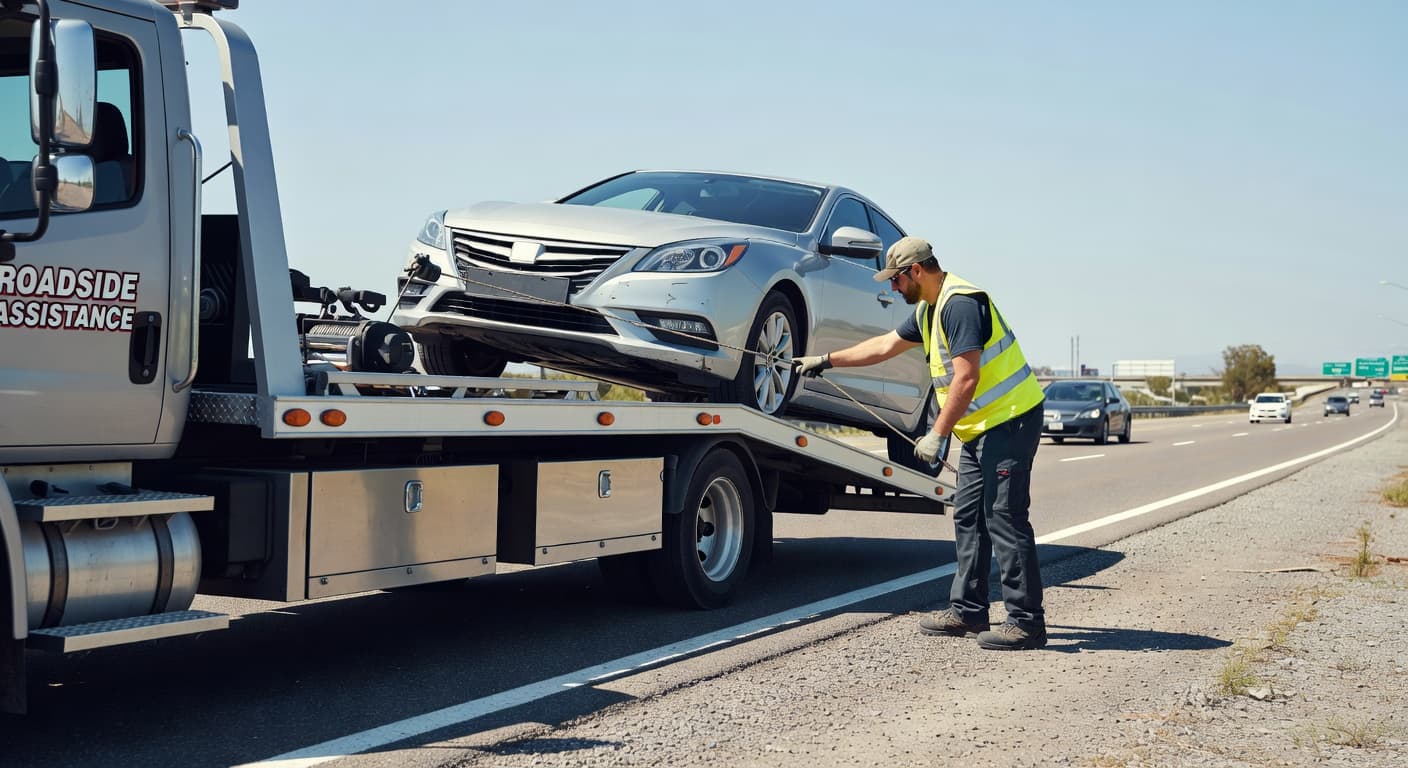
If you operate vehicles for work in Atlanta, Savannah, Augusta, Columbus, or along Georgia's freight corridors, commercial auto insurance is the layer that helps keep business vehicles moving after a claim. Premiums in the state tend to run above the national average, and the high hurricane, tornado, and severe-storm exposure can affect how carriers price vehicle coverage. Add the reality that your drivers share roads with heavy traffic and real collision risk, and the coverage decision becomes very local. Many drivers lack insurance, so protecting your business against underinsured parties matters. All commercial vehicles must be registered with the Georgia DMV. For a small business with a single company car or a growing fleet, the right plan should account for liability, collision, comprehensive, and the endorsements that close gaps when employees drive, rent, or borrow vehicles for work.
What Commercial Auto Insurance Covers
Commercial auto insurance in Georgia generally starts with liability, collision, and comprehensive, but the local fit depends on how your vehicles are used and what endorsements you add. Georgia requires minimum liability for commercial vehicles, so your liability coverage should be reviewed carefully if your business has higher exposure than the minimum. Collision can help with damage from a vehicle accident involving one of your business cars, vans, trucks, or specialty units. Comprehensive can respond to theft or weather-related damage, which matters in a state with high hurricane and severe-storm risk. The product may also include medical payments and uninsured motorist protection in its standard design. The state notes that uninsured or underinsured motorist coverage may be required. For businesses that rent vehicles or have employees driving personal cars for errands, client visits, or deliveries, these endorsements matter because a personal policy may not fully address business use. Your policy must also align with registration rules through the Georgia DMV, so policy setup and vehicle records should match the actual business fleet. Coverage terms can vary by carrier, but the key Georgia issue is making sure the policy reflects your real routes, drivers, and vehicle types rather than a generic personal-auto setup.

Bodily Injury Liability
Covers injuries you cause to others in an accident

Property Damage Liability
Covers damage you cause to others' property
Collision Coverage
Pays for damage to your vehicle in an accident

Comprehensive Coverage
Covers theft, vandalism, weather, and animal damage

Medical Payments
Covers medical costs for your drivers and passengers
Uninsured Motorist
Protection when the other driver lacks insurance
Hired & Non-Owned Auto
Covers rented or employee-owned vehicles used for work
Commercial Auto Insurance Requirements in Georgia
- Georgia requires minimum liability of $25,000/$50,000/$25,000 for commercial vehicles.
- All commercial vehicles must be registered with the Georgia DMV before the policy setup should be finalized.
- Uninsured or underinsured motorist coverage may be required, so confirm how each quote handles that exposure.
- Hired auto and non-owned auto coverage are endorsements that can extend protection to rented or employee-owned vehicles used for business.
How Much Does Commercial Auto Insurance Cost in Georgia?
Average Cost in Georgia
$140 - $420
per month
Businesses in Georgia typically see commercial auto insurance premiums of $140 - $420 per month, which tends to run 2% above the national range of $140 - $410 per month.
- Fleet size and vehicle types
- Driver records and experience
- Coverage limits and deductibles
- Business industry and use
- Annual mileage and operating radius
- Claims history
Rates based on small business averages. Your actual premium may vary.
Commercial auto insurance cost in Georgia is shaped by both the vehicle profile and the state's risk environment. Georgia's premium index is 108, which means pricing sits about 8 percent above the national average, so business owners should budget accordingly. The state's elevated hurricane risk, high annual crash totals, and high uninsured driver rate can all influence underwriting. The average claim cost in the state is high, so carriers may price more cautiously for vehicles that spend more time on busy metro roads, freight routes, or higher-mileage operating circles. Fleet size and vehicle types matter too, since a single company car is usually priced differently from a policy for vans, trucks, or mixed-use vehicles. Driver records and experience also affect cost, especially because following too closely, running red lights, and speeding are leading crash causes statewide. Transportation and warehousing is a major Georgia employment sector, and businesses with heavier daily mileage may see different pricing than office-based operations. Claims history, deductibles, and limits remain central, so your quote should be built around your actual vehicle count, radius, and exposure rather than a one-size-fits-all estimate.
| Coverage Type | What It Covers | Typical Limits |
|---|---|---|
| Bodily Injury Liability | Injuries to others in accidents you cause | $500K to $2M |
| Property Damage Liability | Damage to others' property | $100K to $1M |
| Collision | Damage to your vehicle in an accident | Actual cash value |
| Comprehensive | Theft, vandalism, weather, animal damage | Actual cash value |
| Medical Payments | Medical costs for your drivers/passengers | $5K to $25K |
| Uninsured Motorist | Protection when other driver lacks insurance | $500K to $1M |
| Hired & Non-Owned | Rented or employee personal vehicles | Same as liability limits |
Bodily Injury Liability
- What It Covers
- Injuries to others in accidents you cause
- Typical Limits
- $500K to $2M
Property Damage Liability
- What It Covers
- Damage to others' property
- Typical Limits
- $100K to $1M
Collision
- What It Covers
- Damage to your vehicle in an accident
- Typical Limits
- Actual cash value
Comprehensive
- What It Covers
- Theft, vandalism, weather, animal damage
- Typical Limits
- Actual cash value
Medical Payments
- What It Covers
- Medical costs for your drivers/passengers
- Typical Limits
- $5K to $25K
Uninsured Motorist
- What It Covers
- Protection when other driver lacks insurance
- Typical Limits
- $500K to $1M
Hired & Non-Owned
- What It Covers
- Rented or employee personal vehicles
- Typical Limits
- Same as liability limits
How Georgia compares with the national baseline
Uninsured drivers
12.4% vs 11.6% baseline
About 12.4% of Georgia drivers are estimated to be uninsured, above the 11.6% average across states.
Fatal crashes per 100 million miles
1.56 vs 1.33 baseline
Georgia sees about 1.56 fatal crashes per 100 million miles driven, above the national average of 1.33.
Blue bar: Georgia. Gray line: national baseline.
Prices shown are general estimates, not guaranteed rates or quotes. Your actual premium will depend on the insurer, coverage selected, business details, location, claims history, and other underwriting factors. Learn about our pricing methodology.
Request a Quote Comparison
Enter your ZIP code to compare commercial auto insurance rates from top carriers.
Business insurance starting at $25/mo
Who Needs Commercial Auto Insurance?
If your business owns, leases, or regularly uses vehicles for work, commercial auto insurance in Georgia is worth reviewing. Companies with a single company car in Atlanta, Macon, Savannah, or Athens need to think about coverage if employees visit clients, transport tools, or run errands during the workday. Businesses with vans, delivery units, or mixed fleets need a policy that can scale from one vehicle to many. Georgia has a large small-business population, meaning most buyers are protecting only a few vehicles at first and then expanding. Transportation and warehousing firms, which represent a meaningful share of statewide employment, often need broader coverage because higher mileage and frequent road exposure increase the importance of liability and physical damage protection. Retail, healthcare, and accommodation or food service businesses may also need coverage if staff drive between locations, make supply runs, or transport equipment. Businesses that rely on employees' personal vehicles for work should review non-owned auto coverage, and those that rent vehicles for short-term use should consider hired auto coverage. Because Georgia has a high uninsured driver rate, any business with frequent road use should pay close attention to liability and uninsured motorist decisions. The coverage is especially relevant if your operations stretch across metro Atlanta traffic, coastal weather zones, or interstate corridors where severe-storm exposure and crash frequency can affect claim outcomes.
| Requirement | What Georgia law says |
|---|---|
| Auto liability minimums | $25,000/$50,000/$25,000 (bodily injury per person / per accident / property damage). These floors apply to personal and business vehicles alike; lenders and contracts often require more. |
| Where to verify | Georgia Office of Insurance and Safety Fire Commissioner publishes current requirements, consumer guides, and license lookups. |
Commercial Auto Insurance by City in Georgia
Commercial Auto Insurance rates and coverage options can vary across Georgia. Select your city below for localized information:
How to Buy Commercial Auto Insurance
To buy commercial auto insurance in Georgia, start by matching your vehicles to the state's registration and liability rules, since all commercial vehicles must be registered with the Georgia DMV and the minimum liability requirement applies. A strong quote should list each vehicle, its garaging location, annual mileage, operating radius, and whether it is a company-owned vehicle, a rented unit, or a personal vehicle used for work. You should also document driver records and experience, because those are pricing factors in this market and help carriers evaluate risk more accurately. Georgia has an active insurance market, so comparing multiple quotes is practical. When you request a quote, ask how the policy handles collision, comprehensive, uninsured motorist protection, and any needs tied to employees driving for errands or deliveries. If you run multiple vehicles, ask about fleet options so you can compare one policy against separate vehicle policies. Because the state's severe weather profile can affect comprehensive claims, confirm how the policy responds to storm-related damage and whether your deductibles are workable for your cash flow. Request a quote through CPK Insurance to compare pricing from participating licensed providers.
How to Save on Commercial Auto Insurance
The most effective way to reduce commercial auto insurance cost in Georgia is to lower avoidable risk before asking for a quote. A fleet safety program can help, especially in a state where following too closely, red-light running, speeding, and distracted driving are major crash causes. GPS tracking and dash cameras can support better driver behavior and may help with underwriting, while clean driver records and lower annual mileage can improve pricing for business auto insurance. Higher deductibles can reduce premium, but they should be chosen only if the business can absorb the out-of-pocket amount after a collision or comprehensive claim. Combining commercial auto with other business policies through the same carrier may save through multi-policy discounts, though actual savings vary. If your business uses rented vehicles or employee-owned cars, make sure you are not overbuying coverage you do not need while still keeping hired auto and non-owned auto protection in place where it closes a real gap. Georgia's insurance market includes many companies, so shopping multiple carriers is worthwhile, especially because the state's premium index is 108 and prices sit above the national average. For vehicles exposed to severe weather, consider whether comprehensive is worth the added cost, since Georgia's hurricane and storm risk can make physical damage coverage more relevant than in lower-risk states. Re-quote annually if your fleet size, routes, or driver pool changes, because those variables affect both your coverage and the final price.
Our Recommendation for Georgia
For Georgia buyers, the smartest approach is to size the policy to the way the vehicles actually operate. If your business has one company car, a small van, or a mixed fleet, make sure the quote reflects the real garaging city, mileage, and driver list, because those details matter in a state with above-average premiums and heavy storm exposure. Prioritize liability first, then decide whether collision and comprehensive are needed based on the vehicle's value and the routes it runs. If employees drive personal cars or you rent vehicles for work, ask specifically about hired auto and non-owned auto coverage so the policy matches your daily use. Since Georgia has a high uninsured driver rate and a high average claim cost, it is worth reviewing uninsured motorist and deductible choices carefully. Finally, compare at least a few carriers in Georgia's active market and ask how each one handles multiple vehicles before you bind coverage.
FAQ
Frequently Asked Questions
In Georgia, it may help cover liability, collision, comprehensive, medical payments, and uninsured motorist protection, and it can be extended to hired or non-owned vehicles with the right endorsements.
Costs vary based on vehicle type, drivers, limits, and use.
Any business using owned, leased, rented, or employee-driven vehicles for work should review coverage, including small businesses, delivery operations, and fleets in transportation and warehousing.
Georgia requires minimum liability of $25,000/$50,000/$25,000 for commercial vehicles, all commercial vehicles must be registered with the Georgia DMV, and uninsured or underinsured motorist coverage may be required.
Collision can help with damage from a vehicle accident, while comprehensive can address theft or weather-related damage, which is relevant in Georgia's hurricane and severe-storm environment.
Gather vehicle details, garaging locations, annual mileage, driver records, and whether the vehicles are owned, rented, or employee-owned, then compare your options.
Fleet size, vehicle types, driver records, coverage limits, deductibles, business use, annual mileage, operating radius, claims history, and Georgia's higher-than-average premium index all affect pricing.
Yes, and it is important if employees use personal vehicles for work or if your business rents vehicles, because those situations can create gaps without the endorsement.
Updated July 16, 2026