Updated July 16, 2026

Key Takeaways
- Compare liquor liability quotes using the same limits and the same description of your alcohol operations, then read exclusions and defense wording before you choose a policy.
- Ask whether assault and battery is included, limited, or excluded, especially if you operate late hours, use security, host events, or manage crowded service areas.
- Document ID checks, server training, incident logs, and cut-off procedures so your application and your claim file both support how you actually operate.
- Review contracts from landlords, venues, and event partners early so you can match liquor liability limits and certificate requirements before binding coverage.
- Separate host liquor questions from true liquor liability needs if alcohol is only furnished occasionally and not part of your regular business revenue.
Liquor Liability Insurance in Georgia
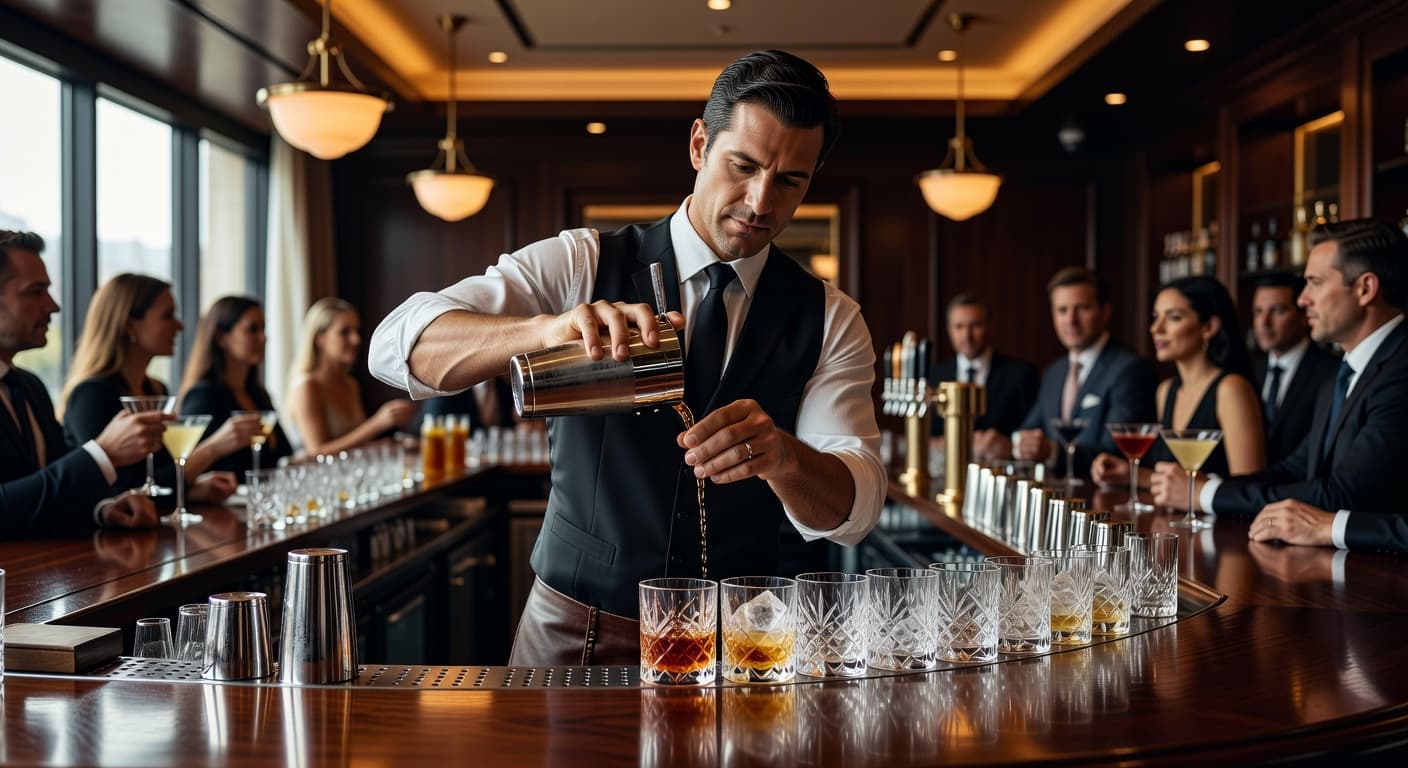
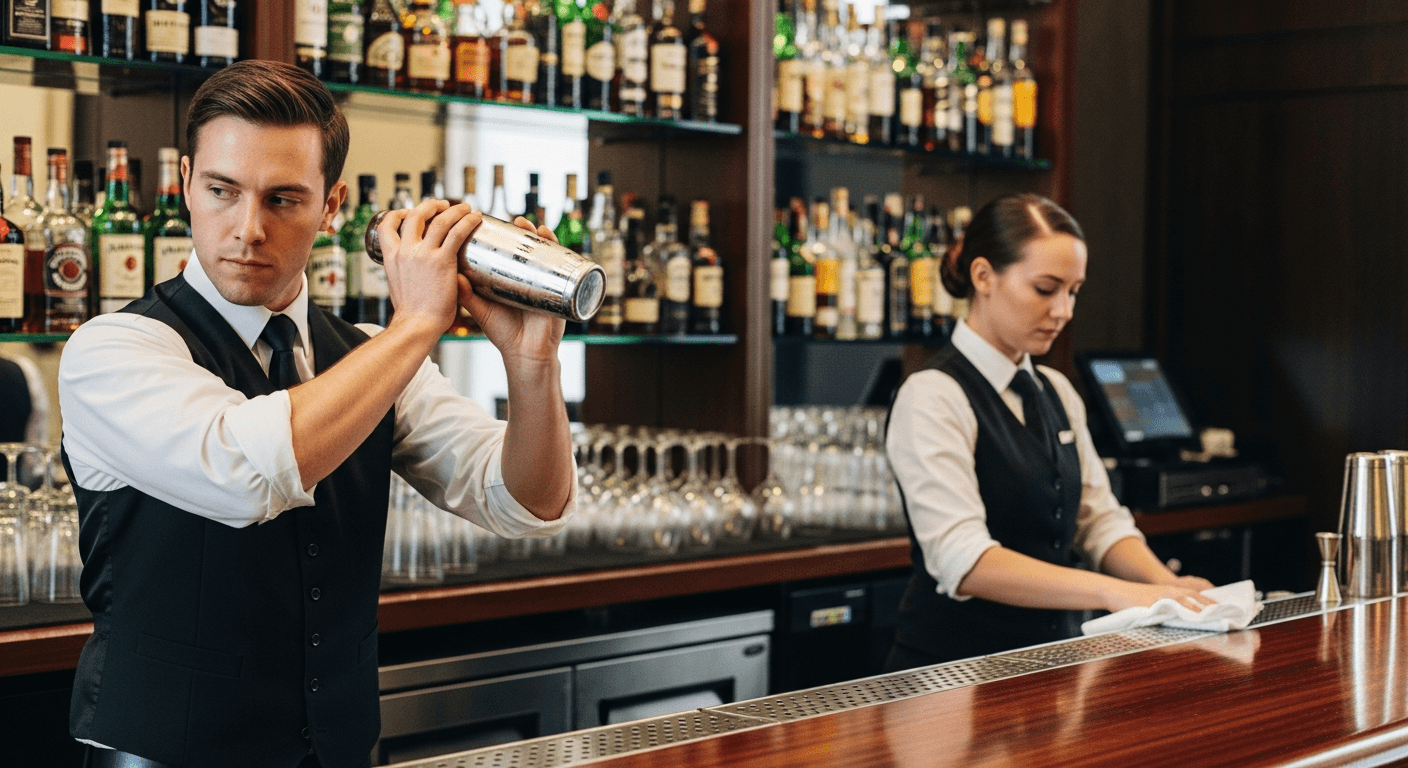
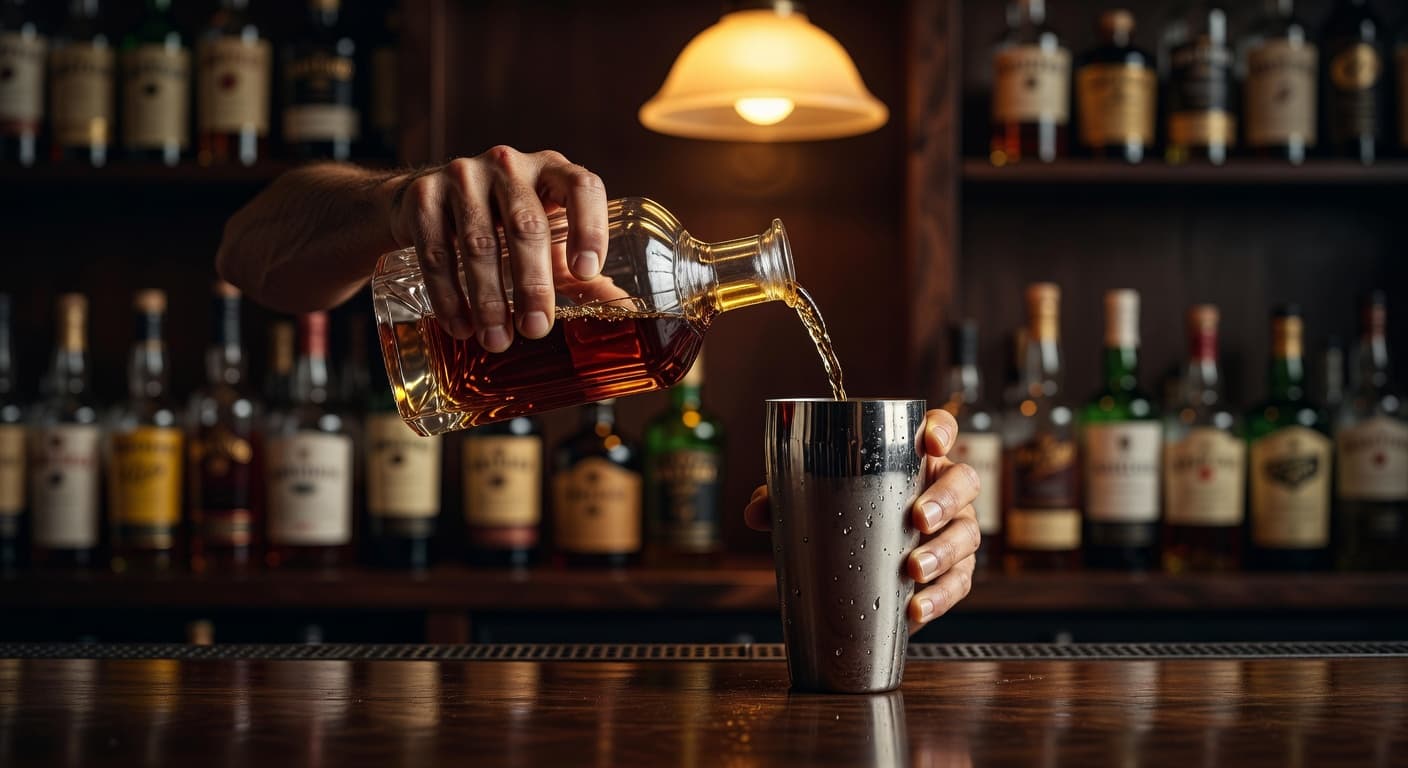
A bartender serves one more round near closing, a guest leaves, and your business is pulled into the claim after a crash, injury, or wrongful death allegation. That is the loss scenario this coverage addresses, and it can reach far beyond the tab from that night. For a bar in Atlanta, a wedding venue outside Macon, a brewery taproom in Savannah, or a restaurant with alcohol sales in the suburbs, the practical question is not whether alcohol service creates exposure. It is how your policy fits your floor plan, service model, hours, security practices, and contracts. Georgia buyers also need to pay attention to who requires proof of coverage before an event, lease signing, distribution agreement, or vendor approval. A useful quote review looks at your alcohol receipts, whether staff check identification consistently, how incidents are documented, and whether your limits fit the size of a serious claim.
Before you bind coverage, line up your license details, event agreements, prior loss information, and the exact way alcohol is sold or served at your location. That preparation speeds up the underwriting process and gives you a quote you can actually compare against your real operations.
What Liquor Liability Insurance Covers
In Georgia, the real buying decision is not the generic idea of alcohol-related liability. It is whether the policy language fits the way drinks move through your operation. A neighborhood restaurant that serves beer and wine with meals presents a different exposure than a late-night bar, a private club, a caterer pouring at off-site events, or a package store with tastings. Your review should focus on where service happens, who serves, how intoxication concerns are escalated, and whether third-party venues or landlords require specific wording on certificates.
Start by checking the insured entity names and locations. If your lease, liquor license records, or event contracts use a different legal name than the policy, certificate problems can slow down approvals or create disputes after a claim. Then look at whether your operations include temporary events, patios, private parties, delivery, or off-premises service. Those details often change how underwriters view the account and what endorsements you should request.
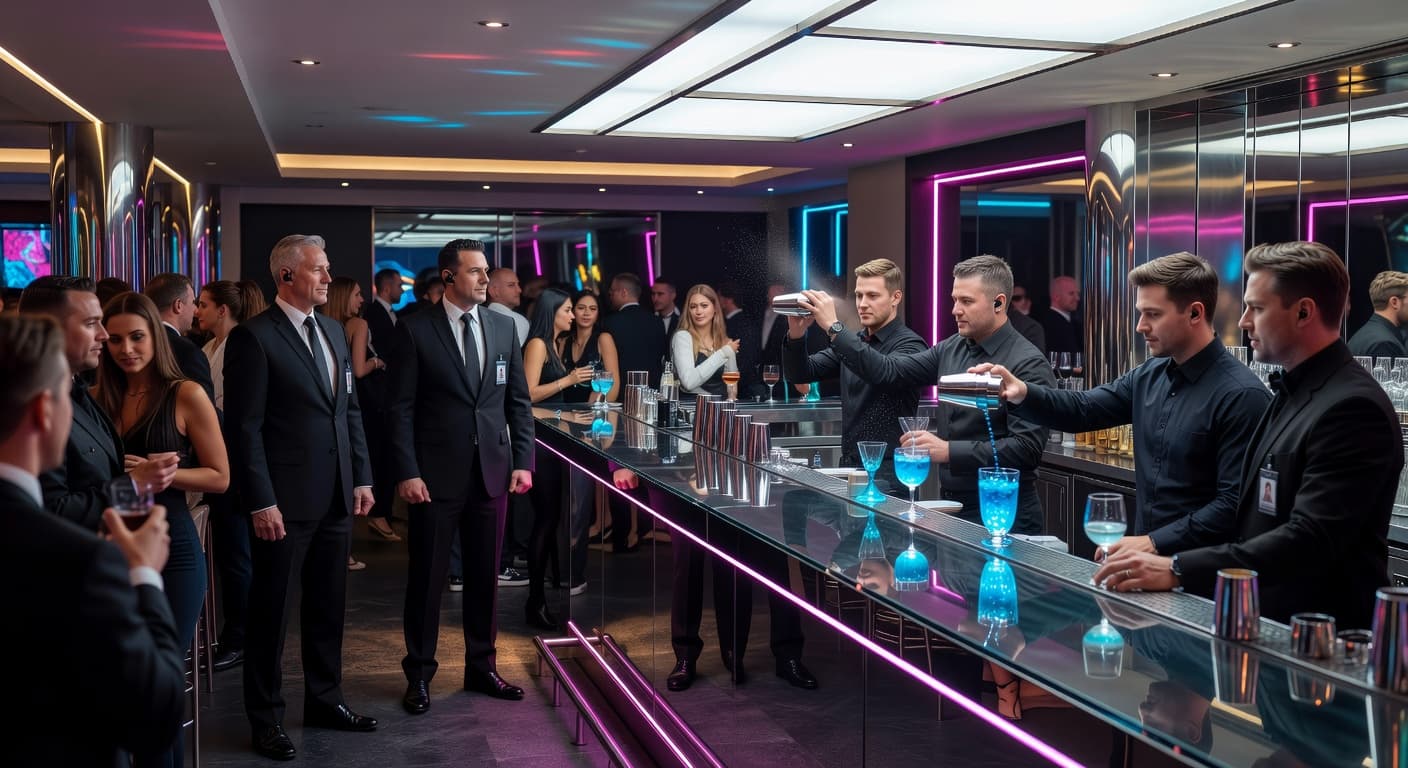
You also want to read the policy with your incident workflow in mind. Ask how the form treats allegations tied to overservice, service to a minor, assault-related allegations connected to alcohol service, and claims that involve both your premises operations and your alcohol sales. If you use security, door staff, or outside event vendors, review how those relationships are handled in contracts and whether additional insured requests are realistic under the form offered. For Georgia businesses, the practical next step is to compare your policy draft against your menu, hours, event calendar, and contracts before you pay the first premium.

Bodily Injury Liability
Can help cover injuries an intoxicated patron causes to others after your business served or sold them alcohol.

Property Damage Liability
May pay for property damage caused by an intoxicated customer your establishment served, such as a car crash after leaving.
Assault & Battery
Can help cover claims arising from fights or physical altercations involving intoxicated patrons at your bar or restaurant.

Defense Costs
May pay for attorneys, court fees, and related legal expenses when your business is sued over an alcohol-related incident.

Host Liquor Liability
Can help cover alcohol-related claims from events where you host or serve drinks without selling them, like company parties.
Liquor Liability Insurance Requirements in Georgia
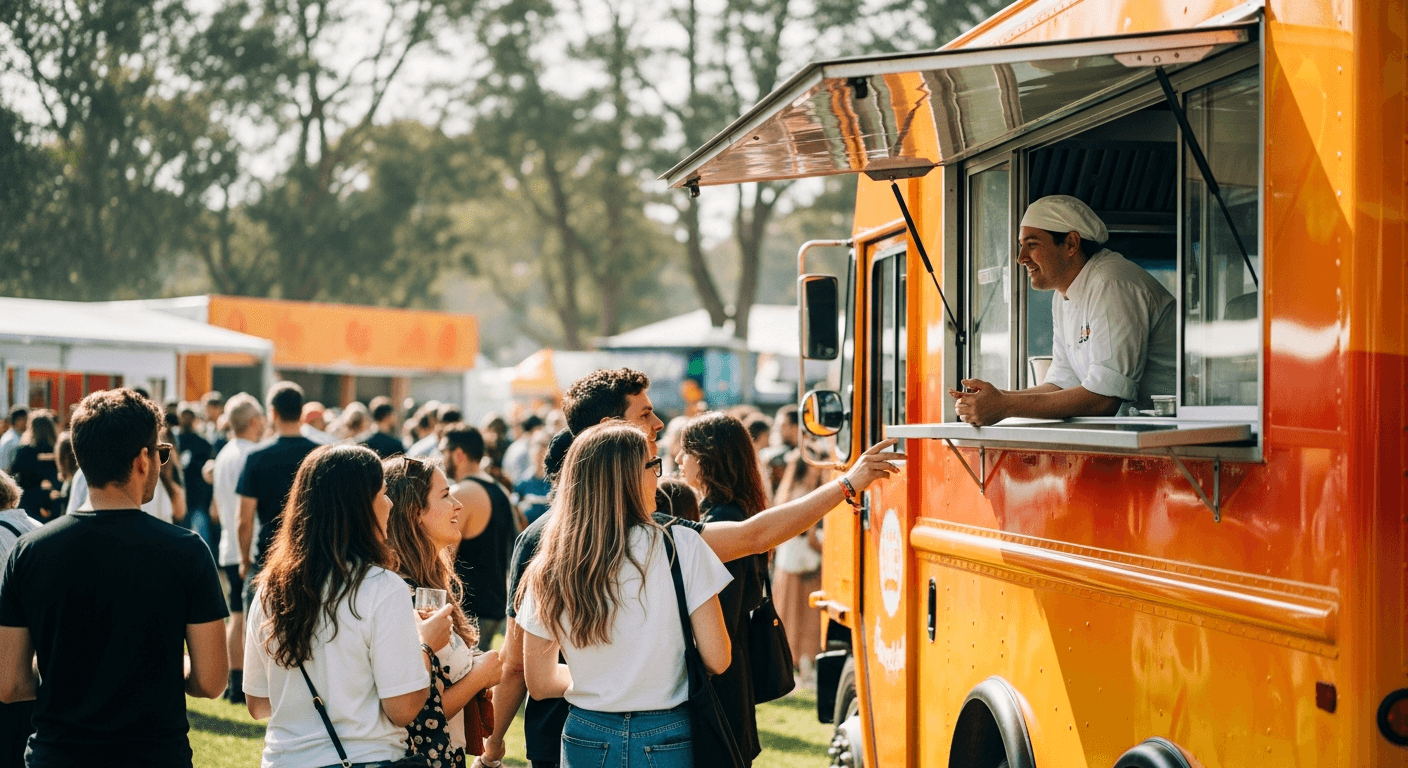
- Georgia businesses that serve alcohol at weddings, festivals, or private events should have the policy reviewed for off-site and temporary service details before the event calendar fills up.
- Operations that change by daypart, such as restaurant service early and bar traffic late, need an application that describes both patterns clearly.
- When multiple entities own the building, hold the license, or run events, confirm which legal names belong on the policy and certificates before binding.
How Much Does Liquor Liability Insurance Cost in Georgia?
Average Cost in Georgia
$60 - $260
per month
Businesses in Georgia typically see liquor liability insurance premiums of $60 - $260 per month, which tends to run 10% above the national range of $50 - $240 per month.
- Share of sales that comes from alcohol
- Type of venue and how late you serve
- Server training and service procedures
- State dram shop law
- Liquor liability limits selected
- Prior over-service or assault claims
Contact CPK Insurance for a personalized quote.
Cost for this coverage in Georgia depends on how underwriters see the frequency and severity potential in your alcohol service, not just on your business category. Many businesses see premiums starting at $60 per month, depending on alcohol sales, hours of operation, claims history, limits, deductibles, entertainment exposure, security controls, and whether service is mostly seated dining or late-night bar traffic. A seated restaurant with early closing times and minimal alcohol revenue tends to land near the lower end, while a late-night bar with live music, dance floors, and high alcohol sales volume should expect pricing toward the top of that range.
Alcohol receipts are usually one of the first items reviewed, and if alcohol is a larger share of revenue, the carrier may view the account differently than a restaurant where drinks are secondary to food service. Closing time, dance floors, live music, drink promotions, bouncers, cover charges, and private events where guest behavior is harder to predict all factor into the underwriter's assessment. A venue that serves at weddings on weekends may be rated differently from a weekday restaurant with table service and tighter controls.
Your requested limits and any companion policies also affect pricing. If a landlord, festival organizer, or distributor contract asks for higher limits or specific certificate wording, your quote should reflect those requirements from the start instead of being patched together later. Prior incidents, even without a paid claim, can also change the market available to you. To get a quote you can actually use, prepare your alcohol revenue estimate, operating hours, event schedule, security procedures, prior loss details, and copies of any contracts that require proof of coverage.
Prices shown are general estimates, not guaranteed rates or quotes. Your actual premium will depend on the insurer, coverage selected, business details, location, claims history, and other underwriting factors. Learn about our pricing methodology.
Request a Quote Comparison
Enter your ZIP code to compare liquor liability insurance rates from top carriers.
Business insurance starting at $25/mo
Who Needs Liquor Liability Insurance?
In Georgia, this coverage usually matters most for businesses whose daily operations put alcohol into customers' hands, but the buying trigger is often contractual before it is voluntary. If you run a bar, tavern, nightclub, restaurant, brewery taproom, winery tasting room, private club, banquet hall, wedding venue, caterer, concessionaire, or event business where alcohol is sold or served, you should review whether your current insurance program leaves a gap around alcohol-related allegations.
Landlords may want certificates before keys are released. Event venues may require evidence of coverage before they approve your date. Distributors, promoters, and municipal or private event organizers may also ask for limits, additional insured status, or specific certificate language. If your business serves at multiple locations, the exposure can shift from one event to the next, which makes a generic annual policy review less useful than an operations-based one.
Georgia buyers should also think about businesses that are not open every night but still face concentrated exposure. A wedding venue with weekend receptions, a caterer handling private parties, or a nonprofit hosting fundraising events with alcohol service can have fewer service days but still face a severe claim if controls break down. The same is true for businesses adding alcohol to increase revenue without updating their insurance. If alcohol service is part of how you earn revenue, sign contracts, or book events, gather your current policy, lease, and event agreements for your quote review.
Liquor Liability Insurance by City in Georgia
Liquor Liability Insurance rates and coverage options can vary across Georgia. Select your city below for localized information:
How to Buy Liquor Liability Insurance
Buying this coverage in Georgia goes faster when you approach it like an underwriting file, not a casual price check. Start with the exact legal name of the insured, every operating location, and a clear description of how alcohol is sold or served. Underwriters want to know whether you are a restaurant, bar, venue, caterer, retailer, club, or mixed operation, because the same address can present very different exposure depending on the business model.
Next, assemble the documents that shape the quote. That usually includes your current insurance declarations, prior loss runs if available, estimated annual revenue with alcohol separated out, your hours of operation, and any contracts that require proof of coverage. If you host private events, off-site service, tastings, or seasonal festivals, say so up front. It is better to disclose those details before binding than to discover after a claim that the policy was not reviewed for your actual operations.
You should also ask targeted buying questions. Confirm whether the quote contemplates all locations, all named insureds, and the service formats you use. Ask how certificates will be handled if landlords or venues request additional insured status. If your business has security staff, age-verification procedures, written incident logs, or formal alcohol service training, include that information because it helps the underwriter understand your controls. If you want a regulatory checkpoint while comparing options, the Georgia Office of Insurance and Safety Fire Commissioner is the state's insurance regulator.
Once your application details, contracts, and operations summary are complete, request a quote through CPK Insurance to compare your options with participating licensed providers and review the forms before you bind.
How to Save on Liquor Liability Insurance
The most reliable way to lower your costs in Georgia is to make your account easier for an underwriter to understand and harder to misclassify. Start with a clean, specific application. Separate alcohol revenue from total revenue, describe your service model accurately, and disclose private events, entertainment, security, and off-site service. Vague submissions often come back with broader assumptions, and broader assumptions can mean a higher premium or a quote that does not fit your operation.
You can also save by tightening the parts of the risk you control every shift. Written identification checks, documented incident procedures, manager escalation for intoxication concerns, and consistent staff training can all support a better underwriting conversation. Repeatable controls give an underwriter confidence that your operation manages risk the same way every night, not just when a manager happens to be watching.
Another practical move is to align your limits and endorsements with actual contract requirements before shopping. If your lease only requires certain evidence of coverage, or if an event venue needs specific certificate wording, build the quote around those needs from the start. Midterm changes, rush certificates, and last-minute endorsements can narrow your options and raise the total cost of placing coverage. Finally, shop before renewal pressure builds. Give yourself time to gather loss information, update revenue estimates, and correct entity names or address issues. A rushed submission often produces fewer choices, while a prepared submission gives you a better chance to compare terms, not just price.
Our Recommendation for Georgia
For Georgia buyers, the strongest approach is to treat this coverage as part of your operating workflow, not just a box to check for a certificate. Review your busiest service periods, who has authority to stop service, how incidents are written up, and whether your contracts match the legal entity shown on the policy. Those details matter because claims often turn on what your staff did, what your records show, and whether the insured named on the form is the party actually doing business.
If you run events, separate your everyday exposure from your peak exposure in your application. A restaurant with occasional private parties, a venue with weekend receptions, and a caterer pouring at off-site locations each need the policy reviewed for where alcohol is served and who controls the premises. If landlords or venues require certificates, send those requirements in before binding so the quote can be structured correctly. Then confirm locations, named insureds, service formats, and requested certificate wording in writing. That is the cleanest way to avoid paying for a policy that looks acceptable until a claim or contract review exposes a gap.
FAQ
Frequently Asked Questions
Georgia buyers can direct insurance regulatory questions and complaint research to the Georgia Office of Insurance and Safety Fire Commissioner. That office can verify whether a carrier is licensed to sell in the state, investigate complaints about claim handling or policy disputes, and help you understand your rights as a policyholder if something goes wrong.
Georgia wedding venues often need the policy reviewed whenever alcohol is sold or served during receptions, especially if contracts require certificates before the event date. The key step is matching the quote to on-site service, outside vendors, and who controls the premises.
Georgia restaurants usually do not present the same underwriting profile as bars, because service style, alcohol receipts, hours, and entertainment exposure can differ. Your quote should reflect seated dining, closing time, and whether alcohol is secondary or central to revenue.
Georgia applicants should gather legal entity names, all service locations, alcohol revenue estimates, operating hours, prior loss details, and any lease or event contract requiring proof of coverage. That package gives the underwriter enough detail to return a quote you can actually use.
Georgia caterers can often arrange coverage for off-site alcohol service, but the application needs to describe where service happens, who serves, and whether venues impose certificate requirements. Disclose those event details early so the policy is reviewed for your actual schedule.
Georgia landlords and event venues often ask for certificates because they want evidence that alcohol-related claims are being addressed before occupancy or service begins. If the contract requires specific wording, send it before binding so the certificate request does not delay opening.
Georgia underwriters may review prior incidents even when no claim payment was made, because incident history can still signal service-control issues. Include accurate loss information and explain any corrective steps so the quote reflects your current operation, not just the event record.
U.S. businesses that sell, serve, or distribute alcohol should review liquor liability insurance. That usually includes bars, restaurants, breweries, wineries, liquor stores, caterers, hotels, and event venues, especially when alcohol service is part of normal operations rather than an occasional event.
Sources
- 1.Georgia Office of Insurance and Safety Fire Commissioner(If you want a regulatory checkpoint while comparing options, the Georgia Office of Insurance and Safety Fire Commissioner is the state's insurance regulator.)
Updated July 16, 2026