







































Updated July 10, 2026

Construction Equipment Rental Insurance in Hawaii
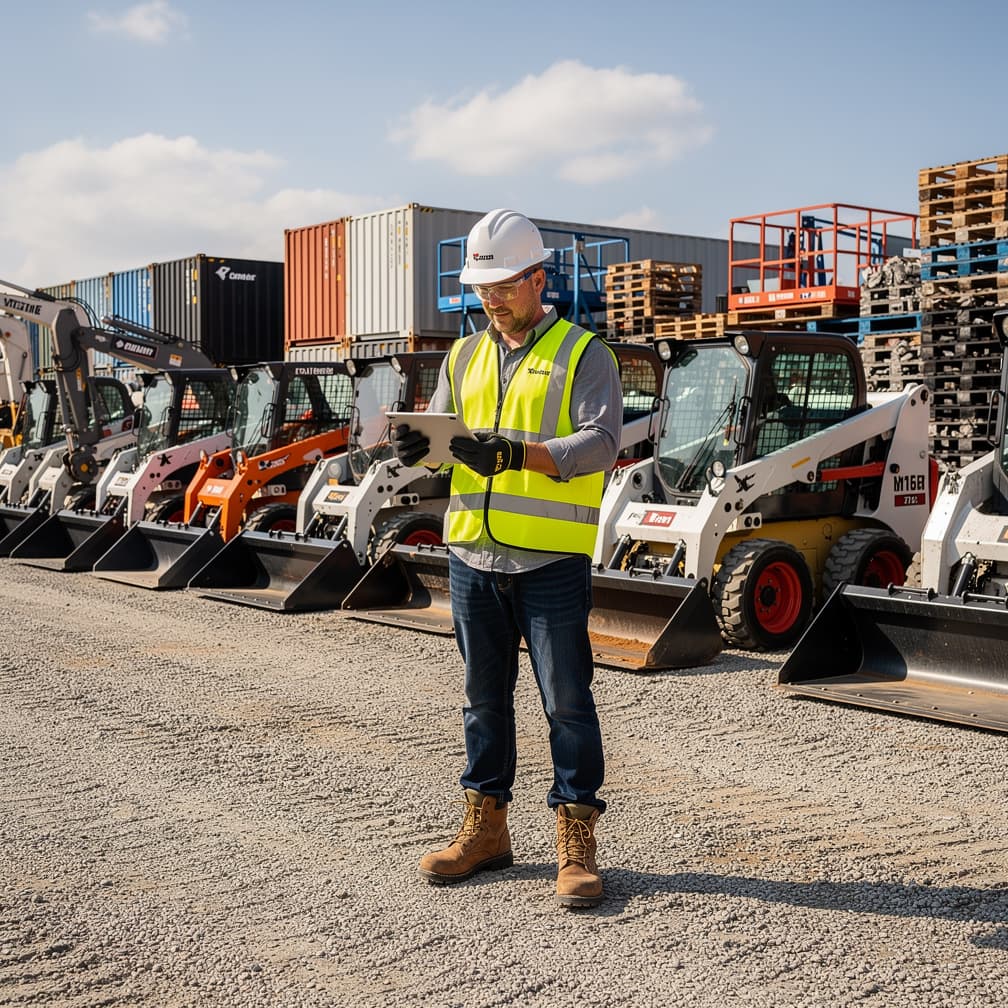
If you run a rental yard in Hawaii, the quote you request needs to reflect island logistics, coastal weather, and how equipment moves between storage lots, harbor-adjacent deliveries, and municipal project sites. A construction equipment rental insurance quote in Hawaii is not just about a policy label; it is about whether your coverage matches rented equipment on active jobsites, after-hours storage, and the handoff process when a contractor returns a machine with damage. Hurricane exposure, tsunami risk, volcanic activity, and flooding can all change how a carrier views your operation, especially when equipment is parked outdoors or transported between islands and county construction projects. Local lease terms may also require proof of liability coverage, and your limits, deductibles, and endorsements can shift depending on whether you rent compact machines, tools, or larger contractors equipment. If you want quote-ready protection, focus on the exposures that matter most here: property damage, theft, legal defense, and downtime tied to island-specific interruptions.
Climate Risk Profile
Natural Disaster Risk in Hawaii
Understanding climate-related risks helps determine appropriate insurance coverage levels.
Hurricane
Very High
Tsunami
High
Volcanic Activity
High
Flooding
High
Expected Annual Loss from Natural Hazards
$380M
estimated economic loss per year across Hawaii
Source: FEMA National Risk Index
Risk Factors for Construction Equipment Rental Businesses in Hawaii
- Hawaii hurricane exposure can drive building damage, equipment damage, and business interruption losses for rental yards, storage lots, and jobsite deliveries.
- Tsunami risk can affect mobile property, equipment in transit, and contractor staging areas near coastal municipal project sites.
- Volcanic activity can create storm damage-like cleanup challenges, equipment downtime, and claims tied to tools or machines stored outdoors.
- Flooding across island jobsite locations can lead to rented equipment damage coverage questions, especially for machines parked between deliveries and pickup windows.
- Theft of materials and mobile property can be a concern at local rental yards, county construction projects, and after-hours staging areas.
- Damage to structures under construction can create liability and dispute issues when rented machines are being used on active Hawaii jobsites.
How Hawaii compares with the national baseline
Uninsured drivers
8.8% vs 11.6% baseline
About 8.8% of Hawaii drivers are estimated to be uninsured, below the 11.6% average across states.
Fatal crashes per 100 million miles
1.32 vs 1.33 baseline
Hawaii sees about 1.32 fatal crashes per 100 million miles driven, below the national average of 1.33.
Property crime per 100,000 residents
2,960 vs 2,200 baseline
Property crime in Hawaii runs above the national average, at 2,960 vs 2,200 incidents per 100,000 residents.
Blue bar: Hawaii. Gray line: national baseline.
How Much Does Construction Equipment Rental Insurance Cost in Hawaii?
Construction Equipment Rental Insurance is a bundle of separate policies, priced separately. The ranges below are typical figures for Hawaii for each line; a quote prices each one against your own operations.
| Coverage | Typical range | What moves your price |
|---|---|---|
| General Liability Insurance | $240 - $850 per month | Industry and risk classification, annual revenue, number of employees |
| Commercial Property Insurance | $240 - $850 per month | Building value and construction type, roof age and condition, fire protection class |
| Inland Marine Insurance | $490 - $1,850 per month | Total insured value of the scheduled property, type and age of the equipment, where it is stored and how far it travels |
| Commercial Auto Insurance | $290 - $875 per month | Fleet size and vehicle types, driver records and experience, coverage limits and deductibles |
| Commercial Umbrella Insurance | $110 - $430 per month | Umbrella limit requested, limits carried on the underlying policies, loss history on those underlying policies |
Prices shown are general estimates, not guaranteed rates or quotes. Your actual premium will depend on the insurer, coverage selected, business details, location, claims history, and other underwriting factors. Learn about our pricing methodology.
What Hawaii Requires for Construction Equipment Rental Insurance
Non-compliance can result in fines, loss of contracts, and personal liability:
- Businesses with 1+ employees generally need workers' compensation in Hawaii; sole proprietors are exempt from that requirement.
- Commercial auto minimum liability in Hawaii is $40,000/$80,000/$20,000 (raised effective January 1, 2026), which matters if your rental operation uses trucks or service vehicles.
- Hawaii requires many commercial leases to show proof of general liability coverage, so rental yard operators often need documentation ready before signing space agreements.
- Coverage terms and endorsements can vary by carrier, so equipment rental company insurance in Hawaii should be reviewed against local rental yard operations and municipal project sites.
- The Hawaii Insurance Division regulates commercial insurance, so quote comparisons should confirm admitted status, endorsements, and any proof-of-insurance wording required by landlords or contractors.
| Requirement | What Hawaii law says |
|---|---|
| Auto liability minimums | $40,000/$80,000/$20,000 (bodily injury per person / per accident / property damage). These floors apply to personal and business vehicles alike; lenders and contracts often require more. |
| Workers compensation | Generally required once you have your first employee. Some roles are exempt, so confirm current thresholds before you hire. |
| Where to verify | Hawaii Insurance Division publishes current requirements, consumer guides, and license lookups. |
Get Your Construction Equipment Rental Insurance Quote in Hawaii
Compare rates from multiple carriers. Free quotes, no obligation.
Common Claims for Construction Equipment Rental Businesses in Hawaii
A contractor returns a rented excavator from a coastal jobsite with visible damage after a storm, and the claim turns on rented equipment damage coverage and repair costs.
After-hours theft from a rental yard in Honolulu leads to a loss involving tools and mobile property, with the carrier reviewing security controls and the policy’s theft terms.
A machine is transported to a county construction project and damaged in transit, creating a claim that may involve inland marine terms, legal defense, and dispute handling with the contractor.
Preparing for Your Construction Equipment Rental Insurance Quote in Hawaii
A list of equipment you rent, including machine types, tools, and whether any items move between islands or county construction projects.
Your annual revenue range, yard or storage locations, and details about whether you operate from a fixed site, mobile delivery model, or both.
Information about current limits, deductibles, proof-of-insurance needs, and any lease wording required by landlords or contractors.
A summary of claims history, security practices, and how you handle equipment in transit, after-hours storage, and customer handoff procedures.
Coverage Considerations in Hawaii
- General liability with rental equipment liability coverage for bodily injury, property damage, and legal defense tied to jobsite operations.
- Inland marine protection for tools, mobile property, equipment in transit, and contractors equipment used across island locations.
- Commercial property coverage for building damage, fire risk, theft, vandalism, and storm damage at the rental yard or storage facility.
- Commercial umbrella coverage for higher coverage limits when a lawsuit or catastrophic claim exceeds underlying policies.
What Happens Without Proper Coverage?
Your business sits in the middle of other people's deadlines. A contractor expects a machine to arrive on time, work as represented, and stay available through the rental term. If the unit is stolen from a jobsite, damaged in transit, returned with unreported impact damage, or tied to an injury allegation, the financial problem can spread beyond the repair bill. You may lose rental income, face a customer dispute, or have to defend how the equipment was delivered, documented, and maintained.
That is why the program works as a set of parts rather than a single purchase. The dividing lines matter: a slip in the yard, a machine stolen from a jobsite, a delivery truck collision, and a contract demanding higher limits each land in a different part of the structure, and the seams between those parts are where an uncovered loss usually hides.
Insurance also helps you clear business gates. Many contractors, municipalities, property managers, and larger commercial customers want proof of coverage before they accept delivery, approve a vendor, or let equipment onto a site. If your certificates do not line up with the contract language, you can lose time at exactly the moment the customer expects dispatch. Reviewing coverage before a busy season, a fleet expansion, or a move into larger accounts can prevent that scramble.
The need becomes clearer as your operation grows more complex. Customer pickup creates one set of issues. Company delivery creates another. Long term rentals, high value attachments, after hours drop-offs, and multi-location storage all change the claim picture. So do weak inspection records. If you cannot show the machine condition at release and return, a routine damage dispute can become expensive fast.
Before you request a quote, gather your rental agreement, equipment list, vehicle details, branch locations, and written procedures for delivery, operator authorization, and return inspection. Then review whether your limits, deductibles, and policy structure fit the jobs you want to take, not just the losses you have already seen.
Recommended Coverage for Construction Equipment Rental Businesses
Based on the risks and requirements above, construction equipment rental businesses need these coverage types in Hawaii:

General Liability
Essential coverage for every business, protect against third-party bodily injury, property damage, and advertising claims.

Commercial Property
Safeguard your business property, equipment, and inventory against damage and loss.

Inland Marine
Protect tools, equipment, and goods in transit or stored at locations away from your primary premises.

Commercial Auto
Protect your business vehicles and drivers with comprehensive commercial auto coverage.

Commercial Umbrella
Extend your liability limits beyond your primary policies for extra protection against catastrophic claims.
Construction Equipment Rental Insurance by City in Hawaii
Insurance needs and pricing for construction equipment rental businesses can vary across Hawaii. Find coverage information for your city:
Insurance Tips for Construction Equipment Rental Owners
Review inland marine insurance against your actual fleet schedule, including attachments and newly added units, so mobile equipment is not treated like property that only sits at your yard.
Match general liability insurance to how customers enter the yard, how pickups are supervised, and whether employees demonstrate equipment operation before release.
Separate commercial auto exposures from equipment exposures by listing the vehicles you use for delivery, site visits, towing, and staff travel, then confirm trailer and loading procedures during the quote review.
Use commercial property insurance to account for the office, fenced areas, maintenance space, parts, and service tools that keep equipment rental operations moving between reservations.
Consider commercial umbrella insurance when larger contractors or public project agreements require higher limits than your primary policies are designed to carry.
Bring your rental contract into the insurance review so hold harmless language, damage responsibility, and certificate requirements are checked against the policies before a customer pushes for same day dispatch.
Document machine condition with consistent checkout and return procedures, because clear photos and signed inspection records can reduce disputes that turn into liability or property claims.
FAQ
Frequently Asked Questions About Construction Equipment Rental Insurance in Hawaii
It can be structured around liability, rented equipment damage coverage, tools, mobile property, and legal defense when a rented machine is used on a Hawaii jobsite. Exact terms vary by carrier and endorsement.
Have your equipment list, revenue range, yard locations, delivery routes, lease requirements, and any proof-of-insurance wording ready. Carriers may also ask how you manage equipment in transit and after-hours storage.
Pricing can move based on equipment values, location exposure, hurricane and flooding risk, claims history, coverage limits, deductibles, and whether you need inland marine, commercial property, or umbrella coverage.
It may, depending on the policy form and endorsements. Ask specifically how the carrier handles contractor dispute coverage, repair costs, and rented equipment damage claims.
Compare limits, deductibles, exclusions, proof-of-insurance requirements, and whether the quote includes protection for theft, storm damage, equipment in transit, and legal defense.
The usual structure combines general liability, commercial property, inland marine, commercial auto, and commercial umbrella coverage. The right mix depends on your fleet, delivery model, yard operations, and what your rental contracts require.
Often, yes, within its terms. Inland marine is the part of the program written for mobile equipment and attachments away from your premises, and the outcome turns on the schedule, where the machine was kept, and how the loss happened.
Probably, if your business runs any titled vehicles for deliveries, site visits, towing, or employee travel. Customer pickup reduces some exposure, but it does not remove the road use tied to your own operations.
Updated March 31, 2026