







































Updated July 10, 2026

Drywall Contractor Insurance in Hawaii
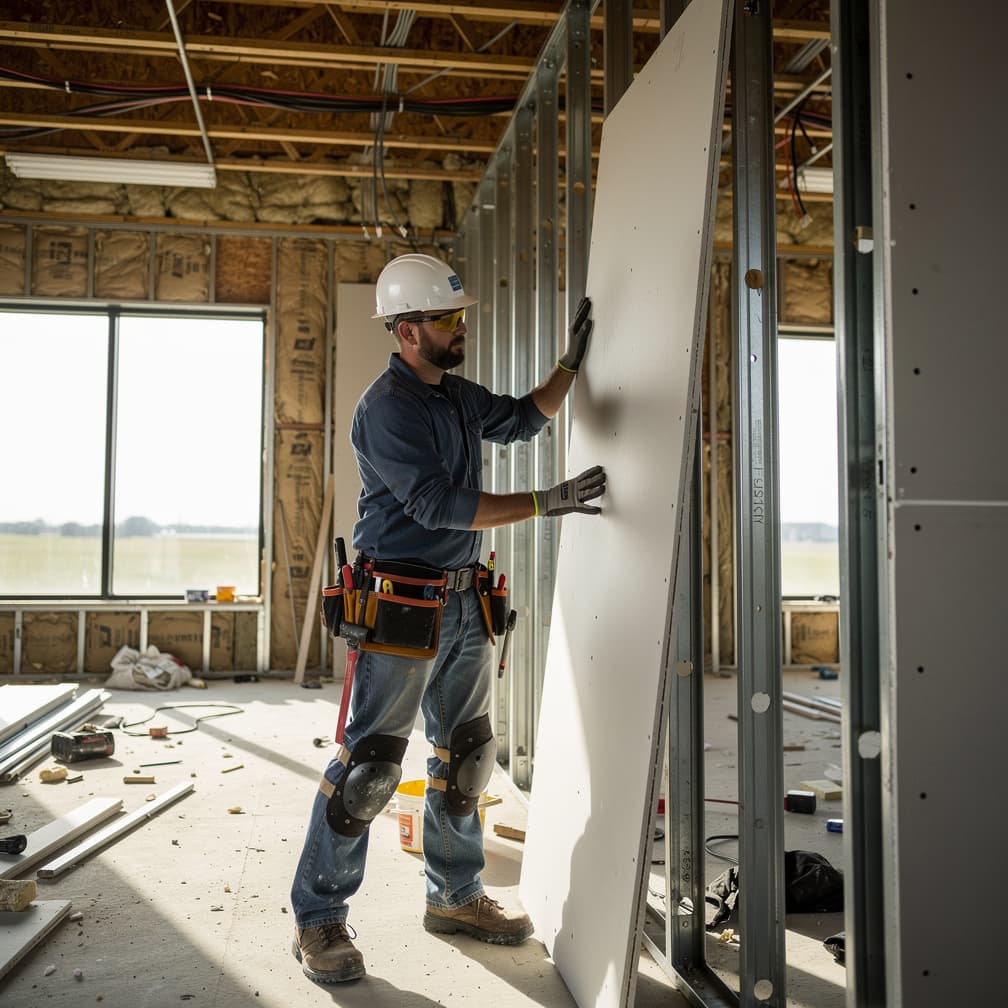
Drywall work in Hawaii often happens in tight timelines, occupied buildings, and weather conditions that can change quickly across islands. That means the right policy should do more than check a box. A drywall contractor insurance quote in Hawaii should reflect how your crew actually works: moving board, compound, and tools between jobs; protecting materials from wind, rain, and humidity; and managing third-party claims when clients, tenants, or visitors are near active interior finish work. For local drywall and plastering contractors, the main goal is to align coverage with real jobsite exposure, lease requirements, and vehicle use so you can request pricing with fewer surprises. The state’s higher-than-average market conditions, hurricane exposure, and proof-of-insurance expectations for many commercial leases make this a practical planning step before you bid, sign, or mobilize.
Climate Risk Profile
Natural Disaster Risk in Hawaii
Understanding climate-related risks helps determine appropriate insurance coverage levels.
Hurricane
Very High
Tsunami
High
Volcanic Activity
High
Flooding
High
Expected Annual Loss from Natural Hazards
$380M
estimated economic loss per year across Hawaii
Source: FEMA National Risk Index
Common Risks for Drywall Contractor Businesses
- Moisture damage claims tied to drywall installed in bathrooms, basements, or other areas where water exposure becomes an issue
- Finish defect disputes after patching, taping, or finishing work that a customer says does not meet the contract standard
- Property damage to flooring, trim, windows, cabinets, or fixtures while moving sheets and setting up on tight interior job sites
- Slip and fall incidents involving clients, tenants, inspectors, or visitors walking through active work areas
- Tool and contractors equipment loss when items are left in trucks, moved between jobs, or stored at a staging location
- Vehicle and cargo damage during transport of drywall, joint compounds, lifts, ladders, and other mobile property
Risk Factors for Drywall Contractor Businesses in Hawaii
- Hawaii hurricane exposure can increase the chance of property damage to drywall materials, installed board, and jobsite tools stored on-site.
- Tsunami and flooding conditions in Hawaii can interrupt work and create third-party claims tied to slip and fall hazards around wet access areas.
- Volcanic activity in Hawaii can affect hauling routes and storage sites, raising the risk of equipment in transit losses and mobile property damage.
- High jobsite exposure in Hawaii can lead to bodily injury claims involving visitors, subcontractors, and occupied commercial spaces during interior finish work.
- Wind-driven weather in Hawaii can complicate builders risk decisions for drywall and plastering projects in progress.
How Hawaii compares with the national baseline
Uninsured drivers
8.8% vs 11.6% baseline
About 8.8% of Hawaii drivers are estimated to be uninsured, below the 11.6% average across states.
Fatal crashes per 100 million miles
1.32 vs 1.33 baseline
Hawaii sees about 1.32 fatal crashes per 100 million miles driven, below the national average of 1.33.
Property crime per 100,000 residents
2,960 vs 2,200 baseline
Property crime in Hawaii runs above the national average, at 2,960 vs 2,200 incidents per 100,000 residents.
Blue bar: Hawaii. Gray line: national baseline.
How Much Does Drywall Contractor Insurance Cost in Hawaii?
Drywall Contractor Insurance is a bundle of separate policies, priced separately. The ranges below are typical figures for Hawaii for each line, except workers compensation, which is rated per $100 of payroll; a quote prices each one against your own operations.
| Coverage | Typical range | What moves your price |
|---|---|---|
| General Liability Insurance | $150 - $480 per month | Industry and risk classification, annual revenue, number of employees |
| Workers Compensation Insurance | $0.75 - $2.74 per $100 of payroll | Employee classification codes, total annual payroll, experience modification rate |
| Commercial Auto Insurance | $200 - $550 per month | Fleet size and vehicle types, driver records and experience, coverage limits and deductibles |
| Inland Marine Insurance | $40 - $170 per month | Total insured value of the scheduled property, type and age of the equipment, where it is stored and how far it travels |
Prices shown are general estimates, not guaranteed rates or quotes. Your actual premium will depend on the insurer, coverage selected, business details, location, claims history, and other underwriting factors. Learn about our pricing methodology.
Get Your Drywall Contractor Insurance Quote in Hawaii
Compare rates from multiple carriers. Free quotes, no obligation.
What Hawaii Requires for Drywall Contractor Insurance
Non-compliance can result in fines, loss of contracts, and personal liability:
- Workers’ compensation is required in Hawaii for businesses with 1 or more employees; sole proprietors are exempt.
- Hawaii commercial auto minimum liability limits are $40,000/$80,000/$20,000 (raised effective January 1, 2026) for covered vehicles used by the business.
- Hawaii businesses may need proof of general liability coverage for most commercial leases, so your policy documents should be ready before signing or renewing space.
- Policies are licensed and regulated by the Hawaii Insurance Division, so quote comparisons should account for admitted market options and carrier filing differences.
- If your drywall crew uses leased vehicles, hired auto and non-owned auto options may be important to review as part of the buying process.
| Requirement | What Hawaii law says |
|---|---|
| Auto liability minimums | $40,000/$80,000/$20,000 (bodily injury per person / per accident / property damage). These floors apply to personal and business vehicles alike; lenders and contracts often require more. |
| Workers compensation | Generally required once you have your first employee. Some roles are exempt, so confirm current thresholds before you hire. |
| Where to verify | Hawaii Insurance Division publishes current requirements, consumer guides, and license lookups. |
Common Claims for Drywall Contractor Businesses in Hawaii
A drywall crew is finishing an interior project in Honolulu when a visitor slips near a work area with dust and debris, leading to a third-party claim and legal defense costs.
A storm-related interruption in Hawaii damages stored board and compound at a jobsite, creating a property damage claim and delaying installation work.
Tools and mobile property are moved between islands for a commercial remodel, and equipment in transit is damaged before the crew can complete the next phase.
Preparing for Your Drywall Contractor Insurance Quote in Hawaii
A list of employee and subcontractor roles, including whether your Hawaii business has 1 or more employees for workers’ compensation review.
Details on how you move materials, tools, and vehicles between jobs, including whether you need hired auto or non-owned auto options.
Information about project types, such as residential drywall installers, commercial drywall crews, or plastering contractors, plus the locations where you work.
Any lease or contract language that asks for proof of general liability coverage, along with your preferred limits and deductible range.
Coverage Considerations in Hawaii
- General liability insurance for bodily injury, property damage, slip and fall, and advertising injury exposures tied to jobsite operations.
- Inland marine coverage for tools, mobile property, contractors equipment, and equipment in transit used by drywall and plastering crews.
- Workers’ compensation insurance for Hawaii businesses with employees to address workplace injury, medical costs, lost wages, and rehabilitation needs.
- Commercial auto coverage with Hawaii’s minimum liability limits, plus hired auto and non-owned auto review if your team uses borrowed, rented, or employee-owned vehicles.
What Happens Without Proper Coverage?
Drywall contractors often need insurance for two reasons at the same time: jobsite risk and contract access. The risk side is straightforward. Your crews work around other trades, finished surfaces, and occupied or nearly occupied interiors where a minor mistake can damage property that is expensive to replace. A sheet can gouge flooring or dent an elevator interior during delivery. Joint compound or texture can affect nearby finishes. Dust control can become a dispute if a tenant claims business interruption or cleanup costs after work in an active space. Even if the facts are contested, you may still need a defense.
The contract side matters just as much. General contractors, property managers, landlords, and commercial clients commonly ask for proof of coverage before they let you start. If you bid tenant improvements, apartment turns, office remodels, or larger commercial interiors, insurance is often part of the prequalification process, not an afterthought. Limits, additional insured requests, waiver language, and vehicle requirements can all show up in the paperwork. If your policy is not reviewed against those documents before the job begins, you can end up renegotiating under deadline or taking on obligations your insurance was not built to support.
Workers compensation insurance becomes especially important once you have employees performing hanging, taping, sanding, and cleanup tasks. Drywall work is physical, repetitive, and often elevated. A strain from lifting board, a fall from a ladder, or a hand injury from cutting tools can take a worker off the job and disrupt your schedule. Without the right policy in place, one injury can affect payroll, staffing, and your ability to keep commitments to builders and owners.
Commercial auto insurance and inland marine insurance fill two common gaps for this trade. First, your business depends on vehicles to move people, tools, and materials between suppliers and job sites. Second, many of the tools and equipment you rely on are mobile, not sitting at one permanent insured location. If a vehicle crash, theft, or jobsite loss interrupts your workflow, the cost is not only the damaged property. It is also missed production, delayed punch lists, and pressure on customer relationships. Before your next renewal or bid, line up your contracts, vehicle list, payroll estimate, and equipment schedule, then ask for a quote review built around those exposures.
Recommended Coverage for Drywall Contractor Businesses
Based on the risks and requirements above, drywall contractor businesses need these coverage types in Hawaii:

General Liability
Essential coverage for every business, protect against third-party bodily injury, property damage, and advertising claims.

Workers Compensation
Help cover your employees' medical expenses and lost wages for work-related injuries and illnesses.

Commercial Auto
Protect your business vehicles and drivers with comprehensive commercial auto coverage.

Inland Marine
Protect tools, equipment, and goods in transit or stored at locations away from your primary premises.
Drywall Contractor Insurance by City in Hawaii
Insurance needs and pricing for drywall contractor businesses can vary across Hawaii. Find coverage information for your city:
Insurance Tips for Drywall Contractor Owners
Review general liability insurance against the kinds of interiors you touch, especially occupied spaces, finished common areas, and projects where one mistake can damage multiple surrounding surfaces.
Separate employee payroll, owner duties, and subcontracted labor clearly before quoting workers compensation insurance, because vague role descriptions can create classification problems and claim disputes later.
List every business vehicle and every regular driver on your commercial auto review, including pickups, vans, and any employee driving patterns between suppliers and active job sites.
Build an inland marine schedule around the tools and contractors equipment that actually travel, not just what sits at your shop, so temporary site and transit exposures are addressed.
Compare your policy limits to the insurance requirements in your subcontract before signing, especially if the job involves tenant improvements, apartment turnovers, or larger commercial buildouts.
Ask how claims involving dust, overspray, and damage to adjacent finished surfaces are handled, because drywall losses often involve cleanup and restoration beyond your immediate work area.
Update your insurer when your operation shifts from small patch and repair work into larger buildouts or multi-crew projects, since project size and workflow change your exposure profile.
FAQ
Frequently Asked Questions About Drywall Contractor Insurance in Hawaii
Most Hawaii drywall and plastering contractors start with general liability insurance, workers’ compensation if they have 1 or more employees, commercial auto for business vehicles, and inland marine for tools, mobile property, and equipment in transit. The right mix depends on whether you work on occupied interiors, move materials between islands, or store equipment at multiple job sites.
Pricing varies based on payroll, vehicle use, project type, claims history, limits, and whether you add options like hired auto, non-owned auto, or contractors equipment coverage.
Workers’ compensation is required for businesses with 1 or more employees, commercial auto has minimum liability limits of $40,000/$80,000/$20,000 (raised effective January 1, 2026), and many commercial leases ask for proof of general liability coverage. Requirements can vary by contract and operation type.
Yes. To get a quote-ready review, have your business details, employee count, vehicle information, job types, and any lease insurance requirements ready. That helps compare drywall contractor insurance quote options more efficiently for local drywall contractors in Hawaii.
Coverage can be tailored for residential drywall installers, commercial drywall crews, drywall subcontractors, and plastering contractors. The policy structure may change depending on whether you focus on interior finish work, larger commercial projects, or jobs that require frequent tool and material transport.
Drywall contractors usually start with general liability insurance, then review workers compensation insurance, commercial auto insurance, and inland marine insurance based on employees, vehicles, and mobile tools. The right mix depends on your contracts, job types, and how your crews move between sites.
Drywall contractor insurance can help with third party property damage claims when your work allegedly damages surrounding surfaces or fixtures, depending on policy terms. Because drywall crews work close to finished interiors, you should review how claims involving adjacent property are handled before binding coverage.
Often, yes. The work involves lifting board, overhead fastening, ladders, sanding, and repetitive motion, so if you use employees or rely heavily on field labor, look carefully at payroll, roles, and subcontractor arrangements.
Updated March 31, 2026