







































Updated July 16, 2026

Toy Store Insurance in Hawaii
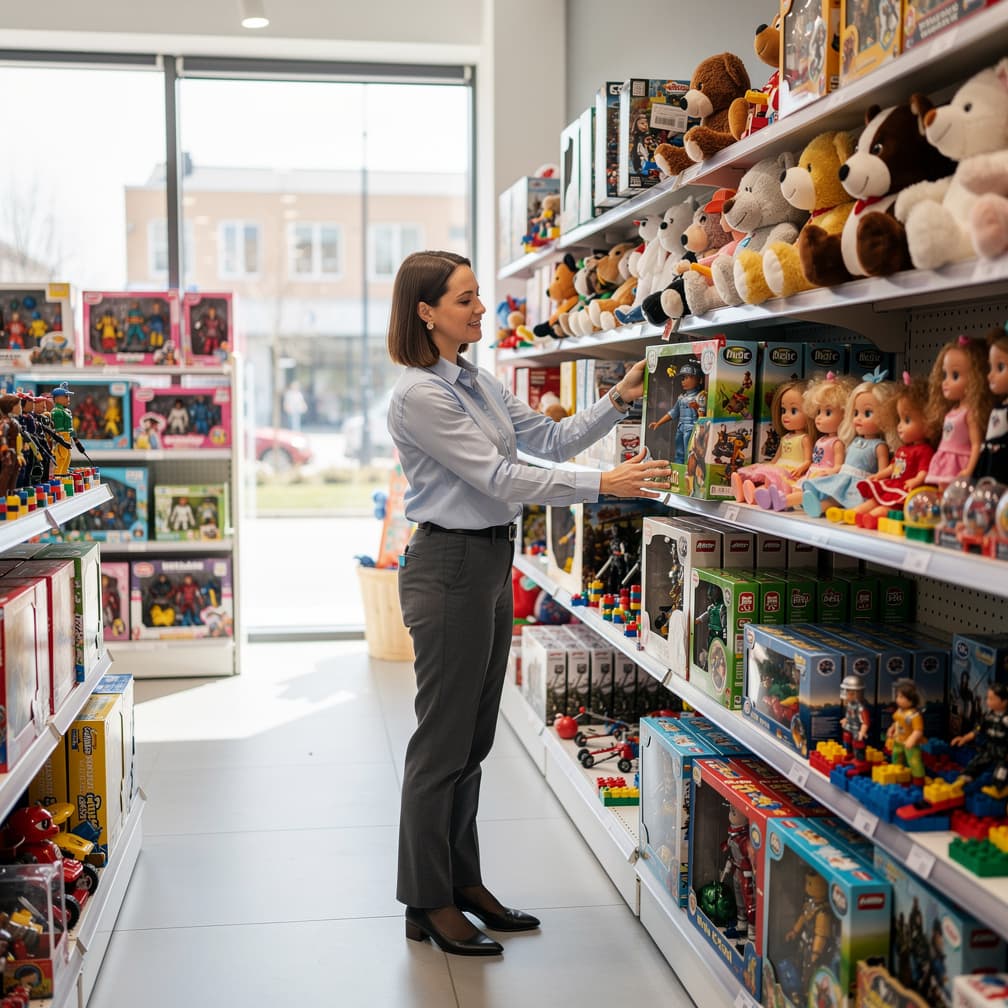
One toy seller runs a neighborhood storefront with gift wrap at the counter, stroller traffic on weekends, and a back room packed with boxed inventory. Another sells from a mall kiosk, carries less stock on site, and depends on fast transactions, compact displays, and frequent restocking from off-site storage. A toy store insurance review should separate those setups, because customer movement, storage patterns, and lease requirements can change what you need to compare.
In a storefront, you may be balancing narrow aisles, demo tables, and seasonal merchandise that shifts floor layout throughout the year. In a kiosk, the bigger issue may be how merchandise is secured, how employees handle rush periods, and what the mall requires before you open each day. The local climate also adds practical property questions for retailers that keep paper goods, plush items, electronics, games, and packaging materials under one roof where moisture and storm conditions can affect stock and fixtures. Before you request quotes, map your selling space, storage locations, payroll, and lease obligations so the policy review follows your actual operation.
Climate Risk Profile
Natural Disaster Risk in Hawaii
Understanding climate-related risks helps determine appropriate insurance coverage levels.
Hurricane
Very High
Tsunami
High
Volcanic Activity
High
Flooding
High
Expected Annual Loss from Natural Hazards
$380M
estimated economic loss per year across Hawaii
Source: FEMA National Risk Index
Common Risks for Toy Store Businesses
- A child slips or trips in an aisle while browsing toys, games, or seasonal displays.
- A stacked display or shelf item falls and causes bodily injury to a customer.
- A defective toy or children's product leads to a product liability claim after sale.
- A recall or safety issue affects inventory already in the store or backroom.
- Fire, theft, storm damage, or vandalism interrupts retail operations and damages stock.
- Point-of-sale equipment, lighting, or other store equipment breaks down and slows sales.
How Much Does Toy Store Insurance Cost in Hawaii?
Toy Store Insurance is a bundle of separate policies, priced separately. The ranges below are typical figures for Hawaii for each line, except workers compensation, which is rated per $100 of payroll; a quote prices each one against your own operations.
| Coverage | Typical range | What moves your price |
|---|---|---|
| General Liability Insurance | $55 - $170 per month | Industry and risk classification, annual revenue, number of employees |
| Commercial Property Insurance | $110 - $340 per month | Building value and construction type, roof age and condition, fire protection class |
| Workers Compensation Insurance | $0.75 - $2.74 per $100 of payroll | Employee classification codes, total annual payroll, experience modification rate |
| Business Owners Policy Insurance | $100 - $290 per month | Annual revenue and industry class, building and contents values, square footage and building age |
Prices shown are general estimates, not guaranteed rates or quotes. Your actual premium will depend on the insurer, coverage selected, business details, location, claims history, and other underwriting factors. Learn about our pricing methodology.
Coverage Considerations in Hawaii
- If your store layout changes often for holidays, school breaks, or promotions, general liability insurance takes on added weight. Customer flow can shift every time you move tables, bins, or endcap displays.
- Commercial property insurance should be reviewed against your full inventory cycle, including stock in the sales area, back room supplies, point of sale equipment, shelving, and tenant improvements you paid for yourself.
- Workers compensation insurance is a core priority because the state requires coverage when you have at least 1 employee. Even a small shop should confirm payroll and job duties are classified correctly.
- A business owners policy quote bundles property and liability terms together, which can simplify comparisons when you need one package matching a leased retail space.
Get Your Toy Store Insurance Quote in Hawaii
Compare rates from multiple carriers. Free quotes, no obligation.
Operating a Toy Store Business in Hawaii
- High-touch browsing and quick checkout periods mean aisle width, display stability, and register-area housekeeping directly shape your liability exposure.
- Retailers in leased shopping centers or mall settings often face management requirements for specific proof of coverage before move-in, renewal, or special event participation.
- Overflow inventory kept in a back room, mezzanine, or separate storage unit needs property limits that reflect where stock, fixtures, and packaging materials are actually kept.
- Carrying plush toys, books, games, craft kits, and battery-powered items in one location creates different handling and storage exposures than a shop focused on a narrower product mix.
Common Claims for Toy Store Businesses in Hawaii
An employee hurries to restock boxed toys from the back room after a busy weekend promotion and strains a shoulder lifting cartons onto high shelving. The injury leads to a workers compensation claim and missed shifts.
A summer storm blows rain through a poorly sealed storefront window and saturates the bottom two shelves of plush and boxed games. You spend the next three days sorting salvageable stock from ruined packaging while property and business interruption questions are reviewed.
During a crowded holiday shopping period, a customer backs into a freestanding promotional fixture near the register. Merchandise scatters into the checkout path, and the incident turns into an injury and property damage claim.
Preparing for Your Toy Store Insurance Quote in Hawaii
Start with a current inventory estimate that separates sales-floor stock, back-room stock, seasonal merchandise, and any off-site stored items. Rough guesses can leave your property limits too low.
Your lease, kiosk agreement, or shopping center insurance requirements let you compare requested liability limits, property responsibilities, and any proof-of-coverage conditions before binding a policy.
Every employee role matters for workers compensation review, including owners who work the floor, cashiers, stock handlers, and seasonal help. Payroll and job duties drive how the coverage is evaluated.
Store layout details help the quote reflect how customers and staff actually move through the space. Include square footage, shelving type, demo areas, register placement, and storage setup.
What Happens Without Proper Coverage?
The claims that hurt toy stores involve children, and that changes their character. An injury allegation involving a child draws more sympathy, more scrutiny, and often higher demands than the same incident involving an adult, so a display that tips or a demo table with a sharp corner carries more downside here than in most retail. Defending even a weak claim takes legal spend and months of attention, which is exactly what liability coverage exists to absorb.
The calendar concentrates your property risk. Many toy retailers take in a large share of annual revenue in the final quarter and stock up hard beforehand, which means a November stockroom fire or break-in destroys inventory at its peak and cancels the selling season that was supposed to pay for it. Limits set from a spring inventory count miss that reality entirely.
Product problems arrive from upstream whether or not you did anything wrong. A manufacturer's recall can strand paid-for inventory, and a defect claim names the seller alongside the maker. Keeping supplier records organized and understanding how your policy treats product allegations turns a scary letter into a manageable process.
Practical gates supply the last reason. Landlords want certificates before keys, shopping centers may dictate liability limits, and inventory financing or a second location brings its own requirements on a deadline. A clean quote file, including your lease, payroll estimate, inventory values, and a description of how customers and staff use the space, lets you clear those gates without rushed decisions.
Recommended Coverage for Toy Store Businesses
Based on the risks and requirements above, toy store businesses need these coverage types in Hawaii:

General Liability
Essential coverage for every business, protect against third-party bodily injury, property damage, and advertising claims.

Commercial Property
Safeguard your business property, equipment, and inventory against damage and loss.

Workers Compensation
Help cover your employees' medical expenses and lost wages for work-related injuries and illnesses.

Business Owners Policy
Bundle property and liability coverage into one convenient, cost-effective policy for small businesses.
Toy Store Insurance by City in Hawaii
Insurance needs and pricing for toy store businesses can vary across Hawaii. Find coverage information for your city:
Insurance Tips for Toy Store Owners
Review your lease line by line before quoting, because toy store tenants often insure improvements, signage, and glass differently than they first assume.
Separate peak season inventory from normal stock levels during the property review, so temporary surges in merchandise do not leave you short after a covered loss.
Map staff duties honestly, including receiving shipments, ladder use, display assembly, and cleanup work, because your quote should reflect how the store actually operates.
Ask whether a business owners policy fits your operation, but compare its structure against standalone liability and property options before deciding.
Walk the sales floor as a customer would, noting tight aisles, demo tables, floor mats, and checkout congestion that can drive everyday liability claims.
Keep a current inventory method that distinguishes sales floor merchandise from back-room stock, because claim handling is easier when values are documented clearly.
Bring landlord insurance requirements into the quote conversation early, especially if the lease asks for specific liability wording before move-in or renewal.
FAQ
Frequently Asked Questions About Toy Store Insurance in Hawaii
Hawaii requires workers compensation coverage when you have at least 1 employee, though sole proprietors are exempt. If you incorporated and then hired a single part-time cashier for the holiday rush, that hire likely triggers the requirement. Check with a licensed provider before the first paycheck goes out.
Moisture and storm exposure can reshape what your property policy should address. If plush items, books, games, or electronics sit low to the floor or in secondary storage, a minor roof leak becomes a major inventory loss. Ask whether your policy pays replacement cost or actual cash value on damaged stock, because that difference determines whether you restock at full value or take a loss on depreciation.
Kiosks and full storefronts present different insurance questions because stock levels, customer traffic patterns, display design, and lease obligations are not the same. A kiosk owner should compare liability and property terms against the exact space, storage arrangement, and mall requirements. If your kiosk has no on-site storage and you restock from a vehicle each morning, your property exposure looks nothing like a shop carrying full inventory across a large retail footprint.
The Hawaii Insurance Division regulates insurance in the state and maintains a public license lookup tool. You can verify a provider's standing there before requesting quotes or check complaint history if something feels off during the process.
Have payroll, inventory values, storage locations, lease requirements, and a clear description of the selling space ready. A quote is more useful when it reflects whether you run a boutique storefront, a mall kiosk, or a shop with separate back-stock storage.
General liability and commercial property form the core, often packaged as a business owners policy, with workers' compensation added once employees are on payroll. Lease terms, inventory values, and how your store handles stocking and displays decide the final mix.
Yes, in nearly every case. Customer injury and third-party property damage claims grow out of normal foot traffic, and most landlords and shopping centers require proof of liability coverage before you open, renew, or join the property.
Often, if the operation is a straightforward retail setup. The package combines liability and property protection efficiently, but inventory levels, fixtures, and lease obligations still need to be checked against its limits before you commit.
Sources
- 1.Hawaii Insurance Division(Hawaii business insurance oversight comes from the Hawaii Insurance Division.; Hawaii requires workers compensation insurance for businesses with at least 1 employee, while sole proprietors are exempt.)
Updated July 16, 2026