Updated July 16, 2026

Commercial Auto Insurance in Boise
A standard Idaho policy form may look familiar, but your vehicle schedule needs local detail. Many local companies run service calls, client visits, and short-route pickups across a dense small-business market rather than long-haul fleets. Ada County has 16,806 business establishments, so your vehicles are constantly moving between job sites, offices, medical locations, and customer addresses where certificates of insurance matter before work starts. The county mix also shapes the risk. Professional, scientific, and technical services account for 13.5% of establishments, construction 13.3%, and health care and social assistance 11.7%, so your policy should reflect how each sector actually uses vehicles on the road. A local quote should separate passenger autos, pickups, and vans by actual use instead of rating everything the same way. If your drivers alternate between sales calls, tools in transit, and employee errands, ask for a vehicle-by-vehicle review before you bind coverage.
Commercial Auto Insurance Risk Factors in Boise
Boise's top risk factors include Wildfire risk, Drought conditions, Power shutoffs, and Air quality events. Boise's crime index of 121 (national avg: 100) increases vehicle theft risk, comprehensive auto coverage is important here.
Idaho has a moderate climate risk rating. Top hazards: Wildfire (Very High), Earthquake (Moderate), Winter Storm (Moderate), Flooding (Moderate). The state's expected annual loss from natural hazards is $320M, which influences commercial auto insurance premiums and may affect coverage availability in high-risk areas.
What Commercial Auto Insurance Covers
In Idaho, commercial auto insurance is built around business-use vehicles, and the policy structure usually starts with liability, collision, comprehensive, medical payments, and uninsured motorist protection. Liability is the core protection for vehicle accident claims involving bodily injury or property damage to others. Collision helps repair or replace your business vehicle after a crash, while comprehensive responds to losses from theft, wildfire-related damage, hail, winter storm events, or other non-collision losses. That matters in Idaho because wildfire risk is rated very high and winter storm risk is moderate, so comprehensive coverage is worth reviewing closely if your vehicles park outdoors or travel through rural areas. Medical payments can help with covered medical costs after an accident, and uninsured motorist protection is especially relevant given the state's uninsured driver rate. If your business rents vehicles or employees drive personal vehicles for work errands, client visits, or deliveries, hired and non-owned auto endorsements can help protect your business when a personal policy falls short.
Coverage Included

Bodily Injury Liability
Covers injuries you cause to others in an accident

Property Damage Liability
Covers damage you cause to others' property
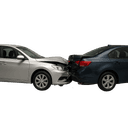
Collision Coverage
Pays for damage to your vehicle in an accident

Comprehensive Coverage
Covers theft, vandalism, weather, and animal damage

Medical Payments
Covers medical costs for your drivers and passengers

Uninsured Motorist
Protection when the other driver lacks insurance
Hired & Non-Owned Auto
Covers rented or employee-owned vehicles used for work
Commercial Auto Insurance Cost in Boise
Average Cost in Idaho
$120 - $340
per month
Businesses in Idaho typically see commercial auto insurance premiums of $120 - $340 per month, which tends to run 16% below the national range of $140 - $410 per month.
- Fleet size and vehicle types
- Driver records and experience
- Coverage limits and deductibles
- Business industry and use
- Annual mileage and operating radius
- Claims history
Rates based on small business averages. Your actual premium may vary.
Prices shown are general estimates, not guaranteed rates or quotes. Your actual premium will depend on the insurer, coverage selected, business details, location, claims history, and other underwriting factors. Learn about our pricing methodology.
For Idaho businesses, commercial auto insurance cost depends on fleet size, vehicle type, driver records, coverage limits, deductibles, business use, annual mileage, operating radius, and claims history. Idaho's premium index suggests the market runs below the national average overall, but a lower index does not mean every quote will be low. A delivery route in Boise, a construction pickup operating across Ada and Canyon counties, or a commercial truck making longer runs toward Pocatello or Idaho Falls can price differently than a local office car used only inside city limits. Weather exposure can matter too, since winter storms, wildfire smoke and damage, and flood-related losses are part of the state risk profile. Because results vary by carrier and vehicle class, comparing options is the best way to find the right balance of price and protection.
What Makes Boise Different
In this market, commercial auto losses are often less about long distance driving and more about frequent stops, shared drivers, parking lot incidents, and vehicles that switch roles during the week. A pickup may handle an estimate visit one day and material runs the next, while a sedan assigned to an owner might get used for client meetings by another employee. Classification, driver assignment, garaging, and radius assumptions can all affect how a policy responds and how an underwriter prices it. Professional services, construction, and health care all use vehicles differently, even when annual mileage looks similar. Map each unit to its real duty, who drives it, what it carries, and whether employees ever use personal vehicles for business errands.
Our Recommendation for Boise
Start with the vehicle schedule, not the premium. List each auto by body type, ownership, primary driver, territory, and work purpose, and flag any unit that carries tools, visits clients, or rotates among employees. If your operation touches construction, review hired and non-owned auto exposure carefully. Employee-owned pickups and personal cars used for errands can create a gap if they are assumed away. If you run a professional or health-related operation, check whether your policy setup matches how often staff drive to appointments, satellite offices, or customer locations. Boise households report a median household income of $81,308, which puts replacement costs and payroll pressure high enough that losing one vehicle can stall operations quickly. Before renewing, ask for a quote that separates liability limits, physical damage deductibles, and any hired or non-owned auto need so you can see where the real tradeoffs sit.
Get Commercial Auto Insurance in Boise
Enter your ZIP code to compare commercial auto insurance rates from carriers in Boise, ID.
Business insurance starting at $25/mo
FAQ
Frequently Asked Questions
Yes. Vehicles here often serve multiple roles during the week, and a detailed review can help ensure each unit is classified accurately for the work it actually does.
Describe each unit's actual use, who drives it, what equipment it carries, and whether employees use personal vehicles for work. Construction represents 13.3% of Ada County establishments, so underwriters expect specific use details rather than broad assumptions when pricing this sector.
Professional firms often need to review company cars, employee errands, and client-visit driving together. Professional, scientific, and technical services make up 13.5% of Ada County establishments, which means passenger autos in this sector still carry meaningful business-use exposure that a personal policy may not address.
Health care practices should match coverage to how vehicles are actually used, including staff travel between locations or patient-related trips. Health care and social assistance account for 11.7% of Ada County establishments, so business-use patterns here can be broader than a basic office setup suggests.
Owners should review deductibles and downtime planning before renewal if losing a vehicle would disrupt payroll, appointments, or service calls. **Boise's median household income is $81,308**, so a temporary interruption can strain both staffing and customer commitments in a market where replacement costs run high.
For Idaho businesses, it can help cover liability for vehicle accident claims, collision damage to your company vehicle, comprehensive losses like theft or weather damage, medical payments, and uninsured motorist protection. If you rent vehicles or have employees using personal cars for work, hired auto and non-owned auto coverage may also be needed.
The Idaho range often starts from about $120 to $340 per month, with small-business pricing varying based on the vehicle and its use. Your actual price depends on fleet size, vehicle type, driver records, coverage limits, deductibles, mileage, operating radius, and claims history.
Any Idaho company that uses vehicles for work should review business auto insurance, including businesses with company cars, service vans, pickups, commercial trucks, or fleets. It is also relevant if employees drive their own cars for errands, client visits, or deliveries.
Sources
- 1.U.S. Census Bureau, County Business Patterns, Ada County(Ada County has 16,806 business establishments, so your vehicles are more likely to be moving between job sites, offices, medical locations, vendors, and customer addresses where contracts and certificates matter before work starts.; The county mix also matters: professional, scientific, and technical services account for 13.5% of establishments, construction 13.3%, and health care and social assistance 11.7%, so a local quote should separate passenger autos, pickups, and vans by actual use instead of rating everything the same way.)
- 2.U.S. Census Bureau, ACS 5-Year Estimates, table B19013(Boise households report a median household income of $81,308, so replacing a work vehicle after a loss can interrupt both payroll and customer commitments faster than many owners expect.)
Updated July 16, 2026