








































Updated July 5, 2026

Commercial Truck Insurance in Boise
A tighter local market changes how you shop for truck coverage. You may see fewer carriers interested in certain vehicle classes, radius profiles, or filings, and that makes your submission quality matter more. If you are comparing commercial truck insurance in Boise, the practical question is not just price. It is whether your application clearly shows what you haul, where units park, who drives them, and how fast you can produce certificates for a shipper, broker, or jobsite request.
That matters here because a lot of business gets done through repeat relationships and fast proof expectations. Ada County has 16,806 business establishments, so there are many local counterparties that may ask for certificates, additional insured wording, or higher liability limits before freight moves or site access is granted. If your operation serves contractors, medical suppliers, or professional clients with time-sensitive deliveries, delays in paperwork can cost work as quickly as a claim can. A useful quote request should include vehicle schedules, driver lists, garaging address, operating radius, and any trailer interchange or cargo needs, so you can compare appetite and terms instead of only comparing premiums.
Commercial Truck Insurance Risk Factors in Boise
Boise's top risk factors include Wildfire risk, Drought conditions, Power shutoffs, and Air quality events.
Idaho has a moderate climate risk rating. Top hazards: Wildfire (Very High), Earthquake (Moderate), Winter Storm (Moderate), Flooding (Moderate). The state's expected annual loss from natural hazards is $320M, which influences commercial truck insurance premiums and may affect coverage availability in high-risk areas.
What Commercial Truck Insurance Covers
Commercial truck insurance is built around how your truck operates, not just what it is. The core form usually starts with motor carrier liability for bodily injury and property damage tied to covered trucking operations. Physical damage can then address repair or replacement after a covered collision or other insured loss. Cargo insurance can protect freight while it is in transit, and trailer interchange can respond when you are using a trailer under a trailer interchange agreement. Bobtail coverage and non-trucking liability are often considered for owner-operators when the truck is being used outside dispatch, but the right choice depends on whether you are under a motor carrier, leased to one, or running independently.
Idaho does not replace federal trucking rules with a separate statewide trucking liability mandate, so federal FMCSA minimums still matter for many operations. The minimum commercial auto requirement applies, but general freight carriers may need at least $750,000 in liability coverage under federal rules, and hazardous materials can require $1 million to $5 million. In practice, Idaho shippers and brokers may ask for higher limits than the minimums. Coverage can also vary by endorsement, deductibles, and the freight you haul, so a refrigerated carrier, flatbed hauler, or regional delivery operation may need a different package than a long-haul motor carrier.
Coverage Included

Motor Carrier Liability
Can help cover injuries and property damage your truck causes to others, a coverage federal regulators require most for-hire carriers to maintain.
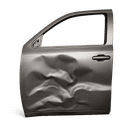
Physical Damage
Can help pay to repair or replace your own truck after an accident, fire, theft, or vandalism.
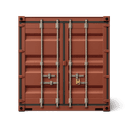
Cargo Coverage
May pay for damage to or theft of the freight you are hauling while it is in your care.
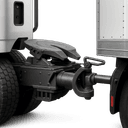
Trailer Interchange
Can help cover damage to trailers you haul under an interchange agreement but do not own.
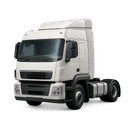
Bobtail Coverage
May provide liability protection when you drive your tractor without a trailer attached, such as after dropping off a load.

Non-Trucking Liability
Can help cover accidents that happen when you use your truck for personal errands rather than dispatched work.
Commercial Truck Insurance Cost in Boise
Average Cost in Idaho
$380 - $1,000
per month
Businesses in Idaho typically see commercial truck insurance premiums of $380 - $1,000 per month, which tends to run 10% below the national range of $400 - $1,125 per month.
- Radius of operation
- Commodities hauled and cargo value
- Number and value of power units
- Driver motor vehicle records and CDL experience
- DOT safety record, inspections, and FMCSA scores
- Liability limits and physical damage deductibles
Contact CPK Insurance for a personalized quote.
Prices shown are general estimates, not guaranteed rates or quotes. Your actual premium will depend on the insurer, coverage selected, business details, location, claims history, and other underwriting factors. Learn about our pricing methodology.
The state pricing picture for commercial truck insurance is shaped by both the product and the local market. State-specific pricing varies widely by operation, compared with a broader product range of about $400 to $1,125 per truck per month. Idaho's premium index is 87, which means you may pay around 13% less for the same coverage than you would in many other states. That lower baseline gives you room to buy higher limits or add endorsements without necessarily paying more than you would elsewhere.
The biggest cost drivers in Idaho are coverage limits, deductible choices, claims history, location, industry or risk profile, and policy endorsements. A long-haul carrier moving through wildfire-prone or winter-storm-prone areas may see different pricing pressure than a local hauler staying in one region. Idaho's 2023 crash data also matters. Weather conditions accounted for 24.8% of crashes, reckless driving 31.1%, speeding 17.9%, and running red lights or stop signs 15.1%. Because reckless driving and weather top that list, insurers pay close attention to your driver vetting and route planning, which directly impacts your premium. Hauling high-value or perishable freight also raises your rate, and trailer interchange or bobtail coverage can add cost depending on how you use the truck.
Because Idaho has a broad market with many carriers competing for trucking business, comparing quotes is a practical part of pricing. The state's 56,200 businesses are 99.4% small businesses, which means most trucking policies here are written for a handful of trucks rather than a national fleet. That works in your favor because carriers are used to tailoring coverage to route count, truck count, and contract requirements rather than pushing one-size-fits-all pricing.
Industries & Insurance Needs in Boise
Ada County's business mix changes what many truck accounts here actually need to show. The county's leading sectors by establishment share are professional, scientific, and technical services at 13.5%, construction at 13.3%, and health care and social assistance at 11.7%, so local trucking demand often ties to jobsite deliveries, service-related transport, and time-sensitive medical or facility supply runs rather than only long-haul freight.
That affects the insurance conversation because these customers often care about documentation, scheduling reliability, and contract language. A contractor may ask for higher auto liability limits before a truck enters a site. A health-related client may expect tighter driver screening and cleaner loss control practices. A quote works better when it matches the account to the work: contractor supply runs, local delivery routes, service body trucks, or mixed-use fleets with occasional hauling. If your operation touches more than one of those sectors, ask for the policy review to focus on hired and non-owned auto, physical damage deductibles, and certificate turnaround expectations, not just the base premium.
What Makes Boise Different
Relationship speed is what changes the calculus here. In a market where customers, vendors, and site managers often know who responds quickly, your insurance program has to support day-to-day operations, not just satisfy a legal minimum on paper. The issue is often administrative friction: a certificate request that sits too long, a driver not scheduled correctly, or a unit added after a job is already booked.
For a trucking business, that raises the value of clean documentation, prompt claims reporting, and coverage terms that fit the actual route and vehicle mix. If you run local deliveries, contractor support, or specialty service trucks, review how quickly certificates can be issued, whether newly acquired vehicles are handled clearly, and whether your listed business use matches what dispatch is really doing this quarter. Those details can decide whether you keep work moving after a loss or lose time explaining your file.
Our Recommendation for Boise
Start with the submission, because tighter carrier appetite usually shows up there first. Give the underwriter a current vehicle schedule, VINs, stated values, garaging details, driver dates of birth, license information, and a plain description of commodities or service work. If you switch between contractor deliveries, service calls, and occasional longer runs, say that up front so the quote reflects the real exposure.
Next, review proof-of-coverage workflow before renewal. Ask how certificates are issued, how additional insured or waiver requests are handled if needed, and how fast a newly added truck can appear on evidence of insurance. If you use personal vehicles for errands, borrowed pickups, or employee-owned units around jobs, ask whether hired and non-owned auto should be reviewed alongside your scheduled autos.
Finally, do not treat deductibles and downtime separately. A lower premium can look attractive until a physical damage claim leaves a truck parked and cash flow tight. Compare deductible options against how long you could keep work moving if one unit is out of service.
Get Commercial Truck Insurance in Boise
Enter your ZIP code to compare commercial truck insurance rates from carriers in Boise, ID.
Business insurance starting at $25/mo
FAQ
Frequently Asked Questions
Boise truck insurance quotes go smoother when you have a current vehicle schedule, driver list, garaging address, operating radius, and a clear description of what each truck hauls or delivers. In a tighter local market, complete submissions usually get more useful carrier responses.
Ada County has 16,806 business establishments, so many shippers, contractors, and commercial customers may ask for proof of coverage before work starts. That makes certificate turnaround, additional insured requests, and accurate vehicle scheduling worth reviewing before you bind.
Boise delivery and contractor-focused trucking accounts often have different documentation and site-access expectations. If your trucks serve jobsites or scheduled commercial stops, review liability limits, hired and non-owned auto, and physical damage deductibles against how dispatch actually uses each unit.
Ada County's leading sectors include professional services at 13.5%, construction at 13.3%, and health care and social assistance at 11.7%. That mix can increase the importance of certificates, driver screening, and matching coverage terms to service, supply, or jobsite delivery work.
Boise owner-operators should compare carrier appetite, certificate speed, deductible structure, and how the policy handles newly added vehicles or mixed-use operations. Those details can matter just as much as premium if a broker, shipper, or customer needs proof fast.
Your policy can be built around motor carrier liability, physical damage, cargo coverage, and optional use endorsements. The right mix depends on whether you haul locally, regionally, or long haul, and each piece addresses a different part of your operation. Liability handles third-party claims, physical damage addresses your truck, and cargo coverage can protect the freight you are carrying.
The Idaho commercial auto minimum applies, but many trucking operations also have to meet federal FMCSA liability expectations, which can be much higher depending on freight.
The Idaho range is about $380 to $1,000 per month per truck, but the final price varies with limits, deductibles, claims history, location, industry risk, and endorsements.
Sources
- 1.U.S. Census Bureau, County Business Patterns, Ada County(Ada County has 16,806 business establishments, so there are many local counterparties that may ask for certificates, additional insured wording, or higher liability limits before freight moves or site access is granted.; The county's leading sectors by establishment share are professional, scientific, and technical services at 13.5%, construction at 13.3%, and health care and social assistance at 11.7%, so local trucking demand often ties to jobsite deliveries, service-related transport, and time-sensitive medical or facility supply runs rather than only long-haul freight.)
Updated July 5, 2026





