Updated July 16, 2026

On-Hook Towing Insurance in Boise
Property managers, lenders, and commercial clients around Boise often want proof that your policy addresses customer vehicles while they are in your care, custody, and control. They are not just checking whether your truck itself is insured. For a tow company trying to keep vendor approvals moving, on-hook coverage usually gets reviewed alongside certificates, limits, and any contract wording tied to impounds, private property tows, or transport between lots. The work here is concentrated around commercial properties with steady towing volume. That means a damaged vehicle can turn into a contract problem fast. Ada County has 16,806 business establishments, so you are likely chasing recurring vendor contracts rather than random dispatch calls. When you handle private property impounds, lender recoveries, or commercial account towing, your coverage needs to reflect the real rhythm of how vehicles are hooked, moved, stored briefly, and released. Before you renew, line up your sample service agreements and confirm the on-hook limit, deductible, and any exclusions against the jobs you want to keep.
On-Hook Towing Insurance Risk Factors in Boise
Boise's top risk factors include Wildfire risk, Drought conditions, Power shutoffs, and Air quality events.
Idaho has a moderate climate risk rating. Top hazards: Wildfire (Very High), Earthquake (Moderate), Winter Storm (Moderate), Flooding (Moderate). The state's expected annual loss from natural hazards is $320M, which influences on-hook towing insurance premiums and may affect coverage availability in high-risk areas.
What On-Hook Towing Insurance Covers
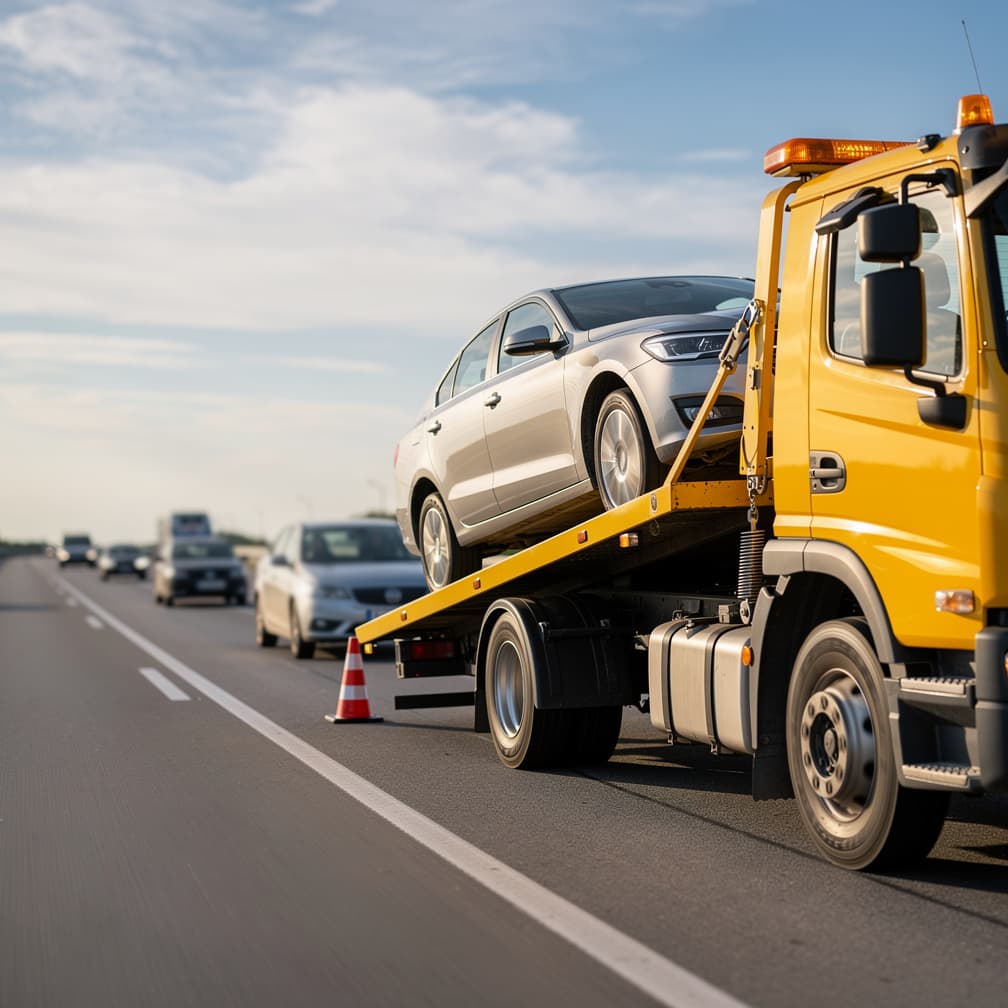
On-hook coverage can help pay for damage to a customer's vehicle while it is attached to, loaded on, carried by, or unloaded from your tow truck. A light-duty roadside tow on a clear urban route creates one kind of loss profile. A pickup pulled from a snowy shoulder, a low-clearance car loaded on uneven ground, or a disabled vehicle moved down a long rural stretch creates another. That is why you should ask the agent to separate how your operation handles routine towing, recovery-adjacent work, dealer or auction transfers, and any impound-related movement.
You also want to review how the policy responds to the handoff points where disputes often start, since loading and unloading procedures matter when damage allegations surface after the fact. A customer may point to bumper, fascia, wheel, undercarriage, glass, or drivetrain issues after delivery, especially if the vehicle already had prior damage. Your file should make clear which equipment you use, how vehicles are secured, whether you use flatbeds, wheel-lifts, dollies, or mixed methods, and who documents condition before transport.
For Idaho operators, territory deserves special attention during the coverage conversation. Steep grades, winter traction issues, narrow access roads, and long rural stretches can all change how a vehicle is attached, stabilized, and moved. If your work includes recoveries near embankments, off-pavement pulls, or long-distance transports between smaller communities, say so up front. The goal is not to make the account sound simple but to make it accurate enough that the policy terms, limits, and underwriting assumptions fit the jobs you actually accept.
Coverage Included
Collision on Hook
Covers damage to towed vehicles from collisions during transport.
Comprehensive on Hook
Covers theft, fire, and weather damage to vehicles being towed.
Loading & Unloading
Covers damage during the process of loading and unloading vehicles.
Winching Coverage
Covers damage to vehicles during winching and recovery operations.
Multiple Vehicle
Covers all vehicles on multi-car carriers and rollback flatbeds.
Industries & Insurance Needs in Boise
Ada County business mix changes where towing relationships come from. Professional, scientific, and technical services account for 13.5% of establishments, construction 13.3%, and health care and social assistance 11.7%, so your book of business here may lean less on highway-only breakdown work and more on commercial properties, contractor fleets, employee parking lots, and medical campus enforcement. That affects what you should ask an agent to review. A contractor account may care about jobsite pickups and equipment yard access. A medical or office property manager may focus on vendor compliance, certificates, and clean claim handling if a vehicle owner disputes damage. If your operation serves commercial accounts, do not ask for a generic towing quote. Ask for terms that fit the mix of private property tows, fleet moves, after-hours calls, and any short-distance relocations you actually perform, then compare those terms against the contracts that generate your repeat work.
What Makes Boise Different
How much of your revenue depends on commercial accounts should drive your buying decisions. In a market with many commercial properties, this coverage is not just about whether you can tow a vehicle. It is about whether your insurance presentation holds up during vendor review and after a damage allegation. Boise median household income is $81,308, so a vehicle in a claim is often someone's second-largest asset. Disputes over condition, handling, or release can escalate quickly, which makes documentation and limit selection more important than a bare minimum approach. If your company works private property, lender, or commercial dispatches, review how you photograph vehicles before hookup, note pre-existing damage, and document keys and release procedures. Then match those practices to the policy you are buying. You want the coverage you request to fit the accounts you are trying to win and the claim situations most likely to strain those relationships.
Our Recommendation for Boise
Look at your actual dispatch mix first. If most of your revenue comes from commercial accounts, tell the agent that up front and provide sample agreements before you bind coverage. Ask specifically how the policy responds while a customer's vehicle is attached, being transported, and being moved between pickup and drop-off points that are common in your operation. If you use more than one truck type or rotate drivers between impounds, recoveries, and commercial calls, have each unit and use case reviewed instead of assuming one setup fits all. Your deductible and on-hook limit should match the vehicles you most often tow locally. Keep a current certificate package ready for property managers and commercial clients. Then compare it against renewal terms before a contract renews. A gap caught before a damage complaint or vendor audit is far easier to fix than one discovered after the fact.
Get On-Hook Towing Insurance in Boise
Enter your ZIP code to compare on-hook towing insurance rates from carriers in Boise, ID.
Business insurance starting at $25/mo
FAQ
Frequently Asked Questions
Property managers typically want a certificate showing your operation carries the coverages their vendor packet requires, with terms that fit private property towing. When you bring the agreement to your quote review, limits and wording can be checked against what that specific account demands.
Commercial account work often means repeated tows from the same properties, so your quote should reflect how vehicles are hooked, moved, documented, and released in practice. That gives the agent a clearer picture than a generic towing policy would.
With 16,806 business establishments in Ada County, many towing opportunities start with vendor relationships and service agreements rather than one-time calls. Contract review, certificate readiness, and on-hook terms are worth checking before you pursue more of those accounts.
Review your limits against the vehicles you actually handle and the contracts tied to private property or lender assignments. Higher-value vehicles or stricter vendor requirements can turn a low limit into a problem during approval or after a claim.
Buyers should not assume the Idaho Department of Insurance sets a one-size-fits-all on-hook limit for every towing operation. Your needed limit is usually driven by contracts, vehicle values, and how your company handles customer vehicles during paid towing work.
Most Idaho police rotation lists require proof of insurance before a tower is added or renewed, and on-hook coverage is commonly part of that requirement. Send the rotation paperwork with your quote request so the policy terms and certificates can be checked against the actual obligation.
Idaho operators get better quotes when they submit truck schedules, driver lists, loss history, and the insurance language from motor clubs, lenders, auctions, or municipal contracts together. That gives the underwriter a cleaner basis to match limits, deductibles, and covered operations.
Yes. Long distances and variable road conditions can affect loading, securement, and claim severity, which means rural work may be priced or reviewed differently than metro-area towing. Describe your territory honestly so the quote reflects how your trucks are actually dispatched.
Sources
- 1.U.S. Census Bureau, County Business Patterns, Ada County(Ada County has 16,806 business establishments, so a lot of local towing work starts with a property agreement, fleet account, or service vendor packet rather than a one-off roadside call.; Professional, scientific, and technical services account for 13.5% of establishments, construction 13.3%, and health care and social assistance 11.7%, so your book of business here may lean less on highway-only breakdown work and more on commercial properties, contractor fleets, employee parking lots, and medical campus enforcement.)
- 2.U.S. Census Bureau, ACS 5-Year Estimates, table B19013(Boise median household income is $81,308, so a customer vehicle involved in a claim may represent a meaningful asset to its owner, and disputes over condition, handling, or release can escalate quickly.)
- 3.Idaho Department of Insurance(Boise buyers should not assume the Idaho Department of Insurance sets a one-size-fits-all on-hook limit for every towing operation.)
Updated July 16, 2026