







































Updated July 10, 2026

Fabric Store Insurance in Idaho
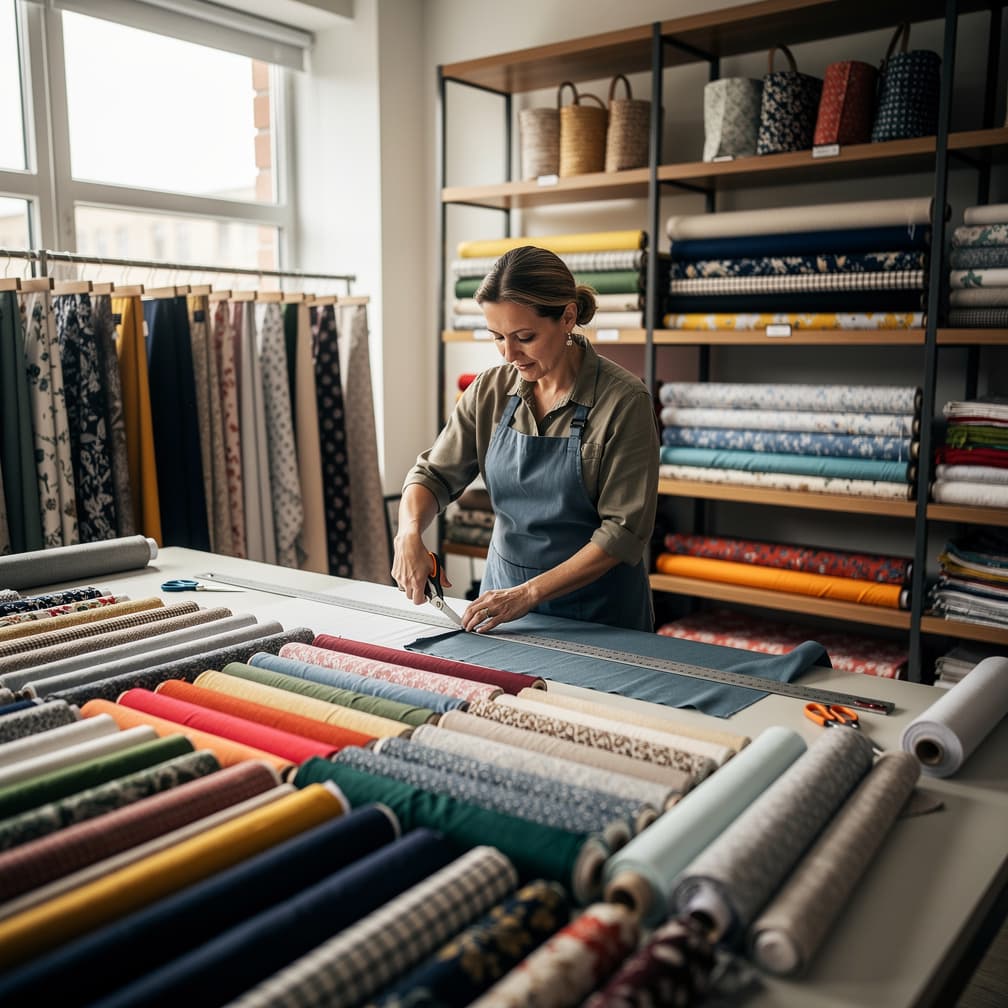
A fabric shop in Idaho has a different risk profile than a general retail store because shelves, bolts, cutting tables, and stored inventory can all be exposed to fire risk, theft, storm damage, and customer injury. In a state where small businesses make up 99.4% of establishments and retail trade is a major employer, owners often need coverage that fits both day-to-day foot traffic and the value of inventory on hand. Wildfire exposure, winter weather, and flooding can all affect building damage, business interruption, and property coverage decisions. If you are comparing a fabric store insurance quote in Idaho, the goal is to line up liability coverage and retail property coverage for fabric stores in Idaho before a loss interrupts sales or damages stock. Because many leases ask for proof of general liability coverage, the quote process usually starts with the space itself, the amount of fabric inventory, and how customers move through the store. That makes the right policy structure especially important for a textile retailer insurance decision in Idaho.
Climate Risk Profile
Natural Disaster Risk in Idaho
Understanding climate-related risks helps determine appropriate insurance coverage levels.
Wildfire
Very High
Earthquake
Moderate
Winter Storm
Moderate
Flooding
Moderate
Expected Annual Loss from Natural Hazards
$320M
estimated economic loss per year across Idaho
Source: FEMA National Risk Index
Risk Factors for Fabric Store Businesses in Idaho
- Idaho wildfire exposure can create building damage, fire risk, and business interruption concerns for fabric inventory and display fixtures.
- Idaho winter storm conditions can affect premises protection for fabric stores, including roof, entryway, and interior property damage.
- Idaho flooding can lead to property damage and inventory loss for textile retailer insurance needs, especially where stock is stored near ground level.
- Idaho earthquake activity can make retail property coverage for fabric stores more important for fixtures, shelving, and building damage.
- Idaho vandalism and theft exposure can affect inventory, cash handling, and storefront security for a fabric shop insurance plan.
How Idaho compares with the national baseline
Property crime per 100,000 residents
1,530 vs 2,200 baseline
Property crime in Idaho runs below the national average, at 1,530 vs 2,200 incidents per 100,000 residents.
Blue bar: Idaho. Gray line: national baseline.
How Much Does Fabric Store Insurance Cost in Idaho?
Fabric Store Insurance is a bundle of separate policies, priced separately. The ranges below are typical figures for Idaho for each line, except workers compensation, which is rated per $100 of payroll; a quote prices each one against your own operations.
| Coverage | Typical range | What moves your price |
|---|---|---|
| General Liability Insurance | $45 - $120 per month | Industry and risk classification, annual revenue, number of employees |
| Commercial Property Insurance | $80 - $260 per month | Building value and construction type, roof age and condition, fire protection class |
| Workers Compensation Insurance | $0.75 - $2.74 per $100 of payroll | Employee classification codes, total annual payroll, experience modification rate |
| Business Owners Policy Insurance | $80 - $240 per month | Annual revenue and industry class, building and contents values, square footage and building age |
Prices shown are general estimates, not guaranteed rates or quotes. Your actual premium will depend on the insurer, coverage selected, business details, location, claims history, and other underwriting factors. Learn about our pricing methodology.
What Idaho Requires for Fabric Store Insurance
Non-compliance can result in fines, loss of contracts, and personal liability:
- Workers' compensation insurance is required in Idaho for businesses with 1 or more employees, with exemptions for sole proprietors, working partners, and household domestic workers.
- Idaho businesses often need proof of general liability coverage for most commercial leases, so a fabric store may need documentation ready before signing or renewing space.
- The Idaho Department of Insurance regulates insurance activity in the state, so policy terms, endorsements, and filings should be reviewed through Idaho-specific requirements.
- If a fabric store uses business vehicles, Idaho's commercial auto minimum liability limits are $25,000/$50,000/$15,000, which may affect how a broader business insurance plan is structured.
- A fabric store insurance quote in Idaho should be checked for bundled coverage options, especially general liability and commercial property insurance, because lease and lender documentation may ask for both.
- When comparing fabric store insurance coverage in Idaho, confirm that the quote reflects premises protection, inventory protection, and any fire coverage for fabric-heavy stock.
| Requirement | What Idaho law says |
|---|---|
| Auto liability minimums | $25,000/$50,000/$15,000 (bodily injury per person / per accident / property damage). These floors apply to personal and business vehicles alike; lenders and contracts often require more. |
| Workers compensation | Generally required once you have your first employee. Some roles are exempt, so confirm current thresholds before you hire. |
| Where to verify | Idaho Department of Insurance publishes current requirements, consumer guides, and license lookups. |
Get Your Fabric Store Insurance Quote in Idaho
Compare rates from multiple carriers. Free quotes, no obligation.
Common Claims for Fabric Store Businesses in Idaho
A customer slips near a cutting table or display aisle in an Idaho fabric store and the owner needs liability coverage for customer injury and legal defense.
A wildfire-related power event or nearby fire damages bolts of fabric, shelving, and store fixtures, creating a business interruption and property damage claim.
Winter storms or water intrusion damage inventory stored near the floor, leading to theft, storm damage, and retail property coverage questions during the claim process.
Preparing for Your Fabric Store Insurance Quote in Idaho
A count of employees, since Idaho workers' compensation requirements begin at 1 or more employees.
An estimate of fabric, notions, fixtures, and equipment values so the insurer can price property coverage and inventory protection.
Lease details or proof-of-insurance requirements from the landlord, especially if general liability coverage must be shown.
Basic store operations information, including customer traffic, cutting services, and whether you want bundled coverage through a business owners policy.
Coverage Considerations in Idaho
- General liability insurance for bodily injury, property damage, slip and fall, and other third-party claims tied to customer visits.
- Commercial property insurance with fire coverage for fabric stores, plus protection for inventory, fixtures, and equipment.
- Business owners policy coverage for bundled liability coverage and property coverage when a small business wants one policy structure.
- Workers' compensation insurance if the fabric store has 1 or more employees, to address workplace injury, medical costs, lost wages, and rehabilitation.
What Happens Without Proper Coverage?
Textiles fail in ways other merchandise does not. Fabric absorbs smoke and water, so a small back-room fire or a leak from the suite next door can leave an entire wall of bolts unsellable even though nothing in your store burned. The loss is not one damaged item; it is weeks of inventory plus the sales that stop while the shop airs out, restocks, and reopens. A property limit set from a rough guess is usually the gap that shows up in that moment.
The hands-on nature of the store drives the liability argument. A shopper who reaches for a top-shelf bolt can bring the rack down with it, and one incident like that can produce medical bills, legal defense costs, and a nervous landlord all in the same week. Because staff cut and handle merchandise at the counter, allegations that your operations damaged a customer's belongings are also part of the picture.
Staffing is the third pressure point. Most fabric shops run lean, so when the one employee who handles receiving strains a back or takes a bad rotary-cutter cut, the store loses both a worker and its restocking capacity at once. Workers' compensation insurance addresses the claim itself, but the quote process is also where you surface how dependent the operation is on a few sets of hands.
Outside parties supply the final reason. Landlords routinely require proof of coverage before move-in or renewal, and craft fairs, markets, or class venues may ask for certificates before you participate. Sorting that out during a quote comparison is far easier than doing it against a deadline.
Recommended Coverage for Fabric Store Businesses
Based on the risks and requirements above, fabric store businesses need these coverage types in Idaho:

General Liability
Essential coverage for every business, protect against third-party bodily injury, property damage, and advertising claims.

Commercial Property
Safeguard your business property, equipment, and inventory against damage and loss.

Workers Compensation
Help cover your employees' medical expenses and lost wages for work-related injuries and illnesses.

Business Owners Policy
Bundle property and liability coverage into one convenient, cost-effective policy for small businesses.
Fabric Store Insurance by City in Idaho
Insurance needs and pricing for fabric store businesses can vary across Idaho. Find coverage information for your city:
Insurance Tips for Fabric Store Owners
Review your stock values by category, especially if premium textiles, seasonal inventory, or special orders can change the amount of property at risk during the year.
Walk the sales floor as a customer would, noting narrow aisles, stacked bolts, floor displays, and cutting counter congestion that could increase liability exposure.
Separate building responsibility from business personal property responsibility in your lease, so you know whether the quote should focus on tenant improvements, contents, or the structure itself.
Describe employee duties in detail during the workers' compensation review, because receiving, ladder use, lifting, and repetitive cutting work affect how the operation is classified.
Compare a business owners policy against standalone property and liability options if your store has unusual inventory values, multiple locations, or class-based customer activity.
Keep an updated equipment list that includes cutting tables, shelving, point-of-sale hardware, computers, printers, and security devices, because small omissions can slow claim settlement after a loss.
FAQ
Frequently Asked Questions About Fabric Store Insurance in Idaho
A typical Idaho fabric store policy can combine liability coverage for customer injury or third-party claims with property coverage for inventory, fixtures, and equipment. For a fabric retailer, that often means looking closely at fire risk, theft, storm damage, and building damage exposure.
The average premium data provided for Idaho is $43 to $176 per month, but the final fabric store insurance cost in Idaho varies based on inventory value, location, coverage limits, deductibles, claims history, and whether you bundle policies.
If the fabric store has 1 or more employees, workers' compensation is required in Idaho. Many commercial leases also ask for proof of general liability coverage, so it helps to have those documents ready before opening or renewing coverage.
Yes. Many small businesses use a business owners policy to bundle liability coverage and property coverage. For a fabric store in Idaho, that can be a practical way to address premises protection, inventory, fixtures, and fire coverage in one quote.
Have your employee count, lease information, inventory values, equipment values, and details about how customers move through the store. Those details help shape a fabric store insurance quote in Idaho for both general liability and commercial property insurance.
Start from your own numbers rather than the quote documents: floor layout, inventory values, payroll, and lease terms. Then ask each option to reflect cutting operations, customer foot traffic, shelving density, and point-of-sale equipment so you are comparing coverage for your shop, not a generic retail setup.
Three claim types dominate: customer injuries on the premises, damage to someone else's property, and allegations tied to the condition of the store. The terms should fit how shoppers actually move, handling bolts in the aisles and gathering at cutting counters during busy stretches.
Usually yes, because a landlord's policy stops at the structure. Your bolts of fabric, notions, shelving, cutting stations, checkout systems, and any improvements you paid for sit outside it, and those contents are what keep the store selling.
Updated March 31, 2026