Updated July 16, 2026

Key Takeaways
- Review your construction contract before requesting a quote, so the named insureds and insurance responsibility match the job documents.
- Prepare the project budget, timeline, address, and scope summary before applying, so the quote reflects the work actually being built.
- Check whether the policy addresses on-site materials, transit, temporary structures, and soft costs before the first delivery arrives.
- Compare the policy term against your realistic completion schedule, then ask about extension options before the original term gets close to expiring.
- Map builders risk against your liability, installation, and equipment policies, so you avoid both coverage gaps and overlapping property insurance.
Builders Risk Insurance in Idaho
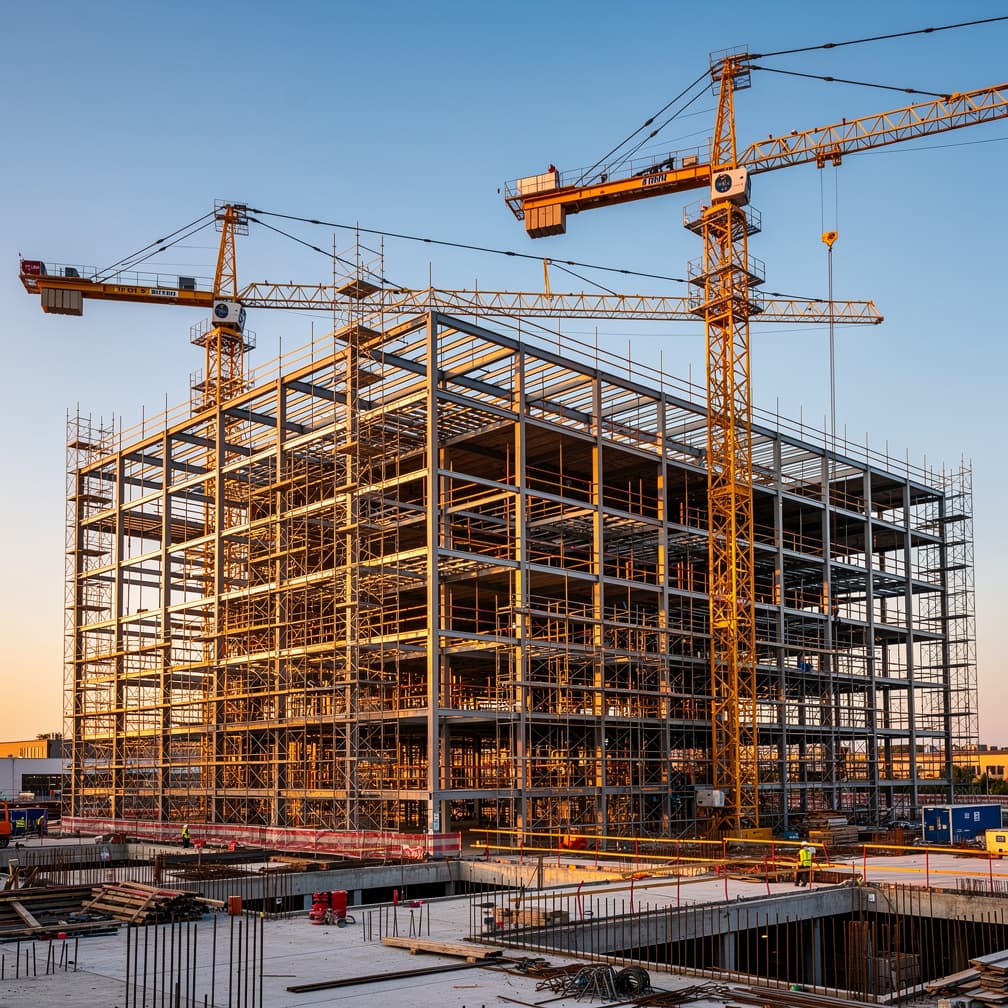
The lender is ready to close, the owner wants certificates before funds move, and the contractor agreement spells out who carries the course of construction policy. That is usually when builders risk insurance in Idaho stops being an abstract line item and becomes a practical checklist. You need the named insureds aligned with the contract, the project address matched to the permit set, and the property schedule broad enough to fit how materials are stored, delivered, and installed. That review matters because projects can move from open rural parcels to tighter in-town renovations, and the loss exposures change with them. A ground-up build outside a fast-growing corridor raises different questions than a tenant improvement in an occupied building.
Before you bind coverage, confirm who is responsible for temporary works, whether owner-furnished materials need to be scheduled, and how the policy handles a delay after physical damage. If any requirement in your loan package or construction contract is vague, resolve it before work starts and before the first draw depends on proof of coverage.
What Builders Risk Insurance Covers
For a project here, the useful coverage conversation is not the generic one. It is the schedule-level review of what is actually on site, what is in transit, what is waiting to be installed, and what could create a dispute after a loss. If your job includes owner-supplied fixtures, custom millwork, mechanical equipment, or materials staged off site before delivery, those details should be reviewed early instead of assumed. A new build on an open parcel raises one set of questions. A renovation or addition raises another.
A new build on an open parcel may call for close attention to site security, fencing, temporary storage, and how materials are protected before they are enclosed. A renovation or addition can raise different issues, especially if the existing structure remains occupied or operations continue during the work. In that setting, you should ask where your policy stops, where the property policy for the existing building starts, and whether there are any gaps around partially completed work. Buyers should also review soft-cost and delay-related options carefully when the project budget depends on a fixed opening date, a lease commencement, or a lender draw schedule.
If a covered physical loss pushes the timeline back, soft-cost endorsements can help cover interest on construction loans, real estate taxes, and lost rental income while the project is rebuilt. The practical step is to compare the contract requirements, the construction schedule, and the values worksheet line by line. Then ask for endorsements that match the way the job is actually being built.

Structure Coverage
Covers the building or structure under construction.

Materials on Site
Covers building materials stored at the construction site.

Materials in Transit
Covers materials being transported to the job site.
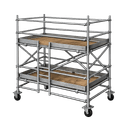
Temporary Structures
Covers scaffolding, fencing, and temporary buildings.

Soft Costs
Covers additional expenses from construction delays due to covered losses.

Equipment Coverage
Covers permanently installed fixtures and equipment.
Builders Risk Insurance Requirements in Idaho
- Renovation and addition work can create boundary issues between builders risk and existing property coverage, especially when occupancy continues during construction.
- If your contract includes owner-purchased equipment or custom components, schedule those items clearly instead of assuming they are automatically included.
- Projects with lender draw schedules should align policy term, completed value, and certificate wording before the first funding deadline arrives.
How Much Does Builders Risk Insurance Cost in Idaho?
In Idaho, builders risk pricing is usually driven by the project itself, so the most useful way to think about cost is through underwriting inputs you can control. Carriers look at construction type, project duration, site security, location, renovation versus new construction, and whether the job includes higher-value materials or equipment that create a larger theft or damage exposure before installation.
Your contract structure can affect the quote too. If the owner, general contractor, and key subcontractors all need to be reflected in the policy, the application has to be consistent with the construction agreement. If the lender requires specific terms, those should be identified before the quote is finalized. Reworking a policy after closing documents are issued can delay binding and push back your start date.
Underwriters also pay attention to how property will be stored and protected during the build. Materials left in the open, long delivery windows for specialty items, and phased construction can all change the risk profile. Submit a complete package including the project description, total completed value, timeline, construction method, security details, and any special exposures tied to the site. That gives you a quote built around the actual job instead of a rough placeholder that may need correction later.
Request a Quote Comparison
Enter your ZIP code to compare builders risk insurance rates from top carriers.
Business insurance starting at $25/mo
Who Needs Builders Risk Insurance?
In Idaho, the buyer is often the party that the contract assigns responsibility to, but the real question is who has money at risk if covered property is damaged before completion. That can include the property owner, the general contractor, a developer, or another party with a direct financial interest in the work. The right review starts with the agreement, then moves to the practical issue of whose materials, labor, and installed property would be affected by a loss. This matters most on projects where several parties contribute value at different stages.
An owner may purchase major equipment directly. A contractor may be responsible for temporary structures, stored materials, and work in place. A lender may require evidence that the project is insured before releasing funds. If those interests are not coordinated, a claim can turn into a dispute over whether the owner's fixtures or the contractor's stored materials were listed on the policy schedule.
You should also review builders risk if your project involves a substantial remodel, an addition, or phased work where part of the property remains in use. Those jobs often create more boundary questions than a simple ground-up build. The issue is not whether the project sounds large enough in the abstract. The issue is whether a covered loss during construction would interrupt financing, delay occupancy, or force you to replace materials and labor already invested in the job. If the answer is yes, ask for a policy review before permits, deliveries, and draw requests start stacking up.
Builders Risk Insurance by City in Idaho
Builders Risk Insurance rates and coverage options can vary across Idaho. Select your city below for localized information:
How to Buy Builders Risk Insurance
The practical way to buy this coverage in Idaho is to build the submission from the contract set and project schedule, then check every insurance requirement against the application before you ask to bind. Start with the construction agreement, loan documents, and any owner requirements. Confirm who must be named, what property must be insured, the target completed value, and whether any soft-cost or delay-related coverage is expected. Next, assemble the underwriting details that usually determine whether the quote is usable on the first pass.
That includes the project address, scope of work, construction type, start date, estimated completion date, security measures, and whether the job is new construction, renovation, or an addition. If materials will be stored off site or delivered in phases, say so clearly. If the project includes owner-furnished items, identify them before the policy is issued. You should also ask who will handle certificates, lender evidence requests, and any mid-project changes.
Builders risk policies often need updates when values increase, timelines extend, or the scope changes. Establish a single point of contact for endorsement requests and certificate updates so requests move quickly when the project schedule shifts. If you want a regulatory reference point while reviewing policy forms or complaint procedures, the Idaho Department of Insurance can help you verify a carrier or agent license and understand your options if a dispute arises. Before binding, read the quote conditions, compare them to the contract, and resolve any mismatch while there is still time to correct it. Request a quote through CPK Insurance to compare your options with participating licensed providers.
How to Save on Builders Risk Insurance
In Idaho, the most dependable way to control builders risk cost is to make the file easier to underwrite and the project easier to defend after a loss. Start with a values worksheet that matches the contract and budget. If the completed value is understated, the quote may look attractive at first but create problems later. If it is overstated, you may pay for limits that do not fit the job.
The next savings lever is clarity. Spell out whether the project is a new build, addition, tenant improvement, or major renovation. Identify any unusual materials, long-lead items, owner-supplied equipment, or phased occupancy. If the site has fencing, lighting, locked storage, camera monitoring, or controlled delivery procedures, include that information up front so the underwriter is not left to assume a looser risk profile.
You can also save by reducing avoidable endorsement changes during the project. Before binding, verify the named insured structure, mortgagee or lender wording, and any parties that need to be included under the contract. Midstream corrections can create delays and extra administrative work at the worst possible time. Finally, review the deductible against your cash flow and risk tolerance instead of choosing the lowest out-of-pocket figure automatically. A higher deductible can lower premium on projects where you can absorb a larger first-loss retention.
Our Recommendation for Idaho
For Idaho projects, treat builders risk as part of the construction administration process, not a last-minute certificate request. Start by comparing the insurance requirements in the owner contract, lender package, and project budget. If those documents use different language for completed value, insured parties, or covered property, fix the mismatch before the policy is issued. Pay special attention to projects with staged deliveries, owner-furnished materials, or renovation work in occupied space.
Those jobs tend to produce disputes when one party assumes another scheduled the property or that the existing building policy will respond to construction-related damage. Ask direct questions and get direct answers in writing. Requesting an endorsement for a value increase or timeline extension takes days, not hours, so build that lead time into your project schedule before the change becomes urgent.
FAQ
Frequently Asked Questions
In Idaho, the buyer is usually the party the contract assigns responsibility to, often the owner or general contractor. The practical test is identifying who would lose money if covered property is damaged before completion and who must show evidence of coverage before funds or work proceed.
Lenders often expect proof of coverage before closing or before construction draws begin, depending on the project documents. Review the loan package early so the named insureds, mortgagee wording, and completed value line up with the quote before binding.
Renovation projects can be eligible, but the key issue is how the policy treats the work in progress versus the existing structure. If the building stays occupied, ask where builders risk ends, where property coverage begins, and whether any gap remains.
Pricing is usually shaped by completed value, construction type, project duration, location, security, and whether the work is new construction or renovation. A submission with a full project description, values worksheet, and security plan gives the underwriter enough to price the actual risk instead of loading for unknowns.
Review the construction contract, lender requirements, project schedule, values worksheet, and any owner-furnished materials list before binding. That helps you catch mismatched insured parties, missing property categories, and timing issues before they delay closing or the start of work.
Insurance oversight sits with the Idaho Department of Insurance. If you need to verify licensing, review consumer resources, or understand complaint procedures while comparing policy options, that is the state agency to check.
Builders risk insurance may cover, subject to policy terms, the structure under construction, materials on site, materials in transit, temporary structures, and fixtures or equipment being installed. Depending on the policy, you can also review soft costs and delay-related coverage tied to a covered property loss.
Builders risk insurance is commonly reviewed by property owners, developers, general contractors, and home builders. The right buyer depends on the construction contract, lender requirements, and which party would absorb the loss if the project is damaged before completion.
Sources
- 1.Idaho Department of Insurance(Idaho insurance oversight sits with the Idaho Department of Insurance.)
Updated July 16, 2026