








































Updated July 16, 2026

Builders Risk Insurance in Meridian
Your projects in Meridian often move through fast suburban build cycles. One week you are framing a custom home, the next you are finishing a higher-end remodel, and then you are racing to complete tenant improvements for a small commercial client who needs to open on time. That variety means your policy should match the actual job type, the stage of construction, and who is responsible for materials once they arrive or go into temporary storage. Meridian's median home value is $485,000, so even a single residential build can put substantial property value at risk before the roof goes on. That is a reason to review your insured value, soft cost needs, and limit assumptions before binding. With median household income at $98,686, local buyers often expect upgraded finishes, change orders, and tighter completion timelines. Scope changes can outgrow the original insured value if nobody updates the policy.
Builders Risk Insurance Risk Factors in Meridian
Meridian's top risk factors include Wildfire risk, Drought conditions, Power shutoffs, and Air quality events.
Idaho has a moderate climate risk rating. Top hazards: Wildfire (Very High), Earthquake (Moderate), Winter Storm (Moderate), Flooding (Moderate). The state's expected annual loss from natural hazards is $320M, which influences builders risk insurance premiums and may affect coverage availability in high-risk areas.
What Builders Risk Insurance Covers
For a project here, the useful coverage conversation is not the generic one. It is the schedule-level review of what is actually on site, what is in transit, what is waiting to be installed, and what could create a dispute after a loss. If your job includes owner-supplied fixtures, custom millwork, mechanical equipment, or materials staged off site before delivery, those details should be reviewed early instead of assumed. A new build on an open parcel raises one set of questions. A renovation or addition raises another.
A new build on an open parcel may call for close attention to site security, fencing, temporary storage, and how materials are protected before they are enclosed. A renovation or addition can raise different issues, especially if the existing structure remains occupied or operations continue during the work. In that setting, you should ask where your policy stops, where the property policy for the existing building starts, and whether there are any gaps around partially completed work. Buyers should also review soft-cost and delay-related options carefully when the project budget depends on a fixed opening date, a lease commencement, or a lender draw schedule.
If a covered physical loss pushes the timeline back, soft-cost endorsements can help cover interest on construction loans, real estate taxes, and lost rental income while the project is rebuilt. The practical step is to compare the contract requirements, the construction schedule, and the values worksheet line by line. Then ask for endorsements that match the way the job is actually being built.
Coverage Included

Structure Coverage
Covers the building or structure under construction.

Materials on Site
Covers building materials stored at the construction site.

Materials in Transit
Covers materials being transported to the job site.
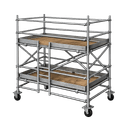
Temporary Structures
Covers scaffolding, fencing, and temporary buildings.

Soft Costs
Covers additional expenses from construction delays due to covered losses.

Equipment Coverage
Covers permanently installed fixtures and equipment.
Industries & Insurance Needs in Meridian
Ada County's business mix changes the demand pattern around local construction work. The county has 16,806 business establishments, and the largest establishment shares are professional, scientific, and technical services at 13.5%, construction at 13.3%, and health care and social assistance at 11.7%. That matters because builders risk buyers here are not only putting up detached homes. They may also be renovating office space, medical space, or contractor occupied buildings where timing, occupancy plans, and lender expectations can differ from a straightforward ground up residential job. If your project serves one of those county demand drivers, ask for a quote review that matches the actual occupancy, buildout scope, and property values involved, rather than assuming a one size fits all form will track the job cleanly.
What Makes Meridian Different
Property values per job tend to run higher here than on a basic spec build, and that raises the stakes if a fire, theft, or other covered loss hits before completion. Underinsuring a custom home or major remodel gets expensive fast when upgraded cabinets, fixtures, windows, or mechanical systems are involved. Owners may also approve finish upgrades mid-project that push the replacement cost above the original insured value. The practical step is to compare your quoted value against the current budget, recent change orders, and owner-supplied materials before construction gets too far along.
Our Recommendation for Meridian
Start with the construction budget you would hand to a lender, then adjust it as the job takes shape and scope shifts. On local residential work, pay close attention to upgraded finish packages, owner-furnished items, and any materials stored off site or delivered before installation. On tenant improvements or small commercial jobs, confirm the form fits the occupancy and whether delay-related soft costs need to be reviewed. If multiple parties have money at risk, line up the named insured structure with the contract before closing or mobilization. Major change orders are a good trigger to revisit values rather than waiting until renewal or project completion. If you want a cleaner quote comparison, gather the address, project type, start date, target completion date, total completed value, and any lender insurance requirements first.
Get Builders Risk Insurance in Meridian
Enter your ZIP code to compare builders risk insurance rates from carriers in Meridian, ID.
Business insurance starting at $25/mo
FAQ
Frequently Asked Questions
Meridian projects often carry more value per job than a basic spec build. You should compare the insured completed value against the current budget and finish selections before binding coverage, especially on custom homes or major remodels.
Meridian remodels can expand quickly once owners upgrade finishes or add scope. With median household income at $98,686, it is sensible to revisit completed value, materials, and timeline after major change orders rather than relying on the original application.
Ada County has 16,806 business establishments. That many active businesses means trades book up fast, and a delayed subcontractor can stretch your course of construction well past the original timeline. If your job is an office, medical, or mixed commercial buildout, ask for a policy review tied to the actual occupancy and construction scope.
Ada County's leading sectors include professional services at 13.5%, construction at 13.3%, and health care and social assistance at 11.7%. Those three sectors alone account for over a third of local business activity, so tenant improvements and specialized buildouts make up a meaningful share of the work you are likely bidding on. Values and timelines on those jobs deserve extra attention.
In Idaho, the buyer is usually the party the contract assigns responsibility to, often the owner or general contractor. The practical test is identifying who would lose money if covered property is damaged before completion and who must show evidence of coverage before funds or work proceed.
Lenders often expect proof of coverage before closing or before construction draws begin, depending on the project documents. Review the loan package early so the named insureds, mortgagee wording, and completed value line up with the quote before binding.
Renovation projects can be eligible, but the key issue is how the policy treats the work in progress versus the existing structure. If the building stays occupied, ask where builders risk ends, where property coverage begins, and whether any gap remains.
Pricing is usually shaped by completed value, construction type, project duration, location, security, and whether the work is new construction or renovation. A submission with a full project description, values worksheet, and security plan gives the underwriter enough to price the actual risk instead of loading for unknowns.
Sources
- 1.U.S. Census Bureau, ACS 5-Year Estimates, table B25077(Meridian's median home value is $485,000.)
- 2.U.S. Census Bureau, ACS 5-Year Estimates, table B19013(Meridian's median household income is $98,686.)
- 3.U.S. Census Bureau, County Business Patterns, Ada County(Ada County has 16,806 business establishments.; Ada County's leading business sectors by establishment share are professional, scientific, and technical services 13.5%, construction 13.3%, and health care and social assistance 11.7%.)
Updated July 16, 2026





