Updated July 16, 2026

Key Takeaways
- Compare a standalone commercial property policy against a Businessowners Policy using the same deductible, valuation method, and business income assumptions.
- Review whether your building and contents are insured on actual cash value or replacement cost before you accept a lower premium.
- Update your property schedule, equipment list, and inventory values before requesting quotes so limits match what you own now.
- Read your lease and identify which improvements, fixtures, signs, and attached equipment you are responsible to insure.
- Ask for ordinance or law and equipment breakdown to be reviewed if rebuilding costs or mechanical failure could interrupt operations.
Commercial Property Insurance in Illinois
Commercial property insurance in Illinois matters because the state blends high weather exposure, dense business districts, and an above-average premium environment. Illinois has a broad, competitive insurance market, yet the state's premium index sits at 108, meaning you can expect to pay about 8% more than the national average for similar coverage. A shop in Springfield, a warehouse near Chicago, or a service office in Peoria can each face a different risk profile depending on where they sit relative to storm paths and fault lines, especially with Illinois's high overall climate risk rating and 165 disaster declarations on record, meaning disruptions serious enough to trigger federal or state relief have happened repeatedly across the state. For owners and tenants alike, this coverage is the financial backstop for buildings, business personal property, signage, and income disruption after a covered property loss. If you are comparing options, the details that matter most are your location, construction type, fire protection, claims history, and whether you need endorsements such as equipment breakdown or ordinance or law coverage.
What Commercial Property Insurance Covers
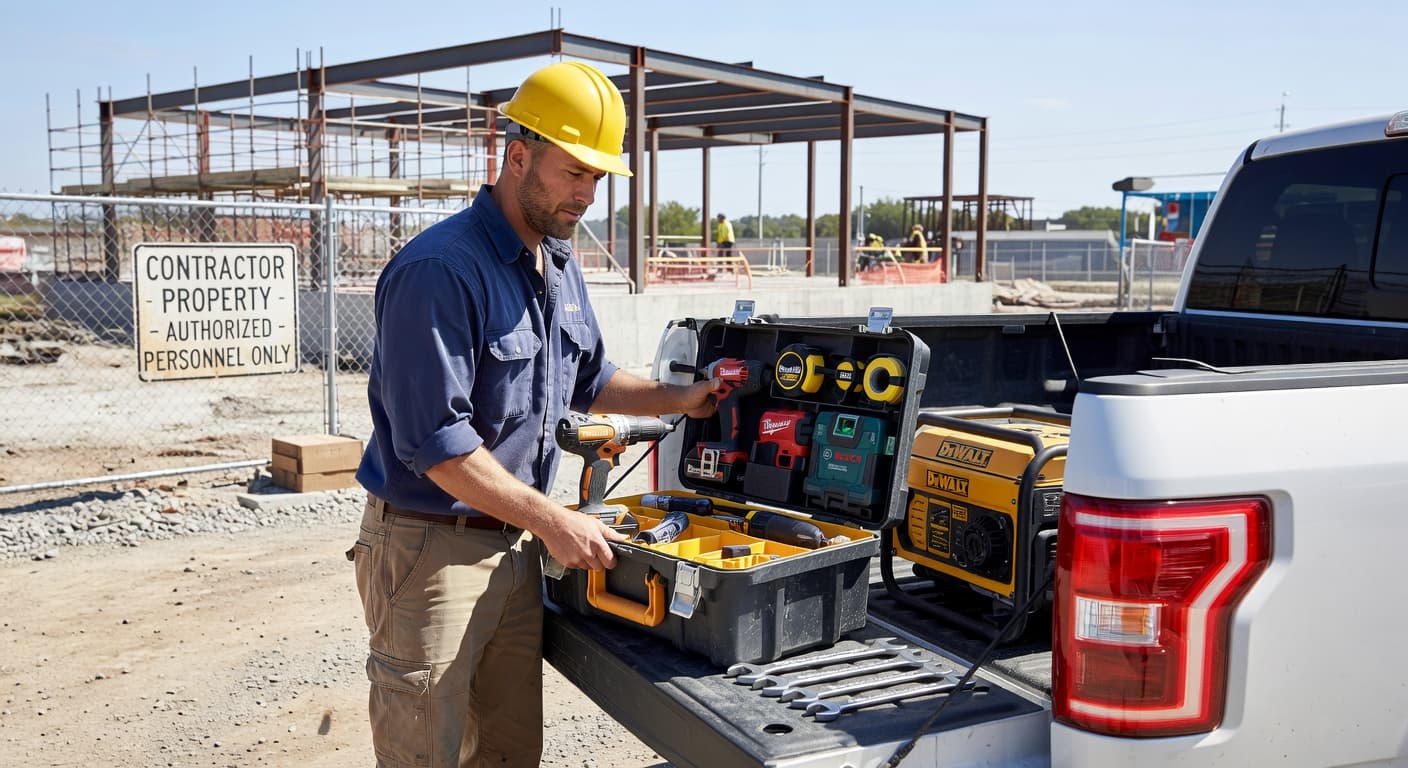
In Illinois, commercial property insurance is designed to protect physical business assets against covered building damage, fire risk, theft, storm damage, vandalism, and other named perils in the policy. If you own the building, your policy can apply to the structure itself. Business personal property coverage can extend to equipment, furniture, fixtures, inventory, computers, and signage. If you lease space in Chicago, Springfield, Rockford, or another Illinois city, the building may belong to the landlord, but your tenant improvements and contents still need protection.
Illinois does not create a separate statewide commercial property mandate, but coverage requirements may vary by industry and business size, and the Illinois Department of Insurance regulates the market. Business income coverage is often important because a covered closure can interrupt revenue and continuing expenses after a covered property loss. Equipment breakdown coverage can also be added for mechanical or electrical failures affecting specialized equipment.
Some exclusions are especially important to understand here. Standard policies do not include flood damage, so a river flooding event or other flood exposure may require a separate flood policy. Ordinance or law coverage may be worth reviewing if local rebuilding rules affect repair costs after a loss. Replacement cost and actual cash value also change how a claim is paid, so the valuation method should be matched to the property's age, use, and rebuilding needs.

Building Coverage
Can help pay to repair or rebuild your building after covered damage like fire, wind, or vandalism.

Business Personal Property
Can help replace furniture, inventory, equipment, and supplies inside your building when a covered event damages or destroys them.
Business Income
May replace lost revenue and help cover ongoing expenses like payroll and rent while covered damage keeps your business closed.

Equipment Breakdown
Typically covers sudden mechanical or electrical failure of equipment like HVAC systems, boilers, or refrigeration units, which standard property policies often exclude.

Ordinance or Law
Can help cover the added cost of rebuilding to current building codes after a covered loss to an older structure.
Commercial Property Insurance Requirements in Illinois
- The Illinois Department of Insurance regulates the market, but Illinois does not show a separate statewide commercial property minimum for all businesses.
- A warehouse, medical office, retail storefront, and restaurant may not need the same structure, so review your coverage against your specific operations.
- Standard commercial property coverage does not include flood damage, so Illinois flood exposure may require a separate flood policy.
- Ordinance or law coverage and equipment breakdown coverage are optional endorsements that may be useful depending on the property and equipment.
How Much Does Commercial Property Insurance Cost in Illinois?
Average Cost in Illinois
$65 - $280
per month
Businesses in Illinois typically see commercial property insurance premiums of $65 - $280 per month, which tends to run 3% below the national range of $65 - $290 per month.
- Building value and construction type
- Roof age and condition
- Fire protection class
- Occupancy and the operations inside the building
- Business personal property and equipment values
- Wind and hail deductible terms
Contact CPK Insurance for a personalized quote.
Commercial property insurance cost in Illinois is influenced by a mix of state-wide and property-specific factors. Costs vary by location, construction type, coverage limits, and several other rating factors, and Illinois pricing runs about 8% above the national level. That fits a market where the premium index is 108, the climate risk profile is high, and tornado risk is very high. Severe storm, flooding, and winter storm exposure also raise the likelihood that insurers will price in higher rebuilding uncertainty.
Several local factors can move a quote up or down. Location matters because a property in a higher-risk corridor, flood-prone area, or storm-exposed region may cost more than a similar building in a lower-risk part of the state. Construction type, roof age and material, fire protection class, occupancy type, and deductible all affect cost, and claims history can do the same. Businesses in catastrophe-prone areas generally pay more, which is relevant in a state where 53 major disaster declarations have been recorded, meaning insurers have seen repeated large-scale losses that shape how they price coverage today.
The Illinois market also has a broad range of active insurance companies, so shoppers can compare several offers. For many small businesses, the annual cost range is a useful planning reference, but the final price varies with coverage limits, deductibles, endorsements, and whether you add business income, equipment breakdown, or ordinance or law coverage.
| Property Type | What's Covered | Common Exclusions |
|---|---|---|
| Building | Structure, roof, systems, permanent fixtures | Flood, earthquake, normal wear |
| Business Personal Property | Equipment, inventory, furniture, computers | Employee personal property, vehicles |
| Tenant Improvements | Build-outs, custom installations, modifications | Structural changes without landlord approval |
| Business Income | Lost revenue during covered shutdown | Losses from non-covered perils |
| Extra Expense | Additional costs to minimize shutdown | Costs not related to covered loss |
Building
- What's Covered
- Structure, roof, systems, permanent fixtures
- Common Exclusions
- Flood, earthquake, normal wear
Business Personal Property
- What's Covered
- Equipment, inventory, furniture, computers
- Common Exclusions
- Employee personal property, vehicles
Tenant Improvements
- What's Covered
- Build-outs, custom installations, modifications
- Common Exclusions
- Structural changes without landlord approval
Business Income
- What's Covered
- Lost revenue during covered shutdown
- Common Exclusions
- Losses from non-covered perils
Extra Expense
- What's Covered
- Additional costs to minimize shutdown
- Common Exclusions
- Costs not related to covered loss
How Illinois compares with the national baseline
Property crime per 100,000 residents
2,010 vs 2,200 baseline
Property crime in Illinois runs below the national average, at 2,010 vs 2,200 incidents per 100,000 residents.
Blue bar: Illinois. Gray line: national baseline.
Prices shown are general estimates, not guaranteed rates or quotes. Your actual premium will depend on the insurer, coverage selected, business details, location, claims history, and other underwriting factors. Learn about our pricing methodology.
Request a Quote Comparison
Enter your ZIP code to compare commercial property insurance rates from top carriers.
Business insurance starting at $25/mo
Who Needs Commercial Property Insurance?
Commercial property insurance in Illinois is relevant for most owners and many tenants because the state's business base is heavily small-business driven, meaning local property insurance decisions are mostly made by owner-operators rather than corporate risk departments. Retail trade operators in places like downtown Springfield, suburban Cook County, or central Illinois shopping corridors often need protection for inventory, fixtures, signage, and tenant improvements. Manufacturing businesses also have a strong need for business personal property coverage because machinery, tools, and stored materials can be costly to replace after fire, storm damage, or vandalism.
Healthcare and social assistance organizations represent the state's largest employment sector, meaning a large share of Illinois buyers are insuring clinics, offices, and outpatient spaces where specialized equipment and interior buildouts are expensive to repair or replace after a loss. Professional and technical service firms often need it for computers, furniture, and leased-office improvements, especially if they operate in higher-value office corridors. Accommodation and food service businesses can also benefit because kitchens, dining buildouts, signage, and inventory are exposed to fire risk, theft, and storm damage.
Tenants who do not own the building still need this coverage because lease agreements often require them to insure their contents and improvements, even when the landlord insures the structure. Owners of standalone buildings in Springfield, Chicago, Rockford, Peoria, or other Illinois communities should also evaluate building coverage, especially where tornado, severe storm, or winter storm exposure could interrupt operations. Businesses with specialized machinery should consider equipment breakdown coverage, and companies that would struggle to reopen quickly after a closure should review business income coverage as part of the policy structure.
Commercial Property Insurance by City in Illinois
Commercial Property Insurance rates and coverage options can vary across Illinois. Select your city below for localized information:
How to Buy Commercial Property Insurance
Start by gathering building details, square footage, construction type, roof age, security features, occupancy use, and a current inventory of equipment, fixtures, and stock. Illinois businesses should compare quotes from multiple carriers because the state has a broad market and pricing can vary by location, claims history, and endorsement choices. A quote should be reviewed alongside the policy's limits, deductible, valuation method, and whether it includes business income, equipment breakdown, or ordinance or law coverage.
Because the Illinois Department of Insurance regulates the market, you should confirm that the carrier and policy terms are appropriate for your business size and industry. Coverage requirements may vary by industry and business size, so a warehouse, medical office, retail storefront, and restaurant may not need the same structure. If you lease, ask whether the landlord insures the shell and what your lease requires for contents, improvements, and business interruption exposure. If you own, make sure your building coverage reflects rebuilding costs, not just market value.
When comparing offers, ask each insurer how it handles replacement cost versus actual cash value, whether coinsurance applies, and how endorsements change the premium. Also review whether the policy addresses storm damage, theft, vandalism, and fire risk in the specific building location. Illinois's elevated tornado risk and high disaster history make it important to document any roof upgrades, fire protection systems, alarms, and security controls before binding coverage. To compare your options with participating licensed providers, request a quote through CPK Insurance.
How to Save on Commercial Property Insurance
Insurers in this state price heavily on location, construction type, claims history, fire protection class, occupancy, and deductible, so a business in a storm-exposed area with an older roof will usually face a different quote than a newer building with stronger protections. Improving roof condition, updating electrical or mechanical systems, and documenting fire suppression or alarm systems can help show a lower property damage profile.
Choose limits carefully. Underinsuring can trigger coinsurance penalties, so it is better to align limits with replacement cost instead of guessing from market value. For many Illinois owners, business personal property coverage should be set from a current inventory list that includes equipment, furniture, fixtures, and signage. If your operation depends on specialized machinery, ask whether equipment breakdown coverage is worth adding, because a separate endorsement may be more efficient than trying to self-insure an expensive failure.
Raising the deductible can reduce premium, but only if your cash flow can absorb a larger out-of-pocket amount after a covered loss. Bundling commercial property with related business coverage through a package policy may also create savings, depending on the carrier and your risk profile. Illinois businesses should compare quotes from multiple carriers because the market is broad and competitive. Finally, if your property is in a tornado, severe storm, or winter storm exposure area, ask how mitigation steps affect pricing, since the state's high climate risk profile often makes preparedness a meaningful factor in underwriting.
Our Recommendation for Illinois
For Illinois buyers, the smartest approach is to match the policy to the building and the lease, not just the premium. Start with the property's replacement cost, then decide whether you need business income, equipment breakdown, or ordinance or law coverage based on how long a closure would hurt revenue and how costly repairs could become. If you own property in a tornado-exposed or severe-storm-prone part of the state, do not treat the quote as a simple price comparison. Ask how roof age, fire protection, and deductible choices change the offer.
Tenants should verify what the landlord insures and what remains their responsibility. Because Illinois premiums run above the national average and carriers differ widely, collecting multiple quotes is the best way to see how your building, contents, and location are being priced.
FAQ
Frequently Asked Questions
In Illinois, it can help protect your building, business personal property, signage, fixtures, inventory, and equipment if a covered event such as fire or certain water damage affects your property.
The state-specific average range is about $65 to $280 per month, but the final premium varies by location, building type, deductible, claims history, and endorsements.
Yes, many tenants still need it because the landlord usually insures the building shell, while the tenant is often responsible for contents, tenant improvements, and other lease-based exposures.
Key factors include location, roof age and material, construction type, fire protection class, occupancy, deductible, claims history, and whether you add endorsements like business income or equipment breakdown coverage.
Common options include building coverage, business personal property coverage, business income coverage, equipment breakdown coverage, and ordinance or law coverage.
Gather your property details, inventory, lease terms if applicable, and loss history, then compare your options with participating licensed providers.
No, standard policies exclude flood damage, so Illinois businesses with flood exposure may need a separate flood policy.
Commercial property insurance in the U.S. generally addresses buildings, contents, and related property exposures described in the policy. III says a BOP covers any buildings the business owns and much of the property needed to run the business, so your declarations and endorsements matter.
Sources
- 1.iii.org
Updated July 16, 2026