
Average Inland Marine Insurance Costs
Inland marine insurance costs vary based on the value of the property being insured, the type of equipment or goods covered, and the specific risks involved in your operations. The average small business pays between $250 and $1,200 per year for inland marine coverage, making it one of the more affordable commercial insurance products available. However, the actual cost depends heavily on your specific operations and insured values.
Inland marine insurance premiums are generally calculated as a rate per $100 of insured value. This rate typically falls between $0.50 and $3.00 per $100, depending on the type of property and the risk factors involved. For a contractor insuring $100,000 worth of tools and equipment, that rate would produce an annual premium of about $500 to $3,000. For a technology company insuring $50,000 worth of portable computer equipment at a rate of $1.00 per $100, the annual premium would be about $500. These rates can vary significantly between carriers, which is why comparing quotes is important.
Deductibles for inland marine policies typically range from $250 to $2,500, with $500 and $1,000 being the most common options. Higher deductibles reduce your premium but increase the amount you pay out of pocket when a loss occurs. For businesses with equipment values under $50,000, a lower deductible is usually the most practical choice. Businesses insuring higher values may find that increasing the deductible to $2,500 produces meaningful premium savings without creating an unreasonable financial burden at the time of a claim.
Average Inland Marine Insurance Cost
$20 - $100
per month
Nationally, inland marine insurance coverage typically runs $20 - $100 per month for small businesses.
Prices shown are general estimates, not guaranteed rates or quotes. Your actual premium will depend on the insurer, coverage selected, business details, location, claims history, and other underwriting factors. Learn about our pricing methodology.
How Much Does Inland Marine Insurance Cost by State?
Where you operate moves the number. State rules, local claim patterns, and market competition all feed into pricing, so the same coverage can quote differently across state lines. The table below shows typical monthly ranges for every state plus the District of Columbia, along with how each market tends to compare with the national average. Select a state to see coverage details, requirements, and carrier options for that market.
| State | Typical range | Vs national |
|---|---|---|
| Alabama | $20 - $95 per month | 4% below national average |
| Alaska | $30 - $120 per month | 25% above national average |
| Arizona | $25 - $95 per month | near national average |
| Arkansas | $20 - $100 per month | near national average |
| California | $25 - $140 per month | 38% above national average |
| Colorado | $25 - $100 per month | 4% above national average |
| Connecticut | $25 - $110 per month | 13% above national average |
| Delaware | $25 - $100 per month | 4% above national average |
| District of Columbia | $25 - $110 per month | 13% above national average |
| Florida | $25 - $130 per month | 29% above national average |
| Georgia | $25 - $110 per month | 13% above national average |
| Hawaii | $25 - $130 per month | 29% above national average |
| Idaho | $20 - $90 per month | 8% below national average |
| Illinois | $20 - $95 per month | 4% below national average |
| Indiana | $20 - $85 per month | 12% below national average |
| Iowa | $20 - $80 per month | 17% below national average |
| Kansas | $20 - $100 per month | near national average |
| Kentucky | $25 - $90 per month | 4% below national average |
| Louisiana | $35 - $130 per month | 38% above national average |
| Maine | $20 - $90 per month | 8% below national average |
| Maryland | $25 - $100 per month | 4% above national average |
| Massachusetts | $25 - $120 per month | 21% above national average |
| Michigan | $20 - $90 per month | 8% below national average |
| Minnesota | $25 - $100 per month | 4% above national average |
| Mississippi | $25 - $100 per month | 4% above national average |
| Missouri | $20 - $110 per month | 8% above national average |
| Montana | $25 - $110 per month | 13% above national average |
| Nebraska | $20 - $100 per month | near national average |
| Nevada | $20 - $100 per month | near national average |
| New Hampshire | $20 - $95 per month | 4% below national average |
| New Jersey | $25 - $110 per month | 13% above national average |
| New Mexico | $25 - $110 per month | 13% above national average |
| New York | $30 - $170 per month | 67% above national average |
| North Carolina | $20 - $95 per month | 4% below national average |
| North Dakota | $20 - $85 per month | 12% below national average |
| Ohio | $20 - $85 per month | 12% below national average |
| Oklahoma | $20 - $95 per month | 4% below national average |
| Oregon | $20 - $95 per month | 4% below national average |
| Pennsylvania | $20 - $110 per month | 8% above national average |
| Rhode Island | $25 - $95 per month | near national average |
| South Carolina | $20 - $100 per month | near national average |
| South Dakota | $20 - $80 per month | 17% below national average |
| Tennessee | $25 - $100 per month | 4% above national average |
| Texas | $25 - $120 per month | 21% above national average |
| Utah | $20 - $90 per month | 8% below national average |
| Vermont | $20 - $95 per month | 4% below national average |
| Virginia | $20 - $110 per month | 8% above national average |
| Washington | $25 - $100 per month | 4% above national average |
| West Virginia | $20 - $85 per month | 12% below national average |
| Wisconsin | $20 - $100 per month | near national average |
| Wyoming | $25 - $90 per month | 4% below national average |
Show all 51 statesShow fewer states
Which states tend to have the cheapest inland marine insurance?
| State | Typical range | Vs national |
|---|---|---|
| Iowa | $20 - $80 per month | 17% below national average |
| South Dakota | $20 - $80 per month | 17% below national average |
| Indiana | $20 - $85 per month | 12% below national average |
| North Dakota | $20 - $85 per month | 12% below national average |
| Ohio | $20 - $85 per month | 12% below national average |
Which states tend to be the most expensive for inland marine insurance?
| State | Typical range | Vs national |
|---|---|---|
| New York | $30 - $170 per month | 67% above national average |
| California | $25 - $140 per month | 38% above national average |
| Louisiana | $35 - $130 per month | 38% above national average |
| Florida | $25 - $130 per month | 29% above national average |
| Hawaii | $25 - $130 per month | 29% above national average |
In our compiled ranges, Iowa tends to see the lowest inland marine insurance premiums, while New York generally runs highest. Actual pricing varies with your business profile, so a quote comparison is the only way to know where you land.
Prices shown are general estimates, not guaranteed rates or quotes. Your actual premium will depend on the insurer, coverage selected, business details, location, claims history, and other underwriting factors. Learn about our pricing methodology.
Factors That Affect Your Inland Marine Premium
The single largest factor in your inland marine insurance premium is the total value of the property being insured. Because inland marine is a property coverage, the more property you cover and the higher its value, the more you will pay. A plumber insuring $20,000 in tools will pay far less than a telecommunications contractor insuring a much larger inventory of testing equipment and fiber optic supplies. When applying for coverage, you will need to provide a detailed equipment schedule listing each item or category of items along with its current replacement cost.
The type of property being insured significantly affects your rate. General hand tools and small power tools carry lower rates because they are relatively inexpensive to replace and have lower theft appeal. Specialized electronic equipment, such as surveying instruments, medical devices, and telecommunications testing equipment, commands higher rates because of its high value, sensitivity to damage, and attractiveness to thieves. Fine art, jewelry, and other high-value specialty items carry the highest inland marine rates because the potential for large losses is significant and the items are prime theft targets.
Your industry and how you use the insured property are also major pricing factors. Contractors who transport equipment to outdoor job sites in all weather conditions face more exposure than an office-based business shipping goods in climate-controlled packaging. Businesses that operate in urban areas with higher crime rates may pay more than those in rural settings. The geographic scope of your operations matters as well. Equipment that stays within a 50-mile radius presents a different risk profile than equipment that travels across the country. Additionally, your claims history plays a role. A business with multiple past inland marine claims will face higher rates than one with a clean loss record, as carriers view claims frequency as a predictor of future losses.
The specific coverage form also affects pricing. Named peril policies, which cover only the specific risks listed in the policy, are less expensive than all-risk or open peril policies, which cover any cause of loss except those specifically excluded. Most businesses benefit from all-risk coverage because it provides broader protection and eliminates the risk of a claim being denied because the cause of loss was not specifically named in the policy.
Inland Marine Insurance Costs by Business Type
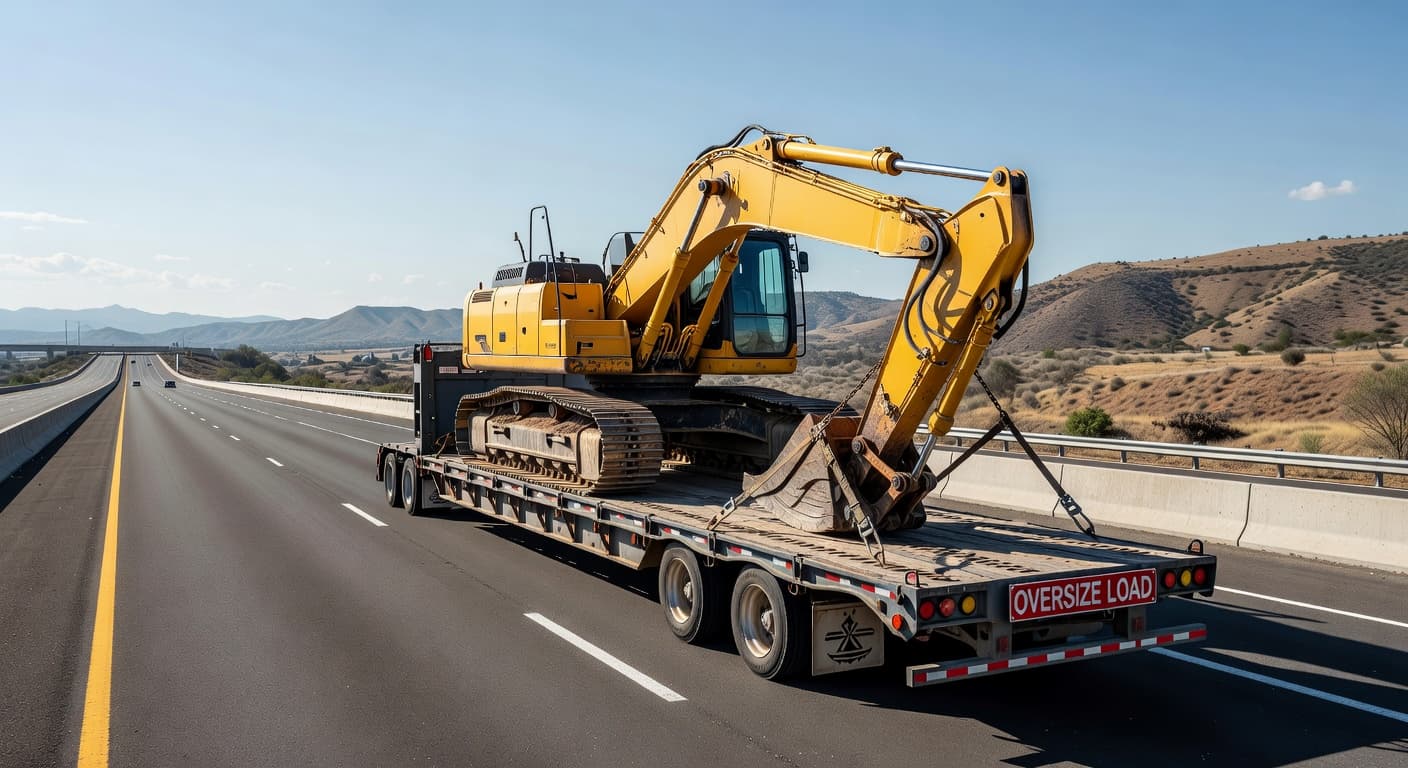
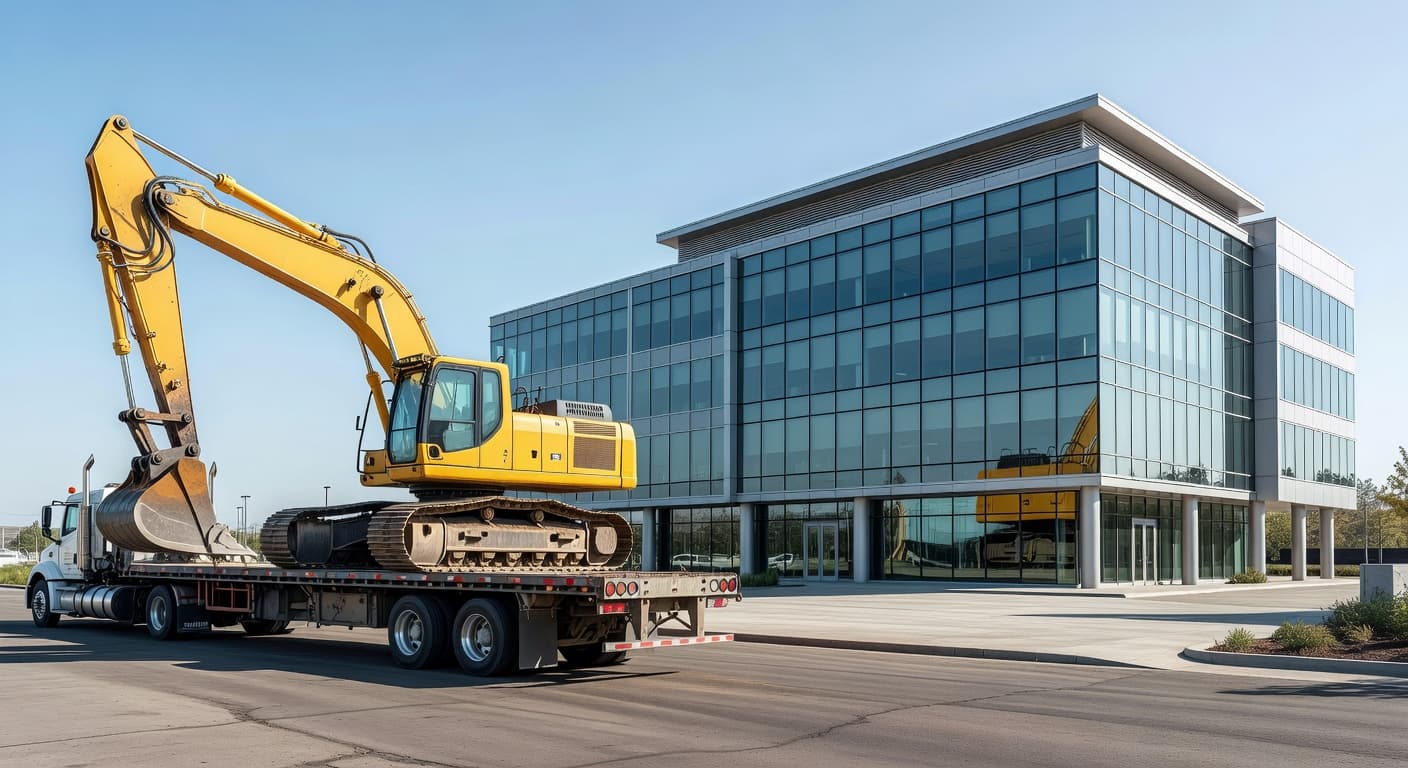
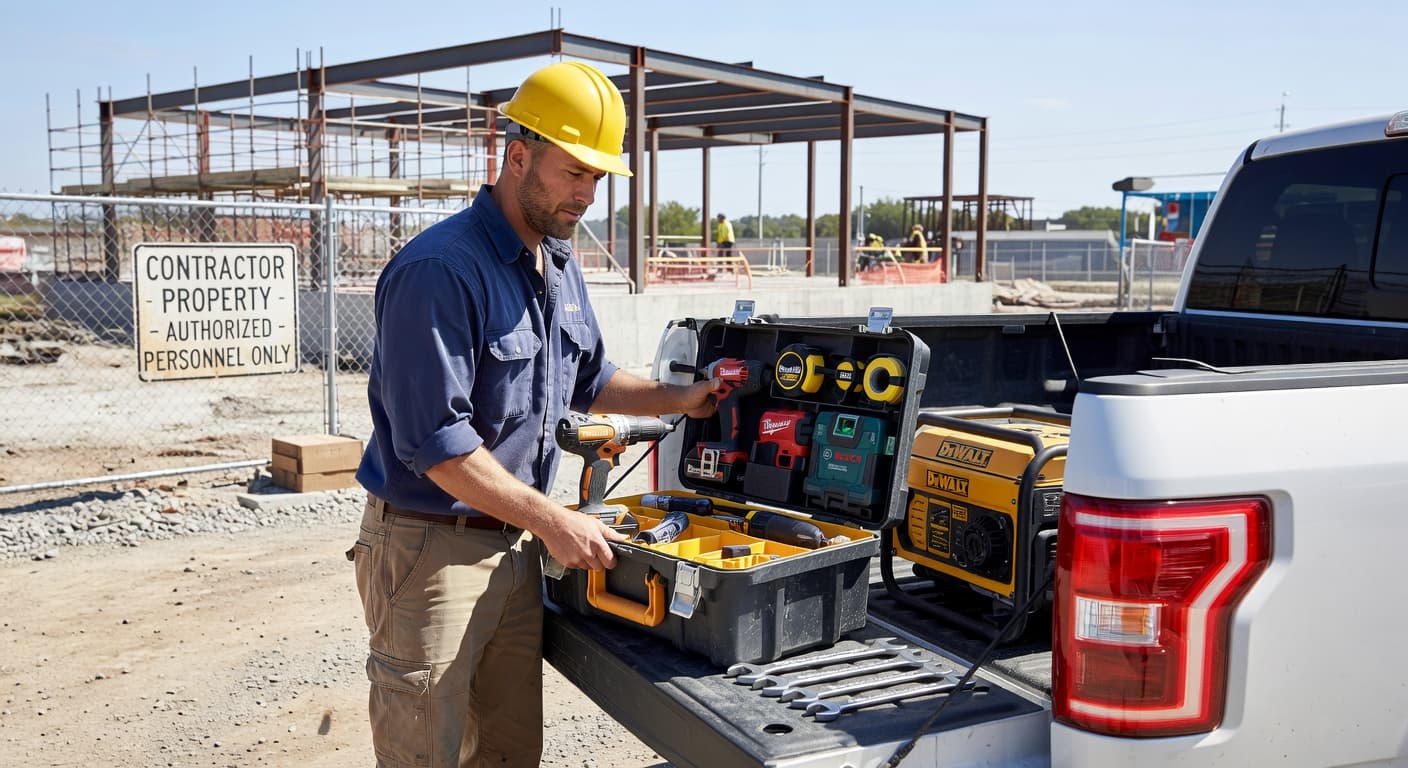
Contractors are the largest purchasers of inland marine insurance, and their costs vary by trade and the value of equipment used. General contractors typically pay $800 to $2,000 per year to insure their tools and equipment. Electrical contractors, who often carry expensive testing and diagnostic equipment, tend to land at or above the top of that range, while plumbers and HVAC technicians, whose tool inventories are more moderate in value, usually fall below it. Heavy equipment contractors who insure bulldozers, excavators, and cranes can face premiums of $5,000 to $15,000 or more, reflecting the high replacement cost of this machinery.
Technology and IT service companies frequently need inland marine coverage for portable computer equipment, servers, networking hardware, and diagnostic tools that travel to client locations. Premiums for these businesses typically range from $400 to $1,200 per year, depending on the total equipment value. The relatively compact size and high value of technology equipment makes it a common target for theft from vehicles and job sites, which carriers factor into their pricing.
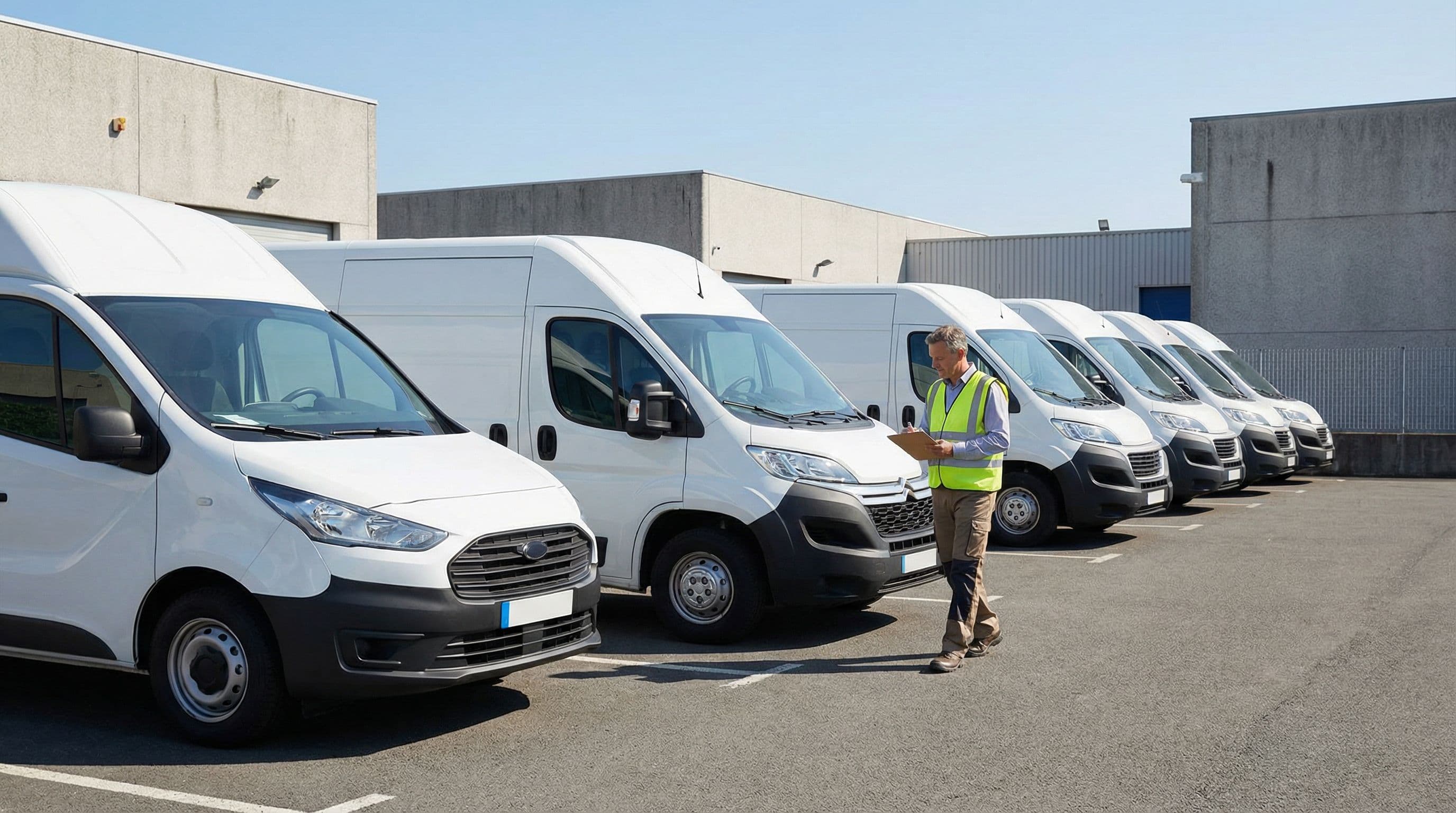
Transportation and logistics companies that need to insure goods in transit face inland marine costs that depend on the value and type of cargo they handle. A small courier service's premium tracks the value of goods on board at any one time, while a freight company handling $1 million or more in annual cargo value pays substantially more. The type of goods being transported is a major factor, with perishable goods, electronics, and pharmaceuticals commanding higher rates than general merchandise. Get a quote with CPK Insurance and connect with a licensed insurance professional who can help you compare options.
Tradeshow and event companies that transport displays, audio-visual equipment, and promotional materials to venues across the country pay progressively more for inland marine coverage as equipment values rise. Photography and videography businesses insuring cameras, lenses, lighting equipment, and editing hardware usually pay $600 to $2,000 per year. For medical practices and laboratories insuring portable diagnostic equipment, instruments, or specimens in transit, premiums scale with the value and sensitivity of the items covered.
Coverage Options and How They Affect Pricing
Inland marine insurance comes in several coverage forms, and the one you choose directly affects both your premium and the breadth of your protection. A contractors equipment floater, one of the most common inland marine policy types, covers tools, machinery, and equipment that a contractor owns and transports to various job sites. These policies can be written on a scheduled basis, where each piece of equipment is individually listed with its value, or on a blanket basis, where all equipment is covered up to a total limit without itemizing each piece. Blanket coverage is more convenient but may cost 10 to 20 percent more than a scheduled policy because the carrier has less precise information about what is being insured.
Transit coverage, another common inland marine form, protects goods while they are being transported from one location to another. This is critical for businesses that ship products to customers, distributors, or retail locations. Transit policies can cover goods on your own vehicles, on common carriers, or both. Coverage can be written on a per-shipment basis or as an annual policy covering all shipments throughout the year. Annual transit policies are generally more cost-effective for businesses that ship goods regularly, while per-shipment coverage may make sense for businesses that make only occasional shipments of particularly high value.
Installation floaters cover materials and equipment from the time they leave your warehouse until they are installed at the customer's location and accepted. This type of coverage is important for businesses that install systems, fixtures, or equipment as part of their service offerings. The premium is typically based on the total value of projects in progress at any given time and the annual value of all installation work performed. An HVAC company that installs a large volume of equipment each year will carry a proportionally larger floater premium than one doing occasional installs.
Valuation method is another important coverage decision that affects both your premium and how claims are paid. Replacement cost coverage can help pay to replace damaged or stolen equipment with new equipment of similar kind and quality, without deducting for depreciation. Actual cash value coverage deducts depreciation, meaning you receive less for older equipment. Replacement cost coverage costs more, usually 15 to 30 percent more than actual cash value, but it helps you replace your equipment after a loss without a significant out-of-pocket expense. For most businesses, replacement cost coverage is the better option because the cost of equipment has generally increased over time.
How to Save on Inland Marine Insurance
The most effective way to reduce your inland marine insurance costs is to implement strong security measures for your equipment and materials. Carriers offer discounts for businesses that secure tools and equipment in locked job boxes, use GPS tracking devices on high-value items, install security systems on vehicles and storage facilities, and implement detailed equipment checkout procedures. A combination of physical security measures and tracking technology can earn premium reductions of 5 to 15 percent, which adds up significantly over time for businesses with large equipment inventories.
Maintaining an accurate and up-to-date equipment schedule is important for avoiding overpayment. Many businesses purchase inland marine coverage and then never update their equipment list, continuing to pay premiums on items that have been sold, scrapped, or replaced. Conducting a thorough annual inventory of your insured equipment and adjusting your coverage accordingly ensures you are not insuring property you no longer own. Conversely, make sure newly acquired equipment is promptly added to your policy so it is covered from day one. A quarterly review of your equipment schedule can make sense for businesses that frequently acquire or dispose of equipment.
Increasing your deductible is a straightforward way to lower your premium. Moving from a $500 deductible to $1,000 trims the premium, and stepping up to $2,500 produces larger savings. This strategy works best for businesses that have a strong safety record and can comfortably absorb the higher deductible amount when a loss occurs. For businesses with infrequent claims, the premium savings over several years will usually exceed the additional deductible cost of any single claim.
Bundling your inland marine coverage with your other business policies, such as general liability, commercial property, and commercial auto, often qualifies you for a multi-policy discount. Many carriers offer package pricing that includes inland marine as part of a broader business insurance program, and the combined cost is often lower than purchasing each policy separately. Shopping your inland marine coverage every two to three years, even if you are satisfied with your current carrier, ensures you are getting competitive rates as market conditions change. Get a quote with CPK Insurance and connect with a licensed insurance professional who can help you compare options.
Request a Quote Comparison
Enter your ZIP code to compare insurance rates from top carriers.
Updated July 17, 2026