







































Updated July 16, 2026

Builders Risk Insurance in Joliet
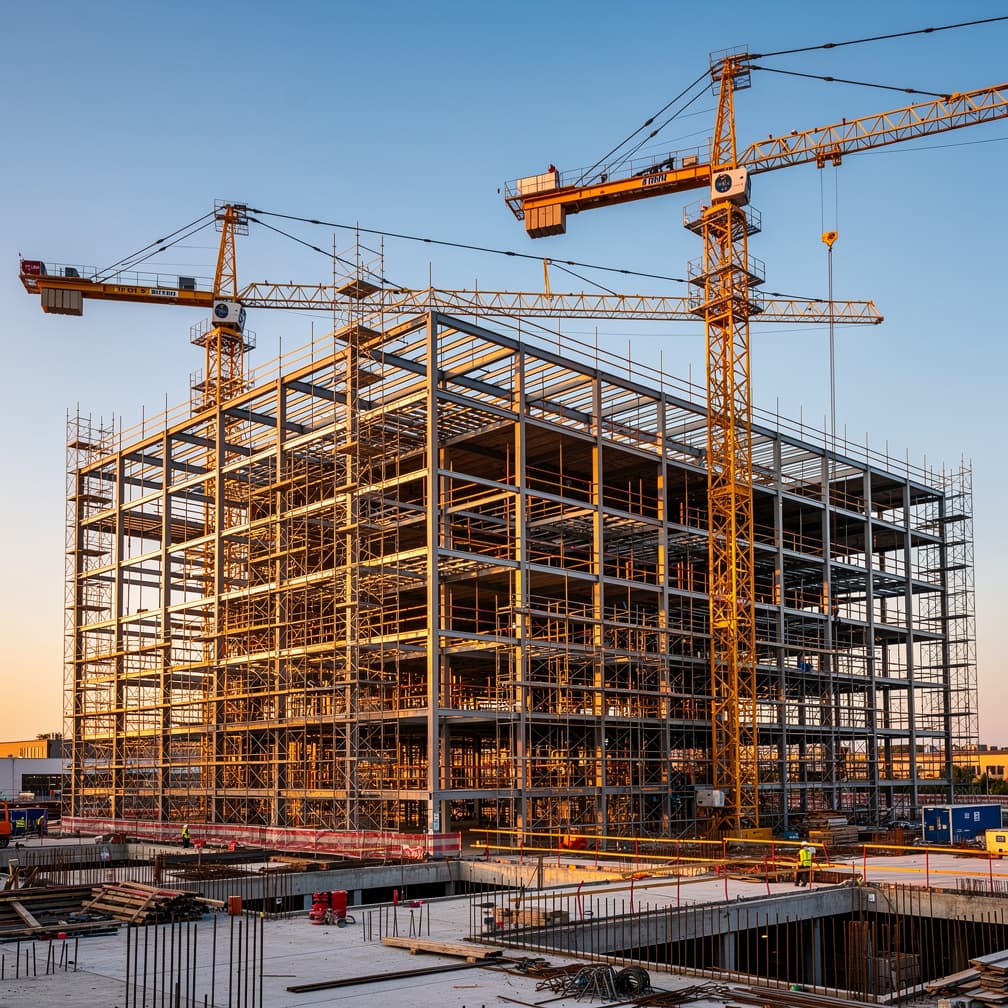
On local jobs, you may be juggling a subdivision build on one side of town, a kitchen renovation in an established neighborhood, and a small commercial interior project near a warehouse corridor. Your policy works better when it matches the real job sequence, the value of materials stored on site, and whether the project is new construction, a remodel, or a tenant build-out with owner-supplied finishes. Joliet's median home value is $248,600, so even a modest residential project carries enough installed value that a stolen appliance package or a fire during framing can wipe out tens of thousands before the job is finished. That makes valuation discipline more important here than many owners expect. If your project budget includes cabinets, windows, mechanical equipment, or custom finishes that arrive in phases, ask for a quote built around the full completed value and the actual construction timeline rather than a rough placeholder.
Builders Risk Insurance Risk Factors in Joliet
Local job sites often face a simple but expensive issue: materials and partially completed work can sit exposed between trades while the schedule keeps moving. Illinois hazard patterns matter in the background, but the practical review point here is **site control**. If your project involves open framing, roof work, staged deliveries, or owner-furnished materials, you should confirm how the policy treats temporary storage, theft-sensitive items, and damage that occurs before final completion. That matters even more on renovations, where one loss can affect both new work and the existing structure around it, depending on policy terms. A useful quote request includes the construction type, security measures, whether the building will be occupied during the job, and any high-value components arriving before installation. That gives you a cleaner answer on what is actually insured during each phase.
Illinois has a high climate risk rating. Top hazards: Tornado (Very High), Severe Storm (High), Flooding (High), Winter Storm (High). The state's expected annual loss from natural hazards is $3.2B, which influences builders risk insurance premiums and may affect coverage availability in high-risk areas.
What Builders Risk Insurance Covers
The useful review is not the basic definition of builders risk, it is the property schedule and the loss scenarios most likely to interrupt your job. Start with the structure being built, then work outward to the materials, fixtures, and equipment that are part of the project and may be stored on site, staged temporarily, or in transit if your form allows it. That distinction matters because phased deliveries often sit on site before installation, and how your policy treats that gap can affect a claim.
For a renovation, you should separate existing structure exposure from new work exposure before binding coverage. If the project ties new construction into an occupied building, ask how the policy treats damage to the work itself versus damage involving the pre-existing structure. That is often where owners and contractors assume the contract answers everything, even though the policy language still controls the claim.
You should also review whether delay-related expenses, debris removal, temporary protection, scaffolding, fencing, and theft-sensitive materials need to be scheduled or endorsed. On an Illinois project with a tight lender draw schedule, a covered loss can create more than repair cost, it can stall inspections, push subcontractor sequencing, and leave materials exposed longer than planned. If your job includes custom components, long-lead items, or owner-supplied materials, identify them early so the quote addresses how they are valued and where they are located before installation.
The practical step is to mark up your budget line by line and ask which items are intended to be insured under the builders risk form, which are handled elsewhere, and which need special attention before the first certificate request goes out.
Coverage Included

Structure Coverage
Covers the building or structure under construction.
Materials on Site
Covers building materials stored at the construction site.

Materials in Transit
Covers materials being transported to the job site.
Temporary Structures
Covers scaffolding, fencing, and temporary buildings.

Soft Costs
Covers additional expenses from construction delays due to covered losses.

Equipment Coverage
Covers permanently installed fixtures and equipment.
Industries & Insurance Needs in Joliet
County business mix is the local signal worth watching. Will County has 16,904 business establishments, and its leading sectors by establishment share are health care and social assistance at 11.8%, transportation and warehousing at 11.7%, and construction at 11.2%. So local builders risk demand is not limited to ground-up homes. It often includes medical office updates, warehouse improvements, contractor-led tenant work, and owner renovations tied to active operating spaces. For you, that changes the submission details that matter most. If the project sits inside an occupied commercial building, serves a logistics user, or involves phased work around ongoing operations, ask for terms that reflect partial occupancy, business personal property distinctions, and the handoff between builder, owner, and tenant responsibilities. Those details can decide whether a claim fits the policy as expected.
What Makes Joliet Different
In this market, builders risk is often not a single, clean ground-up build on an empty site. It is just as likely to be a renovation, an addition, or an interior improvement where the owner, contractor, lender, and sometimes a tenant all have money tied up in the same job. That raises the stakes on naming the right insureds and valuing the work correctly from day one. Joliet's median household income is $88,026, and at that level a typical kitchen or bath project here is more likely to involve a six-figure finish package than a basic fixture swap. When owners are paying for better finishes, layout changes, or phased remodels, underinsuring the completed value becomes an easy mistake. Before you bind coverage, line up the contract, draw schedule, and scope of work so your quote reflects what is actually being built. Then check whether soft costs, change orders, and owner-purchased materials need to be addressed separately.
Our Recommendation for Joliet
The best starting point is the build schedule itself, not the application form. Sit down with what is already on site, what will arrive later, who is buying each major material package, and whether anyone will be living or working in the structure during any phase of construction. That is especially important on remodels and mixed-responsibility jobs, where a contractor may control the work but the owner may be purchasing cabinets, appliances, lighting, or specialty finishes directly. Next, compare the insured value against the completed project cost, not just the amount currently installed. If the job includes phased draws or lender oversight, keep the certificate and policy terms aligned with the contract language so there is less confusion when proof of coverage is requested. Finally, ask how the policy handles delays tied to a covered loss, temporary storage, and property in transit to the site. Those details determine whether a claim check covers your actual replacement costs or leaves you short.
Get Builders Risk Insurance in Joliet
Enter your ZIP code to compare builders risk insurance rates from carriers in Joliet, IL.
Business insurance starting at $25/mo
FAQ
Frequently Asked Questions
Renovation projects should start with valuation and occupancy. With a median home value of $248,600, a mid-sized remodel can represent a large share of the property's total worth, so getting the completed value right matters from the start. Review completed value, owner-purchased materials, and whether the home stays occupied during construction.
Occupied build-outs often need closer review because the job may sit inside an operating business. Ask how the policy treats existing structures, phased work, temporary storage, and the division of responsibility between owner, contractor, and tenant.
The county has 16,904 business establishments, which means a deep pool of trades and specialty subcontractors is available to draw from on most projects. Describe whether the job is residential, warehouse-related, medical office work, or another occupied commercial improvement.
Construction, transportation and warehousing, and health care and social assistance each account for roughly 11 to 12 percent of the business base. That mix is why submissions skew toward tenant improvements, logistics properties, and specialized interior renovations rather than only new homes.
Owners should compare the policy value to the full completed cost of the job. With a median household income of $88,026, finish packages on a typical remodel can rival the cost of the structural work itself, making it easy to underestimate what the project is actually worth. Review change orders and owner-supplied materials before binding.
Projects are often insured by the party the contract makes responsible, commonly the owner or general contractor. Before buying, match the named insured to the construction agreement and lender requirements so the entity with money at risk is reflected correctly.
Yes, because the risk is split between new work and the existing structure. If the building stays occupied during construction, ask how the policy treats that setup before materials arrive or demolition starts.
Lender-financed projects often require proof of coverage before funds are released. Review the loan documents early so insured value, policy term, and mortgagee wording are handled before closing instead of delaying the start of work.
Sources
- 1.U.S. Census Bureau, ACS 5-Year Estimates, table B25077(Joliet's median home value is $248,600, so even a modest residential project can put a meaningful amount of structure, fixtures, and installed materials at risk if theft, fire, or weather interrupts the schedule.)
- 2.U.S. Census Bureau, County Business Patterns, Will County(Will County has 16,904 business establishments, and its leading sectors by establishment share are health care and social assistance at 11.8%, transportation and warehousing at 11.7%, and construction at 11.2%.)
- 3.U.S. Census Bureau, ACS 5-Year Estimates, table B19013(Joliet median household income is $88,026, so many household projects involve meaningful owner investment in upgrades rather than only basic repair work.)
Updated July 16, 2026





