Updated July 16, 2026

Dealer Open Lot Insurance in Evansville
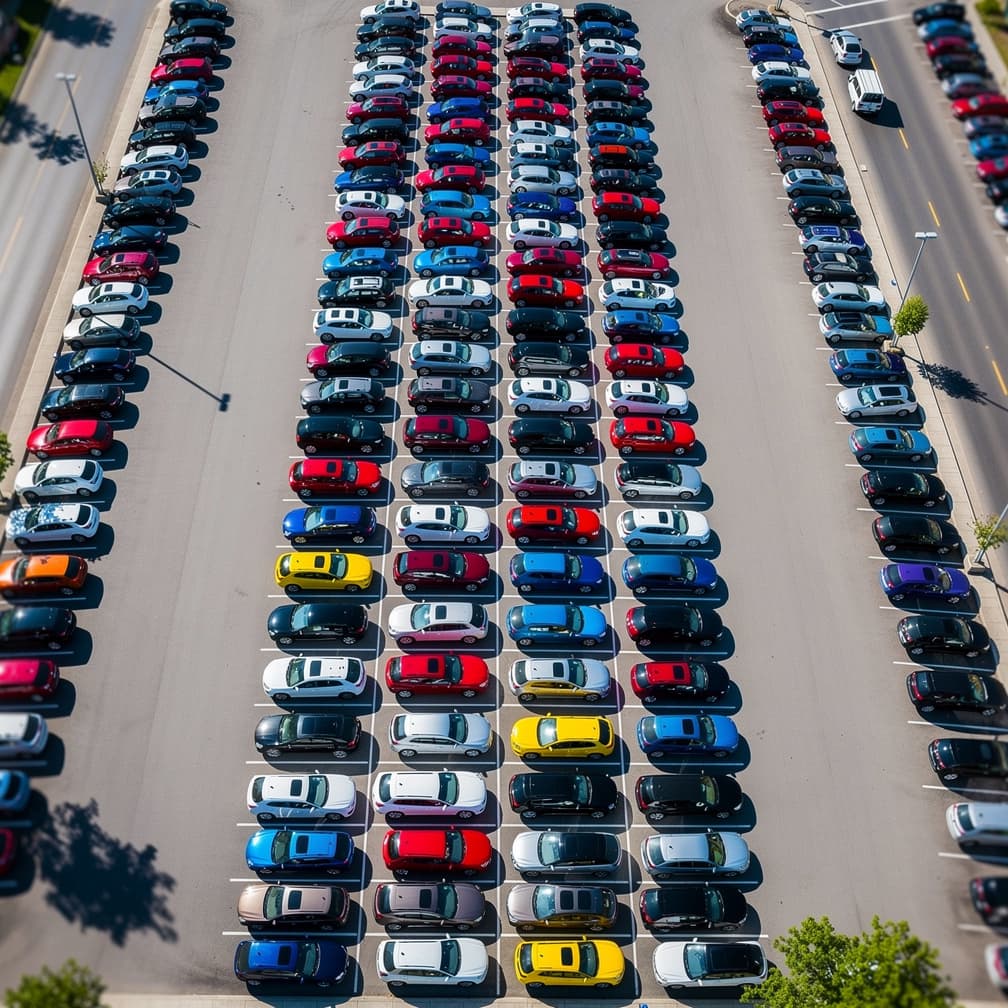
Inventory turnover is the sharpest difference here. A local dealer often needs coverage reviewed around faster retail movement and lender expectations, not just around how many units sit on the pavement. In Vanderburgh County, 5,078 business establishments operate. That volume keeps commercial activity and foot traffic moving through your lot on a steady basis. It matters if you rotate trade-ins quickly, hold vehicles at more than one address, or shift units between the front line, detail space, and short-term overflow. A policy review here should focus on how inventory values change during the month, who has custody of keys, and where vehicles sit after hours. Check whether your reported maximum lot values still match reality. When your operation serves payment-sensitive households, older used units and trade-in volume can change how often your inventory composition turns over. Before you request terms, line up a current inventory list, every storage address, and your highest recent total lot value.
Dealer Open Lot Insurance Risk Factors in Evansville
Local weather exposure matters most if your inventory sits outside for long stretches or moves between addresses without a clean reporting process. Indiana's leading natural hazards are already covered at the state level, but the practical issue here is operational: open lot coverage works better when your carrier sees the real storage pattern before a storm loss, not after one. If you keep units on the main lot, at a reconditioning area, and at occasional overflow space, confirm each location and the peak number of vehicles kept there. You should also review how often values spike after auction purchases or trade-in pushes, because a weather event can hit when your lot is temporarily fuller than usual. Ask for a review of reporting requirements, location schedules, and any protective measures you use after hours so the policy matches how inventory is actually stored.
Indiana has a moderate climate risk rating. Top hazards: Tornado (High), Severe Storm (High), Flooding (Moderate), Winter Storm (Moderate). The state's expected annual loss from natural hazards is $1.1B, which influences dealer open lot insurance premiums and may affect coverage availability in high-risk areas.
What Dealer Open Lot Insurance Covers
The useful coverage discussion usually starts with where your inventory spends time during the week, not with a broad definition you already know. A dealer with one fenced lot and no overflow storage presents a different underwriting file than one that stages units behind the main building, keeps some vehicles at a secondary address, or moves inventory after auction purchases. Those operating details affect how a carrier reviews location schedules, reporting accuracy, and whether your limits still fit the highest concentration of vehicles on hand.
Indiana weather also changes what you should ask about in the form and endorsements. If your lot is exposed to wind, hail, heavy rain, or winter conditions, review how the policy handles weather-driven damage, where exclusions may apply, and whether any storage or movement scenario creates a gap you did not expect. If units are parked tightly to maximize frontage, ask how a single event could affect multiple vehicles at once and whether your limit is high enough for that concentration.
You should also review how the policy treats ordinary dealership handling in your operation. That includes vehicles being repositioned on the lot, sent to a nearby service area, staged for photos, or moved to temporary overflow space. If your sales process includes frequent test drives or transfers between addresses, make the underwriter confirm how those situations are treated under your policy terms. The goal is simple: match covered causes of loss, locations, and handling practices to the way your dealership actually operates before a claim forces the issue.
Coverage Included

Weather Damage
Covers hail, wind, flood, and storm damage to lot inventory.
Theft Protection
Covers vehicles stolen from your lot.

Fire Damage
Covers fire and explosion damage to inventory vehicles.

Vandalism
Covers intentional damage to vehicles on your lot.
Test Drive Coverage
Covers vehicles during customer and employee test drives.
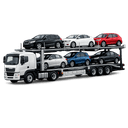
Transit Coverage
Covers vehicles being moved between lot locations.
Industries & Insurance Needs in Evansville
Retail concentration is the local business fact that most changes the conversation. In Vanderburgh County, the leading sectors by establishment share are retail trade at 14.7%, health care and social assistance at 13.9%, and other services at 10.7%, so a dealership here often operates in a market where consumer traffic, service relationships, and nearby commercial neighbors shape how vehicles move on and off the lot. For dealer open lot buying, that means your exposure is not only the number of cars you own, but also how often units are test driven, detailed, financed, or repositioned to keep pace with retail demand. A dealer serving a retail-heavy local economy should review peak inventory values more often and document any off-hours storage or overflow arrangements clearly. If your lot mix changes around tax refund season, trade-in cycles, or lender promotions, ask for terms built around those swings rather than an annual snapshot.
What Makes Evansville Different
This market rewards dealers who keep coverage aligned with inventory that moves quickly through the operation. That creates a practical underwriting issue: the exposure can outrun the paperwork if your schedule, maximum value, or storage locations are only updated occasionally. The local median household income of $52,251 means many buyers are shopping for value-focused used inventory. In practical terms, that can mean heavier trade-in activity and frequent changes in the age, condition, and value of vehicles on hand. Review your highest total inventory value, not just your average count. If you rely on older units, mixed-condition trade-ins, or short-term overflow, ask for a quote review built around peak values, location accuracy, and how quickly your inventory mix changes during a normal month.
Our Recommendation for Evansville
Your inventory controls are where coverage gaps and scheduling errors usually surface in a market with this much turnover. Pull a current unit list and note every address where vehicles are kept. Identify the highest total lot value you have carried recently, even if it only lasted a few days. Then review who can move vehicles, where keys are stored, and whether test-drive, service, and detail procedures create gaps between where a unit is supposed to be and where it actually sits overnight. If you use overflow parking, confirm that the address is scheduled before you need to report a loss. If your mix leans toward older used vehicles or frequent trade-ins, ask whether your limit should track peak aggregate value rather than a comfortable average. When you request a quote, gather your inventory count, highest recent values, all storage points, security details, and any seasonal swings in acquisitions. That gives you a cleaner comparison and fewer surprises after binding.
Get Dealer Open Lot Insurance in Evansville
Enter your ZIP code to compare dealer open lot insurance rates from carriers in Evansville, IN.
Business insurance starting at $25/mo
FAQ
Frequently Asked Questions
Evansville dealers often deal with faster retail turnover and more frequent trade-ins than a static inventory model assumes. In Vanderburgh County, 5,078 business establishments support a busy commercial environment. Buyers, vendors, and finance sources may expect organized proof of coverage and current schedules before a deal moves forward.
Local used car lots usually benefit from reviewing peak lot value, not just an average month. If auction buys, trade-ins, or overflow storage briefly push your total inventory higher, your limit should be checked against that higher exposure before a loss happens.
Vanderburgh County business mix can affect how often vehicles move and how quickly paperwork needs updating. Retail trade accounts for 14.7% of establishments. That consumer traffic can push inventory through your lot faster than a static schedule assumes.
Evansville household budgets can shape the kind of inventory you carry and how often trade-ins change your lot. The city's median household income is $52,251. Value-focused used inventory may create bigger swings in aggregate lot value than a static average would suggest.
A compact lot can still hold a high concentration of value, so the same careful inventory review applies regardless of size. If you store units offsite or buy frequently at auction, ask for those details to be reflected in the quote.
Dealerships should not assume overflow storage is automatically treated the same as the main lot. If you use a second address, temporary storage area, or rear lot, have each location reviewed and confirmed in writing before binding coverage.
Outdoor inventory can be hit by wind, hail, heavy rain, or winter conditions, so review your concentration by location, deductible structure, and whether your limit still fits your highest on-hand inventory value before storm season.
Quotes usually go better when you provide a current inventory list, values for each unit, every storage address, and details on fencing, lighting, cameras, and key control. If vehicles move between locations, include that workflow at the start.
Sources
- 1.U.S. Census Bureau, County Business Patterns, Vanderburgh County(In Vanderburgh County, there are 5,078 business establishments, so buyers, vendors, and finance sources often expect a dealership to present organized proof of coverage and current schedules before a deal, transport, or temporary storage change moves forward.; In Vanderburgh County, the leading sectors by establishment share are retail trade at 14.7%, health care and social assistance at 13.9%, and other services at 10.7%, so a dealership here often operates in a market where consumer traffic, service relationships, and nearby commercial neighbors shape how vehicles move on and off the lot.)
- 2.U.S. Census Bureau, ACS 5-Year Estimates, table B19013(The local household income figure, $52,251, is useful because it points many dealers toward value-focused used inventory and payment-conscious buyers, which can mean heavier trade-in activity and frequent changes in the age, condition, and value of vehicles on hand.)
Updated July 16, 2026