







































Updated July 16, 2026

On-Hook Towing Insurance in Evansville
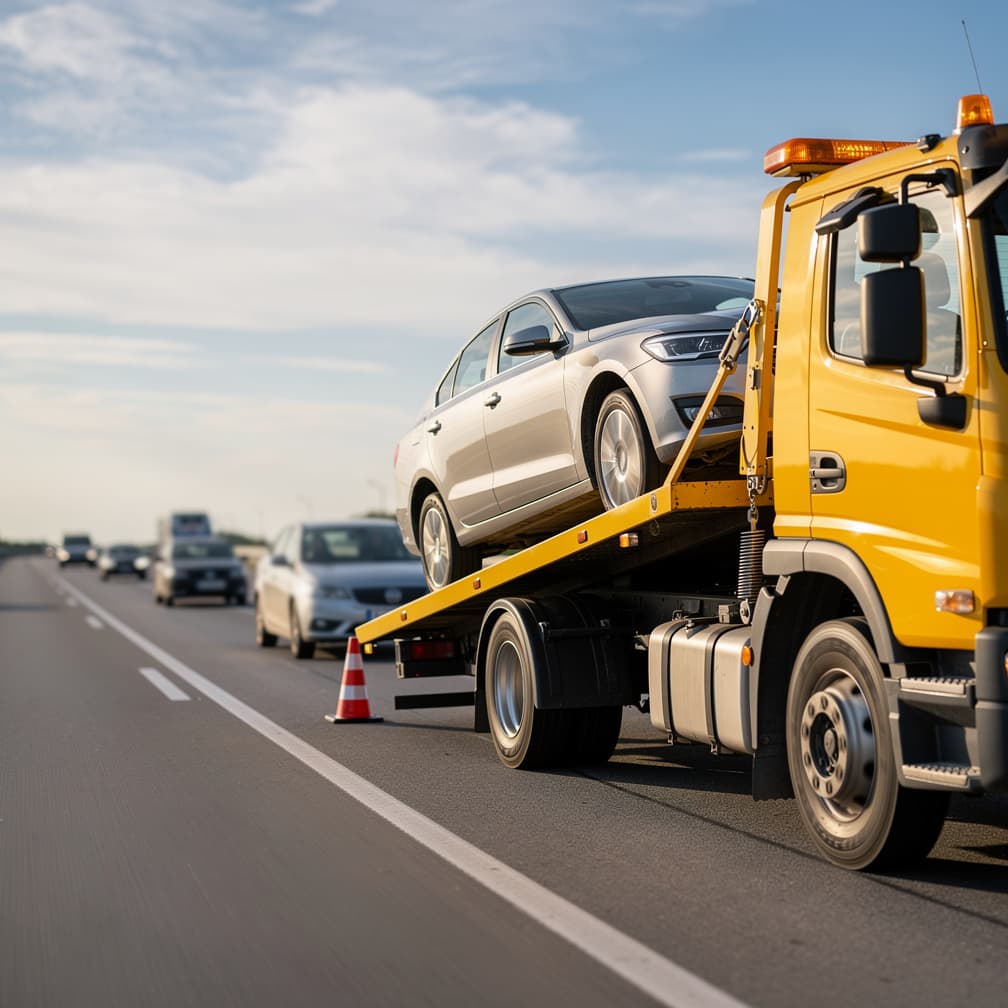
A lot of local towing owners revisit this coverage right when a downtown lease is signed, a new storage arrangement starts, or a service area expands across the county and into neighboring routes. What matters is how customer vehicles are actually handled between pickup, transport, and drop-off. You may be moving a disabled commuter car from a retail lot, relocating a vehicle tied to a medical campus visit, or clearing a private property tow where timing, documentation, and vehicle condition all matter if a claim follows. Vanderburgh County has 5,078 business establishments. That density means commercial lot owners tend to expect specific proof of coverage before they hand over a site. If your book includes private property work, dealer moves, or after-hours calls, ask for a quote that reflects your real pickup locations, custody windows, and dispatch patterns.
On-Hook Towing Insurance Risk Factors in Evansville
Evansville's top risk factors include Tornado damage, Hail damage, Severe storm damage, and Wind damage.
Indiana has a moderate climate risk rating. Top hazards: Tornado (High), Severe Storm (High), Flooding (Moderate), Winter Storm (Moderate). The state's expected annual loss from natural hazards is $1.1B, which influences on-hook towing insurance premiums and may affect coverage availability in high-risk areas.
What On-Hook Towing Insurance Covers
The practical review starts with your handoff points. You want the policy language checked against the exact moments where claims tend to turn into disputes. Those include the walkaround before hookup, the winching decision, the securement method, the route choice, and the unloading location. If your drivers handle roadside calls on narrow shoulders, apartment complex removals, dealer transfers, or recovery work after storms, those operating details matter because each one changes how damage allegations are argued.
A useful quote review should separate the kinds of vehicles you move. Standard passenger cars, low-clearance vehicles, pickups with aftermarket equipment, commercial vans, and disabled vehicles with pre-existing damage do not present the same claim profile. If you occasionally tow vehicles with body damage, broken steering components, or missing wheels, ask how those conditions should be documented before the tow begins. That step can matter as much as the limit itself when a customer later disputes what happened during loading or transport.
Buyers should also look closely at territory and dispatch patterns. A truck that stays in one county for routine roadside work is underwritten differently from a unit that runs longer transfers between auctions, repair facilities, and dealer lots. If you subcontract overflow work or use owner-operators, ask where responsibility begins and ends for each move. The Indiana Department of Insurance regulates carriers and agents in the state, and it offers operators a place to file complaints or ask questions about policy language and claims handling. If policy wording or claims handling is unclear, keep your forms and endorsements organized before binding and review them line by line.
Coverage Included

Collision on Hook
Covers damage to towed vehicles from collisions during transport.

Comprehensive on Hook
Covers theft, fire, and weather damage to vehicles being towed.
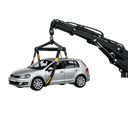
Loading & Unloading
Covers damage during the process of loading and unloading vehicles.
Winching Coverage
Covers damage to vehicles during winching and recovery operations.
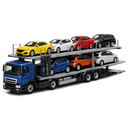
Multiple Vehicle
Covers all vehicles on multi-car carriers and rollback flatbeds.
Industries & Insurance Needs in Evansville
Vanderburgh County business mix changes the kind of towing work that can create on-hook exposure. Retail trade accounts for 14.7% of county establishments, health care and social assistance 13.9%, and other services, except public administration, 10.7%, so a local operator is often dealing with parking lots, service visits, employee vehicles, and customer cars in places where condition disputes can start quickly. A vehicle picked up from a shopping center, clinic-adjacent lot, or service business may already have prior damage, low clearance issues, or time-sensitive release expectations. That makes documentation and handling details more important than a generic description like roadside assistance or towing. If those accounts are part of your mix, review whether your quote reflects the actual sources of your calls, the types of properties authorizing removals, and the handoff process you use once a vehicle reaches storage or a repair destination.
What Makes Evansville Different
Private property and account-driven towing is what shifts the buying decision here. This market goes beyond highway recoveries or one-off breakdown calls. It often involves repeat relationships with commercial properties, medical-adjacent destinations, and service businesses where the same kinds of pickups happen over and over. The same claim patterns can repeat too. That matters because on-hook exposure is shaped by routine. Where the vehicle sits when you hook it shapes the risk. So does who authorizes the tow, what condition notes are taken, and how quickly the vehicle is transferred out of your custody. The median household income in Evansville is $52,251. For many of your customers, that means the vehicle you are towing is an essential household asset rather than discretionary inventory. Even a modest damage dispute can become urgent for the owner. If your operation depends on account work, build your quote around your real dispatch flow, photo process, and storage timeline instead of assuming a broad towing classification tells the whole story.
Our Recommendation for Evansville
Start by separating your work by source, not just by truck type. A quote is usually more useful when it breaks out private property tows, roadside calls, dealer or shop moves, and any storage-yard activity. Each one changes how long a vehicle stays in your care and how a damage allegation may arise. If you serve commercial accounts, ask whether your application clearly describes who authorizes removals, what intake photos you take, and when condition notes are recorded. That is especially important if different drivers handle pickup and release. You should also review whether your limits still make sense after adding new lots, denser parking environments, or higher-frequency accounts. If a lease, contract, or account list changed recently, use that as the trigger to re-shop the coverage and compare terms around custody time, exclusions, and claim reporting expectations before your policy renews.
Get On-Hook Towing Insurance in Evansville
Enter your ZIP code to compare on-hook towing insurance rates from carriers in Evansville, IN.
Business insurance starting at $25/mo
FAQ
Frequently Asked Questions
You should revisit it as soon as a new property account changes where vehicles are picked up, documented, or stored. Repeated work at commercial lots can create a different claim pattern than occasional roadside calls, so your quote should match that operating flow.
Commercial lots often mean tighter parking layouts, repeat authorizations, and more condition disputes at pickup. With 5,078 business establishments in Vanderburgh County, many local tows start on business property. That puts documentation and custody details under closer scrutiny.
It can, because retail trade makes up 14.7% of establishments, health care and social assistance 13.9%, and other services 10.7%. Those sectors tend to generate lot-based towing, making it worth describing account types and pickup environments accurately on your application.
You should think about how essential the vehicle is to the owner, not just its market value. The median household income in Evansville is $52,251. When a vehicle is central to work and daily transportation, a damage dispute can become **urgent quickly**.
Dealer transfer work creates the same custody exposure as roadside towing because the vehicle is being moved under your control. Review the policy against your actual transfer procedures, vehicle types, and documentation steps before adding that work to a truck.
Impound and private property towing increases dispute potential because owners often challenge vehicle condition, release timing, or handling. Ask your agent to review how your policy fits unattended pickups, photo documentation, and after-hours releases.
Insurance questions are regulated by the Indiana Department of Insurance, which oversees carriers and agents. The agency gives operators a practical place to file complaints or ask questions about policy language and claims handling. If you are comparing policy language, endorsements, or claims handling expectations, keep your forms organized and review the wording carefully before you bind coverage.
Towing businesses can often place both truck types within one insurance program, but the quote should distinguish how each unit is used. A flatbed doing scheduled moves presents different handling issues than a wheel-lift taking mixed dispatch calls.
Sources
- 1.U.S. Census Bureau, County Business Patterns, Vanderburgh County(Vanderburgh County has 5,078 business establishments, so a local tow operation often works around commercial lots, employee parking areas, vendor access lanes, and customer-facing properties that expect fast removal and clear proof of coverage before work begins.; Retail trade accounts for 14.7% of county establishments, health care and social assistance 13.9%, and other services, except public administration, 10.7%, so a local operator is often dealing with parking lots, service visits, employee vehicles, and customer cars in places where condition disputes can start quickly.)
- 2.U.S. Census Bureau, ACS 5-Year Estimates, table B19013(Evansville median household income is $52,251, so many customer vehicles you handle are essential household assets rather than discretionary inventory, and even a modest damage dispute can become urgent for the owner.)
Updated July 16, 2026





