







































Updated July 16, 2026

Builders Risk Insurance in Fort Wayne
Set your builders risk limit based on what the job actually costs to build, not on what nearby homes are worth. With a median home value of $169,700 here, it is easy to anchor too low if your project includes upgraded finishes, detached structures, custom mechanicals, or a full gut that pushes completed value well past neighborhood resale comps. Your policy works better when you treat it as a construction value tool, not a rough real estate estimate. If you are building infill housing near established neighborhoods, adding onto an owner occupied property, or renovating a small commercial building for a new tenant, think through what it would cost to replace the work already in place plus materials waiting to be installed if a loss interrupts the job midstream. Start your quote request with the construction budget, change order expectations, and any owner supplied materials so the limit is built from the job, not from a median market number.
Builders Risk Insurance Risk Factors in Fort Wayne
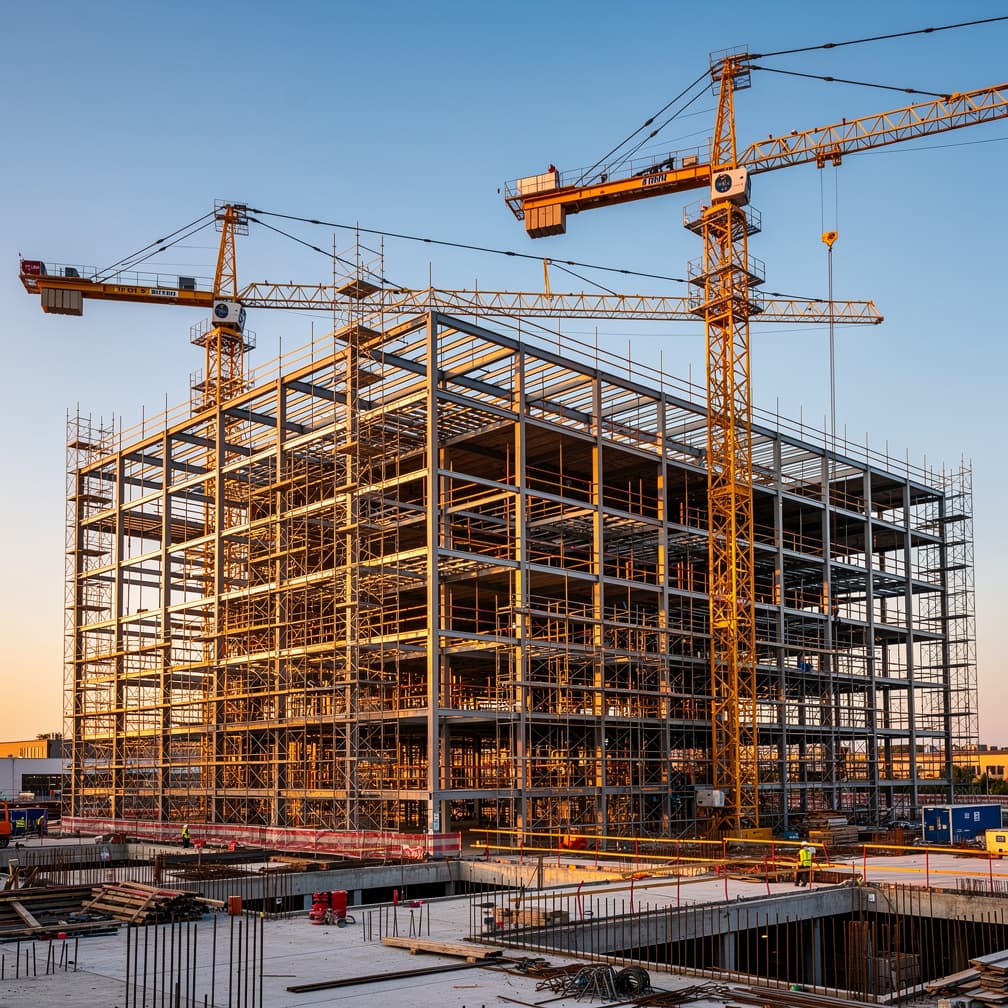
Fort Wayne projects often involve a mix of new construction, additions, and renovation work on occupied or soon to be occupied properties, which makes site control and material handling worth closer review. State level hazard patterns in Indiana are one reason to check how your policy treats partially completed structures, materials in transit, and items stored before installation, especially if the job depends on staged deliveries rather than one bulk drop. That matters more on remodels and phased tenant buildouts, where one damaged area can delay several trades at once. Ask your agent to walk through where materials sit overnight, whether any equipment or fixtures are owner furnished, and how long the project could remain exposed between inspections, draws, or subcontractor scheduling gaps. Those details usually matter more than a generic request for property coverage.
Indiana has a moderate climate risk rating. Top hazards: Tornado (High), Severe Storm (High), Flooding (Moderate), Winter Storm (Moderate). The state's expected annual loss from natural hazards is $1.1B, which influences builders risk insurance premiums and may affect coverage availability in high-risk areas.
What Builders Risk Insurance Covers
Indiana builders risk decisions usually turn on the parts of the job that create the most confusion after a loss, not the basic idea of insuring work in progress. Start by matching the policy to the way the project is actually being built. A ground-up commercial project, a tenant improvement inside an occupied building, and a residential addition each create different questions about temporary storage, materials in transit, scaffolding, fencing, and whether existing structures need separate treatment.
For Indiana renovations, one of the first issues to review is the line between new work and the pre-existing building. If the project touches only part of a structure, ask the agent to show you exactly how the form treats damage to the old portion, debris removal, and any resulting delay in reopening or reoccupying the space. If the owner assumes the whole property is addressed under one builders risk form, that misunderstanding can surface only after a claim.
You should also review where property is located before installation. Materials may sit at the job site, in a temporary storage location, or move between suppliers and the project. If your schedule includes long-lead items, custom components, or owner-furnished materials, make sure those exposures are specifically discussed during quoting instead of assumed.
Indiana weather patterns can also affect what you ask to see in the form. Rather than relying on a broad verbal summary, request the actual causes of loss wording, any sublimits that apply to water-related damage like pipe freezes or foundation seepage, and the conditions for theft or vandalism claims at an unattended site. Those specifics are where quotes with similar premiums can differ in ways that matter at claim time.
Coverage Included

Structure Coverage
Covers the building or structure under construction.

Materials on Site
Covers building materials stored at the construction site.

Materials in Transit
Covers materials being transported to the job site.
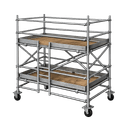
Temporary Structures
Covers scaffolding, fencing, and temporary buildings.

Soft Costs
Covers additional expenses from construction delays due to covered losses.

Equipment Coverage
Covers permanently installed fixtures and equipment.
Industries & Insurance Needs in Fort Wayne
Allen County has 9,586 business establishments, and its largest establishment shares are retail trade at 12.9%, health care and social assistance at 12.1%, and other services at 10.7%, so a lot of local construction work supports tenant improvements, clinic updates, storefront renovations, and service space buildouts rather than only ground up residential jobs. That changes the builders risk conversation because occupancy pressure, opening dates, and landlord requirements can tighten the timeline for securing evidence of coverage and setting the right completed value. If your project involves a leased suite, medical office work, or a retail refresh, bring the lease exhibits, lender requirements, and construction contract into the quote process early. Those documents usually reveal who is responsible for insuring improvements, materials, and delay sensitive build phases.
What Makes Fort Wayne Different
Fort Wayne's median household income is $60,293 and the median home value is $169,700, so owners and smaller investors can be tempted to frame a project around neighborhood affordability instead of the actual cost to rebuild work in progress. That shortcut can leave a renovation or infill build underinsured once framing, electrical, HVAC, cabinetry, and stored materials start stacking up on the job. The better approach is to separate real estate value from construction value. Use the signed contract, allowances, change order process, and any owner purchased items to test the limit before binding. If the project includes higher end finishes, code driven upgrades, or a phased renovation where one loss could affect multiple stages, ask for a limit review before each major draw rather than waiting until renewal or project closeout.
Our Recommendation for Fort Wayne
On a local renovation, that usually means checking whether demolition, site prep, soft costs, and owner supplied fixtures are included or excluded, and whether the deductible still makes sense once materials begin arriving. If the job is tied to a lender, a landlord, or a tenant opening date, ask for the certificate and any required named insured structure early so paperwork does not stall funding or access. For smaller residential projects, compare the contract amount against the actual replacement cost of work in place, especially if the scope includes kitchens, baths, roofing, or systems upgrades that can outpace neighborhood averages. For commercial buildouts, review how the policy handles phased occupancy, temporary storage, and change orders. Bring your contract, budget, site address, and target completion date to the quote request so the policy can be matched to the job you are actually building.
Get Builders Risk Insurance in Fort Wayne
Enter your ZIP code to compare builders risk insurance rates from carriers in Fort Wayne, IN.
Business insurance starting at $25/mo
FAQ
Frequently Asked Questions
Buyers usually start with the construction budget and completed value, not just the property value. The local median home value is $169,700, so a standard market figure can fall short if your project includes major upgrades or a full rebuild scope.
Renovation quotes move faster when you have the signed contract, project budget, site address, target completion date, and any lender or landlord insurance requirements ready. That lets the limit and deductible be reviewed against the actual scope instead of a rough estimate.
Allen County has 9,586 business establishments, meaning tenant improvement projects are common here, with strong retail, health care, and service sectors. That makes timing, evidence of coverage, and completed value review more important before work starts.
Household economics can make owners compare the job to neighborhood affordability instead of rebuild cost. With median household income at $60,293, it is worth checking whether your limit reflects actual labor, materials, and change order exposure.
Leased space projects should be checked against the lease, construction contract, and any lender conditions before binding. Those documents often decide who insures improvements, stored materials, and the value of work already installed on site.
Indiana renovation projects often need closer review of how the policy separates new work from the existing building, especially if the property stays occupied. Ask for the exact form language on existing structures, temporary storage, and water-related loss conditions before binding.
Indiana projects usually place that responsibility on the party named in the construction contract or financing documents. Review the insurance clause first, then confirm which interests need to appear on the policy, certificates, or lender paperwork before work begins.
Indiana lender requirements vary by project, but many buyers run into builders risk questions during closing or draw setup. Having your contract, budget, completed value, and required policy parties ready early can help prevent evidence of coverage from holding up your funding.
Sources
- 1.U.S. Census Bureau, ACS 5-Year Estimates, table B25077(With a median home value of $169,700 here, it is easy to anchor too low if your project includes upgraded finishes, detached structures, custom mechanicals, or a full gut that pushes completed value well past neighborhood resale comps.)
- 2.U.S. Census Bureau, County Business Patterns, Allen County(Allen County has 9,586 business establishments, and its largest establishment shares are retail trade at 12.9%, health care and social assistance at 12.1%, and other services at 10.7%, so a lot of local construction work supports tenant improvements, clinic updates, storefront renovations, and service space buildouts rather than only ground up residential jobs.)
- 3.U.S. Census Bureau, ACS 5-Year Estimates, table B19013(Fort Wayne's median household income is $60,293 and the median home value is $169,700, so owners and smaller investors can be tempted to frame a project around neighborhood affordability or resale expectations instead of the actual cost to rebuild work in progress.)
Updated July 16, 2026





