Updated July 16, 2026

Commercial Auto Insurance in Fort Wayne
Fort Wayne operating costs are not Chicago-level, but they still shape how you set deductibles and liability limits on work vehicles. A serious crash can put you in front of claimants, medical bills, and wage-loss demands that outgrow bare minimum coverage before you expect it. Your commercial auto policy deserves a hard look at what a real loss might cost your business, not just what keeps the premium cheapest on day one. Local buyers often do better by matching physical damage deductibles to cash flow they can absorb this quarter, then checking whether liability, hired and non-owned auto, and any trailer exposure fit how vehicles are actually dispatched.
Commercial Auto Insurance Risk Factors in Fort Wayne
Fort Wayne's top risk factors include Tornado damage, Hail damage, Severe storm damage, and Wind damage. Fort Wayne's crime index of 108 (national avg: 100) increases vehicle theft risk, comprehensive auto coverage is important here. Tornado damage and Hail damage can cause significant vehicle damage, make sure comprehensive coverage is included.
Indiana has a moderate climate risk rating. Top hazards: Tornado (High), Severe Storm (High), Flooding (Moderate), Winter Storm (Moderate). The state's expected annual loss from natural hazards is $1.1B, which influences commercial auto insurance premiums and may affect coverage availability in high-risk areas.
What Commercial Auto Insurance Covers
In Indiana, the useful coverage conversation usually starts with how your vehicles are used during a normal week. A florist making local deliveries around town faces a different loss pattern than a paving company moving trucks, trailers, and crews between job sites.
Liability limits are the first checkpoint. Indiana requires minimum auto liability limits of $25,000/$50,000/$25,000, meaning your policy can help cover up to $25,000 for one person's injuries, $50,000 total for all injuries in one crash, and $25,000 for property damage. If a claim exceeds those amounts, your business assets could be at risk. If your vehicles enter busy loading areas, back into customer property, or carry employees and equipment, many owners ask for higher limits before they ask about optional physical damage.
If a financed van, service body truck, or newer work SUV would be hard to replace out of pocket, collision and comprehensive are worth comparing against your deductible tolerance and cash reserves. If your operation depends on borrowed, rented, or employee-owned vehicles, hired auto and non-owned auto can matter more than adding another endorsement to a company-owned unit.
Storm damage, falling objects, and roadway debris can create losses even when your driver did nothing wrong, so physical damage choices should match where vehicles are parked, whether they sit outside overnight, and how quickly you need them back in service after a claim.
Coverage Included

Bodily Injury Liability
Covers injuries you cause to others in an accident

Property Damage Liability
Covers damage you cause to others' property
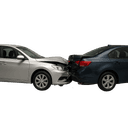
Collision Coverage
Pays for damage to your vehicle in an accident

Comprehensive Coverage
Covers theft, vandalism, weather, and animal damage

Medical Payments
Covers medical costs for your drivers and passengers

Uninsured Motorist
Protection when the other driver lacks insurance
Hired & Non-Owned Auto
Covers rented or employee-owned vehicles used for work
Commercial Auto Insurance Cost in Fort Wayne
Average Cost in Indiana
$130 - $340
per month
Businesses in Indiana typically see commercial auto insurance premiums of $130 - $340 per month, which tends to run 15% below the national range of $140 - $410 per month.
- Fleet size and vehicle types
- Driver records and experience
- Coverage limits and deductibles
- Business industry and use
- Annual mileage and operating radius
- Claims history
Rates based on small business averages. Your actual premium may vary.
Prices shown are general estimates, not guaranteed rates or quotes. Your actual premium will depend on the insurer, coverage selected, business details, location, claims history, and other underwriting factors. Learn about our pricing methodology.
Commercial auto pricing in Indiana usually moves on exposure, not on a single statewide average that tells you much. Your premium depends on vehicle type, garaging location, driver records, annual mileage, radius of travel, liability limits, deductibles, and whether you add physical damage or coverage for rented and employee-driven vehicles. A single owner-operator with one older pickup used for estimates and light hauling often lands in a different part of that range than a business with multiple vans, newer financed units, or employees driving every day.
If you only carry the state minimum liability requirement, your premium may look lower at first, but that can leave a gap if a serious accident damages another vehicle, injures multiple people, or triggers a contract issue with a customer or landlord. Raising limits costs more, yet it can be the cleaner financial decision for businesses that drive in traffic-heavy corridors or send employees to multiple stops each day.
Organize your vehicle schedule, VINs, driver list, business use, garaging addresses, and loss history before you compare options. Test deductibles, liability limits, and physical damage choices side by side so you can see what changes premium and what simply shifts risk back onto your business.
Industries & Insurance Needs in Fort Wayne
Allen County business density is the local pressure point. The county has 9,586 business establishments, so your vehicles share the road with a large volume of contractors, retailers, home-service fleets, and employee-driven cars moving between jobs, suppliers, and customer sites. That matters because commercial auto losses here are not only about your own driving habits. They also involve how often your units park at client locations, back through busy lots, or make short, repeated trips where minor collisions and glass claims tend to happen. The county mix sharpens that further: retail trade accounts for 12.9% of establishments, health care and social assistance 12.1%, and other services 10.7%. So if your business delivers products, sends staff to homes, or runs appointment-based routes, ask for a quote built around stop frequency, loading patterns, and who drives each vehicle, not a generic pleasure-use assumption.
What Makes Fort Wayne Different
Business density changes the commercial auto buying calculus here. Allen County supports 9,586 establishments, so your drivers are working around roughly 26 other businesses for every square mile of the county. Many local vehicles are not logging one long highway run and heading back to the shop. Instead, they loop through neighborhoods, back into loading docks, and pull up to customer doors dozens of times a shift. That operating pattern can make a modest fender bender or parking-lot claim more relevant than buyers expect when they focus only on catastrophic losses. The practical local question is how often each vehicle is in motion, where it parks, and whether different employees rotate through the same unit.
Our Recommendation for Fort Wayne
Start with how each vehicle is actually used, not just a unit count. If one pickup only visits suppliers while another van makes customer stops all day, ask for them to be rated according to actual use so you can see where premium is being spent. Review liability limits against the kind of injury claim a household earning around $60,293 may present after a serious accident. A lost-wage claim from that income level can run well into five figures over a recovery period, so low limits can leave your business funding the gap. Then check driver management, including who is scheduled, who occasionally borrows a unit, whether anyone takes vehicles home, and whether personal cars are ever used for errands or client visits. Those details often decide whether you should add hired and non-owned auto. Finally, bring loss runs, current declarations, VINs, and garaging information to the quote request.
Get Commercial Auto Insurance in Fort Wayne
Enter your ZIP code to compare commercial auto insurance rates from carriers in Fort Wayne, IN.
Business insurance starting at $25/mo
FAQ
Frequently Asked Questions
Fort Wayne buyers with short, repeated routes should review use class, driver assignment, collision deductibles, and hired and non-owned auto. Allen County has 9,586 business establishments, so your drivers are working alongside a dense local fleet population every shift.
Fort Wayne delivery and service fleets often need rating that reflects stop frequency and employee use, not just annual miles. In Allen County, retail trade makes up 12.9% of establishments, so expect heavy competition for loading zones and customer parking throughout the business day.
Fort Wayne health care and home-service operators often miss hired and non-owned auto exposure when staff use personal cars for visits. In Allen County, health care and social assistance accounts for 12.1% of establishments, so a meaningful share of local workers are driving to client homes on company business.
Fort Wayne owners should think about liability limits in terms of claim severity, not only minimum compliance. The city's median household income is $60,293, so a jury may view lost-wage and medical claims from that income bracket as substantial enough to exhaust minimum limits.
Indiana requires **minimum auto liability limits of $25,000/$50,000/$25,000**. That means your policy can help cover up to $25,000 for one person's injuries, $50,000 total for all injuries in one crash, and $25,000 for property damage. If a claim exceeds those amounts, your business assets could be at risk. Many businesses compare higher limits if they carry crews, enter customer property, or sign contracts that expect more than the state baseline.
Indiana minimum limits can satisfy the legal requirement, but they may not match the financial risk of a serious crash. If your truck or van is financed, heavily used, or driven by employees, review higher liability limits and physical damage options.
Your premium depends on vehicles, drivers, mileage, garaging, limits, deductibles, and whether you add physical damage or coverage for rented and employee-driven vehicles. A single owner-operator with one older pickup often pays less than a business running multiple newer vans with full-time drivers, so the best way to get an accurate number is to compare quotes based on your actual operation.
Indiana businesses often need a review of non-owned auto if employees use personal cars for errands, deposits, or client visits. A company without owned vehicles can still have business driving exposure that deserves its own policy analysis.
Sources
- 1.U.S. Census Bureau, ACS 5-Year Estimates, table B19013(With a median household income of $60,293, a serious crash can put you in front of claimants, medical bills, and wage-loss demands that move past bare minimum thinking quickly.)
- 2.U.S. Census Bureau, County Business Patterns, Allen County(The county has 9,586 business establishments, so your vehicles share the road with a large volume of contractors, retailers, home-service fleets, and employee-driven cars moving between jobs, suppliers, and customer sites.; The county mix sharpens that further: retail trade accounts for 12.9% of establishments, health care and social assistance 12.1%, and other services 10.7%.)
Updated July 16, 2026