








































Updated July 16, 2026

Commercial Truck Insurance in Fort Wayne
Retail trade leads the Allen County business mix, with health care and personal-service businesses close behind. Many local truck risks center on short-haul deliveries, service calls, and repeat stops at stores, clinics, and customer properties instead of long uninterrupted highway miles. That changes how you should review your policy, since a box truck serving retail accounts, a refrigerated unit supplying care facilities, or a contractor pickup moving tools between jobs can all face frequent backing, loading, and parking exposures during a normal week. Retail trade accounts for 12.9% of county establishments, health care and social assistance 12.1%, and other services 10.7%. Roughly one in three local businesses falls into categories that generate daily delivery and service traffic. Your quote should match that operating reality, including vehicle type, garaging, driver schedules, radius, and whether you haul your own goods or deliver for others.
Commercial Truck Insurance Risk Factors in Fort Wayne
Fort Wayne's top risk factors include Tornado damage, Hail damage, Severe storm damage, and Wind damage.
Indiana has a moderate climate risk rating. Top hazards: Tornado (High), Severe Storm (High), Flooding (Moderate), Winter Storm (Moderate). The state's expected annual loss from natural hazards is $1.1B, which influences commercial truck insurance premiums and may affect coverage availability in high-risk areas.
What Commercial Truck Insurance Covers
Indiana truck policies are usually built around how your operation creates loss exposure, not around a generic template. If you run interstate loads, your review often centers on liability limits, cargo terms, trailer interchange if you pull someone else's trailer, and physical damage for financed equipment. If you stay local with box trucks, dump trucks, or service trucks, the bigger issue may be whether the policy classifies the vehicle use, operating radius, and driver duties accurately enough to avoid surprises after a claim.
For Indiana buyers, that means looking closely at where a truck is parked, how often it crosses county or state lines, whether drivers take units home, and whether the truck is attached to a trailer you own, lease, or borrow. A straight truck making frequent stops in town can create a different claim pattern than a tractor running longer highway miles, even if both are insured under the same business name. Your quote should separate those exposures clearly.
You should also review what is not automatically solved by carrying only the state's minimum road liability. A commercial buyer should ask whether higher liability limits, cargo protection, downtime planning, and lender-required physical damage terms make more sense for the value at risk. If a broker, shipper, or contract asks for specific limits or endorsements, bring that paperwork into the quote process before binding anything.
Coverage Included

Motor Carrier Liability
Can help cover injuries and property damage your truck causes to others, a coverage federal regulators require most for-hire carriers to maintain.
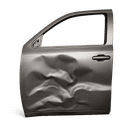
Physical Damage
Can help pay to repair or replace your own truck after an accident, fire, theft, or vandalism.
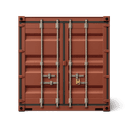
Cargo Coverage
May pay for damage to or theft of the freight you are hauling while it is in your care.
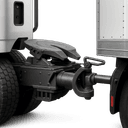
Trailer Interchange
Can help cover damage to trailers you haul under an interchange agreement but do not own.

Bobtail Coverage
May provide liability protection when you drive your tractor without a trailer attached, such as after dropping off a load.

Non-Trucking Liability
Can help cover accidents that happen when you use your truck for personal errands rather than dispatched work.
Commercial Truck Insurance Cost in Fort Wayne
Average Cost in Indiana
$360 - $925
per month
Businesses in Indiana typically see commercial truck insurance premiums of $360 - $925 per month, which tends to run 16% below the national range of $400 - $1,125 per month.
- Radius of operation
- Commodities hauled and cargo value
- Number and value of power units
- Driver motor vehicle records and CDL experience
- DOT safety record, inspections, and FMCSA scores
- Liability limits and physical damage deductibles
Contact CPK Insurance for a personalized quote.
Prices shown are general estimates, not guaranteed rates or quotes. Your actual premium will depend on the insurer, coverage selected, business details, location, claims history, and other underwriting factors. Learn about our pricing methodology.
In Indiana, commercial truck pricing is driven by vehicle type, gross weight, operating radius, cargo, driver records, years of experience, garaging location, prior claims, requested limits, deductibles, and whether you insure one unit or a fleet. A local contractor with a single dump truck can rate very differently from an owner-operator hauling brokered freight across several states, even if both ask for the same liability limit.
Many Indiana businesses see premiums from $360 to $925 per month, depending on those factors and the policy structure. For a small business, that means budgeting somewhere in that range for a single truck, though your actual cost depends on what you haul, how far you drive, and what coverages you include. A $360 premium typically reflects a lighter local truck with modest limits and no physical damage coverage. A $925 premium often points to a heavier unit, broader cargo terms, higher liability limits, or interstate filings. That range is only a starting frame for budgeting. It does not tell you whether your quote includes physical damage, cargo, trailer interchange, or filings tied to your work. A lower premium can simply mean narrower terms, higher deductibles, lower limits, or a vehicle use classification that does not match the truck's actual work pattern.
If you want a quote you can trust, prepare a clean submission. Include VINs, unit values, driver license details, years of commercial driving experience, loss runs if you have prior coverage, and the exact commodities or job types involved. If a truck is financed, leased on, or used under contract, say so up front. Indiana buyers usually get a more useful comparison when they ask each market to quote the same limits, deductibles, and optional coverages, then review what changes the premium most. That lets you decide whether to retain more risk through a deductible or pay more for broader terms.
What Makes Fort Wayne Different
In a market supported by 9,586 business establishments across Allen County, many truck operations are not built around one cargo lane or one customer type. They are built around repeated trips to business addresses, mixed-use corridors, medical offices, retail locations, and service calls that can change by the day. Underwriting for a truck that spends most of its time on local routes can turn on different details than a unit running longer regional miles, so the specifics of your stop pattern matter more than total mileage. Take a closer look at your garaging address and stop frequency, along with driver assignment and loading practices. Pay special attention to whether employees ever use the same vehicle for service work and delivery. If your operation serves several customer classes, ask for the quote to reflect that mix clearly rather than describing the truck in broad terms. Specific route and use details produce a more dependable coverage review than broad application language.
Our Recommendation for Fort Wayne
Start with your dispatch pattern, not just your vehicle list. If one truck handles retail deliveries in the morning, equipment pickups in the afternoon, and occasional out-of-town runs later in the week, spell that out so the quote reflects how the truck actually functions across a week. Keep driver rosters current. Confirm where each unit is parked overnight. Document whether cargo is owned, customer-owned, or incidental to service work. If you operate around customer sites with tight lots or frequent backing, ask to review physical damage deductibles and any gaps between liability, cargo, and equipment carried in or on the truck. If your customers ask for certificates before work starts, build that into the buying process so proof of coverage does not delay a route or contract. Gather vehicle schedules, driver details, and your most common stop types, then request a quote.
Get Commercial Truck Insurance in Fort Wayne
Enter your ZIP code to compare commercial truck insurance rates from carriers in Fort Wayne, IN.
Business insurance starting at $25/mo
FAQ
Frequently Asked Questions
Fort Wayne area fleets often support retail, health care, and service businesses, which means more stops, tighter parking, and more loading activity. In Allen County, those sectors account for 12.9%, 12.1%, and 10.7% of establishments. Describe your route pattern carefully so the review reflects that concentration.
Fort Wayne owner-operators should describe local routes in detail, especially if work shifts between deliveries, service calls, and occasional regional trips. That helps the quote reflect actual radius, stop frequency, overnight garaging, and how the truck is used during a normal week.
Allen County's 9,586 establishments create steady demand for deliveries and service visits. Before requesting quotes, review your customer types, certificate needs, and whether one truck serves several classes of business.
Fort Wayne businesses should gather driver information, vehicle schedules, garaging addresses, and a list of common stops before requesting quotes. If a truck handles both delivery and service work, note that clearly so the policy review matches the operation.
Fort Wayne contractors and service companies still need a careful review even if they run pickups or vans instead of heavier trucks. Frequent jobsite visits, tools carried in the vehicle, and employee driving patterns can all change what you should ask about.
Indiana trucking businesses should treat the legal minimum as a starting point, then compare higher limits against contracts, vehicle size, routes, and the financial impact of a serious third-party loss.
Indiana uses a minimum auto liability baseline for road compliance. That helps you confirm the legal floor, but your quote should still be built around truck type, operating radius, cargo, driver history, and any broker, shipper, or lender requirements.
Indiana startups can usually request coverage for a single truck, but the quote depends heavily on driver experience, vehicle value, planned radius, and the kind of loads or jobsite work involved. Bring complete driver and unit details so the first quote is usable.
Sources
- 1.U.S. Census Bureau, County Business Patterns, Allen County(County business patterns reinforce that demand: retail trade accounts for 12.9% of establishments, health care and social assistance 12.1%, and other services 10.7%, so a lot of trucking work here supports dense local commerce with time-sensitive schedules and multiple handoffs.; In a market supported by 9,586 business establishments across Allen County, many truck operations are not built around one cargo lane or one customer type.)
Updated July 16, 2026





