Updated July 16, 2026

Commercial Auto Insurance in Indiana
A contractor running one pickup around Bloomington does not buy the same policy as a distributor sending box trucks between Indianapolis and Fort Wayne. One mainly worries about tools, trailers, and an employee borrowing the truck for a supply run. The other has more drivers, tighter delivery schedules, and more time on interstates, so downtime after a crash can hurt revenue fast. Your quote should follow your actual vehicles, radius, cargo, driver list, and ownership setup. Indiana also sets baseline liability requirements, but many businesses review higher limits because a serious injury claim or multi-vehicle loss can move past minimums quickly. If you use owned vehicles, leased units, or employee cars for errands, map who drives what, where they go, and what would interrupt operations if a vehicle is out of service.
What Commercial Auto Insurance Covers
In Indiana, the useful coverage conversation usually starts with how your vehicles are used during a normal week. A florist making local deliveries around town faces a different loss pattern than a paving company moving trucks, trailers, and crews between job sites.
Liability limits are the first checkpoint. Indiana requires minimum auto liability limits of $25,000/$50,000/$25,000, meaning your policy can help cover up to $25,000 for one person's injuries, $50,000 total for all injuries in one crash, and $25,000 for property damage. If a claim exceeds those amounts, your business assets could be at risk. If your vehicles enter busy loading areas, back into customer property, or carry employees and equipment, many owners ask for higher limits before they ask about optional physical damage.
If a financed van, service body truck, or newer work SUV would be hard to replace out of pocket, collision and comprehensive are worth comparing against your deductible tolerance and cash reserves. If your operation depends on borrowed, rented, or employee-owned vehicles, hired auto and non-owned auto can matter more than adding another endorsement to a company-owned unit.
Storm damage, falling objects, and roadway debris can create losses even when your driver did nothing wrong, so physical damage choices should match where vehicles are parked, whether they sit outside overnight, and how quickly you need them back in service after a claim.

Bodily Injury Liability
Covers injuries you cause to others in an accident

Property Damage Liability
Covers damage you cause to others' property
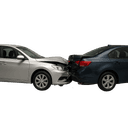
Collision Coverage
Pays for damage to your vehicle in an accident

Comprehensive Coverage
Covers theft, vandalism, weather, and animal damage

Medical Payments
Covers medical costs for your drivers and passengers

Uninsured Motorist
Protection when the other driver lacks insurance
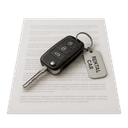
Hired & Non-Owned Auto
Covers rented or employee-owned vehicles used for work
Commercial Auto Insurance Requirements in Indiana
- Indiana minimum liability limits may satisfy the legal floor, but many businesses review higher limits because customer property damage and injury claims can exceed that baseline quickly.
- If your Indiana operation uses employee cars for bank runs, client visits, or supply pickups, non-owned auto deserves a specific review instead of an assumption that a personal policy handles it.
- Businesses parking work vehicles outside overnight in Indiana should compare comprehensive deductibles carefully, especially if a damaged unit would interrupt service calls or deliveries.
- Leased and financed vehicles in Indiana often require physical damage coverage, so confirm lender or lease terms before choosing a liability-only policy.
How Much Does Commercial Auto Insurance Cost in Indiana?
Average Cost in Indiana
$130 - $340
per month
Businesses in Indiana typically see commercial auto insurance premiums of $130 - $340 per month, which tends to run 15% below the national range of $140 - $410 per month.
- Fleet size and vehicle types
- Driver records and experience
- Coverage limits and deductibles
- Business industry and use
- Annual mileage and operating radius
- Claims history
Rates based on small business averages. Your actual premium may vary.
Commercial auto pricing in Indiana usually moves on exposure, not on a single statewide average that tells you much. Your premium depends on vehicle type, garaging location, driver records, annual mileage, radius of travel, liability limits, deductibles, and whether you add physical damage or coverage for rented and employee-driven vehicles. A single owner-operator with one older pickup used for estimates and light hauling often lands in a different part of that range than a business with multiple vans, newer financed units, or employees driving every day.
If you only carry the state minimum liability requirement, your premium may look lower at first, but that can leave a gap if a serious accident damages another vehicle, injures multiple people, or triggers a contract issue with a customer or landlord. Raising limits costs more, yet it can be the cleaner financial decision for businesses that drive in traffic-heavy corridors or send employees to multiple stops each day.
Organize your vehicle schedule, VINs, driver list, business use, garaging addresses, and loss history before you compare options. Test deductibles, liability limits, and physical damage choices side by side so you can see what changes premium and what simply shifts risk back onto your business.
| Coverage Type | What It Covers | Typical Limits |
|---|---|---|
| Bodily Injury Liability | Injuries to others in accidents you cause | $500K to $2M |
| Property Damage Liability | Damage to others' property | $100K to $1M |
| Collision | Damage to your vehicle in an accident | Actual cash value |
| Comprehensive | Theft, vandalism, weather, animal damage | Actual cash value |
| Medical Payments | Medical costs for your drivers/passengers | $5K to $25K |
| Uninsured Motorist | Protection when other driver lacks insurance | $500K to $1M |
| Hired & Non-Owned | Rented or employee personal vehicles | Same as liability limits |
Bodily Injury Liability
- What It Covers
- Injuries to others in accidents you cause
- Typical Limits
- $500K to $2M
Property Damage Liability
- What It Covers
- Damage to others' property
- Typical Limits
- $100K to $1M
Collision
- What It Covers
- Damage to your vehicle in an accident
- Typical Limits
- Actual cash value
Comprehensive
- What It Covers
- Theft, vandalism, weather, animal damage
- Typical Limits
- Actual cash value
Medical Payments
- What It Covers
- Medical costs for your drivers/passengers
- Typical Limits
- $5K to $25K
Uninsured Motorist
- What It Covers
- Protection when other driver lacks insurance
- Typical Limits
- $500K to $1M
Hired & Non-Owned
- What It Covers
- Rented or employee personal vehicles
- Typical Limits
- Same as liability limits
How Indiana compares with the national baseline
Uninsured drivers
15.8% vs 11.6% baseline
About 15.8% of Indiana drivers are estimated to be uninsured, above the 11.6% average across states.
Fatal crashes per 100 million miles
1.42 vs 1.33 baseline
Indiana sees about 1.42 fatal crashes per 100 million miles driven, above the national average of 1.33.
Blue bar: Indiana. Gray line: national baseline.
Prices shown are general estimates, not guaranteed rates or quotes. Your actual premium will depend on the insurer, coverage selected, business details, location, claims history, and other underwriting factors. Learn about our pricing methodology.
Request a Quote Comparison
Enter your ZIP code to compare commercial auto insurance rates from top carriers.
Business insurance starting at $25/mo
Who Needs Commercial Auto Insurance?
In Indiana, the businesses that need a closer commercial auto review are not limited to companies with logos on every door. You should look harder at this coverage any time a vehicle supports revenue, operations, or client service in a way a personal policy may not be built to handle. That includes contractors driving pickups to job sites, wholesalers running delivery vans, property managers sending staff between locations, and professional firms with a titled company car. It also includes businesses that rarely think of themselves as transportation risks, such as caterers, home health providers, repair technicians, and retailers making occasional deliveries.
Indiana businesses should also pay attention when ownership and use do not line up neatly. A vehicle titled to the business but driven by one owner, a leased van used by several employees, or staff using personal cars for bank deposits and client visits can all create different insurance gaps.
| Requirement | What Indiana law says |
|---|---|
| Auto liability minimums | $25,000/$50,000/$25,000 (bodily injury per person / per accident / property damage). These floors apply to personal and business vehicles alike; lenders and contracts often require more. |
| Where to verify | Indiana Department of Insurance publishes current requirements, consumer guides, and license lookups. |
Commercial Auto Insurance by City in Indiana
Commercial Auto Insurance rates and coverage options can vary across Indiana. Select your city below for localized information:
How to Buy Commercial Auto Insurance
Buying commercial auto coverage in Indiana goes faster when you build the quote around operations instead of starting with price. Begin with a clean vehicle schedule that shows each unit, who owns it, where it is garaged, who drives it, and whether it carries tools, inventory, or attached equipment. If you have any leased, rented, or employee-owned vehicles involved in the business, flag those early so the quote does not miss a key exposure.
Separate your drivers by role. An owner who drives occasionally to sales calls is not the same risk as a crew member making daily supply runs or a delivery driver covering a broad territory. Underwriters usually need a complete driver list and a clear description of use, so accuracy matters more than trying to make the operation sound smaller than it is.
Then decide what would actually hurt if a loss happens. For some Indiana businesses, the biggest issue is liability from an at-fault crash. For others, it is physical damage to a financed truck, loss of use during repairs, or a claim involving an employee's personal vehicle used for work errands. That is where you compare liability limits, deductibles, physical damage, and hired or non-owned auto in one review instead of buying piecemeal. Before you choose a policy, ask for the quote in a format you can audit: covered vehicles, covered drivers, listed endorsements, deductibles, and any exclusions that affect trailers, attached equipment, or employee vehicle use. If something in your operation is seasonal, shared, or unusual, get that addressed before binding coverage, not after a claim. Request a quote through CPK Insurance to compare options from participating licensed providers.
How to Save on Commercial Auto Insurance
The cleanest way to lower commercial auto costs in Indiana is to remove uncertainty for the underwriter while keeping the policy aligned with how you actually drive. If former employees are still listed, occasional drivers are missing, or job duties are vague, you can end up paying for confusion or creating claim problems later. A current, accurate schedule is one of the simplest savings steps.
Older paid-off units may justify a different physical damage approach than newer financed vans or trucks that would be expensive to repair. Instead of cutting liability first, test higher deductibles on physical damage and compare the premium change against what your business can comfortably absorb after a loss.
If one vehicle is only used locally and another regularly travels farther with heavier loads, separate those facts in the quote. Businesses often overpay when every unit is rated as if it has the same radius, same driver pool, and same daily exposure. Clear garaging, mileage, and use descriptions can produce a more accurate premium.
If employees never use personal cars for business, say so. If you do rent vehicles only a few times a year, ask whether hired auto should still be included and how it changes cost.
Our Recommendation for Indiana
It is the policy structure that still works on a bad day, when a vehicle is damaged, a driver is injured, or a customer claims your business caused a larger loss than expected. Indiana minimums may satisfy the legal baseline, but they may not satisfy a contract, a lender, or the real cost of a serious accident. If your vehicles enter customer property, carry crews, or spend long hours on the road, ask to compare higher limits before you decide the minimum is enough.
A titled company vehicle, a rented replacement van, and an employee car used for deposits or site visits create different exposures. If your quote only addresses owned autos, you may be leaving a gap in the part of your operation that changes week to week.
If one truck being out of service would delay jobs or force you to subcontract work, review deductibles, physical damage, and any optional features with that interruption cost in mind.
FAQ
Frequently Asked Questions
Indiana requires **minimum auto liability limits of $25,000/$50,000/$25,000**. That means your policy can help cover up to $25,000 for one person's injuries, $50,000 total for all injuries in one crash, and $25,000 for property damage. If a claim exceeds those amounts, your business assets could be at risk. Many businesses compare higher limits if they carry crews, enter customer property, or sign contracts that expect more than the state baseline.
Indiana minimum limits can satisfy the legal requirement, but they may not match the financial risk of a serious crash. If your truck or van is financed, heavily used, or driven by employees, review higher liability limits and physical damage options.
Your premium depends on vehicles, drivers, mileage, garaging, limits, deductibles, and whether you add physical damage or coverage for rented and employee-driven vehicles. A single owner-operator with one older pickup often pays less than a business running multiple newer vans with full-time drivers, so the best way to get an accurate number is to compare quotes based on your actual operation.
Indiana businesses often need a review of non-owned auto if employees use personal cars for errands, deposits, or client visits. A company without owned vehicles can still have business driving exposure that deserves its own policy analysis.
Indiana buyers should compare quotes using the same liability limits, deductibles, and driver information across each option. For several vehicles, ask the quote to show each unit's use, garaging, and driver assignment so pricing differences are easier to explain.
Indiana quotes usually go smoother when you bring VINs, garaging addresses, driver details, business use descriptions, and any loss history. If you lease, rent, or rely on employee vehicles, include that up front so the quote reflects the real exposure.
Indiana commercial auto insurance is regulated by the Indiana Department of Insurance. That agency oversees licensing, rate filings, and consumer complaints, so if you have a dispute with a carrier or a question about a policy, it is the place to start.
Commercial auto insurance can help cover liability for bodily injury and property damage, collision damage to your vehicles, comprehensive coverage for theft and weather damage, medical payments, and uninsured/underinsured motorist protection. It also can help cover hired and non-owned vehicles with the right endorsements.
Sources
- 1.Indiana Department of Insurance(Indiana requires minimum auto liability limits of $25,000/$50,000/$25,000.; The Indiana Department of Insurance is the state regulator.)
Updated July 16, 2026