Updated July 16, 2026

Key Takeaways
- List every way customer vehicles enter, move through, and stay on your premises before you request a garage keepers quote.
- Compare collision losses against theft, fire, vandalism, and weather losses so your quote matches your actual custody exposure.
- Ask how customer vehicles are valued after a loss, especially if you handle newer, specialty, or recently upgraded vehicles.
- Review key control, intake photos, lot security, and employee driving rules before renewal to improve both pricing and claim defensibility.
- Request side-by-side quotes with the same limits, deductibles, and storage assumptions so you can spot real coverage differences.
Garage Keepers Insurance in Indiana
The surprise gap is not whether you work on customer vehicles. It is whether your policy setup matches where those vehicles sit between handoff and pickup. A shop can be careful in the bay and still face a hard claim if a customer's car is damaged overnight, during lot storage, or while weather moves through. That is why this coverage in Indiana deserves a closer review than a generic package add-on.
You need to look at how many vehicles stay on site after hours, whether they are kept inside or outside, who has access to keys, and how your team documents pre-existing damage before work starts. Those details shape how a claim is argued and whether your limits still make sense when several vehicles are in your custody at once. You should review policy language, exclusions, and complaint handling with the applicable state framework in mind.
What Garage Keepers Insurance Covers
Indiana buyers usually need this coverage to address what happens when a vehicle is sitting, staged, or waiting rather than actively being repaired. If vehicles are left on your premises overnight, staged for parts delays, parked in a fenced yard, or waiting for pickup after payment, your exposure changes with each handoff point. That is where you should read the policy form closely and ask how physical damage claims are handled for vehicles stored outdoors, vehicles awaiting service, and vehicles that stay on site longer than expected.
For many Indiana operations, the practical review starts with your lot layout and key control. A carrier will want to understand whether vehicles are parked bumper to bumper, whether high-value units are separated, whether keys are tagged and locked, and whether employees move vehicles before or after business hours. If your operation includes towing, impound, dealership service, or seasonal storage, ask for those facts to be reflected clearly in the application so the quote matches your actual custody pattern.
You should also review how your garage keepers coverage interacts with the rest of your account. A claim involving a customer's vehicle can overlap with premises issues, employee procedures, subcontracted work, or test-drive practices. In Indiana, that makes it worth checking whether your deductibles, reporting steps, and documentation process line up across policies. Before you renew, walk your agent through where vehicles are received, where they wait, who moves them, and where they are most exposed if a storm, theft event, or lot accident hits several units at once.

Collision Coverage
Covers damage to customers' vehicles from collisions while in your care.

Comprehensive Coverage
Covers theft, vandalism, fire, and weather damage to customers' vehicles.

Specified Perils
Covers only specifically named perils at a lower premium.

Legal Liability
Covers damage you or your employees directly cause to a customer's vehicle.

Direct Primary
Pays regardless of fault, the broadest garage keepers coverage available.
Garage Keepers Insurance Requirements in Indiana
- Indiana weather patterns create real loss potential, so it is worth reviewing how vehicles are stored after hours, especially if your lot fills up outside during parts delays or weekend backlogs.
- If your operation uses a secondary yard, overflow parking, or a fenced impound area, make sure each location is disclosed consistently in the application and quote.
- Shops that rely on after-hours drop boxes should document intake timing, key handling, and pre-existing damage carefully, because those facts often shape claim disputes later.
- Dealership service departments and body shops in Indiana should compare peak on-site vehicle counts against current limits, not just normal weekday volume.
How Much Does Garage Keepers Insurance Cost in Indiana?
Garage keepers pricing in Indiana usually turns on concentration of risk, not a simple statewide average. If your shop keeps only a few vehicles for short repair cycles, your underwriting profile looks different from a body shop, tow yard, or dealership service department that holds vehicles overnight and over weekends. The more vehicles you control at one time, the more a single hailstorm or lot fire can multiply your loss, which means a crowded lot during a slow parts week can turn a manageable incident into a claim that exhausts your limits.
Your storage setup matters just as much. Indoor storage can be viewed differently from open-lot storage, especially if vehicles are left outside after hours, parked tightly, or exposed while waiting on parts approval. Carriers also look at how often employees move vehicles, whether road tests are part of normal operations, how keys are secured, and whether you document vehicle condition at intake and release. If your procedures are informal, the quote can reflect that uncertainty.
Indiana buyers should expect the quote process to drill into operational details. A clean submission usually includes the maximum number of vehicles on site, the mix of ordinary and higher-value vehicles, whether any units are stored long term, your claims history, your deductible preference, and the coverage basis and limits you want reviewed. If your operation changes seasonally, say so up front. That can matter if your lot fills during weather events, collision surges, or delayed parts cycles.
The most useful way to shop cost is to compare quotes with the same assumptions. Ask for the same deductible, the same limit structure, and the same description of indoor versus outdoor storage on each proposal. That lets you see whether a lower premium reflects real value or simply narrower terms.
Request a Quote Comparison
Enter your ZIP code to compare garage keepers insurance rates from top carriers.
Business insurance starting at $25/mo
Who Needs Garage Keepers Insurance?
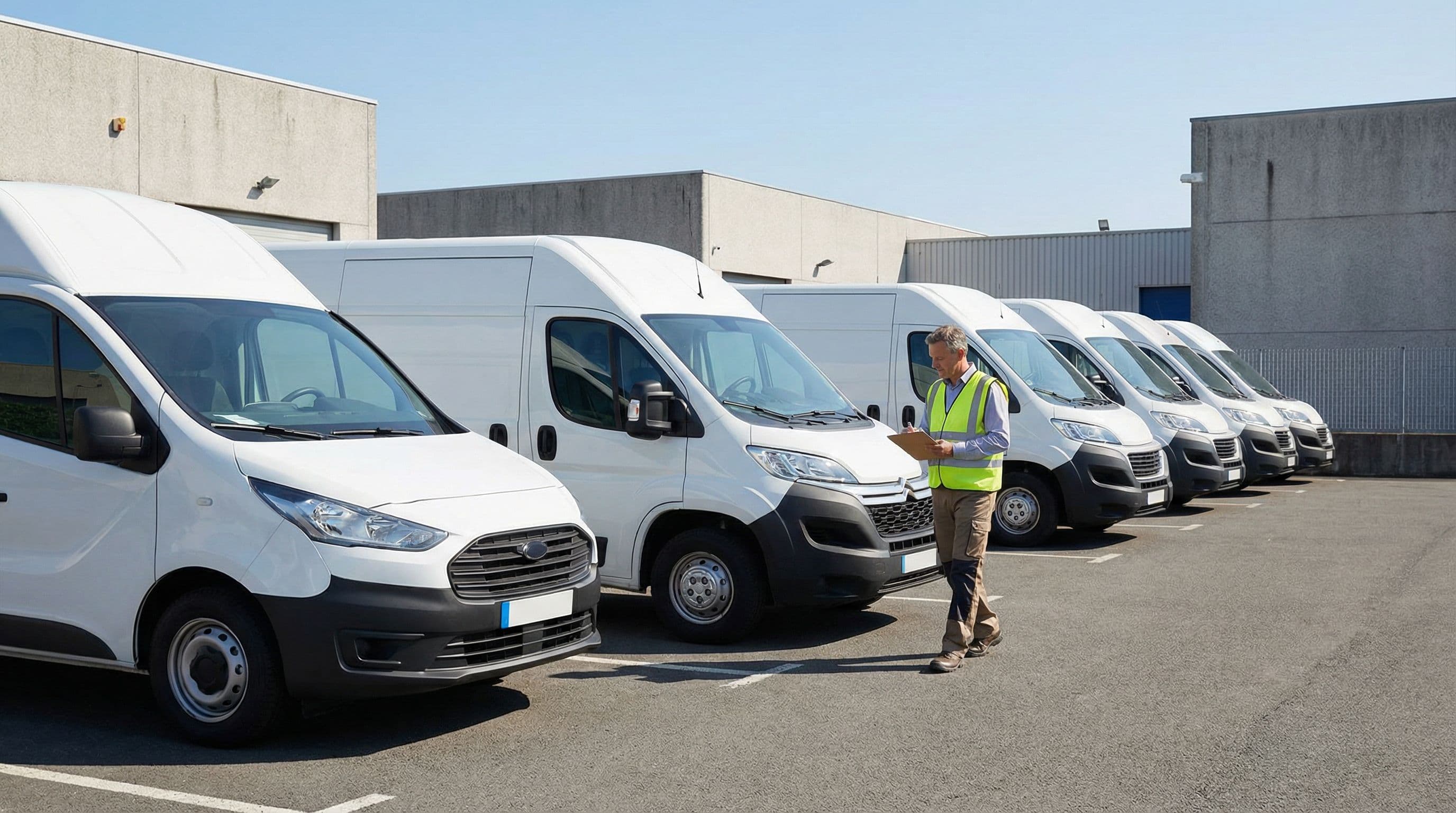
In Indiana, the businesses that most need this review are the ones that take possession of customer vehicles and then hold them through real-world interruptions. A repair shop that keeps cars overnight while waiting on parts, a body shop with vehicles lined up for estimates, or a tire store that parks customer units outside during peak days all create custody exposures that deserve a dedicated look.
This also matters for operations that do not always think of themselves as storage risks. Detailers may keep vehicles through the day and into the evening. Dealership service departments often have a mix of quick-turn work and units that stay on site longer than planned. Towing and impound operators can have vehicles in fenced lots for days. Parking operators and valet services may move many vehicles in a short window, which raises the stakes for key control, lot organization, and incident documentation.
Indiana buyers should pay special attention if their operation has any of these traits: after-hours drop boxes, outdoor storage, multiple lots, employee road testing, subcontracted transport, or a backlog that leaves vehicles on site over weekends. Each one changes how a claim may develop and what an underwriter needs to understand.
If you are unsure whether your business belongs in this category, use a simple test. If a customer hands you the keys and expects you to decide where the vehicle sits, who moves it, or when it is released, you should review garage keepers coverage.
Garage Keepers Insurance by City in Indiana
Garage Keepers Insurance rates and coverage options can vary across Indiana. Select your city below for localized information:
How to Buy Garage Keepers Insurance
Buying this coverage in Indiana goes more smoothly when you build the quote around your custody chain, not just your business type. Start with the points where responsibility changes hands: drop-off, intake photos, key tagging, parking assignment, movement between areas, road testing, overnight storage, and final release. If any step is handled differently after hours or on weekends, include that detail. Those are often the facts that matter most after a loss.
Next, prepare a clear description of your premises. Note whether vehicles are stored inside, outside, or both, whether the lot is fenced, how lighting and cameras are used, and whether there is a separate area for vehicles awaiting parts, pickup, or total-loss decisions. If you operate from more than one location, break out how many vehicles each site can hold and who supervises each lot.
Then gather the underwriting details that make quotes comparable. List the maximum number of vehicles in your care at one time, the highest-value vehicles you commonly handle, whether employees road test vehicles, whether tow equipment or forklifts move units, and any prior claims or near misses that changed your procedures. If you use subcontractors, explain where their responsibility starts and ends.
Ask direct questions about exclusions, deductibles, reporting deadlines, and whether the quoted terms fit your actual intake and storage practices. Before you choose a policy, compare proposals side by side using the same operational facts so you are not buying a cheaper quote built on incomplete assumptions. Request a quote through CPK Insurance to compare your options with participating licensed providers.
How to Save on Garage Keepers Insurance
The best way to lower garage keepers costs in Indiana is to reduce ambiguity in how vehicles are received, stored, moved, and released. Carriers price uncertainty, and many claims become expensive because the file does not show who had the keys, where the vehicle was parked, or what condition it was in before work began. Tight procedures can improve both underwriting and claim defense.
Start with intake discipline. Use dated photos, note existing damage, record mileage, and document whether valuables remain in the vehicle. Then tighten key control with a locked cabinet, restricted access, and a written sign-out process for every movement. If vehicles are stored outside, assign spaces deliberately instead of stacking units wherever room opens up. A lot map and parking log can make a real difference after a multi-vehicle event.
You can also save by matching limits and deductibles to your actual peak exposure instead of guessing. Review the maximum number of vehicles on site during busy periods, the value mix you handle, and whether weather or parts delays cause vehicles to remain longer than planned. If your current limit would feel thin during a crowded week, fix that before renewal rather than after a claim.
Finally, make your submission easier to underwrite. Provide a current operations summary, photos of storage areas, written procedures for after-hours drop-off, and any updates you made after prior incidents. Ask for quotes built on the same facts and compare terms carefully. A lower premium only helps if the policy still fits how your Indiana operation actually handles vehicles every day.
Our Recommendation for Indiana
For Indiana buyers, the most useful review is usually specific rather than broad. Look first at where vehicles accumulate: outside the bay, behind the building, in overflow parking, or in a secondary lot used during busy weeks. Those are the places where a routine service account can start carrying a much larger custody exposure than the owner intended.
Next, test your paperwork against a real claim. Can you show when the vehicle arrived, who inspected it, where it was parked, who moved it, and what condition it was in before release? If the answer is inconsistent by shift or by location, fix the process before you shop renewal. Better documentation may lead to cleaner underwriting and fewer disputes later.
It also helps to separate operational questions that often get blurred together. Ask whether your quote assumptions match your actual overnight storage, your road-test practices, your use of tow equipment, and any backlog that leaves vehicles on site over weekends. If one carrier prices a much lower premium, verify that it used the same facts and the same limit structure.
Before binding, request a plain-language review of exclusions, deductibles, and reporting expectations. Then compare that against your peak season, not your average week. That is usually the better test of whether the policy fits your Indiana operation.
FAQ
Frequently Asked Questions
Even occasional overnight storage creates exposure, because the risk often appears during pickup delays or after-hours handoff rather than during active repair work. Your quote should reflect how often vehicles remain on site beyond the workday.
Indiana regulates insurance through the Indiana Department of Insurance. If you are comparing policy forms, endorsements, or complaint procedures, use that state regulator as your reference point.
Shops usually get a better quote by showing exactly how vehicles move through the business, including intake, key control, road testing, overnight storage, and release. Clear lot details and written procedures help the carrier price the real exposure.
Businesses that store vehicles outdoors should review this coverage closely because open-lot storage changes how underwriters view concentration of risk, security, and weather exposure. Your application should describe where vehicles sit, how keys are controlled, and how long units remain outside.
Body shops should ask whether the quote assumptions match actual overnight counts, outdoor storage, employee vehicle movement, and any backlog that leaves cars on site for days. Comparing those details side by side helps you avoid a cheaper quote built on incomplete facts.
Towing and impound operations often need a more tailored review because custody periods, lot conditions, and release procedures differ from a standard repair shop. The quote should reflect fenced storage, vehicle turnover, and who controls access to keys and lots.
Claims are easier to defend when you keep intake photos, mileage records, key logs, parking assignments, and release documentation. Those records help show vehicle condition, chain of custody, and where the unit was stored before the reported damage.
Garage keepers insurance may cover damage to customers' vehicles while they are in your care, custody, or control. That may include collision, theft, fire, vandalism, hail, and other covered causes of loss, depending on your policy terms and how your business handles vehicles.
Sources
- 1.Indiana Department of Insurance(Indiana regulates insurance through the Indiana Department of Insurance.)
Updated July 16, 2026