
What can go wrong for a food truck business
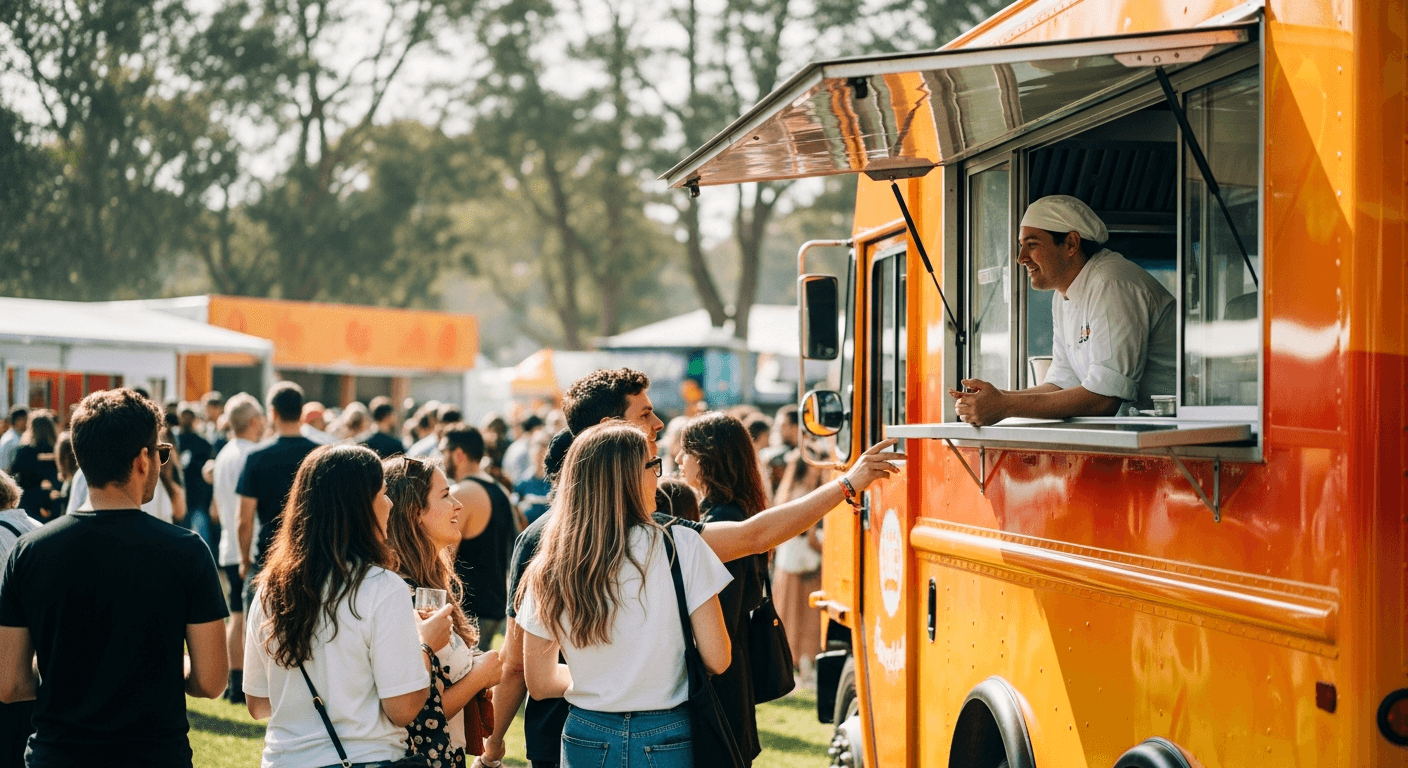
Food truck insurance decisions start with how your operation actually creates risk. You drive a branded vehicle through traffic, set up in tight lots, cook with heat and grease, serve customers at a window, and regularly work festivals or private events where one mistake can affect several parties at once. A backing accident, a slip near your service area, smoke damage to a host site, or a burned customer can all trigger different policies.
That is why a food truck owner should separate road risk from business liability risk before asking for quotes. The truck itself needs vehicle coverage built for business use, while customer injury and third party property damage claims usually sit in the liability side of the program. III notes, "You or a member of your organization can make a mistake that injures someone or damages property," so your quote should match how often you drive, where you park, whether you cook on board, and whether staff handle setup and service.
Negligence issues also show up in ordinary operating details. III explains that "Not repairing a pothole in a parking lot, not lighting a dark stairway, failing to train workers how to do their jobs safely and legally or failing to provide directions for the safe use of a product can constitute negligence," which matters if you control a service area, place cords or mats, or train staff to handle hot food and customer lines. Before you buy, list your driving radius, event types, cooking equipment, and who works each shift, then ask the agent to map each exposure to a specific policy instead of assuming one form covers the whole operation.
Why commercial auto insurance is central for food trucks
For a food truck, the vehicle is not just transportation. It is a revenue producing unit, a mobile kitchen, a storage space, and frequently the first thing a customer sees. That makes commercial auto insurance one of the first policies to review, because personal auto coverage is not designed around business driving, scheduled operations, or equipment tied to a working truck.
As you compare options, focus on how the truck is used during a normal week. A unit that drives to lunch service, then to a brewery, then to a private event has a different exposure than a truck that parks in one recurring location. Ask how the policy handles collision damage, liability from an at fault crash, uninsured drivers, towing, and any gap between the truck as a vehicle and attached business equipment. If you are sorting through the basics, start with commercial auto insurance and then narrow the quote around your route pattern, driver list, and whether the truck is owned by the business or personally titled.
Driver qualification also matters. FMCSA states, "Drivers have been required to have a commercial driver's license (CDL) in order to drive certain commercial motor vehicles (CMVs) since April 1, 1992." That does not mean every food truck driver needs one, but it does mean you should verify whether your unit or use falls into a category that triggers CDL rules before binding coverage. Bring the vehicle details, registration information, garaging address, and every regular driver to the quote process so the policy is built around the truck you actually operate, not a generic delivery vehicle.
How general liability and a BOP fit a food truck operation
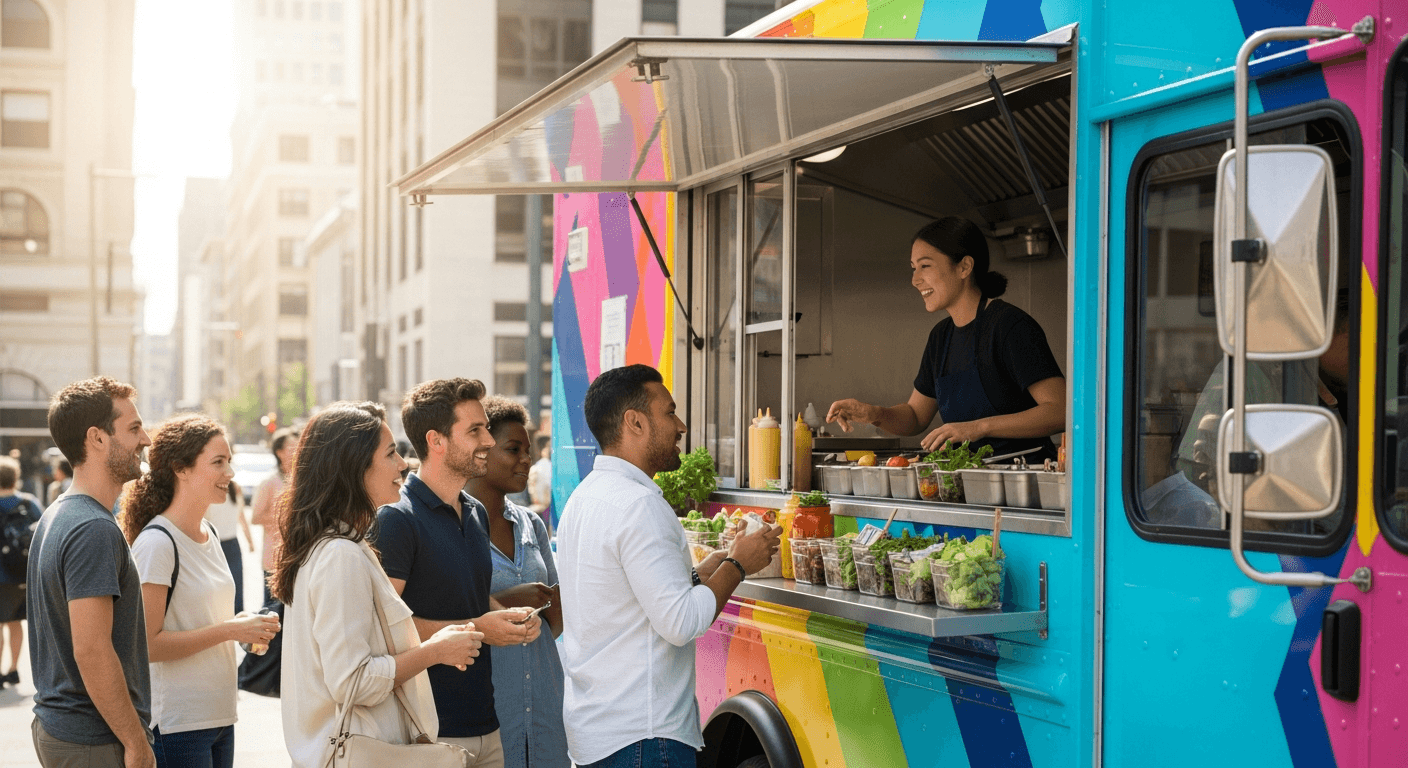
General liability handles a different part of the risk picture than auto. It is the policy you review for customer injuries, damage to someone else's property, and certain advertising related claims that can arise from how you run the business away from a crash. For a food truck, that can matter when a customer slips near the order window, a staff member damages a venue surface during setup, or a complaint turns into a claim over how your business promoted something.
III says, "For small businesses the most efficient and least expensive way to purchase liability insurance is usually as part of the Businessowners Policy (BOP)," so a food truck owner should ask whether a BOP makes sense alongside the auto policy rather than buying every coverage one by one. That can be especially useful if you also store inventory, smallwares, or equipment off the truck, or if you have a commissary, office, or other business property to schedule.
It also helps to know what the liability form is built to help pay. III states, "Your liability insurer will pay damages that you are legally obligated to pay as a result of “bodily injury,” “property damage” or “personal and advertising injury,” up to the policy limits and subject to your deductible." In practice, that means you should compare not just price, but also limits, deductibles, additional insured options for events, and any exclusions that matter for food service operations. Ask for the quote in plain language: what is covered at the truck, what is covered at an event site, what property is scheduled, and what still needs to be added separately.
What to tell an agent so your quote matches the way you work
Food truck quotes go wrong when the application is too vague. If you describe the business as simple food service but leave out catering, festivals, late night service, or employee driving, the policy may be priced and structured around the wrong exposure. Give the underwriter a working picture of the operation instead of a short label.
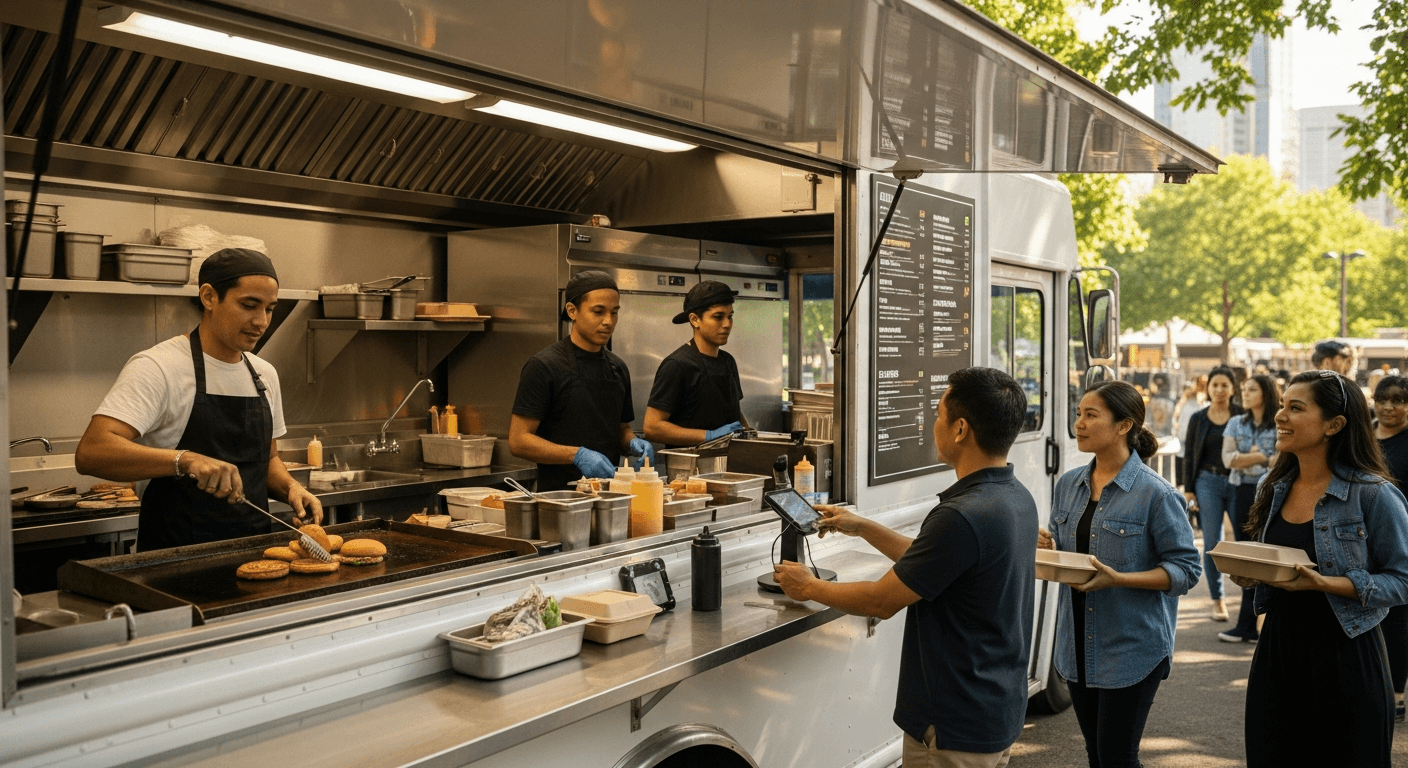
Start with the truck and route. Explain where the unit is stored, how often it moves, whether you cross city or state lines, and whether the truck is driven daily or only for events. Then describe the kitchen setup, including cooking equipment, generators, refrigeration, propane or other fuel arrangements, and whether food is prepared on the truck, at a commissary, or both. Add your staffing model, because employee driving, food handling, setup work, and cleanup all affect how claims can happen.
Injury exposure should be part of that conversation, not an afterthought. BLS says, "The Injuries, Illnesses, and Fatalities (IIF) program produces a wide range of information about workplace injuries and illnesses," and it reports 888,100 private industry cases involving days away from work in 2024, so you should treat worker injury controls as part of insurance buying, not just safety management. If employees lift supplies, work around hot surfaces, or load and unload in traffic areas, ask what information the carrier wants about training, hiring, and job duties. A stronger submission includes driver information, event requirements, loss history, photos of the truck, and a clear description of where customers stand, order, and pick up food.
How to compare food truck insurance quotes without buying the wrong policy
A useful food truck quote comparison is not just premium versus premium. You need to compare policy structure, scheduled vehicles, liability limits, deductibles, endorsements, and whether the proposal reflects your real operations. Two quotes can look similar at first glance and still leave very different gaps around events, borrowed equipment, or off truck property.
Read each proposal in layers. First, confirm the named insured and vehicle details are correct. Next, review liability limits for both auto and general liability, then check deductibles and any exclusions tied to cooking operations, employee use, or event work. If you attend festivals, markets, breweries, weddings, or corporate events, ask whether the quote can handle certificate requests and additional insured needs without last minute scrambling. If you store stock or equipment away from the truck, verify where that property sits in the program.
You should also ask direct claim scenario questions. What happens if the truck hits another vehicle on the way to service. What happens if a customer is injured near the service window. What happens if your setup damages a host location. What happens if the truck is down after a covered loss during your busiest season. Those questions force the quote into operational terms you can actually compare.
A strong buying approach narrows the field to quotes that clearly match your routes, event work, staffing, and equipment, then choose the one with the strongest fit for your exposure and contract needs. Before binding, ask for a final review of exclusions, certificates, and any assumptions the underwriter used.
Common food truck insurance mistakes to avoid
The most common mistake is assuming the truck policy handles every business claim. It does not. Auto liability and general liability solve different problems, and a food truck needs both reviewed together. If you buy only around the vehicle, you can miss the customer facing and venue related claims that happen while serving food.
Another mistake is underdescribing the operation. If you cater private events, use temporary staff, park on third party property, or operate at multiple locations, say so up front. A policy built around a static lunch spot may not be the right fit for a truck that travels constantly and works crowded events. The same issue comes up when owners forget to mention attached equipment, off truck storage, or who is actually driving.
Do not treat worker injury exposure as minor just because the team is small. III states, "Bodily injury means injury, sickness, disease or death; it may include injuries that are emotional or mental," which is a useful reminder to review how injury related claims are defined and where each policy responds. For food trucks, burns, lifting injuries, slips, and loading accidents can all affect operations even if the business only has a few employees.
Finally, do not wait until an event organizer asks for proof of coverage to discover your limits or forms do not match the contract. Gather your most common venue requirements, driver information, truck details, and property list before requesting quotes. That gives you a cleaner comparison and a better chance of binding coverage that matches how you actually earn revenue.
Frequently Asked Questions
Start by reviewing commercial auto insurance and general liability insurance together, because driving risk and customer injury risk are separate. III says a BOP is usually the most efficient and least expensive way for small businesses to purchase liability insurance.
Yes. The vehicle is part of daily operations, not just personal transportation, so commercial auto belongs at the center of the program. Your quote should reflect who drives, where the truck is stored, how often it moves, and whether the unit is used for events or catering.
For a food truck, a businessowners policy can be a practical way to buy liability coverage and certain business property protection, depending on the operation. III says the usual efficient and least expensive way for small businesses to purchase liability insurance is as part of a BOP.
CDL requirements depend on the vehicle and how it is classified. FMCSA says drivers have been required to have a commercial driver's license to drive certain commercial motor vehicles since April 1, 1992, so verify your unit before binding coverage.
For food truck insurance quotes, compare more than premium. Review vehicle details, liability limits, deductibles, event requirements, driver lists, and exclusions tied to cooking or service operations, then test each quote against real claim scenarios like a crash, a slip, or property damage at an event.
Sources
- 1.iii.org(III notes, "You or a member of your organization can make a mistake that injures someone or damages property," so your quote should match how often you drive, where you park, whether you cook on board, and whether staff handle setup and service.; III explains that "Not repairing a pothole in a parking lot, not lighting a dark stairway, failing to train workers how to do their jobs safely and legally or failing to provide directions for the safe use of a product can constitute negligence," which matters if you control a service area, place cords or mats, or train staff to handle hot food and customer lines.; III says, "For small businesses the most efficient and least expensive way to purchase liability insurance is usually as part of the Businessowners Policy (BOP)," so a food truck owner should ask whether a BOP makes sense alongside the auto policy rather than buying every coverage one by one.; III states, "Your liability insurer will pay damages that you are legally obligated to pay as a result of “bodily injury,” “property damage” or “personal and advertising injury,” up to the policy limits and subject to your deductible."; III states, "Bodily injury means injury, sickness, disease or death; it may include injuries that are emotional or mental," which is a useful reminder to review how injury related claims are defined and where each policy responds.)
- 2.fmcsa.dot.gov(FMCSA states, "Drivers have been required to have a commercial driver's license (CDL) in order to drive certain commercial motor vehicles (CMVs) since April 1, 1992.")
- 3.bls.gov(BLS says, "The Injuries, Illnesses, and Fatalities (IIF) program produces a wide range of information about workplace injuries and illnesses," and it reports 888,100 private industry cases involving days away from work in 2024, so you should treat worker injury controls as part of insurance buying, not just safety management.)
Request a Quote Comparison
Enter your ZIP code to compare insurance rates from top carriers.
Updated July 17, 2026