
The Unique Insurance Needs of Food Trucks
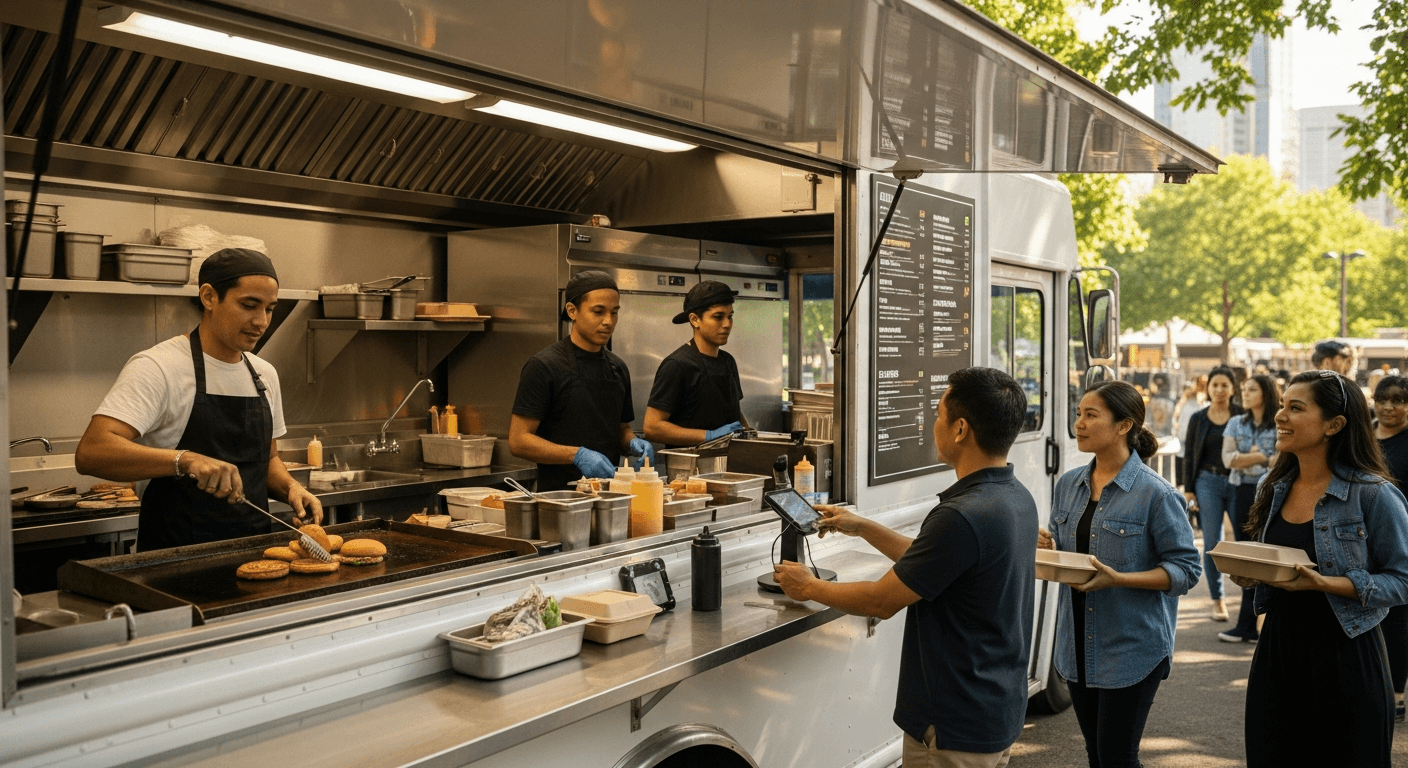
Food trucks occupy a unique space in the insurance world because they combine the risks of a commercial vehicle, a restaurant kitchen, and a retail storefront into a single mobile unit. This creates a coverage puzzle that does not fit neatly into standard business insurance categories. Your food truck is simultaneously a vehicle that needs auto insurance, a kitchen that needs equipment and fire coverage, and a food service operation that needs liability protection.
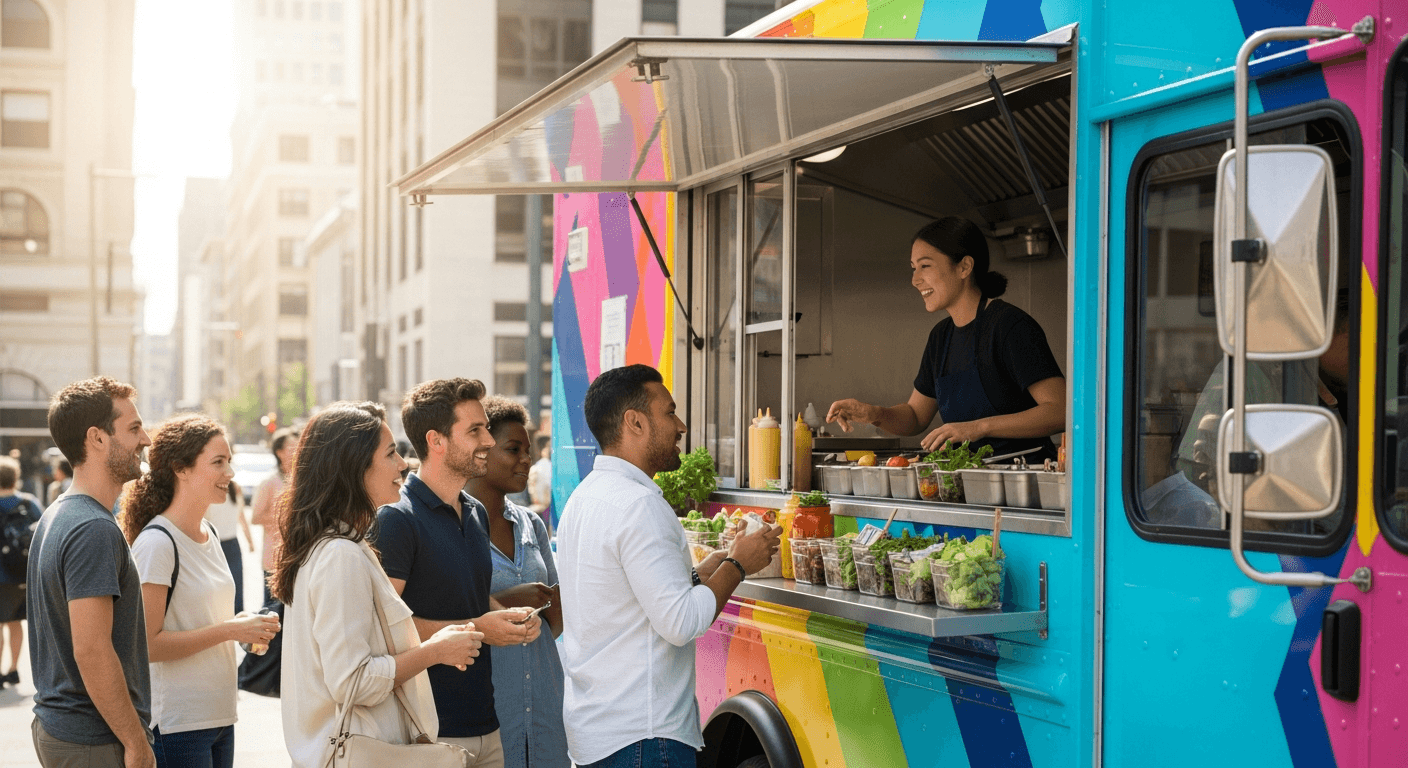
The mobile nature of food trucks adds complexity. Unlike a restaurant at a fixed location, your food truck operates in different places every day, each with its own set of risks. You might park on a busy city street where pedestrians walk inches from your truck, set up at a fairground where crowds of people press close, or work a private event on someone's property. Each scenario creates different liability exposures.
Most cities and counties require food trucks to carry proof of insurance before issuing or renewing a mobile food vendor permit. Event organizers, commissary kitchens, and property owners where you park also typically require certificates of insurance. Without proper coverage, you simply cannot legally operate in most markets.
Required Food Truck Insurance
Commercial auto insurance is the most critical policy for any food truck. Your food truck is a commercial vehicle, and it must be insured under a commercial auto policy rather than a personal auto policy. This coverage responds when your truck is involved in an accident, whether you are driving to a location, parked and serving, or traveling between events. It includes liability for injuries and property damage you cause, along with physical damage to the truck itself.
General liability insurance addresses claims that arise from your food service operations rather than your vehicle. If a customer gets food poisoning, has an allergic reaction, trips over your equipment, or is burned by hot oil that splashes from your truck, general liability can help pay for their medical expenses, your legal defense, and any settlements or judgments. Many food truck permits specify a minimum level of general liability coverage.
Workers compensation insurance is required if you have employees, which most food trucks do once they grow beyond a one-person operation. Food truck kitchens are tight, hot, and filled with sharp objects and open flames. Burns, cuts, slips, and heat exhaustion are common injuries. Workers comp pays the medical costs and lost wages for employees who are hurt on the job.
Additional Food Truck Coverage
Commercial property coverage for your food truck's kitchen equipment, inventory, and supplies is essential. Your truck contains cooking equipment, refrigeration units, point-of-sale systems, signage, and food inventory. If your truck is damaged by fire, theft, or vandalism, property coverage pays to repair or replace these business assets. Some commercial auto policies include limited property coverage, but a separate endorsement or inland marine policy may be needed for broader protection.
Product liability insurance, which is often included in or closely related to your general liability policy, specifically covers claims related to the food you serve. Foodborne illness claims, foreign object contamination, and allergen reactions all fall under product liability. Make sure your general liability policy explicitly includes products liability coverage and that the limits are adequate.
Business interruption insurance replaces lost income if a covered event prevents you from operating. If your truck is damaged in an accident and needs repairs, business interruption coverage can bridge the revenue you would have earned during that downtime. For a food truck with steady weekly sales, this coverage can be a financial lifesaver.
Equipment breakdown coverage can help pay for the repair or replacement of kitchen equipment that fails due to mechanical or electrical breakdown. Commercial refrigerators, freezers, generators, and cooking equipment are expensive to repair, and a breakdown during a busy weekend can mean lost revenue and spoiled inventory.
Coverage Limits for Food Trucks
Commercial auto coverage should include a liability limit that matches your contracts, permit requirements, and loss exposure. Physical damage coverage should reflect the full replacement value of your truck, including any custom build-out and kitchen installation. A fully built-out food truck often costs far more to replace than the base vehicle alone.
General liability limits should be at least $1,000,000 per occurrence and $2,000,000 aggregate. Many event organizers and municipalities require these minimums, and some require higher limits. Make sure your products and completed operations limits are adequate given the volume of food you serve.
Kitchen equipment and inventory coverage should be based on the replacement cost of all cooking equipment, refrigeration, point-of-sale systems, serving equipment, and supplies. A detailed equipment inventory is essential for setting accurate coverage amounts and streamlining any future claims.
Business interruption coverage should reflect your average weekly or monthly revenue. Consider how long it would take to repair or replace your truck if it were severely damaged, and make sure your coverage period is sufficient to bridge that gap.
Buying Food Truck Insurance
Food truck insurance can be tricky to find because not all carriers write mobile food vendor policies. Get a quote with CPK Insurance and connect with a licensed insurance professional who can help you compare options for food truck coverage.
Be prepared to provide detailed information about your operation, including the year, make, and model of your truck, the value of your build-out and equipment, your annual revenue, the number of employees, where and how often you operate, and whether you serve alcohol. All of these factors affect your premium and coverage needs.
Keep your food safety certifications current. Carriers look favorably on food truck operators who maintain proper food handler certifications, follow health department guidelines, and have documented food safety procedures. These practices can help you qualify for better rates.
Review your coverage whenever your operation changes. If you add a second truck, hire more employees, start serving alcohol, or begin operating in a new city, your insurance needs will change. Regular policy reviews ensure you stay properly protected as your business evolves.
What Drives Food Truck Insurance Costs
A food truck policy is priced like the hybrid it is. The commercial auto side keys off the truck's value, and a custom build-out raises replacement cost sharply, so a fully equipped truck costs more to insure than the same chassis empty. Your driving record and the cities you operate in set the liability side of the auto premium.
The food service side is rated on revenue and menu. Trucks that fry in hot oil, serve alcohol at private events, or work high-volume festivals carry more general liability exposure than a coffee cart, and underwriters price accordingly. Once you hire help, workers compensation joins the stack, charged as a rate on payroll under your state's food service classification.
The practical upshot: insure the truck for its true built-out value, keep a documented equipment inventory, and revisit the policy every time the menu, the route, or the headcount changes. Compare quotes through CPK Insurance to see options from participating licensed insurance providers.
Request a Quote Comparison
Enter your ZIP code to compare insurance rates from top carriers.
Updated July 17, 2026