
Why plumbers get sued, even when the work is careful
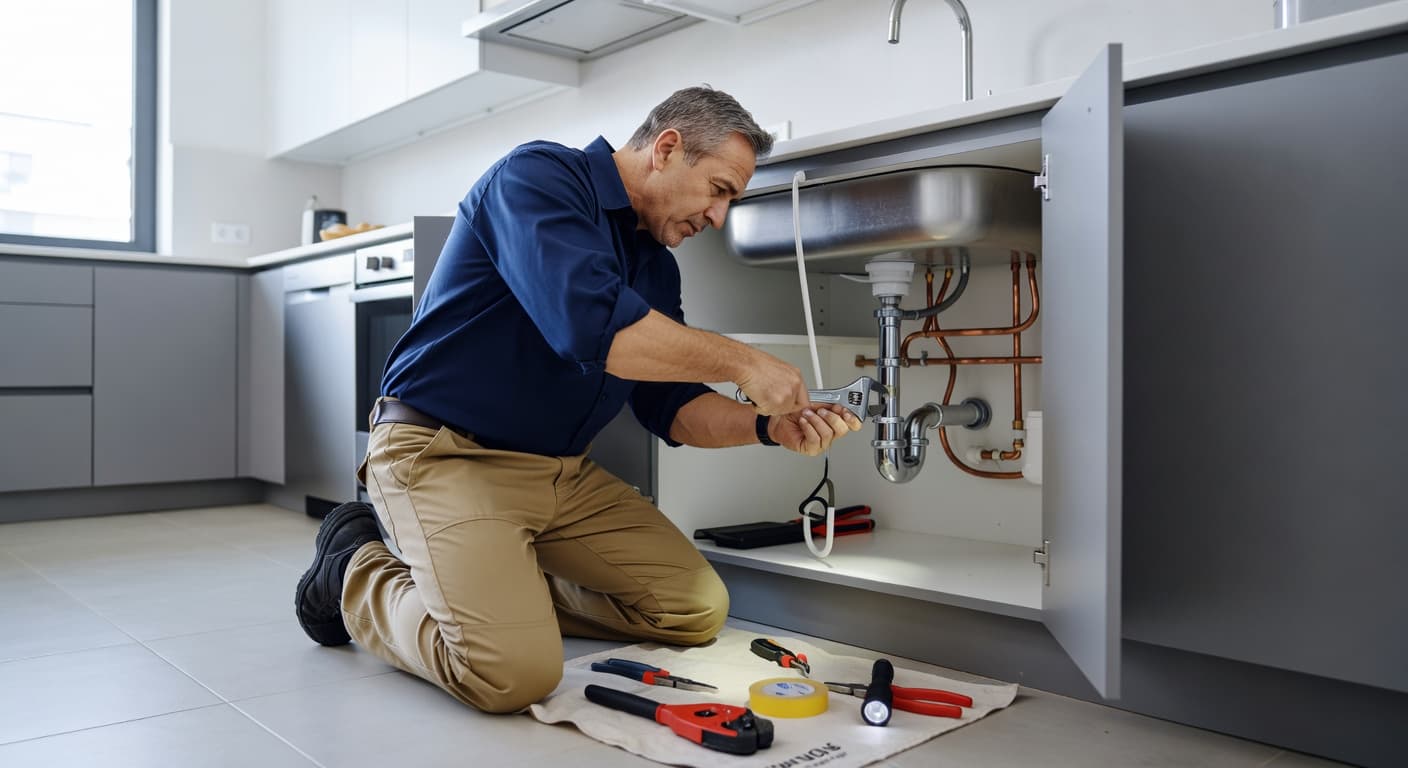
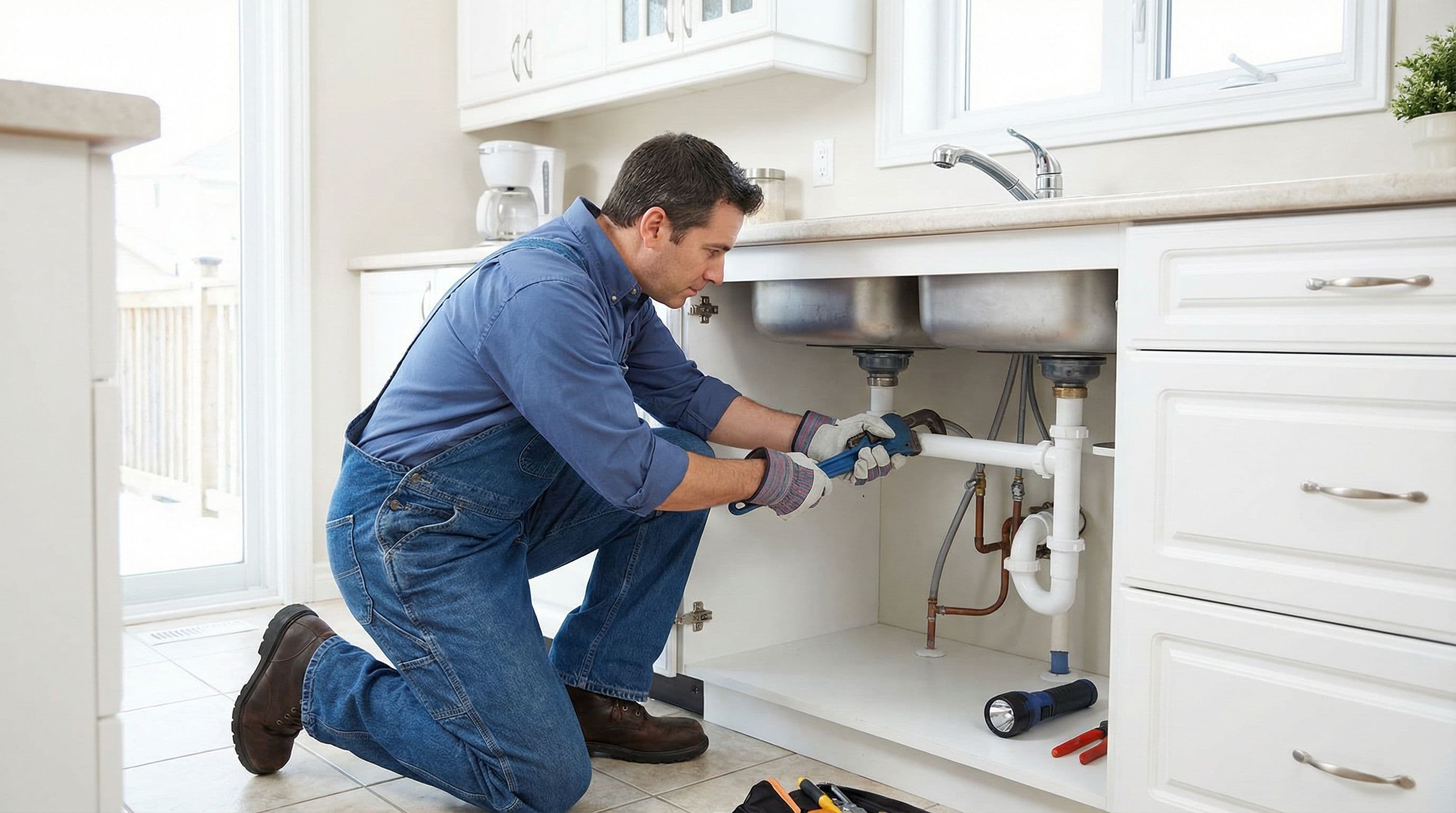
Plumbing claims typically start with a leak, a backup, a cut-in gone wrong, or damage that spreads after you leave the site. A supply line can fail after an install. A drain machine can scratch finished surfaces. A torch, ladder, or wet floor can injure someone in a home, restaurant, or mechanical room. That is why a plumbing business needs to think about insurance around real job sequences, not just around a certificate request.
The Insurance Information Institute puts the core issue plainly: "Good liability risk management can reduce the chances that your business will be sued, but it can never eliminate the risk entirely." So even if you use checklists, pressure-test your work, document shutoffs, and train techs on cleanup, you still need liability protection built for third-party injury and property damage claims.
The financial stakes are not theoretical. III also warns, "Depending on the degree of harm and the number of people injured and/or value of property damaged, a lawsuit could bankrupt your business." For a plumber, one bad water-loss claim can involve cabinets, flooring, drywall, tenant disruption, and arguments over whether the damage came from your work, an old line, or delayed mitigation. Review your insurance before you take larger repipes, commercial tenant improvements, sewer work, or jobs in occupied buildings where a small mistake can spread fast.
If you are sorting out the core liability piece first, start with general liability insurance and then build the rest of the stack around your vehicles, payroll, and job mix.
The right insurance stack for plumbers starts with three policies
For most plumbing operations, the practical starting stack is general liability insurance, workers compensation insurance, and commercial auto insurance. Those three policies line up with the way plumbing work actually creates loss: you can damage a customer’s property, an employee can get hurt lifting pipe or working in a trench or crawlspace, and your crews spend a lot of time driving vans loaded with tools and materials.
General liability is the policy clients and landlords often want to see first because it responds to third-party claims tied to your operations. III explains the claim trigger this way: "Your liability insurer will pay damages that you are legally obligated to pay as a result of “bodily injury,” “property damage” or “personal and advertising injury,” up to the policy limits and subject to your deductible." For a plumber, that language matters because a claim may involve a customer slipping near a work area, damage to finishes during a repair, or allegations that your crew caused a backup or leak.
If you run a small shop with an office, storage space, or shop contents, a businessowners policy can be worth asking about instead of buying liability by itself. III says, "For small businesses the most efficient and least expensive way to purchase liability insurance is usually as part of the Businessowners Policy (BOP)." So if you keep inventory, fittings, water heaters, or office equipment at a business location, ask whether a BOP fits better than a stand-alone liability policy.
Workers compensation and commercial auto round out the stack because plumbing is hands-on and vehicle-dependent. If employees drive to calls, haul pipe, or move between service and install work, review those policies at the same time instead of treating them as add-ons later.
How workers comp and commercial auto fit the way plumbing crews actually work
Plumbing crews do not face one injury pattern. Service plumbers lift water heaters, carry drain machines up stairs, work in attics and crawlspaces, and move through wet, tight, or poorly lit areas. New construction and remodel crews add cutting, trenching, ladders, and coordination with other trades. That is why workers compensation should be reviewed around your payroll, class codes, subcontractor setup, and who is actually on each job.
III describes the purpose of workers compensation this way: "It assures that injured workers get medical care and compensation for a portion of the income they lose while they are unable to return to work and it usually protects employers from lawsuits by workers injured while working." That matters for plumbing owners because one back injury, hand injury, or fall can interrupt scheduling, payroll, and customer commitments at the same time. III also notes, "Workers receive benefits regardless of who was at fault in the accident." So your review should focus less on arguing fault and more on whether your payroll reporting, job duties, and crew structure are accurate before a claim happens.
Commercial auto deserves the same attention because plumbing businesses live out of their vehicles. Vans and pickups carry employees, pipe, fittings, machines, and sometimes tow equipment between calls all day. III says that "the leading cause of workers comp death claims is traffic accidents that occur when the employee is in a vehicle for work purposes," so driving exposure is not separate from your injury exposure. If your team takes vehicles home, drives across a wide service area, or uses personal vehicles for parts runs, bring that up during quoting. A policy review should match who drives, what they drive, where they park, and how the vehicles are used during the workday.
What underwriters look at when quoting plumbing insurance
A useful plumbing quote is built from operations details, not just annual revenue and a headcount. Expect questions about whether you do mostly residential service, commercial service, remodels, new construction, sewer and drain work, water heater replacement, gas line work, or underground jobs. The mix matters because the severity of a claim changes with occupancy, access, and what can be damaged if your work fails after the job is done.
Your insurer will also want to understand where tools and materials are stored, whether you have a shop or office, how many vehicles are on the road, who drives them, and whether employees take them home. If you subcontract any labor, use temporary help, or move crews between service and install work, say so clearly. Those details affect how your workers compensation and commercial auto are reviewed, and they can create problems later if the application does not match the way the business actually runs.
Safety practices also belong in the quote conversation because they can change how risk is viewed. OSHA advises employers to "Review new technologies for their potential to be more protective, more reliable, or less costly." For a plumbing business, that can mean looking at inspection tools, leak detection methods, lifting equipment, driver monitoring, or jobsite documentation systems that reduce preventable losses. The point is not to buy gadgets for their own sake. The point is to show how you control water-loss, injury, and vehicle risk in day-to-day operations.
Before you request quotes, prepare a short operations summary: job types, payroll by role, vehicle list, loss history, subcontractor use, and any contract insurance requirements. That gives you cleaner comparisons and fewer surprises after binding.
How to compare plumbing insurance quotes without buying the wrong policy
The right insurance for plumbers is the policy set that matches your actual work, your contracts, and the size of loss you could realistically cause. A cheap-looking quote can still be the wrong choice if it leaves out a needed policy, uses limits that do not fit your jobs, or is based on an incomplete description of your operations.
Start by checking whether each quote covers the same business activities. One quote may be built around light residential service only, while another contemplates commercial work, remodels, or drain cleaning. If those assumptions differ, the prices are not truly comparable. Then review liability limits, deductibles, vehicle schedules, driver information, and whether the workers compensation estimate reflects the right payroll and job duties.
Defense costs matter too, because a claim can be expensive before fault is even sorted out. III states, "Liability insurance pays the cost of your defense and protects your assets." That is a practical reminder to compare more than the premium line. You are buying help with legal defense and asset protection when a customer, property owner, or third party says your work caused harm.
Ask each agent to walk through the same sample losses: a supply line leak after an install, a customer slip near a wet work area, an employee hurt carrying a water heater, and a van accident on the way to a call. That conversation exposes gaps faster than a generic quote summary. Buy only after the policy set matches your job mix, vehicle use, and hiring model.
Common insurance mistakes plumbing owners should avoid
One common mistake is buying only the policy a customer asks to see. A certificate request often focuses on liability, but a plumbing business depends just as much on workers compensation and commercial auto. If your crews drive every day and handle heavy equipment and materials, leaving those policies under-reviewed can create a bigger problem than the missing certificate you were trying to solve.
Another mistake is describing the business too broadly or too narrowly. If you say you are a service plumber but you also do remodel tie-ins, sewer work, or commercial tenant jobs, the quote may not reflect the real exposure. The opposite problem happens too: owners sometimes describe every possible operation even if they rarely perform it, which can make the quote less useful. Be precise about what you actually do now and what you plan to add this policy term.
Training and premises issues are also easy to overlook. III gives examples of negligence that include "Not repairing a pothole in a parking lot, not lighting a dark stairway, failing to train workers how to do their jobs safely and legally or failing to provide directions for the safe use of a product can constitute negligence". For a plumbing company, that translates into keeping your shop and yard safe, training techs on shutdowns and cleanup, and documenting how equipment and materials are handled.
Finally, do not wait until renewal week to fix the application. Review payroll, drivers, vehicles, subcontractors, and job types before you shop. That is the simplest way to get quotes you can actually rely on when a claim or contract issue shows up.
Frequently Asked Questions
General liability, workers compensation, and commercial auto form the core stack for most plumbing businesses because those policies track the main loss areas: customer property damage, employee injuries, and vehicle-related claims during service and install work.
Plumbers can still be sued even with strong procedures. III says, "Good liability risk management can reduce the chances that your business will be sued, but it can never eliminate the risk entirely," so careful work does not replace liability coverage.
For a small plumbing company, a businessowners policy can make sense if you have a shop, office, or business personal property to insure. III says a BOP is usually the most efficient and least expensive way for small businesses to purchase liability insurance.
Vans and pickups are on the road all day in this trade, so driving risk is part of normal operations. III says the leading cause of workers comp death claims is traffic accidents that occur when the employee is in a vehicle for work purposes.
Compare quotes using the same job mix, payroll, drivers, vehicles, and limits across every option. A quote built for light service work is not a fair comparison if your business also handles remodels, commercial calls, or heavier install work.
Sources
- 1.iii.org(Good liability risk management can reduce the chances that your business will be sued, but it can never eliminate the risk entirely.; Depending on the degree of harm and the number of people injured and/or value of property damaged, a lawsuit could bankrupt your business.; Your liability insurer will pay damages that you are legally obligated to pay as a result of “bodily injury,” “property damage” or “personal and advertising injury,” up to the policy limits and subject to your deductible.; For small businesses the most efficient and least expensive way to purchase liability insurance is usually as part of the Businessowners Policy (BOP).; Liability insurance pays the cost of your defense and protects your assets.; Not repairing a pothole in a parking lot, not lighting a dark stairway, failing to train workers how to do their jobs safely and legally or failing to provide directions for the safe use of a product can constitute negligence)
- 2.iii.org(It assures that injured workers get medical care and compensation for a portion of the income they lose while they are unable to return to work and it usually protects employers from lawsuits by workers injured while working.; Workers receive benefits regardless of who was at fault in the accident.; The leading cause of workers comp death claims is traffic accidents that occur when the employee is in a vehicle for work purposes)
- 3.osha.gov(Review new technologies for their potential to be more protective, more reliable, or less costly.)
Request a Quote Comparison
Enter your ZIP code to compare insurance rates from top carriers.
Updated July 17, 2026